



Menu

Safe Drain Cleaning Products in Providence – Your Complete Guide to Non-Toxic, Septic-Safe Solutions

Learn which eco-friendly drain cleaners, enzymatic formulas, and natural unblockers actually work in Providence homes without damaging your pipes, septic system, or Narragansett Bay watershed.

Slider Image 1
Slider Image 2
Slider Image 3
Slider Image 4
Slider Image 5
Slider Image 7
Slider Image 8
Slider Image 9
Slider Image 10
Slider Image 11

Why Providence Homeowners Need Safer Drain Cleaning Alternatives

Providence homes sit on a municipal sewer system that drains directly into the Providence River and eventually Narragansett Bay. The harsh chemical drain cleaners you find at big box stores contain sodium hydroxide and sulfuric acid that corrode cast iron and galvanized pipes common in College Hill, Federal Hill, and other historic neighborhoods. These toxic formulas kill beneficial bacteria in septic systems still used in parts of Scituate and western Providence County.

You face unique challenges here. The high mineral content in Providence water creates soap scum and calcium deposits that trap hair and grease. Cold New England winters slow enzymatic drain cleaners, making them less effective from December through March. Summer humidity accelerates organic buildup in kitchen drains. Many Providence homes have older plumbing with compromised pipe walls that cannot handle caustic chemicals without developing pinhole leaks.

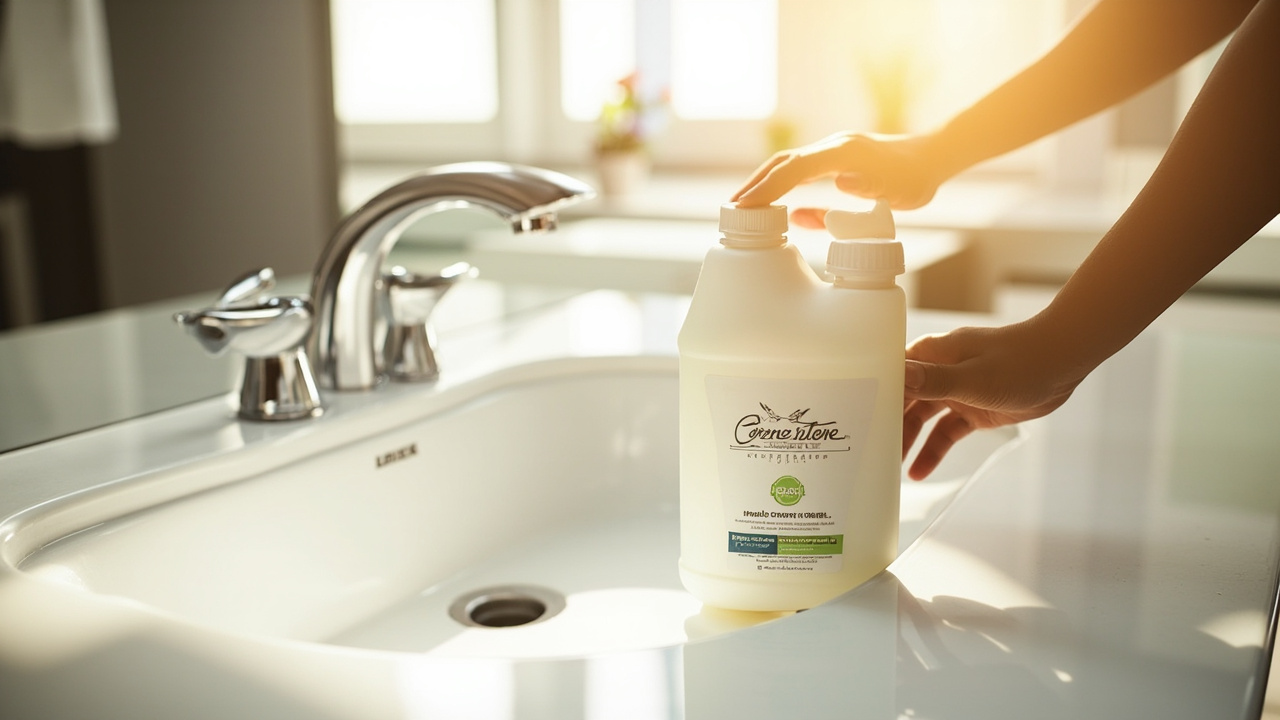
Non-toxic drain openers work differently than chemical alternatives. Enzymatic drain cleaners use protein-eating bacteria to dissolve hair, soap, and food waste without generating heat or fumes. Natural drain unblockers rely on mechanical action or safe acids like citric acid. Septic safe clog removers preserve the bacterial colonies your system needs to break down waste. Understanding which product matches your specific drain problem and plumbing type prevents damage while protecting local water quality.

The wrong product creates bigger problems. Chemical drain cleaners generate temperatures exceeding 200 degrees, warping PVC joints and cracking porcelain fixtures. They react violently with standing water, splashing caustic solution onto skin and surfaces. When they fail to clear the clog, you face a drain full of hazardous waste that complicates professional repair.

Why Providence Homeowners Need Safer Drain Cleaning Alternatives
How Safe Drain Products Actually Work in Your Plumbing System

How Safe Drain Products Actually Work in Your Plumbing System

Eco-friendly drain cleaners fall into three categories, each targeting different clog types. Enzymatic formulas contain bacterial cultures that produce protease, lipase, and amylase enzymes. These break down protein chains in hair, fats in grease, and starches in food waste. The process takes 6 to 12 hours but completely dissolves organic material without harming pipes. You pour the solution into the drain at night and flush with hot water in the morning.

Mechanical natural drain unblockers use physical force instead of chemistry. Baking soda and vinegar create carbon dioxide bubbles that dislodge light debris. Hot water flushes loose material through the trap. Drain snakes and barbed cleaning strips pull hair clogs from P-traps and pop-up assemblies. These methods work immediately but require more physical effort than pouring liquid down the drain.

Citric acid products dissolve mineral deposits and soap scum without the corrosion risk of sulfuric acid. The chelation process binds to calcium and magnesium ions, breaking down hard water scale. These formulas work well in bathroom sinks and shower drains where buildup restricts flow. They require warm water activation and 30 to 60 minutes of contact time.

Septic safe clog removers specifically avoid antibacterial agents that kill the anaerobic bacteria in your septic tank. Your system needs these microorganisms to digest solid waste and separate effluent. Products marked septic safe contain surfactants that break surface tension, allowing water to penetrate clogs and carry them through the drain line. They clear slow drains without disrupting biological digestion in your leach field.

Temperature affects performance. Enzymatic products become dormant below 50 degrees. You need to warm the drain with hot water before application during Providence winters. Chemical-free options require patience but deliver results without the risks associated with caustic formulas.

Choosing the Right Product for Your Specific Drain Problem

Safe Drain Cleaning Products in Providence – Your Complete Guide to Non-Toxic, Septic-Safe Solutions
01

Identify the Clog Type

Kitchen drains clog with grease, food particles, and soap residue. Bathroom sinks accumulate hair, toothpaste, and cosmetic products. Shower drains collect hair and body oils. Toilet drains need different treatment than sink drains. Match the product chemistry to the material causing the blockage. Hair clogs respond to protease enzymes. Grease requires lipase enzymes or hot water with surfactants. Mineral deposits need acid-based solutions.
02

Check Pipe Compatibility

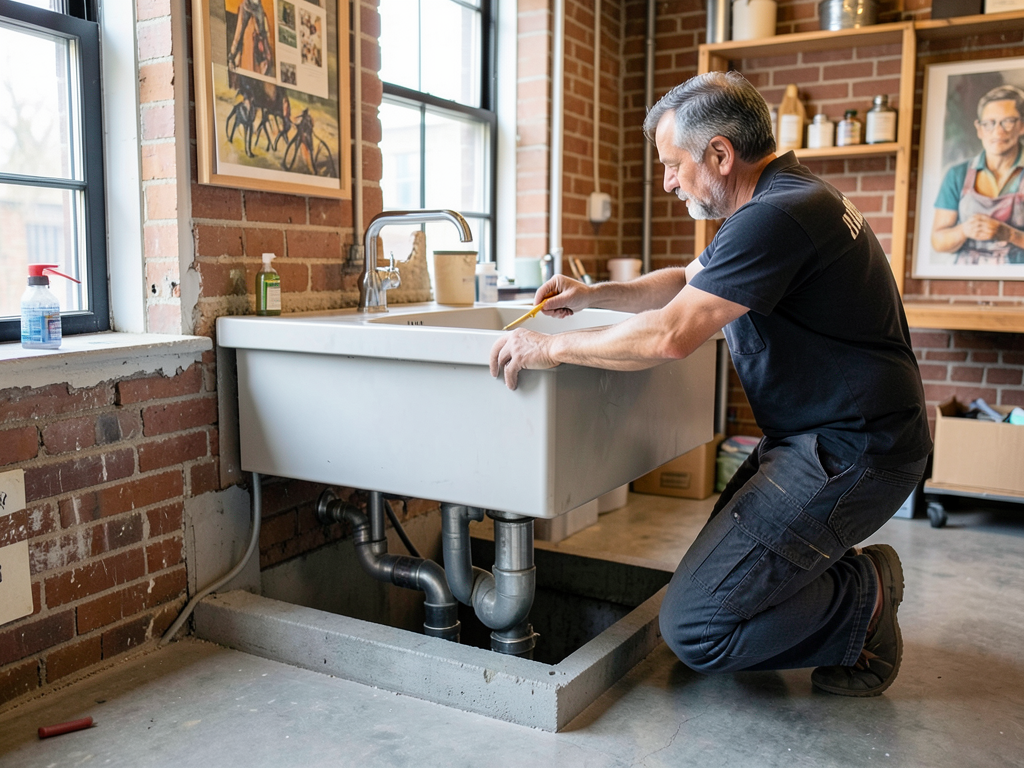
Providence homes built before 1960 often have cast iron drain lines that rust from the inside. Chemical cleaners accelerate corrosion and create leaks at joints. PVC pipes tolerate most products but can warp from excessive heat. Galvanized steel reacts badly to acidic formulas. Older brass and copper traps develop pinhole leaks when exposed to sodium hydroxide. Read product labels for pipe material compatibility before purchasing. When uncertain about your plumbing, choose enzymatic cleaners that work safely in all pipe types.
03

Apply and Evaluate Results

Follow manufacturer instructions for dosage and contact time. Enzymatic products need overnight application for full effectiveness. Mechanical methods provide immediate feedback. If the drain clears but slows again within days, you have partial blockage deeper in the line that needs professional augering. Recurring clogs indicate venting problems, bellied pipes, or root intrusion that safe drain products cannot fix. Knowing when to call a plumber prevents pipe damage from repeated chemical applications and failed DIY attempts.

Why Providence Plumbers Recommend Alternative Drain Solutions

Cornerstone Plumbing Providence sees the aftermath of chemical drain cleaner damage weekly. We pull apart P-traps that have corroded through after repeated caustic applications. We replace PVC joints that warped from thermal shock. We clear drains filled with hardened chemical residue mixed with grease that now requires mechanical augering instead of simple snaking.

Providence enforces strict discharge regulations to protect Narragansett Bay water quality. Pouring sulfuric acid or sodium hydroxide down your drain violates municipal codes when those chemicals reach the treatment plant or waterways. The Rhode Island Department of Environmental Management monitors chemical oxygen demand levels in wastewater. Switching to enzymatic drain cleaners reduces your environmental impact while maintaining drain function.

Your home's plumbing deserves better treatment. Cast iron stacks in Fox Point and Smith Hill homes have survived 80 years because previous owners used mechanical clearing methods and mild maintenance products. Modern chemical cleaners destroy these systems in months. The short-term convenience of pouring caustic liquid creates long-term repair costs when pipes develop leaks inside walls and under floors.

We recommend specific products based on drain type and clog severity. Bio-Clean works well for monthly maintenance in kitchen drains. Green Gobbler dissolves hair clogs in shower drains without fumes. CLR Bio breaks down soap scum in bathroom sinks. Simple hot water flushes with dish soap prevent most kitchen clogs before they form. These solutions cost less than chemical alternatives and extend your plumbing lifespan by decades.

Professional plumbers use safe methods because we understand pipe mechanics. Hydro-jetting clears tough clogs with water pressure instead of chemistry. Cable augering mechanically cuts through blockages. Video inspection identifies the actual problem before treatment. When you need help beyond safe drain products, we bring expertise that protects your plumbing investment and Providence water quality.

What to Expect When Using Safe Drain Cleaning Products

Response Time and Effectiveness

Chemical drain cleaners promise immediate results but often fail completely or provide temporary relief. Enzymatic drain cleaners require 6 to 12 hours of contact time but fully digest organic clogs. You apply the product before bed and wake to clear drains. Monthly maintenance applications prevent buildup rather than reacting to emergencies. Mechanical methods like snaking provide immediate results for accessible clogs in P-traps and pop-up assemblies. Set realistic expectations based on clog severity. Light slow drains respond to safe products within hours. Complete blockages need professional augering regardless of product choice. The time investment pays off in protected pipes and avoided repair costs.

Application and Safety Protocols

Eco-friendly drain cleaners eliminate the safety hazards of chemical alternatives. You skip the gloves, goggles, and ventilation requirements. Enzymatic formulas pose no burn risk to skin or eyes. Natural drain unblockers avoid toxic fumes that trigger asthma and respiratory irritation. Products safe for septic systems protect beneficial bacteria instead of destroying them. Read instructions for proper dosage to avoid wasting product or reducing effectiveness. Warm the drain with hot water before applying enzymatic cleaners in cold weather. Keep products away from children despite lower toxicity. Store in cool, dry locations to preserve bacterial viability. The safety advantages make these products suitable for homes with kids, pets, and family members with chemical sensitivities.

Performance in Different Drain Types

Kitchen drains benefit from lipase enzymes that digest fats and oils before they solidify in your pipes. Monthly applications prevent grease buildup that traps food particles. Bathroom sink drains respond to citric acid formulas that dissolve toothpaste residue and hard water deposits. Shower drains need protease enzymes to break down hair and body oils. Toilet clogs require different treatment because most safe drain products cannot handle paper and solid waste. Floor drains in basements benefit from enzymatic maintenance that digests detergent buildup and prevents sewer odors. Match the product to your specific drain application. Some formulas work universally while others target specific materials. Understanding these differences delivers better results and avoids repeated applications.

Long-Term Maintenance Benefits

Safe drain cleaning products extend plumbing lifespan by preventing chemical corrosion and thermal shock. Regular enzymatic applications maintain clear drains without the damage cycle of caustic cleaners. You avoid the pattern of temporary clearing followed by worse clogs and eventual pipe replacement. Monthly maintenance costs less than emergency plumbing calls and pipe repairs. Products safe for septic systems preserve tank function and prevent drain field failure. Your Providence home retains value when plumbing systems remain intact and functional. Environmental benefits include reduced chemical discharge into local waterways and lower treatment demands on municipal systems. Prevention beats reaction. Establishing a maintenance schedule with safe products eliminates most drain emergencies before they develop into costly problems.

Frequently Asked Questions

You Have Questions,
We Have Answers

What is the safest drain cleaner? +

Enzyme-based drain cleaners are the safest option for your pipes and the environment. These biological formulas break down organic matter without harsh chemicals that corrode pipes. In Providence homes, many of which feature older cast iron or galvanized plumbing, enzyme cleaners prevent pipe damage while clearing hair and soap buildup. Hot water with dish soap also works safely for minor clogs. Avoid caustic chemical cleaners that generate heat and can crack older pipes common in Federal Hill and College Hill residences. For persistent clogs, mechanical methods like augers remain safer than any liquid product.

What do plumbers recommend to keep drains clean? +

Plumbers recommend prevention over intervention. Flush drains weekly with hot water to dissolve grease and soap residue before it hardens. Use drain strainers to catch hair and food particles. Monthly enzyme treatments maintain clear lines without damaging pipes. In Providence, where high mineral content from municipal water can accelerate buildup, regular flushing becomes more important. Avoid pouring fats, oils, or coffee grounds down your sink. For garbage disposals, run cold water during and after use to solidify grease for easier grinding. These simple habits prevent most drain issues before they start.

Why do plumbers say not to use drain cleaner? +

Chemical drain cleaners damage pipes through extreme heat and corrosive reactions. The active ingredients generate temperatures that can crack older pipe joints, especially in Providence homes with vintage plumbing. These products often push clogs deeper rather than dissolving them, making professional removal harder. Chemical cleaners also create toxic fumes dangerous in enclosed spaces and can cause severe burns during use. They harm septic systems by killing beneficial bacteria. Most importantly, they provide only temporary relief without addressing the root cause. Plumbers see more emergency calls from chemical cleaner failures than from original clogs.

How to clean drains without chemicals? +

Start with a plunger to create pressure and dislodge clogs mechanically. For kitchen sinks, pour boiling water down the drain to melt grease buildup. A drain snake or auger physically breaks through hair and debris without chemicals. Remove and clean P-traps under sinks to clear trapped material. Wet-dry vacuums can pull out shallow blockages. In Providence homes with older drainage systems, these mechanical methods prevent pipe corrosion while effectively clearing lines. Enzyme cleaners offer a gentle chemical-free biological option. For stubborn clogs, hydro-jetting uses high-pressure water to scour pipes clean without harsh substances.

What do plumbers recommend instead of Drano? +

Plumbers recommend mechanical removal tools over chemical products like Drano. A quality drain snake or closet auger clears most clogs safely and permanently. For kitchen drains, boiling water followed by an enzyme treatment breaks down organic matter without pipe damage. A plunger remains effective for many bathroom clogs. Professional hydro-jetting removes years of buildup in a single service. Providence residents with older homes should avoid caustic chemicals that weaken vintage pipe materials. Mechanical methods address the actual blockage rather than masking symptoms. When home methods fail, calling a licensed plumber prevents the compounded damage chemical cleaners cause.

Does Dawn dish soap unclog drains? +

Dawn dish soap can help with minor grease clogs when combined with boiling water. Squirt several tablespoons down the drain, then pour a pot of boiling water to flush it through. The soap acts as a lubricant and grease cutter, helping move minor blockages. This method works for fresh clogs but will not clear established obstructions. In Providence kitchens, this combination prevents grease buildup if used weekly. For actual clogs, you need mechanical removal. Dawn provides a safe preventive measure but should not replace proper drain maintenance or professional service for persistent drainage problems.

Why shouldn't you use baking soda and vinegar to unclog a drain? +

Baking soda and vinegar create foam but lack the pressure or chemical strength to clear real clogs. The fizzing reaction happens too quickly to penetrate blockages. This combination can create pressure in sealed pipes that pushes clogs deeper or forces debris into branch lines. In Providence homes with complex plumbing configurations, displaced clogs can lodge in harder-to-reach areas. The mixture also leaves residue that can attract more buildup. While safe, this method wastes time when mechanical removal would solve the problem immediately. Use baking soda separately as a gentle abrasive cleaner, not mixed with vinegar for unclogging.

Why pour salt down the drain every night? +

Pouring salt down drains nightly is unnecessary and potentially harmful. Salt does not prevent clogs or clean pipes effectively. In Providence, where aging pipes already face mineral buildup from hard water, salt can accelerate corrosion of metal plumbing. This myth likely comes from salt's ability to generate heat when mixed with certain chemicals, but alone it provides no benefit. Salt can also damage septic systems by disrupting bacterial balance. Better drain maintenance includes weekly hot water flushes and monthly enzyme treatments. Save your salt for cooking and focus on proven prevention methods that protect your plumbing investment.

How to get rid of brown gunk in sink drain? +

Brown gunk is biofilm, a combination of bacteria, soap scum, and organic debris. Remove the sink stopper and clean it thoroughly with hot soapy water and an old toothbrush. Pour boiling water down the drain to loosen buildup. Use a bottle brush or small drain brush to scrub visible pipe walls. Enzyme cleaners break down the organic matter causing discoloration. In Providence bathrooms with hard water, mineral deposits mix with biofilm creating stubborn residue. Regular cleaning prevents accumulation. For deep buildup below the P-trap, remove and clean the trap manually or call a plumber for professional cleaning.

What are two things you should never flush down a toilet? +

Never flush wipes or feminine hygiene products. Flushable wipes do not disintegrate like toilet paper and cause major blockages in sewer lines. They tangle around pipe joints and create massive clogs requiring professional removal. Feminine products expand when wet and lodge in pipes or damage septic systems. In Providence, where many homes connect to older sewer infrastructure, these items contribute to neighborhood backups and costly repairs. Cotton swabs, dental floss, and paper towels also cause problems. Only human waste and toilet paper should enter your toilet. Everything else belongs in the trash, protecting your plumbing and the municipal system.

How Providence Water Quality Affects Drain Product Performance

Providence receives water from the Scituate Reservoir with moderate hardness levels between 60 and 120 parts per million. This mineral content creates soap scum and calcium deposits that accumulate in drains and reduce flow. Hard water reacts with soap to form sticky residue that traps hair and food particles. Homes in the East Side and College Hill with original plumbing face accelerated buildup in galvanized pipes where interior rust provides surface area for mineral adhesion. Citric acid drain products work particularly well here because they chelate calcium and magnesium ions without the pipe damage caused by sulfuric acid formulas.

Rhode Island state plumbing code requires proper venting and trap configuration to prevent drain problems. Many Providence homes built before modern code enforcement lack adequate drain venting, creating slow drainage that homeowners mistake for clogs. Safe drain products cannot fix improper venting or bellied pipes common in settling foundations throughout Federal Hill and the West End. Cornerstone Plumbing Providence understands local building patterns and identifies structural issues that chemical solutions mask temporarily. Our familiarity with Providence housing stock helps determine when you need professional diagnosis beyond product selection. Choosing local expertise protects your investment in historic properties where plumbing alterations require careful navigation of preservation requirements and modern code compliance.

Plumbing Services in The Providence Area

We are proud to serve the entire Providence area and its surrounding communities. Our team is strategically located to ensure a fast response time for both emergency and scheduled services. Use the map to get a visual of our primary service area, or simply give us a call to confirm if your location is within our coverage. We look forward to helping you with all of your plumbing needs.

Address:
Cornerstone Plumbing Providence, 1 State St, Providence, RI, 02908

Additional Services We Offer

Our news updates

Latest Articles & News from The Blogs

Kohler vs. TOTO (Which High-Efficiency Toilet Fits Your Fox Point Bathroom Best?) Fox Point homeowners face unique bathroom challenges with…

Kohler vs. TOTO (Which High-Efficiency Toilet Fits Your Fox Point Bathroom Best?)

Kohler vs. TOTO (Which High-Efficiency Toilet Fits Your Fox Point Bathroom Best?) Fox Point homeowners face unique bathroom challenges with…

Why High Water Pressure is Actually Ruining the Plumbing in Your College Hill Home

Why High Water Pressure is Actually Ruining the Plumbing in Your College Hill Home Water pressure that seems normal to…

Comparing the Best Sump Pump Brands for Mount Pleasant Basements

Comparing the Best Sump Pump Brands for Mount Pleasant Basements Mount Pleasant homeowners face unique basement flooding risks due to…

Contact Us

Not sure which safe drain product fits your situation? Call Cornerstone Plumbing Providence at (401) 240-9711 for product recommendations based on your specific drain problem and plumbing type. We help you choose effective solutions that protect your pipes and Providence water quality.