




Menu

Water Stains on Ceiling or Walls in Providence – Expert Diagnosis and Permanent Leak Repair

We identify the exact source of your water stains, stop active leaks at the point of failure, and prevent recurring moisture damage throughout your Providence home.

Slider Image 1
Slider Image 2
Slider Image 3
Slider Image 4
Slider Image 5
Slider Image 7
Slider Image 8
Slider Image 9
Slider Image 10
Slider Image 11

Why Water Stains Keep Appearing in Providence Homes

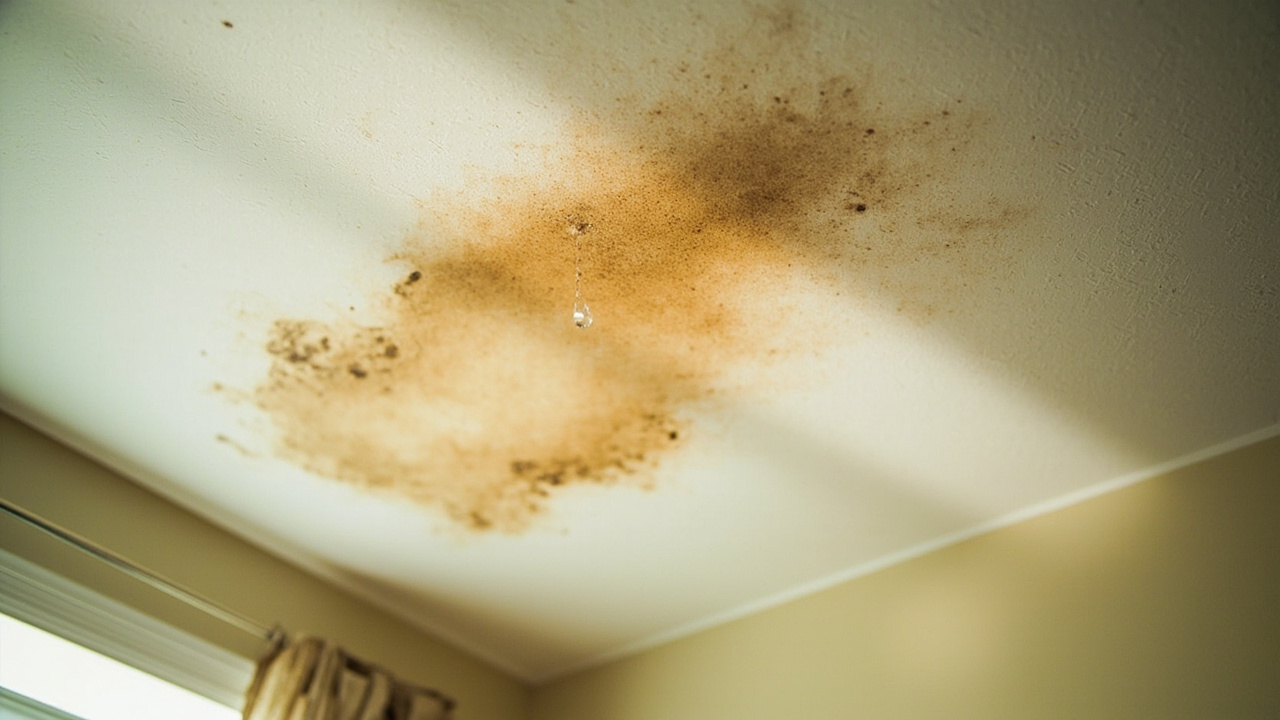
You notice brown spots on the ceiling in your upstairs bathroom. A week later, damp patches on walls appear in the hallway. The yellow water marks keep spreading, and you have no idea where the water is coming from.

Providence's freeze-thaw cycles create a perfect storm for hidden plumbing failures. When temperatures drop below freezing in January and February, then spike back into the 40s, the expansion and contraction stresses pipe joints, especially in older homes throughout College Hill, Federal Hill, and the East Side. These older neighborhoods feature cast iron waste lines and galvanized supply pipes that corrode from the inside out. You see ceiling discoloration from leak long before you see dripping water.

High humidity off Narragansett Bay accelerates the problem. Moisture condenses inside walls during summer months, soaking insulation and drywall. When a slow leak adds to that baseline moisture, you get persistent moisture stains on drywall that never fully dry. The stain grows slowly, week after week, because the source is a pinhole leak or a weeping joint hidden behind finished surfaces.

Most homeowners make the same mistake. They paint over the stain and hope it goes away. The cosmetic fix fails within days because the water source remains active. Until you address the underlying plumbing failure, the stain will return, and structural damage will compound. Wood framing absorbs water, drywall paper feeds mold growth, and ceiling joists begin to sag under the weight of saturated insulation.

Why Water Stains Keep Appearing in Providence Homes
How We Find and Fix the Hidden Leak Behind Your Water Stains

How We Find and Fix the Hidden Leak Behind Your Water Stains

We do not guess. We use infrared thermal imaging to map temperature differentials behind your walls and ceilings. Active leaks show up as cold spots where evaporating water drops surface temperature. This technology allows us to pinpoint the exact location of the failure without cutting exploratory holes throughout your home.

Once we identify the leak, we determine the type of failure. Pinhole leaks in copper supply lines require different repairs than failed wax rings under toilets or cracked drain boots around vent stacks. We inspect the pipe material, joint type, and surrounding conditions to understand why the failure occurred and whether adjacent sections are at risk.

For supply line leaks, we assess water pressure and check for water hammer, which causes repetitive stress on joints and fittings. High pressure accelerates pinhole corrosion in older copper. We measure static pressure at the nearest hose bib and recommend pressure regulation if readings exceed 80 psi, which is common in Providence's municipal supply zones.

For drain leaks, we inspect vent termination and trap configuration. Improperly vented drains create negative pressure that pulls water out of traps, allowing sewer gas into wall cavities where condensation mimics leak patterns. We verify proper slope on horizontal drain runs and check for root intrusion in older clay lateral lines common to pre-1960 construction.

After locating and categorizing the failure, we make surgical access cuts to expose the damaged section. We replace failed components with current code-compliant materials, pressure test the repair, and verify no secondary leaks exist in adjacent sections before closing walls.

What Happens During Your Water Stain Inspection

Water Stains on Ceiling or Walls in Providence – Expert Diagnosis and Permanent Leak Repair
01

Visual and Thermal Assessment

We document all visible staining and use thermal imaging cameras to detect temperature anomalies behind finished surfaces. Active leaks appear as cooler zones due to evaporative cooling. We map the moisture pattern to determine if water is traveling horizontally along framing or vertically down wall cavities, which tells us where the actual breach is located relative to the visible stain.
02

Source Identification and Testing

We isolate sections of your plumbing system to narrow down the source. For supply leaks, we shut off fixture stops and monitor pressure gauges for drops. For drain leaks, we run water at specific fixtures while inspecting accessible sections of drain line. We check roof penetrations, bathroom subfloors, and second-floor plumbing chases to confirm whether the source is supply, waste, or roof drainage related.
03

Repair and Verification

Once we locate the failure point, we make precise access cuts, replace the damaged pipe section or fitting, and test the repair under pressure before closing the wall. We verify surrounding sections show no signs of imminent failure. You receive documentation of what failed, what we replaced, and what to monitor going forward. The stain stops spreading immediately once the water source is eliminated.

Why Providence Homeowners Trust Local Plumbing Expertise for Water Damage

Providence's housing stock presents unique challenges. Homes in Fox Point, Wayland, and Smith Hill were built between 1880 and 1940, long before modern plumbing codes existed. Original galvanized steel supply lines are now 80 to 100 years old, corroded from decades of mineral-rich municipal water. Cast iron drain stacks have rusted through at fitting joints, and lead closet bends crack under the weight of modern toilets.

You need a plumber who understands how these older systems were assembled and where they fail first. We know that Federal Hill triple-deckers share vertical plumbing chases between units, so a leak in a third-floor bathroom can cause water stains on the first-floor ceiling. We know that East Side Victorians have plaster over wood lath, which wicks water horizontally along the lath strips, making the visible stain appear three feet away from the actual leak.

Local building codes require permits for certain types of plumbing repairs, especially when work involves concealed waste lines or supply risers. We pull permits when required and coordinate inspections to keep your repair compliant. This matters when you sell your home. Unpermitted plumbing work discovered during a home inspection can kill a sale or force you to rip out walls to bring the work up to code retroactively.

We also understand the relationship between your plumbing system and your heating system. Many Providence homes use hydronic baseboard heat with copper supply lines running through exterior walls. Frozen pipes in these locations cause the majority of winter water damage we see. We identify vulnerable sections and recommend insulation upgrades or heat trace cable to prevent future freeze events.

What to Expect When You Call About Water Stains

Same-Day Diagnostic Availability

Water stains indicate active leaks. Active leaks cause compounding damage every hour they continue. We prioritize diagnostic appointments for visible water damage and typically arrive the same day you call. If you call in the morning, we can often schedule an afternoon inspection. For after-hours emergencies where water is actively dripping, we dispatch immediately. The faster we identify the source, the less secondary damage you incur to framing, insulation, and finishes.

Comprehensive Leak Detection Process

We arrive with thermal imaging equipment, moisture meters, and inspection cameras. We do not start cutting holes until we narrow down the source. You receive a clear explanation of what we find, why the failure occurred, and what the repair involves. If the leak requires opening walls or ceilings, we show you exactly where we need access and explain how we minimize cosmetic damage. You approve the scope before we proceed with any invasive work.

Surgical Repair with Minimal Disruption

We make precise access cuts guided by our diagnostic findings. We replace only the failed section, not entire plumbing runs, unless adjacent sections show imminent failure. All supply line repairs are pressure tested to 150 psi for 15 minutes. All drain repairs are water tested with fixtures running at full flow. We leave your plumbing system functional and leak-free. You handle drywall and paint restoration, or we can recommend trusted contractors who specialize in water damage reconstruction.

Guidance on Preventing Future Leaks

After completing the repair, we provide recommendations to prevent recurrence. This might include water pressure regulation, pipe insulation for freeze protection, or repiping sections of outdated galvanized steel that will fail next. We explain what to monitor and when to call back. If we identify systemic issues like widespread galvanized corrosion, we provide a comprehensive repiping estimate so you can plan for necessary upgrades before the next failure occurs.

Frequently Asked Questions

You Have Questions,
We Have Answers

Is a water stain on a ceiling serious? +

Yes. A water stain signals an active or past leak that compromised your ceiling. In Providence homes, freeze-thaw cycles and ice dams worsen roof vulnerabilities, causing hidden damage. Even if the stain seems dry, moisture may have soaked insulation, drywall, and framing. This creates ideal conditions for mold growth and structural rot. Ignoring a stain risks ceiling collapse, electrical hazards if wiring gets wet, and expensive repairs. Identify the source quickly. Check attics, roofs, plumbing, and HVAC condensation lines. The longer water sits, the worse the damage becomes.

How to tell if water is leaking behind a wall? +

Look for these warning signs. You may notice discolored patches, peeling paint, or bulging drywall. Touch the wall. If it feels damp, spongy, or cooler than surrounding areas, moisture is present. Listen for dripping sounds or running water when fixtures are off. Check baseboards for warping or separation. In Providence, old galvanized pipes in historic homes often corrode and leak silently. You may smell mustiness or see mold spots. Monitor your water bill for unexplained spikes. These clues point to hidden leaks that need immediate professional inspection before structural damage spreads.

Why do I have water spots on my ceiling but no leak? +

Water spots without obvious leaks often result from condensation, not active plumbing failures. In Providence's humid summers, poor attic ventilation traps moisture that condenses on cooler ceiling surfaces. Bathroom exhaust fans venting into attics instead of outside also cause this. HVAC ductwork sweating from temperature differences creates drips. Old insulation settling allows warm, moist air to contact cold surfaces. Ice dams in winter melt and refreeze, pushing water under shingles without creating visible roof leaks. A thermal imaging inspection can pinpoint moisture sources. Addressing ventilation and insulation often solves the problem without major plumbing work.

How to get rid of brown water stains on a ceiling? +

First, fix the source. Brown stains return if the leak persists. After drying the area completely, apply a stain-blocking primer like Kilz or BIN. This seals tannins and prevents bleed-through. Once the primer dries, paint with ceiling paint matching your existing finish. For older Providence homes with plaster ceilings, check for crumbling material. You may need to scrape loose plaster and apply joint compound before priming. If the stain is large or the ceiling sags, call a professional. Cosmetic fixes without addressing the root cause waste time and money.

Can I just paint over a water stained ceiling? +

No. Paint alone will not hide water stains. The discoloration will bleed through standard ceiling paint within days. Worse, painting over a damp ceiling traps moisture, accelerating mold growth and drywall deterioration. You must identify and repair the leak first. Let the affected area dry completely, which can take weeks depending on humidity. Providence homes with poor ventilation take longer. Apply a stain-blocking primer before any topcoat. Skipping this step guarantees the stain reappears. If you smell mustiness or see mold, remediation is required before cosmetic work begins.

How to know if a water stain on the ceiling is new or old? +

Check the texture and edges. Fresh stains appear darker, with wet or damp spots you can feel. Edges look blurry and may expand over days. Old stains are dry, flat, and sharply defined with yellowed or brown rings. Probe gently with a screwdriver. Soft, spongy drywall indicates ongoing moisture. Hard, brittle material suggests an old, resolved leak. In Providence's older housing stock, layers of paint may hide multiple stain cycles. If unsure, use a moisture meter. Even dry-looking stains warrant investigation to confirm the source is truly fixed.

Can plumbers detect leaks behind walls? +

Yes. Licensed plumbers use specialized leak detection tools to locate hidden water damage without demolition. Thermal imaging cameras identify temperature differences caused by moisture behind walls. Acoustic sensors detect the sound of water moving through pipes or dripping inside cavities. Moisture meters measure dampness levels in drywall and framing. In Providence homes with cast iron or galvanized piping, video pipe inspection cameras can reveal internal corrosion. These methods pinpoint leak locations precisely, minimizing repair costs and preventing unnecessary wall cutting. If you suspect a hidden leak, professional detection saves time, money, and stress.

Does home insurance cover leak detection? +

It depends on your policy. Most homeowners insurance covers sudden, accidental leaks like burst pipes but excludes gradual damage from neglected maintenance. Leak detection itself is rarely covered as a standalone service. However, if a covered peril causes damage, the insurer may reimburse detection costs as part of the claim. Read your policy carefully. In Providence, where freeze damage and ice dams are common, check if your coverage includes those scenarios. Document everything with photos and dates. Call your insurer before hiring contractors to confirm coverage and avoid claim denial.

How long does it take for a water leak to cause mold? +

Mold can start growing within 24 to 48 hours in the right conditions. Providence's humid climate accelerates this process. Water-soaked drywall, insulation, or wood provides the organic material mold spores need. Warmth and poor ventilation complete the recipe. Visible mold may not appear immediately, but microscopic growth begins fast. If a ceiling stain stays damp for more than two days, assume mold risk is high. Black, green, or fuzzy patches confirm active colonies. Act quickly. Dry the area within 48 hours and inspect hidden spaces like wall cavities and attics.

What are signs of a serious ceiling issue? +

Watch for these red flags. Sagging or bulging ceilings signal structural failure from prolonged water exposure. Cracks radiating from stains indicate framing damage. Peeling paint or bubbling drywall texture shows active moisture. A musty smell points to hidden mold. In Providence, ceiling issues often stem from roof leaks, ice dams, or failing flashing around chimneys. If you see multiple stains, hear dripping, or notice sudden changes in stain size, call a professional immediately. Delays risk ceiling collapse, electrical fires, or extensive mold remediation. Serious problems worsen fast.

How Providence's Aging Infrastructure and Freeze Cycles Make Water Stains a Recurring Problem

Providence experiences an average of 25 freeze-thaw cycles each winter. Temperatures drop into the teens overnight, then climb back above freezing by midday. This constant expansion and contraction stresses pipe joints, especially in exterior walls and unheated attic spaces. Homes built before 1950 lack adequate wall insulation, so supply lines running through exterior walls freeze repeatedly throughout January and February. Each freeze event weakens soldered joints and creates microfractures in older copper, leading to pinhole leaks that manifest as ceiling discoloration and damp patches on walls months later when the pipe finally gives way under normal pressure.

Cornerstone Plumbing Providence has diagnosed and repaired water stains in hundreds of College Hill, Federal Hill, and East Side homes. We understand the specific vulnerabilities of your neighborhood's housing stock. We know where builders cut corners in the 1920s and which plumbing materials fail first in your home's age bracket. Our familiarity with local building codes and permit requirements ensures your repair meets city standards and protects your property value. When you choose a plumber who works exclusively in Providence, you get someone who has already seen your exact problem in a dozen homes just like yours.

Plumbing Services in The Providence Area

We are proud to serve the entire Providence area and its surrounding communities. Our team is strategically located to ensure a fast response time for both emergency and scheduled services. Use the map to get a visual of our primary service area, or simply give us a call to confirm if your location is within our coverage. We look forward to helping you with all of your plumbing needs.

Address:
Cornerstone Plumbing Providence, 1 State St, Providence, RI, 02908

Additional Services We Offer

Our news updates

Latest Articles & News from The Blogs

Kohler vs. TOTO (Which High-Efficiency Toilet Fits Your Fox Point Bathroom Best?) Fox Point homeowners face unique bathroom challenges with…

Kohler vs. TOTO (Which High-Efficiency Toilet Fits Your Fox Point Bathroom Best?)

Kohler vs. TOTO (Which High-Efficiency Toilet Fits Your Fox Point Bathroom Best?) Fox Point homeowners face unique bathroom challenges with…

Why High Water Pressure is Actually Ruining the Plumbing in Your College Hill Home

Why High Water Pressure is Actually Ruining the Plumbing in Your College Hill Home Water pressure that seems normal to…

Comparing the Best Sump Pump Brands for Mount Pleasant Basements

Comparing the Best Sump Pump Brands for Mount Pleasant Basements Mount Pleasant homeowners face unique basement flooding risks due to…

Contact Us

Water stains grow larger every day the source remains active. Call Cornerstone Plumbing Providence at (401) 240-9711 right now to schedule your same-day leak detection and repair. We find the source, stop the leak, and give you a dry home again.