



Menu

Smelly Drains & Sewer Odors in Providence – Expert Diagnosis and Permanent Solutions

Get to the root cause of foul sewer gas odors, stinky bathroom drains, and sewage smell in your Providence home with professional inspection and targeted repairs that eliminate the problem for good.

Slider Image 1
Slider Image 2
Slider Image 3
Slider Image 4
Slider Image 5
Slider Image 7
Slider Image 8
Slider Image 9
Slider Image 10
Slider Image 11

Why Providence Homes Battle Persistent Drain and Sewer Odors

That rotten egg smell from plumbing is not just unpleasant. It is a sign something is wrong with your drainage system or sewer line.

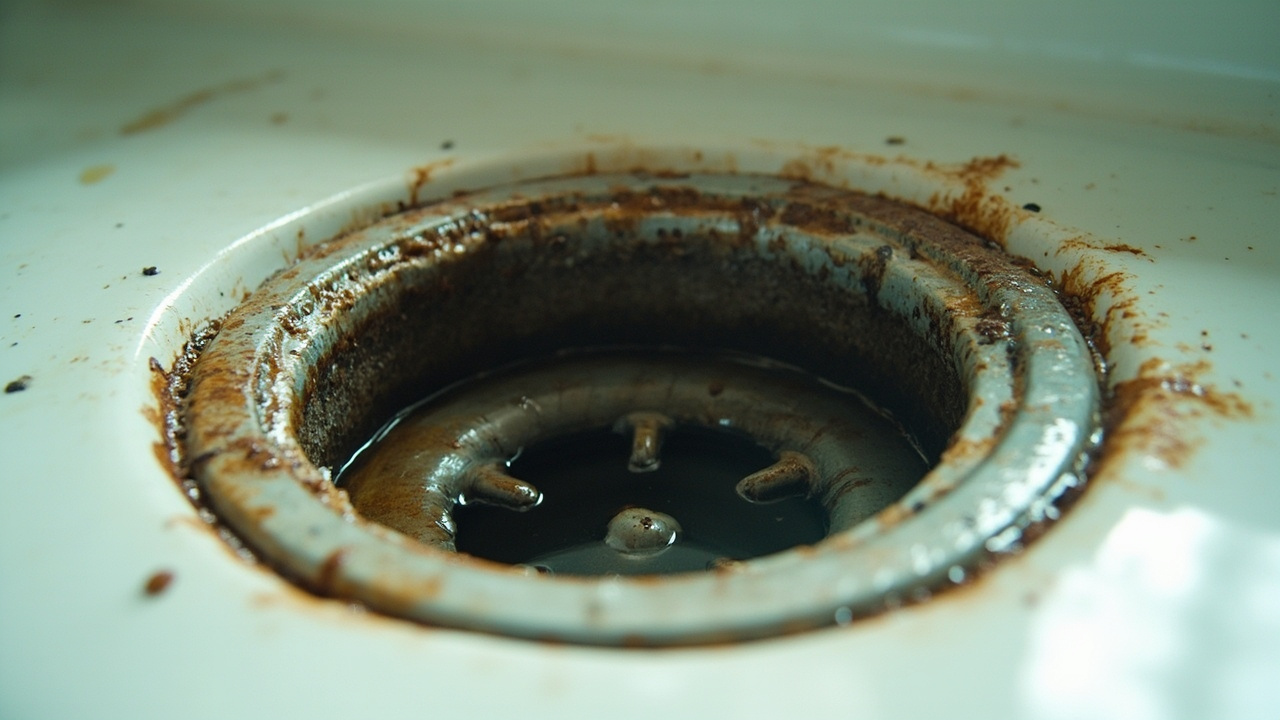
Providence homes face specific challenges that create unpleasant drain odors. The city's aging housing stock, particularly in neighborhoods like Federal Hill and College Hill, often includes decades-old cast iron sewer lines that corrode from the inside out. This corrosion creates rough interior surfaces where biofilm and sludge accumulate, generating hydrogen sulfide gas that smells like sewage.

Rhode Island's humidity compounds the problem. Moisture accelerates bacterial growth inside drain lines, intensifying foul sewer gas odors in bathrooms, kitchens, and basements. When P-traps dry out during winter months when heating systems pull moisture from the air, sewer gas flows directly into living spaces.

Ground movement from freeze-thaw cycles common to Providence can crack underground sewer laterals. These cracks allow soil and roots to infiltrate the line, creating clogs that trap organic matter. As this matter decomposes, it produces stinky bathroom drains and a persistent sewage smell in house areas near floor drains or fixtures.

You might notice the odor worsens after heavy rain. That is because Providence's combined sewer system can experience backflow during storm events, pushing gas back through your drain lines. If you smell it, you need to find out why. Sewer gas contains methane, which is flammable in high concentrations, and hydrogen sulfide, which is toxic.

The source could be a dried P-trap, a cracked vent pipe, a failed wax ring under a toilet, or a compromised sewer lateral. Each requires a different fix.

Why Providence Homes Battle Persistent Drain and Sewer Odors
How We Identify and Eliminate Sewer Gas at the Source

How We Identify and Eliminate Sewer Gas at the Source

Most plumbers guess. We diagnose.

We start with a systematic inspection of every potential entry point for sewer gas. This includes checking all P-traps under sinks, tubs, and floor drains to confirm water seal depth. A P-trap needs at least two inches of water to block sewer gas. If that seal evaporates or gets siphoned out by improper venting, gas flows freely into your home.

Next, we inspect your plumbing vents. These pipes extend through your roof and allow sewer gas to escape outdoors while maintaining proper pressure in your drain lines. In Providence's older homes, we often find vent pipes damaged by ice dams, blocked by bird nests, or improperly terminated too close to windows or air intakes. A blocked or damaged vent creates negative pressure that pulls water out of P-traps or allows gas to backflow.

We perform smoke testing when the source is not obvious. We introduce non-toxic theatrical smoke into your drain system and watch where it escapes. This reveals cracks in underground pipes, failed seals around toilets, gaps in cleanout caps, or breaks in vent stacks hidden inside walls.

For properties with persistent issues, we run a sewer camera inspection. This shows us the interior condition of your main sewer lateral from your house to the street connection. We can see root intrusion, pipe corrosion, bellied sections where water pools, or offset joints where sections have separated.

Once we identify the cause, we execute the proper repair. That might mean replacing a wax ring, re-establishing a P-trap seal, clearing a vent blockage, removing roots with hydro jetting, or performing a trenchless pipe lining to seal cracks in your sewer lateral. We fix the problem, not just the symptom.

What Happens During a Sewer Odor Investigation

Smelly Drains & Sewer Odors in Providence – Expert Diagnosis and Permanent Solutions
01

Initial Assessment and Odor Tracking

We walk through your property to identify where the smell is strongest and which fixtures are involved. We test each drain and toilet for proper venting and check P-trap water levels in all fixtures, including floor drains in basements and utility rooms that often get overlooked. We ask about when the smell occurs, how long you have noticed it, and whether it changes with weather or water usage patterns.
02

Diagnostic Testing and Inspection

We perform targeted tests based on initial findings. This may include running water through all drains to check flow and listen for gurgling that indicates vent problems, inspecting roof vents for blockages or damage, checking toilet seals for leaks, or deploying camera inspection equipment into your sewer line. For complex cases, we use smoke testing to reveal hidden leaks or failed seals that are not visible during standard inspection.
03

Repair and Verification

After identifying the source, we complete the necessary repair, whether that involves replacing a wax ring, clearing a vent obstruction, repairing a cracked pipe, or hydro jetting your sewer line to remove buildup. We then verify the fix by testing all drains and monitoring for odors. We explain what we found, what we fixed, and what you can do to prevent future issues, including maintenance recommendations specific to your home's plumbing configuration.

Why Providence Homeowners Choose Local Expertise for Sewer Gas Problems

Sewer odor problems in Providence require knowledge of local housing construction and infrastructure that out-of-area plumbers simply do not have.

We understand how Providence's historic homes were plumbed. Many properties built before 1950 have cast iron drain lines and lead sewer laterals that behave differently than modern PVC. We know where cleanouts are typically located in triple-deckers versus single-family Victorians. We understand how these older systems were vented and where problems commonly develop.

We also understand Providence's municipal sewer system. The city operates a combined sewer system in many neighborhoods, meaning stormwater and sewage share the same pipes. During heavy rain events, this system can become overwhelmed, causing backflow that pushes sewer gas into homes through floor drains and fixtures. We know how to install backwater valves and check valves to prevent this backflow in vulnerable properties.

Local building codes in Rhode Island require specific venting configurations that differ from other states. We stay current on these requirements and ensure all repairs meet or exceed code standards. When we replace sections of drain line or install new vents, the work passes inspection the first time.

We also respond quickly. Sewer gas is not just unpleasant. It is a health and safety issue. Hydrogen sulfide can cause headaches, dizziness, and nausea. Methane is explosive. When you call Cornerstone Plumbing Providence, we prioritize sewer odor calls because we understand the urgency.

You get a local team that knows your neighborhood, understands your home's construction, and has solved this exact problem in hundreds of Providence properties. We do not guess. We diagnose accurately and fix it right the first time.

What to Expect When You Call About Drain and Sewer Odors

Fast Response Time

We understand that living with sewage smell in house areas is intolerable. When you call about sewer odors, we schedule an inspection appointment quickly, often within 24 hours. For urgent situations where the smell is severe or accompanied by other symptoms like gurgling drains or slow drainage, we can often arrive the same day. Our trucks carry diagnostic equipment including cameras and smoke testing tools, so we can identify the problem during the first visit rather than scheduling a follow-up. Once we find the source, most repairs are completed immediately, restoring your home to a safe, odor-free condition without delay.

Thorough Diagnostic Process

We do not make assumptions about what is causing your sewer gas problem. Our technicians systematically check every possible source, from P-traps and wax rings to vent pipes and sewer laterals. We use professional-grade inspection cameras that can navigate up to 100 feet through your drain lines, giving us a clear view of interior pipe conditions. If needed, we perform smoke testing to reveal cracks or gaps that allow gas to escape. You receive a clear explanation of what we found, why it is happening, and what needs to be repaired. We show you camera footage when relevant so you understand the problem before we proceed with repairs.

Permanent Solutions, Not Temporary Fixes

We focus on eliminating the root cause of sewer odors, not masking symptoms. If your sewer lateral has root intrusion, we remove the roots with hydro jetting and can line the pipe to prevent future growth. If your cast iron drain lines are corroded and producing gas, we recommend replacement with PVC rather than temporary patching. When vent pipes are damaged or improperly configured, we correct the venting to code standards. You get work that solves the problem for years to come, backed by professional installation that meets Rhode Island plumbing codes. We do not cut corners or suggest temporary fixes when permanent solutions are needed.

Prevention and Maintenance Guidance

After resolving your sewer odor problem, we provide specific maintenance recommendations to prevent recurrence. This might include periodic hydro jetting to keep your sewer lateral clear of buildup, installing drain guards to prevent hair and debris from accumulating, or establishing a schedule for pouring water down infrequently used floor drains to maintain P-trap seals. For homes with recurring root intrusion, we can apply root-killing treatments on a maintenance schedule. If your property is prone to sewer backflow during storms, we discuss options like backwater valve installation. You receive practical, actionable advice based on your specific plumbing configuration and the issues we identified during our inspection.

Frequently Asked Questions

You Have Questions,
We Have Answers

How to get rid of sewer smell in drains? +

Start by running water in all drains for two minutes to refill dry P-traps, which block sewer gases from entering your home. If the smell persists, pour a mix of baking soda and vinegar down the drain, wait 15 minutes, then flush with hot water. Check your vent pipes on the roof for blockages from leaves or debris. In Providence's older neighborhoods, cast iron drain lines can corrode and leak gases. If these quick fixes fail, you need a camera inspection to find hidden cracks or buildup in your drain lines.

How to find where sewer smell is coming from? +

Check each drain fixture by sniffing close to the opening. Run water and wait five minutes to see if the smell returns. Inspect your basement floor drains, often overlooked in Providence homes. Look for standing water around toilets or under sinks, which signals a wax ring failure or loose connection. Go outside and check your sewer cleanout cap for cracks. Walk your yard looking for soft spots or sunken areas where a broken sewer line might be leaking. If you cannot pinpoint the source, a plumber uses smoke testing or camera inspection to locate the exact problem.

Why does my drain smell bad but no blockage? +

A dry P-trap is the most common cause. These U-shaped pipes hold water to seal off sewer gases, but evaporate if you do not use the drain regularly. This happens frequently in guest bathrooms or basement utility sinks in Providence homes. Pour water down unused drains monthly to maintain the seal. Biofilm buildup on pipe walls also creates foul odors without blocking water flow. Bacteria and organic matter cling to the inside of drain lines and emit hydrogen sulfide gas. Vent pipe problems can also allow gases to escape without causing a clog.

Can I fix a sewage smell myself? +

You can fix simple issues like dry P-traps or surface buildup. Run water in unused drains, clean drain stoppers, and use a baking soda and vinegar treatment for minor odors. Replace a toilet wax ring if you are comfortable with basic repairs. However, sewer smells often indicate serious problems like cracked pipes, failed vent stacks, or main line damage. Providence's aging infrastructure means many homes have deteriorating cast iron or clay pipes that need professional repair. Misdiagnosing the problem wastes time and money. Call a licensed plumber if the smell persists after basic fixes.

What is best to put down smelly drains? +

Baking soda and vinegar work well for routine maintenance. Pour half a cup of baking soda down the drain, follow with one cup of white vinegar, wait 15 minutes, then flush with hot water. For tougher odors, use an enzyme drain cleaner that breaks down organic buildup without damaging pipes. Avoid chemical drain cleaners, which corrode older pipes common in Providence homes. Hot water alone helps, but does not eliminate biofilm. Pour boiling water weekly to maintain clean drains. For persistent smells, mechanical cleaning with a drain snake or hydro jetting removes stubborn buildup that causes odors.

How to tell if your sewer line is clogged? +

Multiple drains backing up at once signals a main sewer line clog. Listen for gurgling sounds in toilets or tubs when you flush or run water elsewhere in the house. Water drains slowly throughout your home, not just one fixture. Sewage backs up in your basement floor drain or lowest bathroom. You notice wet spots or foul smells in your yard above the sewer line path. Toilets bubble when you use the washing machine. In Providence, tree roots from mature maples and oaks commonly invade clay sewer lines, causing blockages that need professional clearing.

What's the average cost to fix a sewer smell? +

Simple fixes like replacing a wax ring or clearing a vent pipe run a few hundred dollars. Drain cleaning to remove biofilm buildup costs more depending on access and pipe condition. Repairing a cracked drain line or replacing a section of broken pipe increases costs significantly based on location and pipe material. Main sewer line repairs involving excavation are the most expensive. In Providence, accessing lines under century-old foundations or through tight crawl spaces adds complexity. Get a camera inspection first to diagnose the exact problem before committing to repairs. Most plumbers offer free estimates.

What are signs of a broken sewer line? +

Sewage backs up frequently in multiple drains. You see foundation cracks or settling near your sewer line path. Your yard has sunken spots, extra green grass patches, or pooling water. Rodents or insects appear more often as they enter through broken pipes. You hear constant running water underground. Septic odors persist outside even after rain. Providence's freeze-thaw cycles crack aging clay and cast iron sewer lines. Tree roots from mature street trees invade through small cracks and expand them. If you notice these signs, get a camera inspection immediately to assess pipe condition before catastrophic failure occurs.

What does a failing septic system smell like? +

A failing septic system smells like raw sewage or rotten eggs outside your home, particularly near the drain field or tank location. The odor intensifies after heavy rain or when you run multiple fixtures. You might notice soggy areas or standing water in your yard where effluent surfaces. Drains slow down throughout your house. Toilets gurgle or do not flush properly. Grass grows unusually thick and green over the drain field from excess nutrients. If your Providence-area home has a septic system, these smells indicate the tank needs pumping or the drain field is saturated and failing.

Should I call a plumber for a sewer smell? +

Yes. Sewer smells indicate problems that worsen without professional attention. Methane and hydrogen sulfide gases are toxic and flammable at high concentrations. What starts as a small crack or partial clog becomes a major failure requiring expensive emergency repairs. A licensed plumber uses cameras and pressure tests to diagnose the exact issue quickly. In Providence, older homes have complex drainage systems with hidden problems that need expert assessment. Attempting repairs yourself without proper tools risks damaging pipes further. Call a plumber immediately if you smell sewage, especially if multiple drains are affected or the odor persists.

How Providence's Aging Sewer Infrastructure Affects Your Home's Drain System

Providence's housing stock is among the oldest in the nation, with thousands of homes built before modern plumbing codes existed. Many properties on the East Side, in Federal Hill, and throughout the West End still have original cast iron drain lines and clay sewer laterals installed in the early 1900s. These materials corrode and crack over time, creating perfect conditions for stinky bathroom drains and foul sewer gas odors. The city's combined sewer system adds another layer of complexity. During heavy rain, stormwater can overwhelm the system and push sewage backward through your lateral, creating temporary but severe odor problems. Understanding these local infrastructure challenges is essential for proper diagnosis and repair.

Rhode Island's plumbing code includes specific requirements for venting and drain line installation that differ from surrounding states. Repairs that would pass inspection in Massachusetts might fail here. Cornerstone Plumbing Providence stays current on local code requirements and maintains strong working relationships with city inspectors. When we repair or replace sections of your drain system, the work meets or exceeds Rhode Island standards and passes inspection without delays. Our familiarity with Providence's historic housing construction means we understand how these systems were originally plumbed and where problems typically develop, allowing us to diagnose issues faster and more accurately than plumbers unfamiliar with local building practices.

Plumbing Services in The Providence Area

We are proud to serve the entire Providence area and its surrounding communities. Our team is strategically located to ensure a fast response time for both emergency and scheduled services. Use the map to get a visual of our primary service area, or simply give us a call to confirm if your location is within our coverage. We look forward to helping you with all of your plumbing needs.

Address:
Cornerstone Plumbing Providence, 1 State St, Providence, RI, 02908

Additional Services We Offer

Our news updates

Latest Articles & News from The Blogs

Kohler vs. TOTO (Which High-Efficiency Toilet Fits Your Fox Point Bathroom Best?) Fox Point homeowners face unique bathroom challenges with…

Kohler vs. TOTO (Which High-Efficiency Toilet Fits Your Fox Point Bathroom Best?)

Kohler vs. TOTO (Which High-Efficiency Toilet Fits Your Fox Point Bathroom Best?) Fox Point homeowners face unique bathroom challenges with…

Why High Water Pressure is Actually Ruining the Plumbing in Your College Hill Home

Why High Water Pressure is Actually Ruining the Plumbing in Your College Hill Home Water pressure that seems normal to…

Comparing the Best Sump Pump Brands for Mount Pleasant Basements

Comparing the Best Sump Pump Brands for Mount Pleasant Basements Mount Pleasant homeowners face unique basement flooding risks due to…

Contact Us

You should not have to live with sewage smell in your home. Call Cornerstone Plumbing Providence at (401) 240-9711 now for fast diagnosis and permanent repair. We find the source and fix it right.