




Menu

No Hot Water Diagnosis in Providence – Expert Troubleshooting That Identifies the Problem Fast

When your water heater fails, you need accurate diagnosis to avoid wasting money on the wrong repair. Our systematic no hot water diagnosis pinpoints the exact cause so you get the right fix the first time.

Slider Image 1
Slider Image 2
Slider Image 3
Slider Image 4
Slider Image 5
Slider Image 7
Slider Image 8
Slider Image 9
Slider Image 10
Slider Image 11

Why Your Providence Water Heater Stopped Working

You turn the tap and cold water pours out. The shower stays icy. The dishwasher runs cold cycles. Something failed, but you cannot see what.

Providence's freeze-thaw cycles stress water heater components harder than most cities realize. When temperatures drop below freezing in January and February, then spike back up in March, expansion and contraction crack heating elements, split dip tubes, and snap thermostats. The mineral content in Providence's municipal water supply accelerates sediment buildup at the tank bottom, which insulates water from the heat source and causes premature failure.

Most homeowners try to troubleshoot water heater problems by checking the pilot light or flipping the breaker. Those steps catch obvious failures, but they miss the hidden causes. A broken dip tube sends cold water directly to the hot water outlet. A failing anode rod allows tank corrosion that creates pinhole leaks. A faulty pressure relief valve bleeds off heated water before it reaches your fixtures.

When you cannot diagnose lack of hot water quickly, you face compounding problems. Frozen pipes burst. Mold grows in damp bathrooms. Your family showers at the gym or relatives' homes. Businesses lose productivity when employees cannot wash hands properly or clean equipment.

The water heater malfunction symptoms you notice at the tap represent failure points inside the tank, at the gas valve, within the electrical components, or along the supply lines. Accurate diagnosis separates a simple thermostat replacement from a full tank swap. You need someone who can identify water heater issues methodically, not guess based on the most common problem.

Why Your Providence Water Heater Stopped Working
How Professional Diagnosis Saves You Money

How Professional Diagnosis Saves You Money

We troubleshoot water heater problems using a systematic elimination process that tests each component in sequence. This methodology prevents misdiagnosis and unnecessary part replacements.

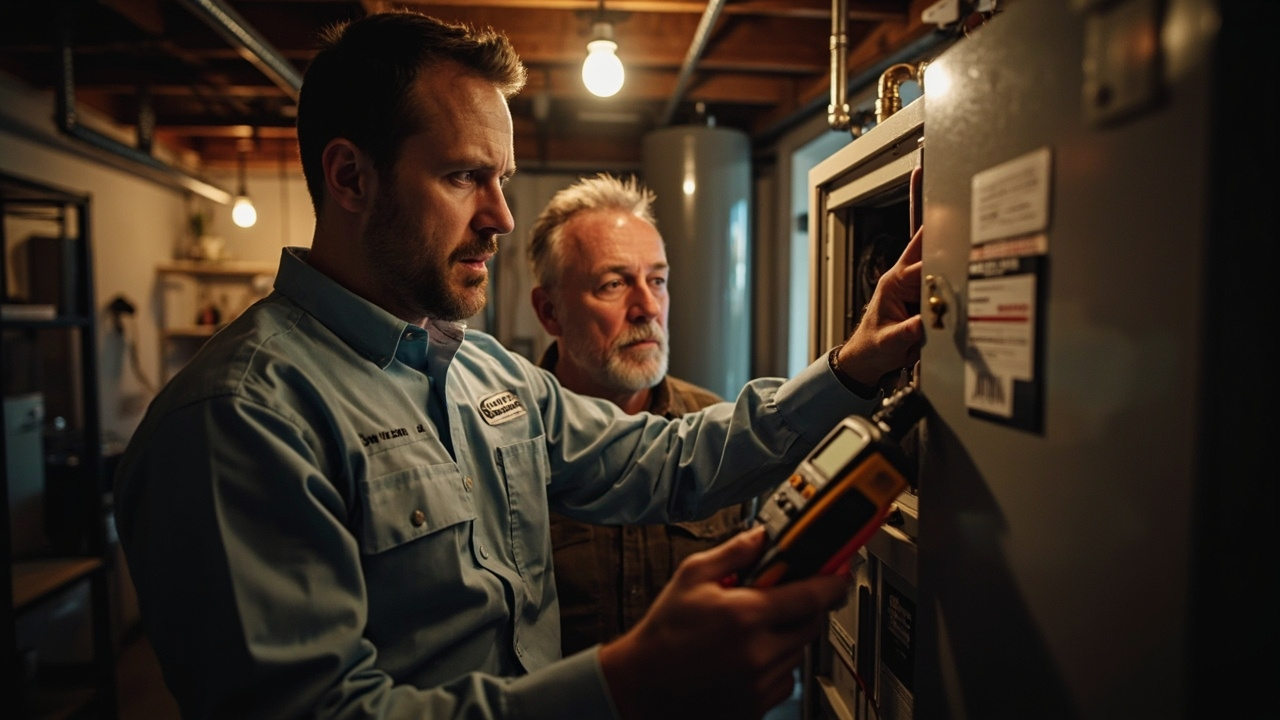
First, we verify power delivery. For gas units, we test the thermocouple voltage, gas valve operation, and pilot assembly continuity. For electric units, we measure voltage at the breaker, disconnect, and heating element terminals. Low voltage readings indicate wiring faults. No voltage points to breaker trips or utility supply interruptions.

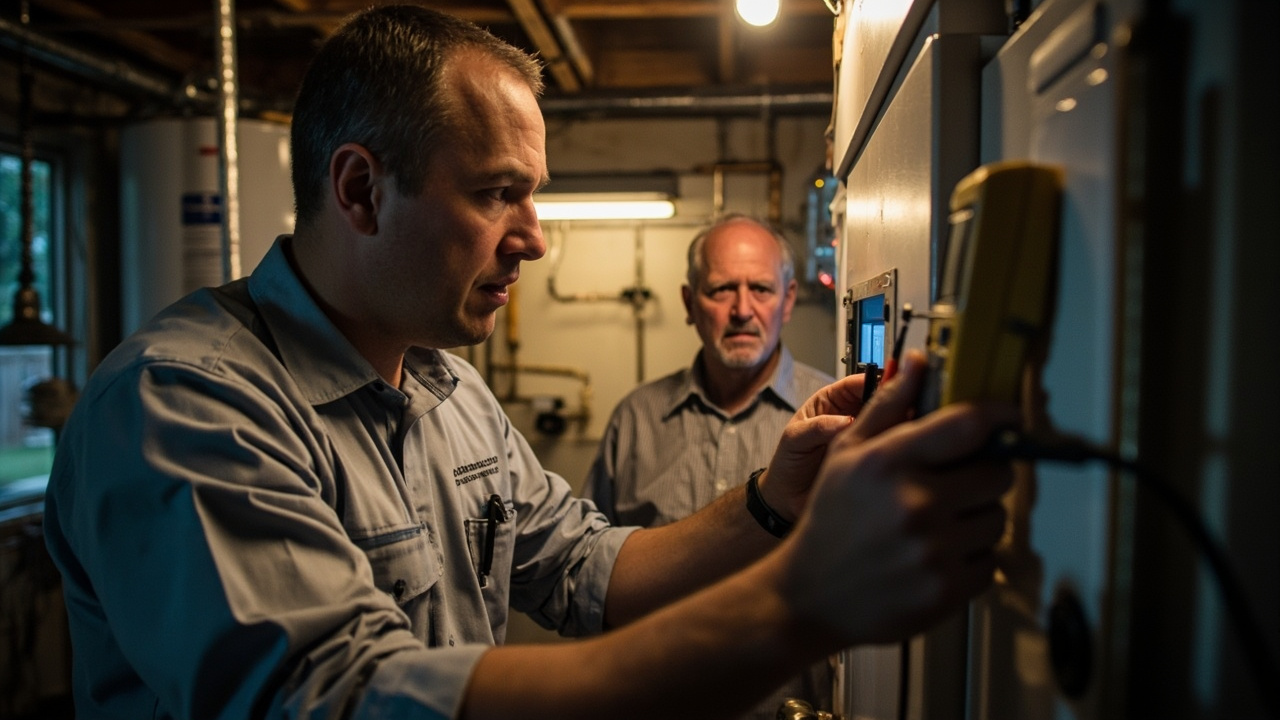
Second, we diagnose lack of hot water by testing the thermostats. Upper and lower thermostats regulate heating element cycles. We use a multimeter to check continuity and calibration. A stuck thermostat keeps elements off. A miscalibrated thermostat cycles elements at the wrong temperature.

Third, we inspect the heating elements themselves. Sediment buildup on electric elements creates resistance that prevents proper heating. We test element resistance with an ohmmeter. Readings outside the manufacturer's specified range indicate element failure.

Fourth, we evaluate water delivery components. The dip tube directs incoming cold water to the tank bottom for heating. When it breaks, cold water mixes directly with hot water at the outlet. We inspect the tube through the cold water inlet port. We also check the pressure relief valve for leaks that dump heated water before it reaches your taps.

Fifth, we measure tank recovery rate. We drain a specific volume of hot water, then time how long the unit takes to reheat. Slow recovery indicates sediment accumulation, undersized heating elements, or failing burners.

This process identifies water heater issues without guessing. You pay only for the repair you need, not the repair someone thinks might work.

What Happens During Your Water Heater Diagnosis

No Hot Water Diagnosis in Providence – Expert Troubleshooting That Identifies the Problem Fast
01

Initial System Assessment

We start by documenting when you lost hot water and what symptoms you noticed. Intermittent hot water indicates different failures than complete loss. We check the age of your unit, fuel type, and tank capacity. We verify power supply and gas delivery before opening any panels. This prevents service calls where the fix is a tripped breaker or closed gas valve.
02

Component-Level Testing

We test each component using diagnostic meters and visual inspection. Gas units get combustion analysis to measure flame efficiency. Electric units get voltage and resistance readings at each element and thermostat. We inspect the anode rod, dip tube, and pressure relief valve. We drain a sample from the bottom drain valve to check sediment levels. This step identifies the exact failed component.
03

Diagnosis Report and Options

We explain what failed and why. You get a clear breakdown of repair options with realistic timelines. If the tank itself is corroded or leaking, we discuss replacement. If a component failed but the tank is sound, we quote the repair. You decide which option fits your budget and timeline. We do not upsell unnecessary services. You get the facts, then you choose.

Why Providence Homeowners Choose Our Diagnostic Service

Providence's housing stock includes many triple-deckers and older single-family homes with basement water heaters installed in tight crawl spaces. Diagnosing units in confined areas requires technicians who can work efficiently in limited access conditions. We train specifically for the building configurations common to Federal Hill, College Hill, and the West End.

Rhode Island amended its plumbing code to require seismic strapping and expansion tank installations on replacement units. When we diagnose a failing water heater, we also assess whether your current installation meets updated code requirements. This prevents compliance issues during future home sales or inspections.

We understand Providence's water supply characteristics. The city draws from the Scituate Reservoir, which delivers moderately hard water with elevated mineral content compared to coastal New England towns. This accelerates anode rod depletion and sediment buildup. Our diagnostic process accounts for these local water quality factors when we evaluate component lifespan and failure patterns.

Many Providence residents live in multi-family properties where water heater access requires coordinating with landlords or property managers. We handle the communication and scheduling complexities that come with rental properties and owner-occupied multi-units. You get the diagnosis completed without delays caused by access issues.

Our technicians carry diagnostic equipment calibrated for both gas and electric units. We stock test meters, combustion analyzers, and inspection cameras in every truck. You do not wait days for specialized equipment to arrive. We complete the full diagnosis during the initial visit in most cases.

When you call Cornerstone Plumbing Providence, you get technicians who know the difference between a failed thermocouple and a clogged pilot orifice. We diagnose the actual problem, not the easiest problem to fix.

What You Can Expect From Our Diagnostic Visit

Same-Day and Next-Day Availability

We schedule diagnostic appointments within 24 hours of your call in most cases. No hot water creates immediate hardship for families and businesses. We prioritize diagnostic calls because accurate diagnosis is the first step toward restoring hot water. Morning appointments typically run between 8 AM and noon. Afternoon slots run from 1 PM to 5 PM. We provide a two-hour arrival window and call 30 minutes before arrival. Emergency diagnostic service is available for urgent situations where water heater failure creates safety hazards or property damage risks.

Comprehensive Component Testing

Our diagnostic visit includes testing every component that affects hot water production. We measure voltage, resistance, continuity, and pressure at multiple points in the system. Gas units get combustion analysis to check flame quality and BTU output. Electric units get element resistance testing and thermostat calibration checks. We inspect the tank interior using a borescope when necessary. We test the pressure relief valve, check the anode rod condition, and evaluate sediment accumulation. You receive a written diagnostic report that lists each component tested, the test results, and our findings.

Clear Explanation of the Problem

We explain what failed in plain language. You see the failed component and understand why it stopped working. We show you the test readings that led to our diagnosis. If sediment caused the problem, we show you the buildup. If a heating element burned out, we show you the broken element. You do not get technical jargon you cannot understand. You get clear answers about what broke and why. We then explain your repair and replacement options with realistic cost ranges and timelines so you can make an informed decision.

Diagnostic Fee and Repair Credit

We charge a diagnostic fee that covers the technician's time, testing equipment, and written report. If you choose to proceed with repairs or replacement through Cornerstone Plumbing Providence, we credit the diagnostic fee toward your total service cost. This means you pay for the diagnosis only if you choose not to repair. If you repair with us, the diagnostic cost becomes part of the repair price. We provide upfront pricing before any work begins. You approve the cost before we start the repair.

Frequently Asked Questions

You Have Questions,
We Have Answers

What is the most common cause of no hot water? +

A failed heating element causes most no hot water issues in electric water heaters. In gas units, a malfunctioning pilot light or thermocouple is the typical culprit. Providence homes with older water heaters often face sediment buildup from hard water, which insulates the heating element and reduces efficiency. The thermostat can also fail, preventing the unit from heating water to the set temperature. Tripped breakers affect electric models, while gas supply interruptions impact gas heaters. Age matters too. Units over 10 years old experience more frequent component failures due to wear and corrosion.

How to diagnose no hot water? +

Start by checking your circuit breaker or pilot light, depending on your system type. For electric heaters, test the reset button on the thermostat. Check the temperature setting, it should be around 120 degrees. Listen for unusual sounds like popping or hissing, which indicate sediment buildup. Feel the pipes, if cold water pipes feel warm, you have a crossover issue. Test multiple faucets to determine if the problem is isolated or whole-house. In Providence's older housing stock, inspection panels may be painted shut or corroded. If basic checks reveal nothing, call a licensed plumber for proper diagnosis.

Is it an emergency if you don't have hot water? +

No hot water is not typically an emergency unless you have young children, elderly residents, or medical conditions requiring hot water access. However, certain warning signs demand immediate attention. If you smell gas near your water heater, evacuate and call the gas company immediately. Water pooling around the unit suggests a dangerous leak that can cause structural damage. Strange noises or visible corrosion indicate imminent failure. During Providence winters, frozen pipes can burst without hot water circulation. For most households, no hot water is an urgent inconvenience requiring same-day service, not a true emergency.

Why have I suddenly got no hot water? +

Sudden hot water loss usually means a component just failed. The heating element or thermostat may have burned out. Gas water heaters lose hot water when the pilot light extinguishes or the gas valve fails. Power surges during Providence's coastal storms can trip breakers or damage electrical components. A water main break in your neighborhood can introduce sediment that clogs the dip tube. Check if neighbors have hot water, this indicates a broader issue. Sudden failure in units under five years old often points to a defective part, while older systems simply wear out from constant thermal cycling.

Why is my hot water not working but the cold is? +

This symptom isolates the problem to your water heater, not your plumbing. Your cold water supply is fine, but the heating mechanism is not working. Check the power supply first. Electric heaters need both circuit breakers on, some have a double breaker. Gas models require a lit pilot light and open gas valve. The thermostat may have failed or been accidentally adjusted. In Providence homes with combination boiler systems, a faulty zone valve can prevent hot water flow while heating works fine. Sediment buildup can also block hot water distribution. This problem always requires professional diagnosis to identify the failed component.

How long can they leave you with no hot water? +

There is no legal timeframe requiring landlords to restore hot water in Rhode Island, but courts consider it essential to habitability. Most judges expect repairs within 24 to 48 hours. Document everything with photos and written requests. For homeowners, repair timing depends on parts availability and contractor schedules. Most Providence plumbers offer same-day or next-day service for hot water failures. Simple fixes like replacing a heating element take two to three hours. Full tank replacements require four to six hours. Winter delays happen due to frozen ground conditions affecting outdoor units. Never wait longer than 72 hours without escalating.

When should I call a plumber for no hot water? +

Call a plumber immediately if you see water pooling around your heater, smell gas, or hear loud banging sounds. These indicate dangerous conditions. For standard no hot water situations, call within 24 hours. Providence's freeze-thaw cycles make winter outages more urgent, frozen pipes can burst without hot water circulation. If you reset the unit and hot water returns but fails again within hours, call right away, this pattern signals a failing component. Do not attempt repairs on gas lines or electrical connections yourself. Licensed plumbers have proper tools and safety equipment to diagnose issues without creating hazards.

What is the most common part failure that causes no heat? +

The heating element fails most often in electric water heaters, causing complete hot water loss. These metal rods corrode from constant immersion and electrical current. Gas water heaters experience frequent thermocouple failures, which shut off gas flow as a safety measure. The thermostat ranks as the third most common failure point across both system types. In Providence's humid climate, electrical connections corrode faster, causing intermittent failures before complete breakdown. Anode rods also fail but cause gradual decline rather than sudden loss. Units over eight years old face higher failure rates as multiple components approach end of life simultaneously.

How to reset boiler for hot water? +

Locate the reset button on your boiler, usually red and near the burner or control panel. Turn the boiler off and wait five minutes for components to cool. Press and hold the reset button for three to five seconds until you hear a click. Turn the system back on and wait 10 minutes for water to heat. If the boiler does not fire up or trips again within an hour, you have a deeper issue requiring professional service. Providence homes with older boilers may have reset buttons behind access panels. Never reset more than twice, repeated tripping indicates a serious malfunction that needs diagnosis.

Who do you call when your water doesn't get hot? +

Call a licensed plumber who specializes in water heater diagnosis and repair. They have proper tools to test electrical components, gas pressure, and thermostats accurately. Avoid general handymen for water heater issues, improper repairs create safety hazards. In Providence, look for plumbers familiar with the mix of old and new systems common in the area's varied housing stock. Emergency plumbers offer 24-hour service for urgent situations. For insurance claims or rental properties, get written diagnostic reports documenting the failure cause. Always verify licensing and insurance before allowing work on gas or electrical systems. Proper diagnosis prevents repeat failures and unnecessary replacements.

How Providence's Hard Water Accelerates Water Heater Failure

Providence's municipal water supply delivers 120 to 150 milligrams per liter of total dissolved solids, which places it in the moderately hard category. Calcium carbonate accumulates at the tank bottom faster than in soft water regions. This sediment layer insulates water from the heat source and forces heating elements or burners to run longer cycles. Extended heating cycles accelerate component wear and increase energy costs. Diagnosing lack of hot water in Providence almost always reveals sediment as a contributing factor. Regular flushing extends water heater life, but once sediment hardens into scale, you need professional diagnosis to determine whether the tank can be salvaged or requires replacement.

Rhode Island's plumbing code requires licensed journeyman or master plumbers to perform water heater repairs and replacements. The state does not allow unlicensed handymen to work on fuel-burning appliances or pressurized water systems. When you hire Cornerstone Plumbing Providence for water heater diagnosis, you work with technicians who hold active Rhode Island licenses and carry liability insurance. This protects you from code violations that can complicate home sales or insurance claims. Providence's inspection department enforces permit requirements strictly. Our diagnostic service includes code compliance review so you know whether your current installation meets local standards.

Plumbing Services in The Providence Area

We are proud to serve the entire Providence area and its surrounding communities. Our team is strategically located to ensure a fast response time for both emergency and scheduled services. Use the map to get a visual of our primary service area, or simply give us a call to confirm if your location is within our coverage. We look forward to helping you with all of your plumbing needs.

Address:
Cornerstone Plumbing Providence, 1 State St, Providence, RI, 02908

Additional Services We Offer

Our news updates

Latest Articles & News from The Blogs

Kohler vs. TOTO (Which High-Efficiency Toilet Fits Your Fox Point Bathroom Best?) Fox Point homeowners face unique bathroom challenges with…

Kohler vs. TOTO (Which High-Efficiency Toilet Fits Your Fox Point Bathroom Best?)

Kohler vs. TOTO (Which High-Efficiency Toilet Fits Your Fox Point Bathroom Best?) Fox Point homeowners face unique bathroom challenges with…

Why High Water Pressure is Actually Ruining the Plumbing in Your College Hill Home

Why High Water Pressure is Actually Ruining the Plumbing in Your College Hill Home Water pressure that seems normal to…

Comparing the Best Sump Pump Brands for Mount Pleasant Basements

Comparing the Best Sump Pump Brands for Mount Pleasant Basements Mount Pleasant homeowners face unique basement flooding risks due to…

Contact Us

Stop guessing what broke your water heater. Call Cornerstone Plumbing Providence at (401) 240-9711 for professional diagnosis that identifies the exact problem. We schedule appointments fast and explain your repair options clearly. Get your hot water back.