




Menu

Understanding Backflow Testing in Providence – Your Complete Guide to Compliance and Safe Water

Learn everything Providence property owners need to know about backflow prevention assembly testing, state-mandated annual backflow certification requirements, and how proper testing protects your water supply from contamination.

Slider Image 1
Slider Image 2
Slider Image 3
Slider Image 4
Slider Image 5
Slider Image 7
Slider Image 8
Slider Image 9
Slider Image 10
Slider Image 11

Why Providence Property Owners Need to Know About Backflow Testing

Your property's water system works under pressure to deliver clean water to every faucet and fixture. But when that pressure drops or reverses, contaminated water can flow backward into the public water supply. This is backflow, and it poses a serious health risk to entire neighborhoods.

Providence property owners face unique backflow risks due to the city's aging infrastructure and the prevalence of multi-family buildings in neighborhoods like Federal Hill and College Hill. Many of these structures have complex plumbing configurations that increase contamination risks. The Rhode Island Department of Health requires annual backflow certification for commercial properties and certain residential installations to protect public water quality.

Backflow prevention assembly testing is not optional in Providence. The Providence Water Supply Board enforces strict water backflow testing requirements for any property with irrigation systems, fire suppression systems, or connections to commercial equipment. Missing your annual inspection can result in fines and potential water service disconnection.

Understanding backflow device testing procedures helps you stay compliant and protects your property investment. Most backflow incidents occur during water main breaks, which happen frequently in Providence's older neighborhoods during freeze-thaw cycles. A properly tested backflow preventer acts as a one-way valve, stopping contaminated water from entering the clean water supply even when pressure fluctuates.

The testing process involves checking pressure differentials, valve integrity, and air gap functionality. A certified backflow preventer inspection identifies wear before it becomes a compliance issue or health hazard.

Why Providence Property Owners Need to Know About Backflow Testing
How Backflow Prevention Testing Actually Works

How Backflow Prevention Testing Actually Works

Backflow prevention assembly testing follows specific protocols mandated by the Rhode Island Plumbing Code. A certified tester uses specialized gauges to measure pressure differentials across the device's check valves and relief valve. This is not a visual inspection. The testing equipment reveals performance issues invisible to the eye.

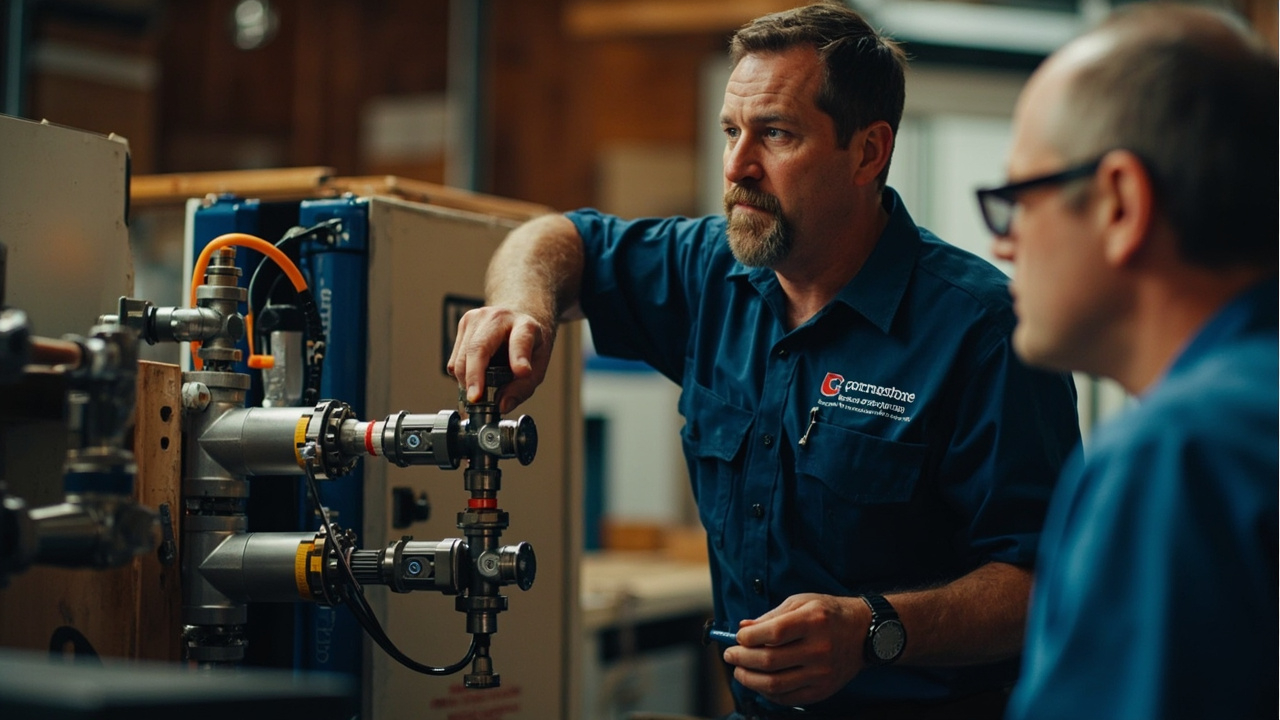
The process begins with isolating the backflow assembly from the water system. The tester attaches calibrated pressure gauges to designated test cocks on the device. For reduced pressure zone assemblies, the most common type in Providence commercial buildings, the tester measures the pressure drop across both check valves and verifies the relief valve opens at the correct differential.

During water backflow testing requirements verification, the technician creates specific pressure conditions to simulate backflow scenarios. The first check valve must maintain a minimum pressure differential, typically nine PSI, to prevent reverse flow. The second check valve provides redundant protection. The relief valve must open if pressure in the intermediate chamber rises, dumping contaminated water before it reaches the potable supply.

Double check valve assemblies use a different testing protocol but serve the same purpose. These devices are common in Providence residential irrigation systems and require annual backflow certification to remain compliant.

Testing takes 20 to 45 minutes per device depending on configuration and condition. Failed components require immediate repair or replacement. You cannot delay repairs and remain in compliance. The tester submits results directly to Providence Water Supply Board within ten days of the backflow preventer inspection.

What Happens During Your Backflow Testing Appointment

Understanding Backflow Testing in Providence – Your Complete Guide to Compliance and Safe Water
01

Device Location and Preparation

The certified tester locates your backflow assembly, typically found near the water meter or where the main service line enters the building. They verify the device type and model number against Providence Water records. The tester shuts off downstream water supply and alerts occupants about the temporary service interruption. Proper identification prevents testing errors and ensures accurate documentation for your annual backflow certification submission.
02

Pressure Differential Testing

Using calibrated test equipment, the technician measures how well each valve maintains required pressure differentials. They create controlled pressure conditions that simulate backflow scenarios, checking if relief valves open at the correct thresholds and if check valves hold against reverse flow. This phase reveals valve wear, debris buildup, or mechanical failures that compromise protection. The testing equipment provides precise readings that determine pass or fail status according to water backflow testing requirements.
03

Documentation and Compliance Filing

After completing the backflow prevention assembly testing, the tester documents all pressure readings and device conditions on the official test report form. You receive a copy immediately, and the tester files the results with Providence Water Supply Board to update your compliance status. If the device passed, you are compliant for one year. If repairs are needed, you receive a detailed explanation of required fixes and a deadline for retesting.

Why Local Expertise Matters for Providence Backflow Testing

Backflow testing in Providence requires more than technical certification. It demands familiarity with local water system quirks, building code interpretations, and the specific requirements of Providence Water Supply Board.

Cornerstone Plumbing Providence understands which backflow assemblies are required for different property types in the city. We know that irrigation systems in the East Side's historic homes often need reduced pressure zone assemblies because of the proximity to the Seekonk River watershed. We understand that multi-family buildings in Mount Pleasant face different requirements than single-family homes in Elmhurst.

Our technicians carry Rhode Island state backflow certification and maintain calibrated testing equipment that meets American Water Works Association standards. This is not a side service for us. We conduct backflow preventer inspections throughout Providence year-round and understand the seasonal scheduling challenges property managers face.

We file test results directly with Providence Water Supply Board through their electronic submission system, which speeds up your compliance confirmation. Many out-of-area testers still use paper forms that delay processing and can result in unnecessary violation notices.

When your device fails testing, we provide same-day repair estimates and can source replacement parts for older assemblies common in Providence's building stock. We stock components for Wilkins, Watts, and Ames backflow preventers, the brands most frequently installed in Providence commercial and residential properties.

We also help property owners understand their testing schedules. Providence Water sends annual notices, but those letters often arrive at outdated addresses. We maintain client testing calendars and send advance reminders so you never miss your compliance deadline.

What Property Owners Should Expect From Professional Backflow Testing

Testing Timeline and Scheduling

Annual backflow certification must occur within the anniversary month of your last test to maintain continuous compliance. Most testing appointments take 30 to 60 minutes including setup and documentation. We schedule appointments during your preferred hours to minimize disruption. Water service is typically interrupted for 15 to 30 minutes during the actual testing procedure. Commercial properties should schedule testing during off-peak hours when water demand is lowest. We provide 24-hour advance notice for all appointments and confirm the specific time window. Emergency testing for real estate transactions or after repairs can usually be scheduled within three business days.

The Testing and Inspection Process

Our certified technicians use Hydro-Test differential pressure gauges calibrated to one-tenth PSI accuracy. The backflow device testing procedures follow the University of Southern California Foundation for Cross-Connection Control protocols adopted by Rhode Island. We test all check valves, relief valves, and shutoff valves according to manufacturer specifications. The inspection includes visual assessment for leaks, corrosion, and proper installation orientation. We verify that the device is installed at least 12 inches above grade as required by Providence building codes. You receive verbal results immediately after testing. The written report includes all pressure readings, valve conditions, and specific repair recommendations if the assembly failed.

Test Results and Certification

Passing devices receive immediate certification valid for one year from the test date. We provide you with a stamped and signed test report for your records. The original report goes to Providence Water Supply Board within five business days through their online portal. Your compliance status updates in their system within two weeks. Failed devices require repair or replacement before retesting. We provide detailed failure explanations in plain language, not just code violations. Most repairs involve replacing rubber seals, springs, or check valve modules. Complete assembly replacement is only necessary for severely corroded or damaged units. Retesting after repairs follows the same procedure and carries no additional compliance fees beyond our service charges.

Ongoing Compliance Support

We maintain testing records for all clients and send reminder notices 60 days before your next annual backflow certification is due. This advance notice helps property managers budget for the service and schedule around other maintenance activities. We also monitor Providence Water Supply Board compliance databases to alert clients if violation notices are issued due to filing errors or missed deadlines. Multi-property owners receive consolidated scheduling and reporting across all their Providence locations. We can establish recurring annual appointments that automatically renew, ensuring you never fall out of compliance. Our client portal provides 24/7 access to all historical test reports, useful during property sales or refinancing when lenders request backflow documentation.

Frequently Asked Questions

You Have Questions,
We Have Answers

How to read a backflow test report? +

A backflow test report shows specific pressure readings from your device. Look for the check valve and relief valve results. The report lists differential pressure in PSI for each component. You will see pass or fail next to each test section. A passing report means both check valves hold pressure above minimum thresholds and the relief valve opens at the correct PSI. If you see fail marked anywhere, repair is required before retesting. Providence Water requires annual testing, so keep your reports on file. The certified tester's license number and test date must appear on every report.

How does backflow testing work? +

Backflow testing measures whether your preventer stops contaminated water from reversing into Providence's drinking water supply. A certified tester attaches gauges to test ports on your device. They shut off downstream water flow and measure pressure drops across check valves. The tester also checks if the relief valve opens at the correct pressure. The entire process takes 15 to 30 minutes. The tester records all readings on an official form. They submit passing results directly to Providence Water. If your device fails, you must repair or replace it before retesting.

What are the basics of backflow preventer? +

A backflow preventer is a mechanical valve that protects drinking water from contamination. It contains internal check valves that close when water tries to flow backward. These devices install at your property line or on specific fixtures. Providence building codes require them on irrigation systems, commercial buildings, and properties with fire suppression systems. Preventers come in different types based on hazard level. Residential properties often use pressure vacuum breakers or reduced pressure zone devices. You must test your preventer annually through a state-certified tester to stay compliant with local water authority rules.

Do all plumbers do backflow testing? +

No. Backflow testing requires state certification separate from a standard plumbing license. The tester must complete specialized training on cross-connection control and pass a Rhode Island Department of Health exam. Not every plumber holds this certification. When you need testing in Providence, verify the technician carries current Rhode Island backflow tester credentials. Some plumbing companies employ certified testers on staff. Others only handle installation and repairs. Always ask for the tester's certification number before scheduling. Providence Water maintains a list of approved testers for your reference.

How to read water testing results? +

Water testing results show contaminant levels measured in parts per million or parts per billion. Compare your numbers against EPA maximum contaminant levels. Results list specific substances tested, like lead, bacteria, or nitrates. Numbers below regulatory limits mean your water meets safety standards. Higher numbers require action. For backflow testing specifically, you are looking at pressure readings in PSI, not water quality. The test measures mechanical function, not contamination. If you are concerned about water quality in Providence, request a separate chemical analysis from a certified lab.

What numbers are passing on the RP backflow test? +

A reduced pressure zone device passes when the first check valve shows at least 5 PSI differential and the second check valve shows at least 3 PSI differential. The relief valve must open between 2 and 4 PSI lower than the inlet pressure. These numbers prove the check valves hold against backpressure and the relief valve opens if pressure drops. Any reading below these thresholds means failure. Providence commercial properties commonly use RP devices because they offer the highest protection. Your certified tester records exact PSI readings on the official report form.

Is backflow testing hard? +

Backflow testing requires precision and specific knowledge, but certified testers handle it efficiently. The mechanical process is straightforward for trained professionals. They attach gauges, open and close valves in sequence, and record pressure readings. The difficulty comes from understanding hydraulics and interpreting results correctly. Rhode Island requires certification because improper testing puts public water at risk. For property owners in Providence, testing is easy. You schedule the appointment and the certified tester does the work. You just need to provide access to your device and maintain it between annual tests.

What happens if you fail a backflow test? +

When your backflow preventer fails, you cannot pass inspection until you complete repairs. The tester tags your device and reports the failure to Providence Water. You must hire a licensed plumber to replace worn check valves, springs, or seals. After repairs, schedule a retest with a certified tester. You pay for both the failed test and the retest. Providence may issue notices if you delay repairs beyond the compliance deadline. Failed devices risk contaminating the municipal water supply. Address failures immediately to avoid fines and protect public health.

What are the two conditions that can cause backflow? +

Backpressure and backsiphonage cause backflow. Backpressure happens when downstream pressure exceeds supply pressure, forcing water backward. This occurs when pumps, boilers, or elevated tanks create higher pressure than the municipal main. Backsiphonage happens when supply pressure drops below atmospheric pressure, creating suction. Water main breaks, heavy firefighting demand, or pump failures cause this in Providence. Both conditions pull contaminated water from your property into the drinking water system. Backflow preventers stop this reversal mechanically. Understanding these conditions explains why annual testing matters for public health.

What are the four types of backflow preventers? +

The four main types are atmospheric vacuum breakers, pressure vacuum breakers, double check valves, and reduced pressure zone devices. Atmospheric vacuum breakers work on non-continuous pressure applications like hose bibs. Pressure vacuum breakers handle continuous pressure on irrigation systems. Double check valves protect against low-hazard backpressure in commercial buildings. Reduced pressure zone assemblies offer maximum protection for high-hazard applications. Providence building codes specify which type you need based on hazard level. Your property use determines the correct device. Irrigation systems, fire suppression, and chemical injection each require different protection levels.

Why Providence's Aging Water Infrastructure Makes Backflow Testing Critical

Providence's water distribution system includes cast iron mains installed in the early 1900s throughout downtown and the surrounding residential neighborhoods. These aging pipes experience frequent pressure fluctuations during repairs, creating ideal conditions for backflow events. The city averages 120 water main breaks annually, concentrated in the winter months when freeze-thaw cycles stress the infrastructure. Each break creates temporary pressure drops that can pull contaminated water backward through unprotected connections. The neighborhoods near Roger Williams Park and along the Woonasquatucket River corridor face additional risks from high water tables that increase soil pressure on aging pipes. This combination of old infrastructure and natural conditions makes annual backflow certification essential for protecting both your property and the broader Providence water supply.

Providence Water Supply Board maintains one of the most comprehensive backflow prevention programs in Rhode Island, with over 4,000 registered assemblies requiring annual testing. Local testers must understand the specific reporting requirements and deadlines that differ from state minimums. The board requires electronic filing through their proprietary system, not the generic state forms many regional plumbers use. Cornerstone Plumbing Providence has established relationships with Providence Water compliance staff and understands their interpretation of gray areas in the code. We know which device types they require for specific applications and can guide property owners through the installation approval process for new backflow assemblies. This local knowledge prevents compliance issues before they start and ensures your water backflow testing requirements are met correctly the first time.

Plumbing Services in The Providence Area

We are proud to serve the entire Providence area and its surrounding communities. Our team is strategically located to ensure a fast response time for both emergency and scheduled services. Use the map to get a visual of our primary service area, or simply give us a call to confirm if your location is within our coverage. We look forward to helping you with all of your plumbing needs.

Address:
Cornerstone Plumbing Providence, 1 State St, Providence, RI, 02908

Additional Services We Offer

Our news updates

Latest Articles & News from The Blogs

Kohler vs. TOTO (Which High-Efficiency Toilet Fits Your Fox Point Bathroom Best?) Fox Point homeowners face unique bathroom challenges with…

Kohler vs. TOTO (Which High-Efficiency Toilet Fits Your Fox Point Bathroom Best?)

Kohler vs. TOTO (Which High-Efficiency Toilet Fits Your Fox Point Bathroom Best?) Fox Point homeowners face unique bathroom challenges with…

Why High Water Pressure is Actually Ruining the Plumbing in Your College Hill Home

Why High Water Pressure is Actually Ruining the Plumbing in Your College Hill Home Water pressure that seems normal to…

Comparing the Best Sump Pump Brands for Mount Pleasant Basements

Comparing the Best Sump Pump Brands for Mount Pleasant Basements Mount Pleasant homeowners face unique basement flooding risks due to…

Contact Us

Stay compliant and protect your water supply with certified backflow testing from local experts who understand Providence requirements. Call Cornerstone Plumbing Providence at (401) 240-9711 to schedule your annual backflow certification or ask questions about your testing obligations. We provide clear answers and reliable service.