Everything You Need to Know About Hydronic Radiant Floor Heating for College Hill Homes
Hydronic radiant floor heating offers College Hill homeowners a modern solution for warming historic homes without the bulky radiators or ductwork that can disrupt original architecture. This system circulates warm water through PEX tubing installed beneath your floors, creating even heat that rises naturally from the ground up. For Providence’s cold winters, radiant heat provides consistent comfort while preserving the character of your 19th-century home. Radiant Professionals Alliance.
Why College Hill Homes Benefit from Radiant Heat
College Hill’s historic district features homes built between 1800 and 1900, many with original hardwood floors, high ceilings, and plaster walls. Traditional heating systems can damage these features or create uneven temperatures in rooms with tall ceilings. Radiant floor heating solves both problems by working silently beneath your existing floors while delivering heat where you need it most.
The system’s efficiency shines in Providence’s climate, where winter temperatures regularly drop below freezing. Unlike forced-air systems that lose heat through ductwork, radiant heating delivers 95% of its energy directly to your living space. This translates to lower utility bills and more consistent comfort throughout your home.
College Hill’s older homes often have drafty windows and doors that make traditional heating less effective. Radiant systems counteract these drafts by warming the entire floor surface, creating a thermal barrier that reduces heat loss through your home’s envelope.
Hydronic vs. Electric Radiant Systems for Providence Homes
Choosing between hydronic and electric radiant heating depends on your home’s size, existing infrastructure, and heating needs. Hydronic systems use a boiler to heat water that circulates through PEX tubing, while electric systems use resistance cables or mats installed beneath the floor. What to Do if Your Federal Hill Water Heater Starts Leaking Everywhere.
| Feature | Hydronic Systems | Electric Systems |
|---|---|---|
| Operating Cost | 30-50% lower in Providence | 2-3x higher per BTU |
| Installation Cost | $12-18 per square foot | $8-12 per square foot |
| Best For | Whole-house heating | Bathrooms, small areas |
| Energy Source | Natural gas, oil, or propane | Electricity only |
| Retrofit Difficulty | Moderate to high | Low to moderate |
Hydronic systems work best for College Hill homes because they integrate with existing boiler setups common in older Providence houses. Most historic homes already have boiler systems, making the transition to radiant heating more cost-effective than installing entirely new equipment.
Electric systems shine in specific applications like bathroom floors or small additions where extending existing plumbing would be impractical. However, the higher operating costs make them less suitable for whole-house heating in Providence’s long heating season.
Retrofitting Historic College Hill Homes for Modern Comfort
Installing radiant floor heating in a 19th-century home requires careful planning to preserve original features while meeting modern building codes. The process starts with a heat loss calculation that accounts for your home’s specific construction, window types, and insulation levels.
Most College Hill homes have wood-framed floors with 2×8 or 2×10 joists. We install PEX tubing in aluminum heat transfer plates attached to the underside of the subfloor, allowing heat to rise through the finished flooring above. This “staple-up” method preserves your existing floors while providing excellent heat transfer.
For homes with crawl spaces or unfinished basements, we can access the floor from below without disturbing finished rooms above. This approach works well in College Hill’s multi-story homes where you want to add radiant heat to upper floors without major demolition.
The Rhode Island State Building Code SBC-3 requires specific installation methods for hydronic heating systems, including pressure testing of all tubing before concrete pours and proper insulation beneath heated slabs. We follow these requirements exactly, ensuring your system meets all local codes. Rhode Island Energy Efficiency Programs.
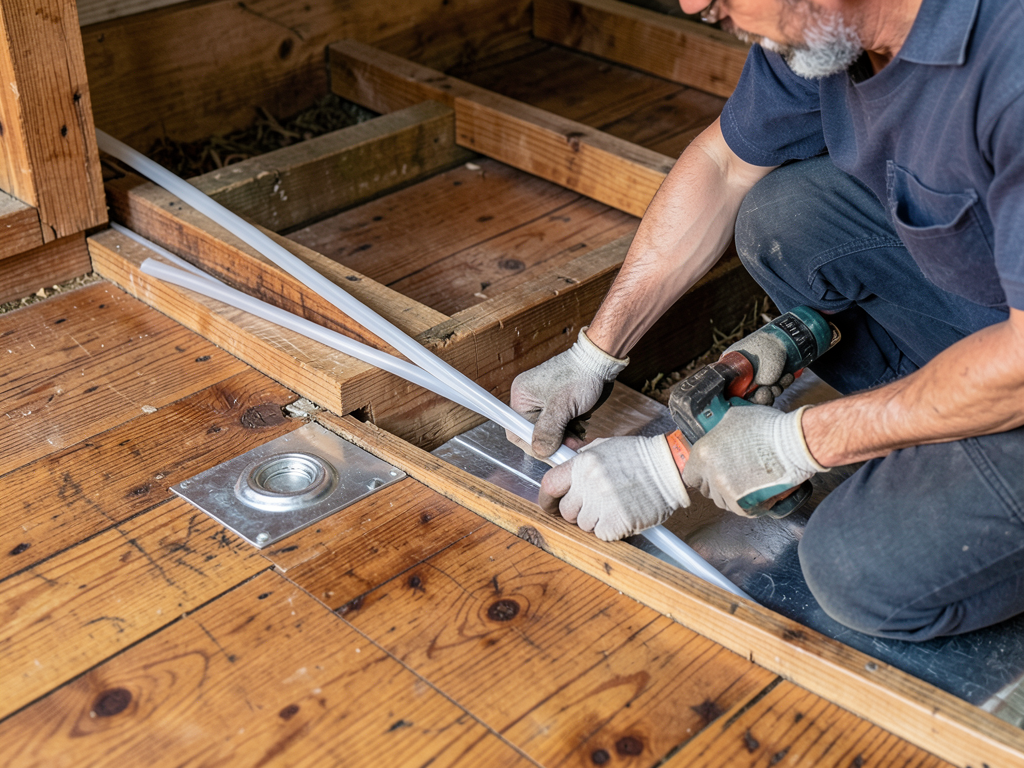
Image Description: Technician installing PEX tubing in aluminum heat transfer plates beneath a historic hardwood floor, showing the careful preservation of original joists and subfloor structure.
The Installation Process: What to Expect
Installing radiant floor heating typically takes 3-5 days for a single room, depending on the complexity of your floor structure and existing utilities. Here’s what happens during a typical installation: Reliable Sump Pump Installation for Elmhurst Homeowners Facing Wet Basements.
- Site Assessment and Heat Loss Calculation
We measure your rooms, evaluate existing heating systems, and calculate the BTU requirements for each space based on College Hill’s climate data and your home’s specific construction.
- System Design and Layout Planning
Our engineers create a custom tubing layout that ensures even heat distribution while avoiding conflicts with existing plumbing, electrical, and structural elements.
- Preparation and Protection
We protect your existing floors and walls with drop cloths and plastic sheeting. For second-floor installations, we seal off rooms below to contain dust. Who to Call for Safe Gas Line Installation in the West End.
- Installation of PEX Tubing and Plates
We secure aluminum heat transfer plates to your subfloor, then carefully install PEX tubing in the predetermined pattern, pressure testing each loop before covering.
- Connection to Boiler and Controls
We connect the tubing to your existing boiler or install a new high-efficiency unit, then wire the thermostats and control systems for zoned operation.
Throughout the process, we maintain strict dust control and protect your home’s historic features. We understand that College Hill homeowners value their property’s character, and we work to minimize disruption while delivering modern comfort.
Radiant Heat Maintenance and Repair in Rhode Island
Once installed, hydronic radiant systems require minimal maintenance compared to traditional heating systems. The PEX tubing has a 50+ year lifespan and resists corrosion that affects older copper pipes common in College Hill homes.
Annual maintenance includes checking system pressure, testing boiler efficiency, and inspecting manifold connections. We recommend professional service each fall before the heating season begins, especially for systems in older homes where water quality can affect component longevity. Professional Drain Cleaning Services for Historic Homes on the East Side.
Common issues in Providence’s climate include air trapped in the lines, which can cause gurgling sounds and reduce efficiency. Our technicians use specialized tools to purge air and restore optimal flow. We also check for leaks at manifold connections, which can develop over time due to thermal expansion and contraction.
For homes near Narragansett Bay, we pay special attention to corrosion protection. The high humidity can accelerate wear on certain components, so we use marine-grade materials in installations for waterfront properties.
If your system develops a leak, our leak detection equipment can pinpoint the exact location without damaging your floors. We use thermal imaging cameras and pressure testing to isolate problems quickly, minimizing repair time and cost. How to Get Fast Pipe Repair in Smith Hill Before the Next Big Freeze.
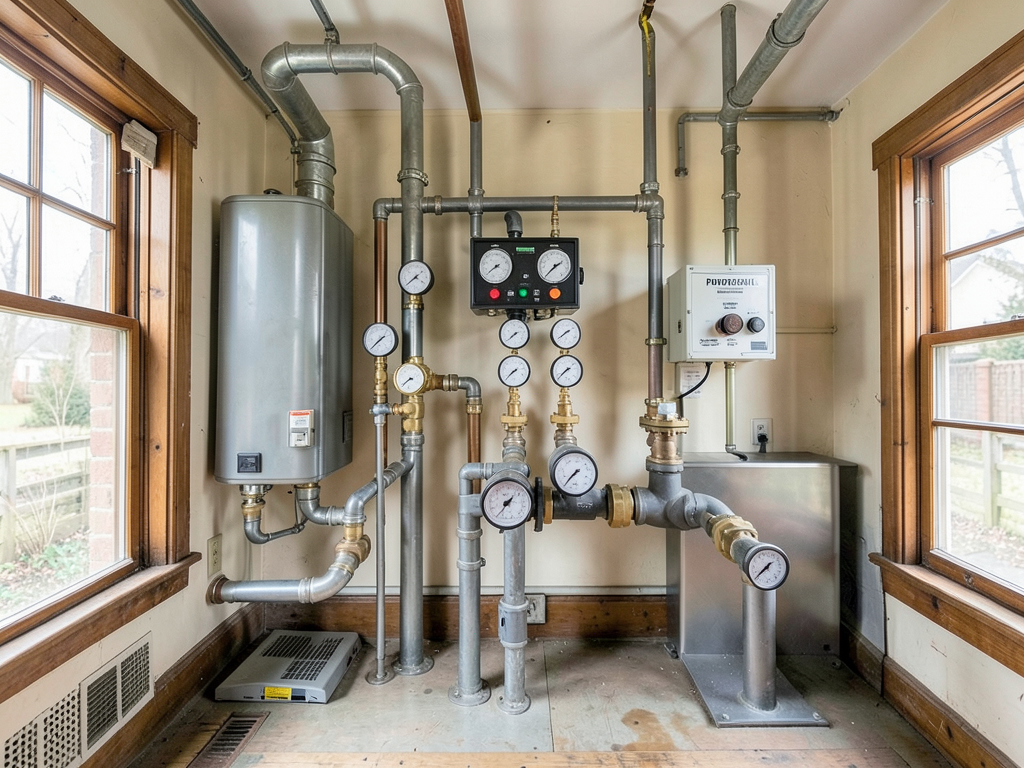
Image Description: Manifold distribution system showing individual zone controls, pressure gauges, and isolation valves for a multi-room radiant heating installation in a historic Providence home.
Energy Efficiency and Cost Considerations
Hydronic radiant heating typically reduces energy consumption by 15-30% compared to traditional forced-air systems in Providence homes. This efficiency stems from several factors unique to radiant heating technology.
First, radiant systems eliminate duct losses that can account for 30% of energy waste in forced-air setups. Second, the lower operating temperatures of radiant systems (typically 85-140°F compared to 150-200°F for baseboard heating) reduce fuel consumption while maintaining comfort.
College Hill’s older homes often have poor insulation by modern standards. Radiant heating compensates for this by creating a large, even heat source that warms objects and people directly rather than just the air. This approach feels warmer at lower air temperatures, allowing you to set your thermostat 2-4 degrees lower than with conventional heating.
The initial investment for a whole-house radiant system ranges from $15,000 to $35,000 depending on your home’s size and the extent of retrofitting required. However, the energy savings and increased home value typically provide a return on investment within 5-7 years.
Many College Hill homeowners also qualify for Rhode Island energy efficiency rebates when installing high-efficiency boilers with radiant systems. These incentives can offset 10-15% of the installation cost, making the upgrade more affordable.
Frequently Asked Questions
Can I install radiant heating under my existing hardwood floors?
Yes, we can install radiant heating beneath most existing hardwood floors using the staple-up method. We carefully assess your floor’s condition and thickness to ensure proper heat transfer without damaging the wood.
How long does it take for radiant floors to heat up?
Radiant floors typically reach operating temperature in 1-2 hours, depending on the floor’s thermal mass and the system’s design. Once heated, they maintain temperature efficiently throughout the day.
Will radiant heating raise my floors significantly?
No, most installations add less than 3/4 inch to your floor height. We design systems to minimize height increases while maintaining optimal heat transfer.
Can I use radiant heating with my existing boiler?
Often yes. Many older boilers in College Hill homes can be adapted for radiant heating with a heat exchanger and proper controls. We’ll evaluate your existing equipment during the initial assessment.
Is radiant heating safe for homes with children or pets?
Absolutely. Radiant heating operates at safe temperatures and eliminates hot surfaces like radiators or baseboard heaters that can cause burns. The system is completely enclosed and poses no safety risks.
Image Description: Before and after comparison showing a historic College Hill living room with traditional radiators replaced by invisible radiant floor heating, highlighting preserved architectural details and improved furniture placement.
Ready to Experience Radiant Comfort in Your College Hill Home?
Hydronic radiant floor heating transforms how you experience comfort in your historic Providence home. The combination of energy efficiency, silent operation, and preservation of architectural details makes it an ideal choice for College Hill’s unique housing stock.
Our team understands the specific challenges of retrofitting older homes while maintaining their historic character. We’ve completed numerous radiant installations in College Hill’s 19th-century homes, working with homeowners to achieve the perfect balance of modern comfort and historic preservation.
Don’t let another Providence winter pass with inefficient heating that damages your home’s character. Call (401) 240-9711 today to schedule your free radiant heating assessment. We’ll evaluate your home’s specific needs and show you exactly how radiant heating can improve your comfort while preserving your home’s historic charm.
Pick up the phone and call (401) 240-9711 before the next cold snap hits. Your College Hill home deserves heating that works as hard as you do to preserve its beauty and history.
{
“@context”: “https://schema.org”,
“@type”: “BlogPosting”,
“headline”: “Everything You Need to Know About Hydronic Radiant Floor Heating for College Hill Homes”,
“description”: “Learn how hydronic radiant floor heating works in historic Providence homes. Discover installation, costs, and why College Hill homeowners choose this efficient heating system.”,
“wordCount”: 1717,
“datePublished”: “2026-06-01T09:27:00.000Z”,
“dateModified”: “2026-06-01T09:27:00.000Z”,
“inLanguage”: “en-US”,
“mainEntityOfPage”: {
“@type”: “WebPage”,
“@id”: “https://cornerstoneplumbingprovidence.com”
},
“publisher”: {
“@type”: “LocalBusiness”,
“name”: “Cornerstone Plumbing Providence”,
“url”: “https://cornerstoneplumbingprovidence.com”
},
“author”: {
“@type”: “Organization”,
“name”: “Cornerstone Plumbing Providence”,
“url”: “https://cornerstoneplumbingprovidence.com”
},
“image”: {
“@type”: “ImageObject”,
“url”: “https://cornerstoneplumbingprovidence.com/wp-content/uploads/2026/03/everything-you-need-to-know-about-hydronic-radiant-1.png”
}
}
{
“@context”: “https://schema.org”,
“@type”: “Plumber”,
“name”: “Cornerstone Plumbing Providence”,
“url”: “https://cornerstoneplumbingprovidence.com”,
“address”: {
“@type”: “PostalAddress”,
“addressLocality”: “Providence”
},
“areaServed”: {
“@type”: “City”,
“name”: “Providence”
}
}
{
“@context”: “https://schema.org”,
“@type”: “FAQPage”,
“mainEntity”: [
{
“@type”: “Question”,
“name”: “Can I install radiant heating under my existing hardwood floors?”,
“acceptedAnswer”: {
“@type”: “Answer”,
“text”: “Yes, we can install radiant heating beneath most existing hardwood floors using the staple-up method. We carefully assess your floor’s condition and thickness to ensure proper heat transfer without damaging the wood.”
}
},
{
“@type”: “Question”,
“name”: “How long does it take for radiant floors to heat up?”,
“acceptedAnswer”: {
“@type”: “Answer”,
“text”: “Radiant floors typically reach operating temperature in 1-2 hours, depending on the floor’s thermal mass and the system’s design. Once heated, they maintain temperature efficiently throughout the day.”
}
},
{
“@type”: “Question”,
“name”: “Can I use radiant heating with my existing boiler?”,
“acceptedAnswer”: {
“@type”: “Answer”,
“text”: “Often yes. Many older boilers in College Hill homes can be adapted for radiant heating with a heat exchanger and proper controls. We’ll evaluate your existing equipment during the initial assessment.”
}
},
{
“@type”: “Question”,
“name”: “Is radiant heating safe for homes with children or pets?”,
“acceptedAnswer”: {
“@type”: “Answer”,
“text”: “Absolutely. Radiant heating operates at safe temperatures and eliminates hot surfaces like radiators or baseboard heaters that can cause burns. The system is completely enclosed and poses no safety risks.”
}
},
{
“@type”: “Question”,
“name”: “Ready to Experience Radiant Comfort in Your College Hill Home?”,
“acceptedAnswer”: {
“@type”: “Answer”,
“text”: “Hydronic radiant floor heating transforms how you experience comfort in your historic Providence home. The combination of energy efficiency, silent operation, and preservation of architectural details makes it an ideal choice for College Hill’s unique housing stock.”
}
}
]
}
{
“@context”: “https://schema.org”,
“@type”: “HowTo”,
“name”: “Radiant Floor Heating Installation Process”,
“step”: [
{
“@type”: “HowToStep”,
“position”: 1,
“name”: “Site Assessment and Heat Loss Calculation”,
“text”: “We measure your rooms, evaluate existing heating systems, and calculate the BTU requirements for each space based on College Hill’s climate data and your home’s specific construction.”
},
{
“@type”: “HowToStep”,
“position”: 2,
“name”: “System Design and Layout Planning”,
“text”: “Our engineers create a custom tubing layout that ensures even heat distribution while avoiding conflicts with existing plumbing, electrical, and structural elements.”
},
{
“@type”: “HowToStep”,
“position”: 3,
“name”: “Preparation and Protection”,
“text”: “We protect your existing floors and walls with drop cloths and plastic sheeting. For second-floor installations, we seal off rooms below to contain dust. Who to Call for Safe Gas Line Installation in the West End.”
},
{
“@type”: “HowToStep”,
“position”: 4,
“name”: “Installation of PEX Tubing and Plates”,
“text”: “We secure aluminum heat transfer plates to your subfloor, then carefully install PEX tubing in the predetermined pattern, pressure testing each loop before covering.”
},
{
“@type”: “HowToStep”,
“position”: 5,
“name”: “Connection to Boiler and Controls”,
“text”: “We connect the tubing to your existing boiler or install a new high-efficiency unit, then wire the thermostats and control systems for zoned operation.”
}
],
“image”: “https://cornerstoneplumbingprovidence.com/wp-content/uploads/2026/03/everything-you-need-to-know-about-hydronic-radiant-1.png”
}
{
“@context”: “https://schema.org”,
“@type”: “BreadcrumbList”,
“itemListElement”: [
{
“@type”: “ListItem”,
“position”: 1,
“name”: “Home”,
“item”: “https://cornerstoneplumbingprovidence.com”
},
{
“@type”: “ListItem”,
“position”: 2,
“name”: “Blog”,
“item”: “https://cornerstoneplumbingprovidence.com/blog”
},
{
“@type”: “ListItem”,
“position”: 3,
“name”: “Everything You Need to Know About Hydronic Radiant Floor Heating for College Hill Homes”
}
]
}
{
“@context”: “https://schema.org”,
“@type”: “Service”,
“serviceType”: “Plumbing”,
“provider”: {
“@type”: “LocalBusiness”,
“name”: “Cornerstone Plumbing Providence”,
“url”: “https://cornerstoneplumbingprovidence.com”
},
“areaServed”: {
“@type”: “City”,
“name”: “Providence”
},
“description”: “Learn how hydronic radiant floor heating works in historic Providence homes. Discover installation, costs, and why College Hill homeowners choose this efficient heating system.”
}