




Menu

Sump Pump Services in Providence | Protecting Your Home From Rhode Island's High Water Table

Expert sump pump repair, installation, and emergency response designed specifically for Providence's challenging groundwater conditions, frequent nor'easters, and century-old basement foundations prone to flooding.

Slider Image 1
Slider Image 2
Slider Image 3
Slider Image 4
Slider Image 5
Slider Image 7
Slider Image 8
Slider Image 9
Slider Image 10
Slider Image 11

Why Providence Basements Need Reliable Sump Pump Protection

Providence sits at the head of Narragansett Bay where the Woonasquatucket and Moshassuck Rivers converge. This geography creates a persistently high water table that threatens basements across Federal Hill, College Hill, and the West End. When spring thaws combine with coastal storms, hydrostatic pressure builds rapidly beneath your foundation.

Most Providence homes were built between 1890 and 1940 with stone or brick foundations. These structures lack modern waterproofing systems. Without functional sump pump protection, groundwater seeps through mortar joints and foundation cracks during heavy rain events.

The city receives 47 inches of precipitation annually, with intense nor'easters dumping 3-5 inches in 24 hours. Your sump pump handles this surge by collecting water in a basin and discharging it away from your foundation. When the pump fails during a storm, you face flooded basements, damaged furnaces, and destroyed personal belongings.

Sump pump failure happens without warning. Float switches corrode in Providence's humid conditions. Discharge lines freeze during January cold snaps. Backup power fails when you need it most. Emergency sump pump service becomes critical when you discover two inches of water on your basement floor at 2 a.m.

Regular sump pump maintenance prevents these disasters. A qualified plumber tests your pump's flow rate, inspects the check valve, clears the discharge line, and verifies your backup system operates correctly. This proactive approach protects your largest investment from Providence's challenging water conditions.

Why Providence Basements Need Reliable Sump Pump Protection
Our Comprehensive Approach to Sump Pump Installation and Repair

Our Comprehensive Approach to Sump Pump Installation and Repair

Proper sump pump installation begins with basin placement and sizing. We evaluate your basement's lowest point, calculate the water inflow rate based on your lot's grading, and determine the gallons per hour capacity you need. A typical Providence basement requires a 1/3 to 1/2 horsepower pump with a minimum 3,000 GPH rating.

The basin itself must be deep enough to allow proper float switch operation while preventing short cycling. We install basins 24-30 inches deep with a sealed lid to prevent moisture evaporation and radon gas escape. The pump sits on bricks or a pedestal to avoid sucking sediment that clogs the impeller.

Discharge line configuration determines long-term reliability. We run 1.5-inch PVC through your rim joist, install a check valve to prevent backflow, and slope the exterior line away from your foundation at 1/8 inch per foot. The discharge point must be at least 10 feet from your house to prevent water from cycling back into the basin.

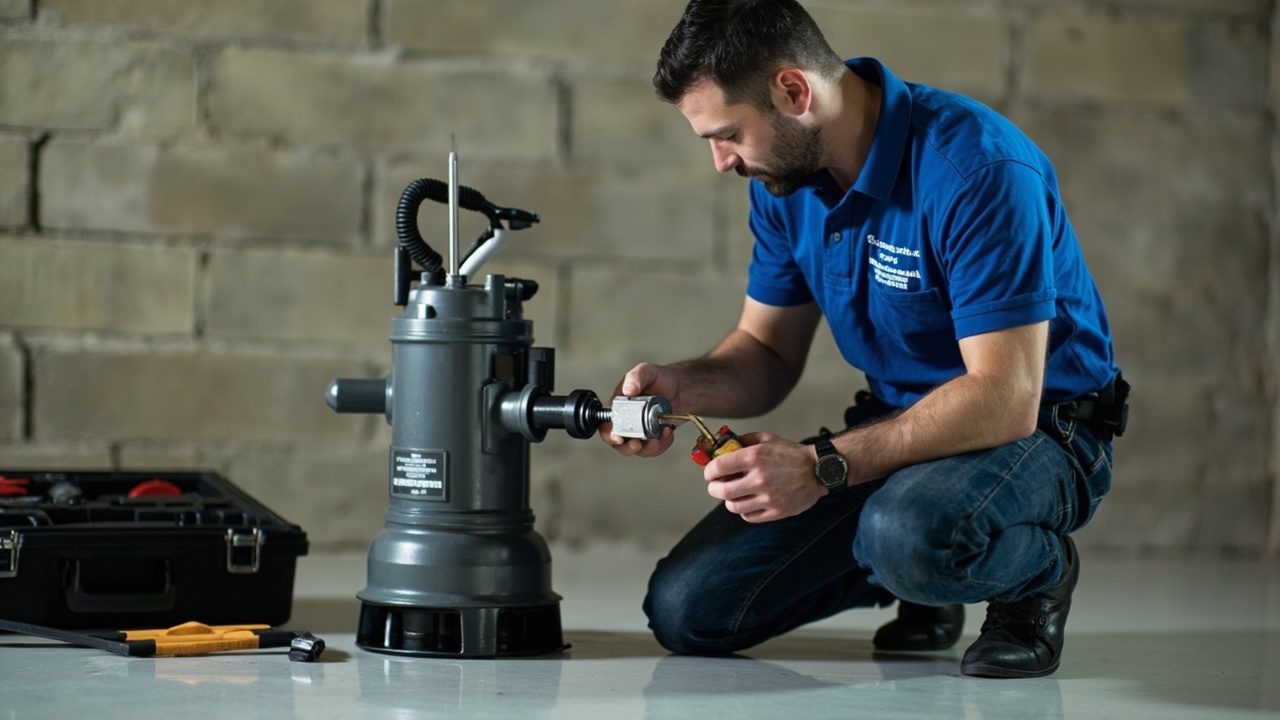
Sump pump repair requires diagnostic precision. We test amp draw to detect motor strain, measure basin refill time to identify inflow problems, and inspect the float switch for mechanical binding. A pump drawing excessive amperage signals impeller damage or bearing failure. We replace rather than patch-repair failed components.

Battery backup systems provide protection during power outages when sump pumps are needed most. We install DC backup pumps with deep-cycle marine batteries that deliver 8-12 hours of runtime. The backup system activates automatically when primary power fails or your main pump cannot keep pace with heavy inflow.

Sump pump replacement becomes necessary every 7-10 years as motors wear and impellers corrode. We remove the old unit, clean accumulated sediment from the basin, and install a new pump with updated float switch technology and thermal overload protection.

What Happens During Your Sump Pump Service Call

Sump Pump Services in Providence | Protecting Your Home From Rhode Island's High Water Table
01

Immediate System Assessment

We arrive with diagnostic tools to test your pump's performance under load conditions. Our technician pours five gallons of water into the basin to trigger the float switch and observes activation time, flow rate, and shutoff function. We measure amp draw with a clamp meter to detect motor problems and inspect the check valve for proper seating. This diagnostic phase identifies whether you need repair, adjustment, or full replacement.
02

Targeted Repair or Installation

For repairs, we address the specific failure point. Corroded float switches get replaced with tethered or electronic alternatives. Clogged discharge lines are cleared with a plumber's snake or hydro jet. For new installations, we excavate the basin location, install proper drainage stone, set the basin level, and mount the pump on a stable base. All electrical connections follow NEC code with dedicated GFCI circuits. We test the complete system through multiple cycles before considering the job complete.
03

Performance Verification and Education

Before leaving, we run your pump through three complete cycles to verify consistent operation. You watch the entire process so you understand what normal function looks like. We show you how to manually test the float switch quarterly, where to check for discharge line freezing in winter, and what sounds indicate motor problems. You receive documentation of all work performed, including pump specifications, electrical circuit details, and recommended maintenance intervals for your specific system.

Why Providence Homeowners Trust Local Sump Pump Expertise

Providence's unique hydrology demands plumbers who understand local water behavior. The city's position at sea level means tidal influence extends up the Providence River, raising the water table during storm surge events. A plumber from outside the region cannot anticipate how Hurricane season combines with king tides to stress your sump system.

We know that homes in Fox Point face different challenges than properties on Smith Hill. Fox Point's proximity to the Hurricane Barrier means rapid water table fluctuations. Smith Hill's elevation provides some protection, but homes there often have undersized pumps installed decades ago when building standards were less rigorous.

Local building codes in Providence require specific sump pump configurations that differ from surrounding communities. The discharge cannot connect to the city's combined sewer system. Instead, you must direct flow to a suitable drainage area on your property. We navigate these requirements daily and ensure your installation passes inspection.

Our familiarity with Providence's housing stock matters during installation. We have worked in hundreds of Triple-Deckers with shared foundations, Victorian homes with rubble stone basements, and converted mill buildings with below-grade spaces. Each structure type presents distinct challenges for basin placement and discharge routing.

When winter arrives, we understand how Providence's freeze-thaw cycles affect exterior discharge lines. We install lines at proper burial depth below the frost line, which reaches 36 inches in Rhode Island. We add freeze-resistant discharge terminations that prevent ice blockages common during January cold snaps.

Emergency response time matters when your basement floods. We dispatch from Providence, not from a regional office in Boston or Hartford. This means we arrive in 60-90 minutes during a crisis, not three hours after water has damaged your belongings.

What You Can Expect From Our Sump Pump Services

Rapid Response During Emergencies

When your sump pump fails during a rainstorm, you need immediate help. We maintain emergency service availability seven days a week because pump failures do not wait for business hours. Our dispatch prioritizes active flooding situations, and we arrive with replacement pumps in inventory to restore protection quickly. For non-emergency maintenance and installations, we schedule service within 48 hours and provide specific arrival windows so you do not waste your day waiting. We call 30 minutes before arrival and respect your property by using floor protection and cleaning up completely before we leave.

Thorough Diagnostic Evaluation

We do not guess at sump pump problems. Our evaluation includes float switch function testing, impeller inspection for debris or damage, check valve operation verification, discharge line flow testing, and electrical circuit analysis. We measure your basement's water inflow rate during heavy rain if possible to confirm your pump capacity matches your actual needs. For older systems, we inspect the basin condition for cracks or sediment buildup that reduces effective capacity. You receive a written assessment explaining what we found, what needs attention now, and what to monitor for future service needs.

Quality Installation and Repair Work

Every installation meets or exceeds Providence building code requirements and manufacturer specifications. We use pumps rated for continuous duty cycles, not light-duty models that fail prematurely. All discharge lines are rigid schedule 40 PVC, properly supported and sloped for gravity drainage. Electrical connections include dedicated circuits with GFCI protection. We do not take shortcuts on check valve placement or basin lid sealing. Our goal is a system that operates reliably for a decade, not one that requires callbacks in six months. All repair work uses OEM parts when available to maintain original performance specifications.

Ongoing Maintenance Support

Sump pumps require annual maintenance to catch problems before they cause failures. We offer scheduled maintenance visits that include complete system testing, basin cleaning, float switch adjustment, discharge line inspection, and backup battery testing if equipped. During these visits, we identify wear patterns that indicate approaching component failure and recommend proactive replacement. You receive reminder calls when your annual service is due so you do not forget this critical protection. For customers who want predictable costs, we offer maintenance plans that include priority emergency service and discounted repair rates if problems develop between scheduled visits.

Frequently Asked Questions

You Have Questions,
We Have Answers

How much does it cost to have a sump pump serviced? +

Sump pump service costs vary based on the work needed. A basic inspection and cleaning typically runs less than a major repair or component replacement. Factors include pump type, accessibility, and whether you need emergency service. Providence homes with high water tables or older systems may face additional costs if corrosion or sediment buildup requires extra labor. Regular maintenance helps you avoid expensive emergency repairs during spring thaw or heavy rain events. Request a detailed estimate before work begins so you understand what you're paying for and why.

How often does a sump pump need to be serviced? +

Service your sump pump at least once per year, ideally before spring when Providence sees heavy rainfall and snowmelt. Homes in flood-prone neighborhoods or properties with high groundwater should consider twice-yearly service. If your basement flooded previously or you have an older pump, increase inspection frequency. Annual service catches small problems before they become failures. This schedule works for most residential systems, but commercial properties or homes with finished basements may need quarterly checks to protect valuable assets.

How do I service a sump pump? +

Turn off power at the breaker before touching your pump. Remove the pump from the pit and clear debris from the intake screen and pit bottom. Check the discharge pipe for clogs or ice buildup. Pour water into the pit to test the float switch and verify the pump activates. Inspect the check valve for proper operation. While you can handle basic cleaning, complex issues like motor problems, switch failures, or wiring defects require a licensed plumber. Providence building codes require proper electrical installation, so skip DIY electrical work.

Who is best to fix a sump pump? +

A licensed plumber with sump pump experience is your best choice for repairs. They understand pump mechanics, electrical requirements, and Providence drainage challenges. Generic handymen lack the specialized knowledge for proper diagnosis. For Providence residents, working with a local plumber who knows the area's high water table, seasonal flooding patterns, and soil conditions ensures you get the right fix. Choose a plumber who offers emergency service, since pump failures often happen during storms when you need immediate help to prevent basement flooding.

Does homeowners insurance cover sump pump repair? +

Standard homeowners policies typically exclude sump pump failure and resulting water damage. You need a separate endorsement or rider specifically for water backup and sump pump failure coverage. This coverage costs extra but protects you if your pump fails during a storm. Read your policy carefully. Some insurers cover sudden mechanical failure but exclude lack of maintenance. Document your annual service records. Providence's flood risk makes this coverage worth considering, especially in College Hill, Fox Point, or other low-lying neighborhoods near the Providence River.

What is the typical lifespan of a sump pump? +

Most sump pumps last seven to ten years with proper maintenance. Battery backup systems need replacement every three to five years. Pumps that run frequently due to high groundwater wear out faster. Providence homes with seasonal flooding or clay soil that holds water may see shorter lifespans. Cheaper pumps fail sooner than quality units. If your pump is older than ten years, plan for replacement even if it still works. Waiting for complete failure risks basement flooding and water damage that costs far more than a new pump.

What maintenance is needed on a sump pump? +

Clean the pump and pit quarterly to remove sediment and debris. Test the pump monthly by pouring water into the pit until it activates. Check the discharge line for clogs or freezing in winter. Inspect the check valve for proper sealing. Verify the float switch moves freely without sticking. Replace the battery in backup systems annually. Have a professional inspect the motor, bearings, and electrical connections yearly. Providence's freeze-thaw cycles can crack discharge pipes, so check exterior piping each spring for damage or ice blockage.

What are the signs of a failing sump pump? +

Listen for unusual grinding, rattling, or humming noises indicating motor or bearing problems. Watch for the pump running constantly without shutting off, which signals a faulty float switch or check valve. Notice if the pump struggles to remove water or cycles on and off rapidly. Check for visible rust, corrosion, or cracks in the housing. Smell for burning odors from the motor. If your basement smells musty or you see water stains, your pump may not be keeping up with Providence's groundwater pressure. Any of these signs requires immediate professional attention.

How much would a plumber charge to replace a sump pump? +

Replacement costs depend on pump type, horsepower, and installation complexity. Pedestal pumps cost less than submersible models. Adding a battery backup system increases the price. Difficult access, deep pits, or the need to upgrade electrical circuits add labor costs. Providence homes with finished basements or tight crawl spaces require more work. Emergency replacements during flooding cost more than scheduled installations. The price includes hauling away your old pump and testing the new system. Get multiple quotes and verify the plumber includes proper discharge line connection and check valve installation.

What is the most common problem with sump pumps? +

Stuck or faulty float switches cause most sump pump failures. The float mechanism gets tangled, jammed by debris, or corroded from constant water exposure. This prevents the pump from activating when water rises. The second common problem is a clogged discharge line, especially in Providence where freeze-thaw cycles can create ice blockages. A failed check valve lets water flow backward into the pit, making the pump run constantly. Regular cleaning and testing catch these issues early. Replace worn float switches before they fail completely and leave your basement vulnerable to flooding.

How Providence's Combined Sewer System Impacts Your Sump Pump Discharge Options

Providence operates a combined sewer system that handles both sanitary waste and stormwater runoff in the same pipes. During heavy rain events, this system reaches capacity and the Narragansett Bay Commission has worked for decades to reduce combined sewer overflows into local waterways. As a result, city code strictly prohibits connecting sump pump discharge lines to the sewer system. Your pump must discharge to a suitable surface location at least 10 feet from your foundation. This requirement affects installation planning in densely built neighborhoods like Federal Hill where lot sizes are small and drainage options are limited. We design discharge solutions that comply with regulations while protecting your foundation from the redirected water.

Working with Providence's historic housing stock requires specialized knowledge that out-of-area contractors simply do not possess. The stone foundations common in Elmhurst and Mount Pleasant were built without footer drains, so your sump pump handles all groundwater management. The city's strict historic district regulations in College Hill affect exterior discharge line routing and termination visibility. We have completed hundreds of sump pump installations in these neighborhoods and understand how to navigate preservation requirements while providing effective water protection. Our familiarity with local plumbing inspectors and their specific expectations ensures your installation passes inspection on the first attempt without costly revisions or delays.

Plumbing Services in The Providence Area

We are proud to serve the entire Providence area and its surrounding communities. Our team is strategically located to ensure a fast response time for both emergency and scheduled services. Use the map to get a visual of our primary service area, or simply give us a call to confirm if your location is within our coverage. We look forward to helping you with all of your plumbing needs.

Address:
Cornerstone Plumbing Providence, 1 State St, Providence, RI, 02908

Additional Services We Offer

Our news updates

Latest Articles & News from The Blogs

Kohler vs. TOTO (Which High-Efficiency Toilet Fits Your Fox Point Bathroom Best?) Fox Point homeowners face unique bathroom challenges with…

Kohler vs. TOTO (Which High-Efficiency Toilet Fits Your Fox Point Bathroom Best?)

Kohler vs. TOTO (Which High-Efficiency Toilet Fits Your Fox Point Bathroom Best?) Fox Point homeowners face unique bathroom challenges with…

Why High Water Pressure is Actually Ruining the Plumbing in Your College Hill Home

Why High Water Pressure is Actually Ruining the Plumbing in Your College Hill Home Water pressure that seems normal to…

Comparing the Best Sump Pump Brands for Mount Pleasant Basements

Comparing the Best Sump Pump Brands for Mount Pleasant Basements Mount Pleasant homeowners face unique basement flooding risks due to…

Contact Us

Do not wait for the next nor'easter to discover your sump pump has failed. Call Cornerstone Plumbing Providence at (401) 240-9711 for immediate service or to schedule a maintenance inspection. We answer calls seven days a week and provide upfront pricing before starting any work.