Why Flushable Wipes are Clogging Sewers Throughout Federal Hill
Flushable wipes are clogging Federal Hill sewers at an alarming rate. Despite marketing claims, these products do not break down like toilet paper and are causing expensive backups in Providence’s aging sewer system. The Narragansett Bay Commission has issued warnings about ‘Wipes Clog Pipes’ because these synthetic fiber wipes snag on tree roots and pipe offsets common in Federal Hill’s Victorian-era clay pipes. Narragansett Bay Commission’s Wipes Clog Pipes warning.
The problem is especially severe in Federal Hill because the neighborhood sits on a combined sewer system where stormwater and wastewater flow through the same pipes. When wipes accumulate, they create blockages that can cause sewage to back up into basements and cause street flooding during heavy rains. What to Do if Your Federal Hill Water Heater Starts Leaking Everywhere.
How Flushable Wipes Differ from Toilet Paper
Standard 2-ply toilet paper breaks down within minutes when submerged in water. Flushable wipes, made from synthetic fibers like polyester and polypropylene, maintain their structural integrity for months. The International Water Services Flushability Group (IWSFG) tests wipes for ‘dispersibility’ not ‘flushability,’ and most popular brands fail these tests. Water Heater Repair & Installation.
The tensile strength of a flushable wipe remains at 90% even after 30 days in water, while toilet paper’s tensile strength drops to less than 10% in the same timeframe. This durability is what makes wipes effective for cleaning but disastrous for plumbing systems. Plumbing Seekonk.
The Federal Hill Infrastructure Problem
Federal Hill’s sewer lines were installed between 1880 and 1920 using vitrified clay pipes. These pipes have joints every 4-5 feet that create perfect collection points for non-dispersible materials. The neighborhood’s mature tree canopy, particularly along Atwells Avenue and Broadway, contributes to root intrusion that catches wipes like a net.. Read more about Why You Should Get a Sewer Camera Inspection Before Buying an Elmwood Fixer Upper.
Providence Water maintains over 1,200 miles of sewer lines, with Federal Hill representing some of the oldest and most vulnerable infrastructure. The Narragansett Bay Commission reports that wipes are now the leading cause of pump station failures in the area, costing taxpayers thousands in emergency repairs. How to Get Fast Pipe Repair in Smith Hill Before the Next Big Freeze.
Cost Comparison: Wipes vs. Sewer Cleaning
| Item | Average Cost | Frequency |
|---|---|---|
| Pack of 84 flushable wipes | $4-6 | Weekly |
| Main line sewer cleaning | $350-500 | Every 2-3 years with wipes |
| Emergency hydro-jetting | $800-1,200 | Once with severe blockage |
| Sewer line replacement | $3,000-7,000 | Never with proper care |
The math is simple: a family using flushable wipes spends $200-300 annually on the product, plus potential emergency service calls. Proper disposal in the trash eliminates these costs entirely.
Visual Evidence of Wipe Clogs
Plumbers in Federal Hill regularly encounter ‘fatbergs’ where wipes combine with grease and other debris to form solid masses. These clogs can extend 50-100 feet into sewer lines and require specialized equipment to remove. The Rhode Island Department of Environmental Management (RIDEM) has documented cases where entire pump stations had to be shut down due to wipe-related failures.
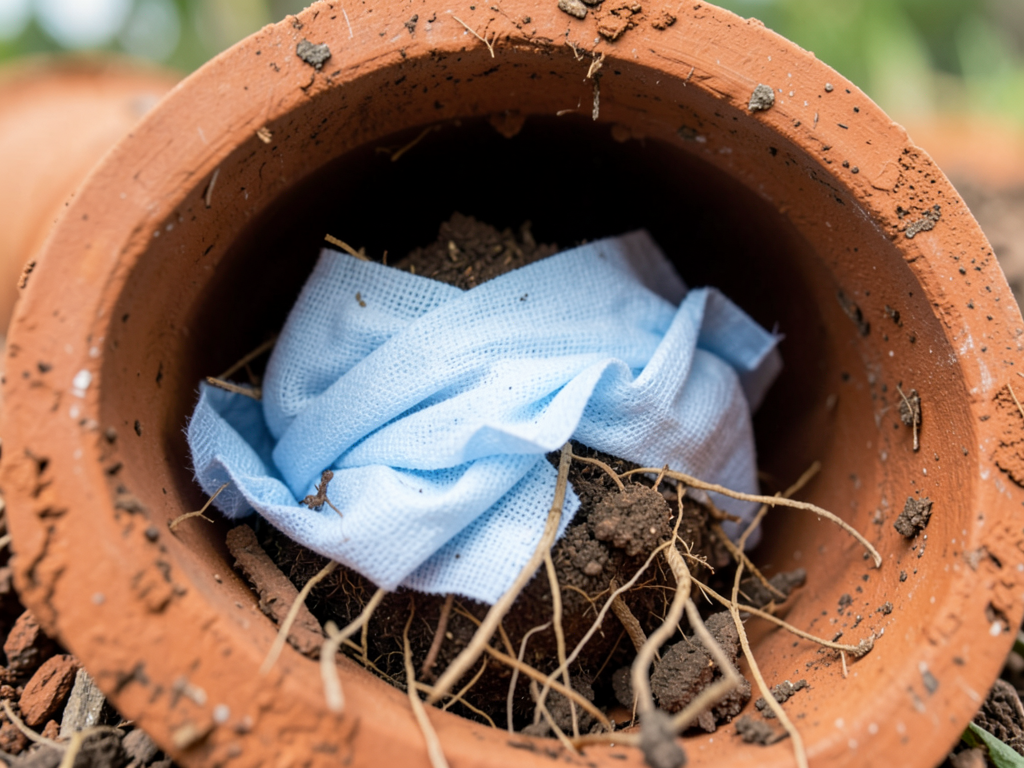
During a recent Federal Hill service call, our technicians found a wipe clog that had completely blocked a 6-inch lateral line. The wipes were still intact after an estimated 18 months in the pipe, wrapped around a tree root intrusion at a joint connection.
Safe Alternatives and Proper Disposal
Bidet attachments cost $30-100 and eliminate the need for wipes entirely. For those who prefer wipes, the trash can is the only safe disposal method. Even ‘biodegradable’ wipes require commercial composting facilities to break down properly.
The EPA’s ‘Think at the Sink’ campaign recommends keeping a small lidded trash can in the bathroom specifically for wipes, feminine hygiene products, and other non-dispersible items. This simple habit protects your plumbing and the municipal sewer system. EPA’s Think at the Sink campaign.
Impact on Septic Systems
Federal Hill homes with septic systems face even greater risks. Wipes do not break down in septic tanks and can clog the leach field, leading to system failure. The average cost to replace a failed leach field in Providence is $5,000-12,000, compared to $200-300 for proper wipe disposal over the same period.
Septic systems rely on bacterial action to break down waste. Synthetic fibers in wipes are not digestible by these bacteria, causing them to accumulate until they cause a complete system backup.
What to Do If You’ve Been Flushing Wipes
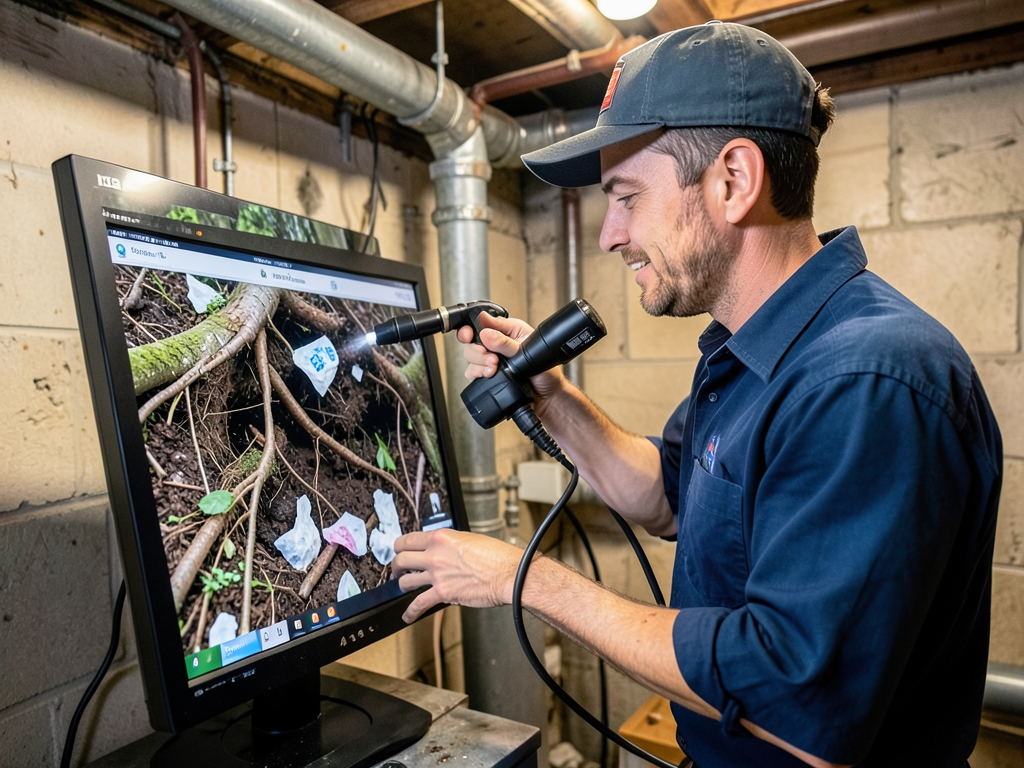
If you’ve been flushing wipes, schedule a video camera inspection of your sewer line. This $250-350 service can identify early signs of buildup before a complete blockage occurs. Our technicians use high-resolution cameras to inspect pipes from the inside, identifying wipe accumulation, root intrusion, and pipe damage.
During the inspection, we check for ‘offsets’ where pipes have shifted due to soil movement. Federal Hill’s clay soil expands and contracts with moisture changes, causing pipes to separate at joints where wipes collect.
Local Regulations and Compliance
The Providence City Code Section 23-24 prohibits disposing of non-dispersible materials in the sewer system. Violations can result in fines up to $500 for residential properties. The Narragansett Bay Commission enforces these regulations through regular inspections of commercial properties.
Rhode Island State Building Code SBC-3 (Plumbing) requires all new construction to include educational materials about proper disposal of non-dispersible items. This regulation recognizes the growing problem of wipe-related clogs in the state’s aging infrastructure.. Read more about Thinking About a Bidet? (What You Need to Know for Your Wayland Square Bathroom).
Emergency Service for Federal Hill Residents
Sewer backups don’t wait for business hours. Cornerstone Plumbing Providence offers 24/7 emergency service for Federal Hill residents experiencing sewage backups, slow drains, or gurgling toilets. Our technicians arrive within 60 minutes of your call, equipped with hydro-jetting equipment and video inspection tools. Professional Drain Cleaning Services for Historic Homes on the East Side.
Call (401) 240-9711 today to schedule your sewer line inspection. Don’t wait for a backup to flood your basement. A $250 inspection now can prevent a $3,000 emergency repair later.
Frequently Asked Questions
Are flushable wipes really flushable?
No. Despite marketing claims, flushable wipes do not break down like toilet paper and can cause serious plumbing problems. The term ‘flushable’ refers to whether they can physically pass through your toilet, not whether they safely disperse in the sewer system.
How long do flushable wipes take to decompose?
Flushable wipes can take 6-24 months to begin breaking down in sewer lines, compared to toilet paper which dissolves within minutes. In septic systems, they may never fully decompose due to lack of oxygen and UV light.
Can I flush just one wipe occasionally?
No. Even a single wipe can catch on pipe joints, tree roots, or other obstructions. Once one wipe catches, others will accumulate around it, creating a blockage over time. The risk is not worth the convenience.
What’s the difference between flushable and biodegradable wipes?
Flushable wipes are designed to pass through plumbing but don’t break down. Biodegradable wipes will eventually decompose but require specific conditions found in commercial composting facilities, not in sewer lines or septic systems.
How can I tell if wipes are clogging my pipes?
Signs include slow drains, gurgling toilets, sewage odors, or water backing up in unexpected places when using plumbing fixtures. If you notice these symptoms, stop flushing wipes immediately and call a professional plumber.
- Keep a Lidded Trash Can in the Bathroom
Place a small trash can with a lid near the toilet for wipe disposal. This makes proper disposal as convenient as flushing.
- Use Biodegradable Trash Bags
Line your bathroom trash can with biodegradable bags to contain odors and make emptying easier.
- Empty Regularly
Dispose of bathroom trash weekly to prevent odors and maintain hygiene. This takes less time than dealing with a sewer backup.
- Educate Household Members
Make sure everyone in your home understands why wipes shouldn’t be flushed. Post a small reminder if needed.
Federal Hill’s beautiful historic homes deserve modern plumbing solutions that protect both your property and our shared infrastructure. Stop flushing wipes today and call (401) 240-9711 for your professional sewer inspection. Our experienced technicians understand the unique challenges of Federal Hill’s plumbing systems and can help you avoid costly backups.
Remember: Your toilet is not a trash can. The few seconds saved by flushing wipes can cost thousands in emergency repairs. Make the right choice for your home and our community.
You may also find this helpful. Kohler vs. TOTO (Which High-Efficiency Toilet Fits Your Fox Point Bathroom Best?).
{
“@context”: “https://schema.org”,
“@type”: “BlogPosting”,
“headline”: “Why Flushable Wipes are Clogging Sewers Throughout Federal Hill”,
“description”: “Learn why ‘flushable’ wipes are causing major sewer backups in Federal Hill. Discover the science, local impact, and what Providence homeowners should do instead.”,
“wordCount”: 1369,
“datePublished”: “2026-03-31T10:04:00.000Z”,
“dateModified”: “2026-03-31T10:04:00.000Z”,
“inLanguage”: “en-US”,
“mainEntityOfPage”: {
“@type”: “WebPage”,
“@id”: “https://cornerstoneplumbingprovidence.com”
},
“publisher”: {
“@type”: “LocalBusiness”,
“name”: “Cornerstone Plumbing Providence”,
“url”: “https://cornerstoneplumbingprovidence.com”
},
“author”: {
“@type”: “Organization”,
“name”: “Cornerstone Plumbing Providence”,
“url”: “https://cornerstoneplumbingprovidence.com”
},
“image”: {
“@type”: “ImageObject”,
“url”: “https://cornerstoneplumbingprovidence.com/wp-content/uploads/2026/03/why-flushable-wipes-are-clogging-sewers-throughout-1.png”
}
}
{
“@context”: “https://schema.org”,
“@type”: “Plumber”,
“name”: “Cornerstone Plumbing Providence”,
“url”: “https://cornerstoneplumbingprovidence.com”,
“address”: {
“@type”: “PostalAddress”,
“addressLocality”: “Providence”
},
“areaServed”: {
“@type”: “City”,
“name”: “Providence”
}
}
{
“@context”: “https://schema.org”,
“@type”: “FAQPage”,
“mainEntity”: [
{
“@type”: “Question”,
“name”: “Are flushable wipes really flushable?”,
“acceptedAnswer”: {
“@type”: “Answer”,
“text”: “No. Despite marketing claims, flushable wipes do not break down like toilet paper and can cause serious plumbing problems. The term ‘flushable’ refers to whether they can physically pass through your toilet, not whether they safely disperse in the sewer system.”
}
},
{
“@type”: “Question”,
“name”: “How long do flushable wipes take to decompose?”,
“acceptedAnswer”: {
“@type”: “Answer”,
“text”: “Flushable wipes can take 6-24 months to begin breaking down in sewer lines, compared to toilet paper which dissolves within minutes. In septic systems, they may never fully decompose due to lack of oxygen and UV light.”
}
},
{
“@type”: “Question”,
“name”: “What’s the difference between flushable and biodegradable wipes?”,
“acceptedAnswer”: {
“@type”: “Answer”,
“text”: “Flushable wipes are designed to pass through plumbing but don’t break down. Biodegradable wipes will eventually decompose but require specific conditions found in commercial composting facilities, not in sewer lines or septic systems.”
}
},
{
“@type”: “Question”,
“name”: “How can I tell if wipes are clogging my pipes?”,
“acceptedAnswer”: {
“@type”: “Answer”,
“text”: “Signs include slow drains, gurgling toilets, sewage odors, or water backing up in unexpected places when using plumbing fixtures. If you notice these symptoms, stop flushing wipes immediately and call a professional plumber.”
}
}
]
}
{
“@context”: “https://schema.org”,
“@type”: “HowTo”,
“name”: “How to Dispose of Wipes Safely”,
“step”: [
{
“@type”: “HowToStep”,
“position”: 1,
“name”: “Keep a Lidded Trash Can in the Bathroom”,
“text”: “Place a small trash can with a lid near the toilet for wipe disposal. This makes proper disposal as convenient as flushing.”
},
{
“@type”: “HowToStep”,
“position”: 2,
“name”: “Use Biodegradable Trash Bags”,
“text”: “Line your bathroom trash can with biodegradable bags to contain odors and make emptying easier.”
},
{
“@type”: “HowToStep”,
“position”: 3,
“name”: “Empty Regularly”,
“text”: “Dispose of bathroom trash weekly to prevent odors and maintain hygiene. This takes less time than dealing with a sewer backup.”
},
{
“@type”: “HowToStep”,
“position”: 4,
“name”: “Educate Household Members”,
“text”: “Make sure everyone in your home understands why wipes shouldn’t be flushed. Post a small reminder if needed.”
}
],
“image”: “https://cornerstoneplumbingprovidence.com/wp-content/uploads/2026/03/why-flushable-wipes-are-clogging-sewers-throughout-1.png”
}
{
“@context”: “https://schema.org”,
“@type”: “BreadcrumbList”,
“itemListElement”: [
{
“@type”: “ListItem”,
“position”: 1,
“name”: “Home”,
“item”: “https://cornerstoneplumbingprovidence.com”
},
{
“@type”: “ListItem”,
“position”: 2,
“name”: “Blog”,
“item”: “https://cornerstoneplumbingprovidence.com/blog”
},
{
“@type”: “ListItem”,
“position”: 3,
“name”: “Why Flushable Wipes are Clogging Sewers Throughout Federal Hill”
}
]
}
{
“@context”: “https://schema.org”,
“@type”: “Service”,
“serviceType”: “Plumbing”,
“provider”: {
“@type”: “LocalBusiness”,
“name”: “Cornerstone Plumbing Providence”,
“url”: “https://cornerstoneplumbingprovidence.com”
},
“areaServed”: {
“@type”: “City”,
“name”: “Providence”
},
“description”: “Learn why ‘flushable’ wipes are causing major sewer backups in Federal Hill. Discover the science, local impact, and what Providence homeowners should do instead.”
}