Why Your Providence Water Bill Is Suddenly Sky High (And Where to Look for Leaks)
Your water bill just arrived and it’s double what you normally pay. You haven’t filled a pool or watered the lawn more than usual yet the numbers keep climbing. The most likely culprit is a hidden plumbing leak somewhere in your Providence home. Providence Water Supply Board.
Before you panic about a major repair, let’s walk through what’s happening with Providence water rates and how to find the source of that mysterious spike. EPA WaterSense program.
Providence Water Rate Increases in 2025
The Providence Water Supply Board approved a rate increase that took effect in January 2025. Residential customers now pay approximately $5.40 per hundred cubic feet (HCF) of water, up from $4.80 in 2024. That’s a 12.5% increase approved by the Rhode Island Public Utilities Commission to fund aging infrastructure upgrades across the Scituate Reservoir system. What to Do if Your Federal Hill Water Heater Starts Leaking Everywhere.
Your quarterly bill now includes a fixed service charge plus the consumption charge based on your actual water usage. Even small leaks can add hundreds of dollars to your bill when multiplied across three months. Water Heater Repair & Installation.
How to Read Your Providence Water Meter
Your water meter tracks every gallon that flows through your home’s main line. Located in your basement or utility closet, it displays a numeric reading similar to a car odometer. The last digit often represents gallons while the larger numbers show cubic feet.. Read more about Why High Water Pressure is Actually Ruining the Plumbing in Your College Hill Home.
To verify your meter works correctly:
- Find your meter and note the current reading
- Wait two hours without using any water
- Check the reading again
- If the numbers changed, you have a leak somewhere
Common Hidden Leaks That Spike Your Bill
Most homeowners don’t realize how much water a small leak wastes. A toilet that runs continuously can waste 200 gallons per day. A pinhole leak in a copper pipe might drip 10 gallons per hour without making a sound.. Read more about Why Your Elmhurst Water Heater Needs a Thermal Expansion Tank to Stop Leaks.
Check these areas first:
- Toilets – Listen for hissing sounds after flushing or water running into the overflow tube
- Showerheads and faucets – Look for mineral deposits or constant dripping
- Water heater – Check the pressure relief valve and drain pan for moisture
- Slab foundation – Feel for warm spots on concrete floors (indicates hot water leak)
- Outdoor spigots – Inspect for cracked washers or damaged handles
The Dye Test for Toilets
Toilets cause more high water bills than any other fixture. Here’s how to test yours:
- Remove the tank lid
- Add 10 drops of food coloring to the tank water
- Wait 15 minutes without flushing
- Check the bowl – if color appears, your flapper valve leaks
Flapper valves wear out every 3-5 years in Providence’s hard water conditions. The mineral content from the Scituate Reservoir accelerates deterioration of rubber seals.
Slab Leak Warning Signs
Providence homes built before 1970 often have copper pipes running through concrete slabs. These pipes corrode from the inside out due to water chemistry and soil conditions. Warning signs include:
- Warm spots on basement floors
- Reduced water pressure on upper floors
- Sound of running water when all fixtures are off
- Cracks appearing in foundation walls
According to the Rhode Island State Building Code SBC-3, slab leaks require immediate attention because they compromise structural integrity and can lead to mold growth within 24-48 hours.
DIY Leak Detection Test
Before calling a plumber, try this comprehensive test:
- Turn off all water-using appliances and fixtures
- Locate your main water shutoff valve
- Check the water meter – note the position of the leak indicator (usually a small triangle or wheel)
- Wait 30 minutes without using water
- If the indicator moves, you have a leak
For homes with irrigation systems, turn off the main valve to those lines and repeat the test. Many high bills come from malfunctioning sprinkler valves that run at night.
When to Call a Professional
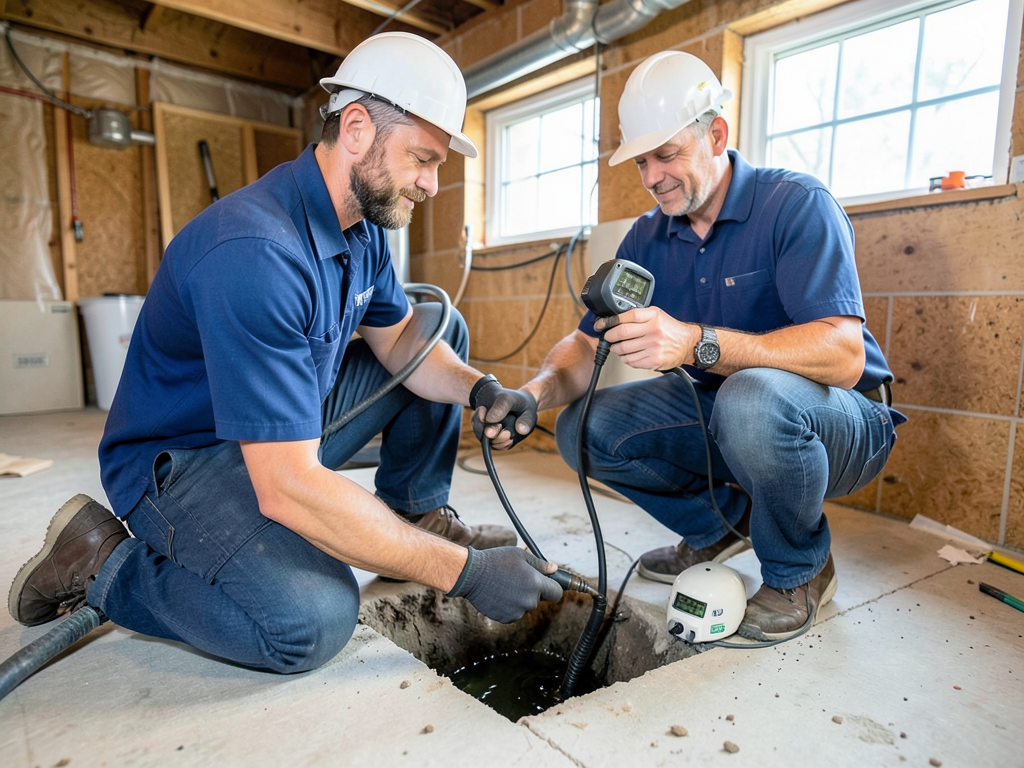
Some leaks require specialized equipment to locate. Professional plumbers use acoustic listening devices, infrared cameras, and pressure testing to pinpoint problems without tearing open walls or floors. Professional Drain Cleaning Services for Historic Homes on the East Side.
Call (401) 240-9711 if you notice:
- Water meter spinning when everything is off
- Sudden 50% or greater bill increase
- Musty odors from walls or floors
- Visible mold growth in unusual places
- Install smart water monitors that alert you to unusual usage patterns
- Replace old toilet flappers annually in hard water areas
- Insulate exposed pipes to prevent freeze-thaw damage
- Check irrigation systems monthly during growing season
- Install water hammer arrestors to prevent pipe damage
Professional leak detection typically costs $150-300 but can save you thousands in water damage repairs and wasted utility bills. How to Get Fast Pipe Repair in Smith Hill Before the Next Big Freeze.
Preventing Future Bill Spikes
After fixing your current leak, take these steps to prevent future problems:
The EPA WaterSense program certifies fixtures that use 20% less water than standard models. Replacing old toilets and showerheads can reduce your consumption by 10,000 gallons annually.
Providence-Specific Plumbing Challenges
Providence’s older housing stock creates unique plumbing vulnerabilities. Many homes in Federal Hill, Smith Hill, and Elmhurst neighborhoods still have galvanized steel pipes from the 1950s. These pipes corrode internally, reducing water pressure and creating perfect conditions for pinhole leaks. Plumbing Seekonk.
The city’s combined sewer system means that water pressure fluctuations during heavy rain can stress older pipe joints. This is especially problematic in low-lying areas near the Providence River where water tables are high.
According to the Providence Water Supply Board, the average household uses 80-100 gallons per person daily. A family of four should expect quarterly bills between $200-300 under normal conditions. Anything significantly higher indicates a problem.
Resources for Providence Residents
The Providence Water Supply Board offers leak detection assistance and payment plans for customers facing high bills due to plumbing issues. They also provide free low-flow fixture kits to qualifying households.
For emergency plumbing situations, call (401) 240-9711. Our technicians arrive within 60 minutes for confirmed leaks that threaten property damage.
Frequently Asked Questions
How much water does a running toilet waste?
A continuously running toilet can waste 200 gallons per day, adding $50-100 to your quarterly bill.
Can I get a water bill adjustment for a leak?
Yes, the Providence Water Supply Board offers adjustments for documented leaks repaired by licensed plumbers. You must submit repair receipts and the adjusted bill typically covers 50-75% of the excess charges.
How do I know if my water meter is accurate?
Meters rarely fail but can be tested. Your utility company will test your meter for free if you suspect inaccuracy. Most high bills result from leaks rather than meter errors.
What’s the most common cause of high water bills?
Toilet flapper leaks account for 70% of unexplained high water bills. These silent leaks often go unnoticed for months.
How long does professional leak detection take?
Most residential leak detection takes 1-2 hours. Complex slab leaks or multi-story buildings may require additional time and specialized equipment.
Take Action Before More Damage Occurs
A high water bill is your home’s way of telling you something’s wrong. Whether it’s a simple toilet flapper or a hidden slab leak, addressing the problem now prevents costly water damage and mold remediation later.
Don’t wait for your next bill to arrive. Call (401) 240-9711 today to schedule a professional leak inspection. Our experienced technicians will locate the source of your high water usage and provide upfront pricing for repairs.
Every hour you wait could mean hundreds more gallons wasted and dollars added to your next bill. Pick up the phone and call (401) 240-9711 before that small leak becomes a major problem.
{
“@context”: “https://schema.org”,
“@type”: “BlogPosting”,
“headline”: “Why Your Providence Water Bill Is Suddenly Sky High (And Where to Look for Leaks)”,
“description”: “Providence water rates jumped in 2025. Learn how to spot hidden plumbing leaks causing high bills and get expert leak detection before damage worsens.”,
“wordCount”: 1290,
“datePublished”: “2026-03-29T12:47:00.000Z”,
“dateModified”: “2026-03-29T12:47:00.000Z”,
“inLanguage”: “en-US”,
“mainEntityOfPage”: {
“@type”: “WebPage”,
“@id”: “https://cornerstoneplumbingprovidence.com”
},
“publisher”: {
“@type”: “LocalBusiness”,
“name”: “Cornerstone Plumbing Providence”,
“url”: “https://cornerstoneplumbingprovidence.com”
},
“author”: {
“@type”: “Organization”,
“name”: “Cornerstone Plumbing Providence”,
“url”: “https://cornerstoneplumbingprovidence.com”
},
“image”: {
“@type”: “ImageObject”,
“url”: “https://cornerstoneplumbingprovidence.com/wp-content/uploads/2026/03/why-your-providence-water-bill-is-suddenly-sky-hig-1.png”
}
}
{
“@context”: “https://schema.org”,
“@type”: “Plumber”,
“name”: “Cornerstone Plumbing Providence”,
“url”: “https://cornerstoneplumbingprovidence.com”,
“address”: {
“@type”: “PostalAddress”,
“addressLocality”: “Providence”
},
“areaServed”: {
“@type”: “City”,
“name”: “Providence”
}
}
{
“@context”: “https://schema.org”,
“@type”: “FAQPage”,
“mainEntity”: [
{
“@type”: “Question”,
“name”: “How much water does a running toilet waste?”,
“acceptedAnswer”: {
“@type”: “Answer”,
“text”: “A continuously running toilet can waste 200 gallons per day, adding $50-100 to your quarterly bill.”
}
},
{
“@type”: “Question”,
“name”: “Can I get a water bill adjustment for a leak?”,
“acceptedAnswer”: {
“@type”: “Answer”,
“text”: “Yes, the Providence Water Supply Board offers adjustments for documented leaks repaired by licensed plumbers. You must submit repair receipts and the adjusted bill typically covers 50-75% of the excess charges.”
}
},
{
“@type”: “Question”,
“name”: “How do I know if my water meter is accurate?”,
“acceptedAnswer”: {
“@type”: “Answer”,
“text”: “Meters rarely fail but can be tested. Your utility company will test your meter for free if you suspect inaccuracy. Most high bills result from leaks rather than meter errors.”
}
},
{
“@type”: “Question”,
“name”: “What’s the most common cause of high water bills?”,
“acceptedAnswer”: {
“@type”: “Answer”,
“text”: “Toilet flapper leaks account for 70% of unexplained high water bills. These silent leaks often go unnoticed for months.”
}
},
{
“@type”: “Question”,
“name”: “How long does professional leak detection take?”,
“acceptedAnswer”: {
“@type”: “Answer”,
“text”: “Most residential leak detection takes 1-2 hours. Complex slab leaks or multi-story buildings may require additional time and specialized equipment.”
}
}
]
}
{
“@context”: “https://schema.org”,
“@type”: “BreadcrumbList”,
“itemListElement”: [
{
“@type”: “ListItem”,
“position”: 1,
“name”: “Home”,
“item”: “https://cornerstoneplumbingprovidence.com”
},
{
“@type”: “ListItem”,
“position”: 2,
“name”: “Blog”,
“item”: “https://cornerstoneplumbingprovidence.com/blog”
},
{
“@type”: “ListItem”,
“position”: 3,
“name”: “Why Your Providence Water Bill Is Suddenly Sky High (And Where to Look for Leaks)”
}
]
}
{
“@context”: “https://schema.org”,
“@type”: “Service”,
“serviceType”: “Plumbing”,
“provider”: {
“@type”: “LocalBusiness”,
“name”: “Cornerstone Plumbing Providence”,
“url”: “https://cornerstoneplumbingprovidence.com”
},
“areaServed”: {
“@type”: “City”,
“name”: “Providence”
},
“description”: “Providence water rates jumped in 2025. Learn how to spot hidden plumbing leaks causing high bills and get expert leak detection before damage worsens.”
}