Protecting Your Hope Village Home with Smart Leak Detection Systems
Water damage strikes Hope Village homes without warning. A burst pipe behind a wall or a slow leak under a sink can destroy hardwood floors, warp cabinetry, and create perfect conditions for mold growth. Smart leak detection systems now offer 24/7 monitoring that catches problems before they become disasters. These devices connect to your home’s Wi-Fi network and send instant alerts to your smartphone when they detect unusual water flow patterns or moisture where it shouldn’t be. What to Do if Your Federal Hill Water Heater Starts Leaking Everywhere.
Hope Village’s mix of historic and mid-century homes makes it particularly vulnerable to water damage. Many properties have aging galvanized steel pipes that corrode from the inside out. Others feature copper lines that develop pinhole leaks over decades of use. Smart leak detectors provide an extra layer of protection by monitoring water pressure, flow rate, and temperature changes that indicate potential problems.
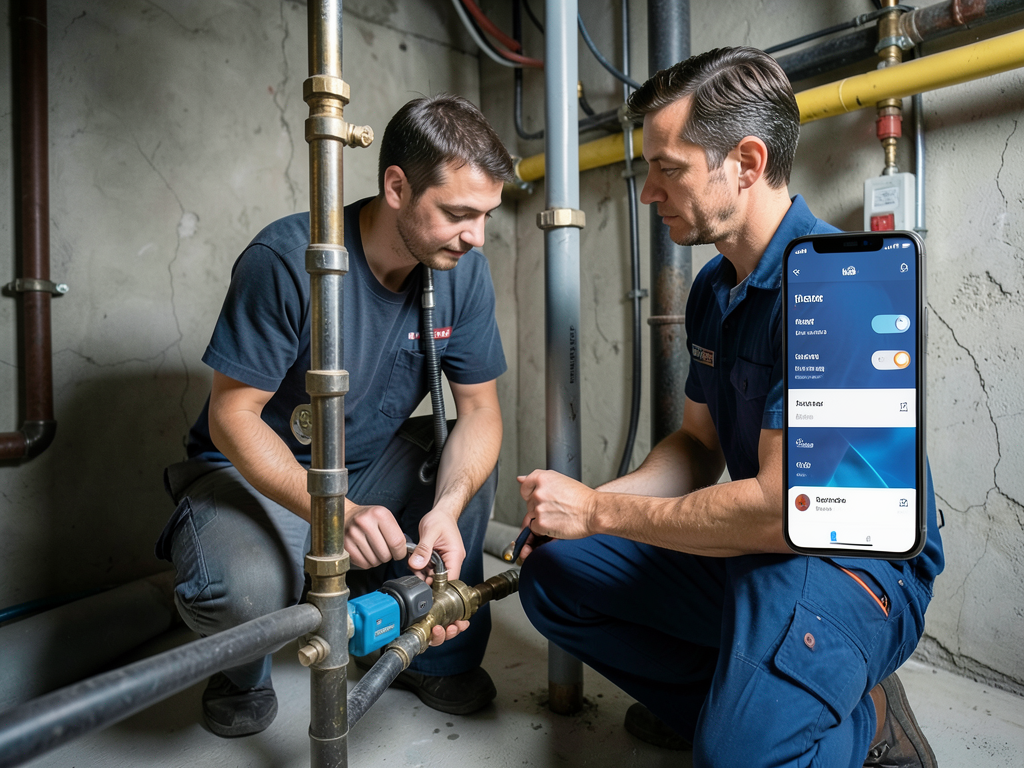
The technology works by installing a smart valve on your main water line. This device continuously monitors water usage patterns and can automatically shut off your water supply if it detects a leak. Some systems also include battery-powered sensors you place near water heaters, under sinks, and around washing machines. When any sensor detects moisture, the system sends an alert and can shut off water to that specific area or your entire home.
Cornerstone Plumbing installs smart leak detection systems throughout Hope Village and surrounding Providence neighborhoods. Our licensed plumbers understand the unique plumbing challenges of Rhode Island homes, from the historic districts near Brown University to the newer developments along Hope Street. We handle everything from initial consultation to final system setup and testing.
Modern smart leak detectors do more than just alert you to problems. They track your water usage patterns, help identify inefficient fixtures, and can even detect when a toilet is running continuously. Some insurance companies offer premium discounts for homes with professionally installed smart leak detection systems, making the investment even more attractive. Professional Drain Cleaning Services for Historic Homes on the East Side.
The peace of mind these systems provide is invaluable. Whether you’re at work downtown or on vacation in Newport, you’ll know immediately if water is flowing where it shouldn’t be. You can shut off your water remotely through a smartphone app or let the system handle it automatically. For Hope Village homeowners who value both their property and their time, smart leak detection represents a smart investment in home protection.
How Smart Leak Detection Systems Work
Smart leak detection systems combine hardware and software to monitor your home’s plumbing 24/7. The main component is a smart water shut-off valve that installs on your main water line. This valve contains sensors that measure water pressure, flow rate, and temperature. When water flows through your pipes, the system establishes a baseline pattern of normal usage.
The system learns your household’s typical water consumption patterns over several days. It notes when you typically shower, run the dishwasher, or water the lawn. Once it establishes these patterns, the system can detect anomalies. A continuous flow when no one is home, a sudden pressure drop, or water flowing at unusual hours all trigger alerts.
Most smart leak detectors connect to your home’s Wi-Fi network. They send data to cloud servers where advanced algorithms analyze the information. The system can distinguish between normal usage and potential problems. For example, it knows the difference between someone taking a shower and a pipe bursting behind a wall.
When the system detects a potential leak, it sends an alert to your smartphone through a dedicated app. You can see exactly what triggered the alert, when it happened, and how much water was involved. Many systems allow you to shut off your water remotely with a tap on your phone screen.
Advanced systems include additional sensors that detect moisture on floors, walls, or ceilings. These battery-powered devices communicate wirelessly with the main unit. You can place them near water heaters, under sinks, around washing machines, or in basements. When any sensor detects moisture, it triggers the same alert system and can shut off water to prevent further damage.
Benefits of Smart Leak Detection for Hope Village Homes
Hope Village homes face unique water damage risks that make smart leak detection particularly valuable. The neighborhood’s mix of architectural styles means plumbing systems range from century-old galvanized steel to modern PEX piping. Each material has different failure modes that smart systems can detect.
Historic homes near Brown University often have original plumbing that’s reached the end of its useful life. Galvanized steel pipes corrode from the inside out, creating weak spots that can burst suddenly. Smart leak detectors monitor pressure changes that indicate these pipes are failing before catastrophic failure occurs.
Mid-century homes in Hope Village frequently have copper piping that develops pinhole leaks over time. These tiny leaks can waste thousands of gallons of water before you notice them. Smart systems detect the continuous low-flow that characterizes these leaks and alert you immediately.
Rhode Island’s freeze-thaw cycles create additional risks for Hope Village homes. Water expands when it freezes, putting tremendous pressure on pipes. Smart leak detectors monitor temperature and can alert you when pipes approach freezing temperatures. Some systems can even gradually warm pipes to prevent freezing.
The systems also protect against human error. A teenager leaving for school forgets to turn off the bathroom faucet. Someone loading the dishwasher leaves the sink running. These common mistakes can waste hundreds of gallons of water and cause significant damage. Smart leak detectors catch these errors immediately.
Smart Leak Detector Brands We Install
Several smart leak detection systems work well for Providence homes. Each has different features, installation requirements, and price points. Understanding these differences helps you choose the right system for your Hope Village home. Reliable Sump Pump Installation for Elmhurst Homeowners Facing Wet Basements.
Moen Flo Smart Water Monitor and Shutoff installs directly on your main water line. It monitors water pressure, temperature, and flow rate. The system learns your usage patterns and can detect leaks as small as one drop per minute. Moen Flo automatically shuts off water when it detects a problem and sends alerts to your smartphone.
Phyn Plus Smart Water Assistant + Shutoff offers similar features with additional water quality monitoring. It measures water pressure 240 times per second to detect even the smallest leaks. The system provides detailed water usage reports and can identify specific fixtures that use the most water.
StreamLabs Control Smart Home Water Monitor combines leak detection with water usage tracking. It installs on your main line and provides real-time monitoring through a smartphone app. The system includes optional remote shut-off functionality and can integrate with smart home platforms like Amazon Alexa and Google Home.
Flume 2 Water Monitor offers a different approach. Instead of installing on your main line, it clamps onto your existing water meter. This makes installation faster and easier, though it doesn’t provide automatic shut-off capabilities. Flume 2 excels at water usage monitoring and leak detection without requiring any plumbing modifications. Who to Call for Safe Gas Line Installation in the West End.
Choosing the right system depends on your specific needs. Do you want automatic shut-off capability? Are you more interested in water usage tracking? Do you have a large home that needs multiple sensors? Cornerstone Plumbing can help you evaluate these options based on your Hope Village home’s specific requirements.
The Installation Process for Providence Homeowners
Installing a smart leak detection system requires professional plumbing expertise. The process begins with a comprehensive evaluation of your home’s plumbing system. Our licensed plumbers assess your main water line, check water pressure, and identify any existing issues that need addressing before installation.
We start by locating your main water shut-off valve and water meter. This is typically in your basement, crawl space, or near the front of your home. We need clear access to this area for installation. If your main valve is difficult to access or in poor condition, we may recommend replacing it as part of the installation.
The smart valve installs on the downstream side of your main shut-off valve. This requires turning off your home’s water supply temporarily. We cut into the main line and install the smart valve using appropriate fittings for your pipe material. Copper requires soldering, while PEX uses compression fittings, and galvanized steel may need threading or special adapters.
Once the valve installs, we connect it to your home’s Wi-Fi network. This requires a strong Wi-Fi signal in your basement or wherever your main water line is located. If the signal is weak, we may recommend a Wi-Fi extender to ensure reliable communication between the device and your smartphone.
After installation, we configure the system through its smartphone app. This involves setting up user accounts, connecting to your Wi-Fi, and establishing initial alert thresholds. We run tests to ensure the system detects leaks properly and that automatic shut-off functions correctly.
We also install any additional sensors you’ve selected. These battery-powered devices mount with adhesive or screws near potential leak sources. We test each sensor to verify it communicates properly with the main unit and that you receive alerts as expected.
Local Insurance Discounts and Smart Leak Detection
Many Providence-area insurance companies offer premium discounts for homes with professionally installed smart leak detection systems. These discounts recognize that these systems significantly reduce the risk of catastrophic water damage, which is one of the most expensive claims insurers handle.
Amica Mutual Insurance, headquartered in Lincoln, Rhode Island, offers discounts for homes with approved water leak detection systems. The discount amount varies based on the specific system and whether it includes automatic shut-off capability. Some systems qualify for discounts of 5-10% on homeowners insurance premiums.
Progressive Insurance provides similar discounts through their home insurance policies. They maintain a list of approved smart home devices, including water leak detectors with automatic shut-off. Systems must be professionally installed and meet specific technical requirements to qualify for discounts.
State Farm Insurance offers discounts for smart home devices that prevent damage, including water leak detection systems. They require documentation of professional installation and may request information about the specific system model and features.
Local independent insurance agents throughout Providence can provide information about available discounts. They often have relationships with multiple insurance carriers and can help you find the best coverage at the most competitive rates. Some agents specialize in historic home insurance and understand the unique risks Hope Village properties face.
To qualify for insurance discounts, you typically need documentation showing professional installation by a licensed plumber. The documentation should include the system model, installation date, and confirmation that it meets insurance carrier requirements. Some insurers may request a follow-up inspection to verify proper installation.
Smart Leak Detection vs. Traditional Methods
Traditional leak detection relies on visual inspection and manual monitoring. You check under sinks periodically, watch for water stains on ceilings, and hope you notice problems before they cause major damage. This approach leaves significant gaps in protection and depends entirely on human vigilance.
Smart leak detection systems provide continuous monitoring that never sleeps. They check your plumbing 24/7, 365 days a year. While you’re at work, on vacation, or asleep, the system watches for problems. This constant vigilance catches issues within minutes rather than days or weeks.
Manual methods only detect leaks after they’ve already started causing damage. By the time you see water on the floor or notice a musty smell, significant damage may have already occurred. Smart systems can detect leaks when they’re just beginning, often preventing any damage at all.
Traditional methods require you to be present to work. If a pipe bursts while you’re away for the weekend, damage continues until you return. Smart systems can automatically shut off your water within seconds of detecting a problem, regardless of where you are.
Water usage monitoring represents another advantage of smart systems. They track exactly how much water you use and when you use it. This information helps identify inefficient fixtures, detect hidden leaks, and even catch problems like a running toilet that wastes water continuously.
The cost comparison also favors smart systems over time. While the initial investment is higher, preventing even one major water damage incident typically pays for the system. The average water damage claim exceeds $10,000, while smart leak detection systems cost between $500 and $2,000 installed.
Preventing Frozen Pipes in Rhode Island Winters
Rhode Island’s harsh winters create unique challenges for Hope Village homeowners. Temperatures regularly drop below freezing, and cold snaps can last for days. These conditions put tremendous stress on plumbing systems, especially in older homes with less insulation.
Pipes in exterior walls, basements, and crawl spaces are most vulnerable to freezing. When water freezes, it expands by approximately 9% in volume. This expansion creates pressure exceeding 2,000 pounds per square inch, enough to burst even thick metal pipes. Smart leak detectors monitor temperature and can alert you before pipes reach critical temperatures.
The systems track temperature changes throughout your plumbing network. They know that basements in Hope Village often stay above freezing due to residual heat from the house, while pipes near exterior walls cool more quickly. When temperatures approach freezing in vulnerable areas, the system sends alerts.
Some advanced systems can prevent freezing by gradually warming pipes. They do this by opening and closing the main valve in specific patterns that keep water moving without wasting it. This movement generates enough friction to maintain temperatures above freezing in most conditions.
Smart systems also monitor for the pressure drops that indicate ice formation. As water begins to freeze in a pipe, it restricts flow and causes pressure changes upstream. The system detects these changes and alerts you before the pipe bursts.
For Hope Village’s historic homes, smart leak detection provides protection against the unique vulnerabilities these properties face. Many have uninsulated pipes in crawl spaces or basements. Others feature additions with mixed plumbing materials that expand and contract at different rates during temperature changes.
Integration with Smart Home Systems
Modern smart leak detectors integrate seamlessly with other smart home devices. This integration creates comprehensive home protection systems that work together to prevent damage and improve efficiency.
Integration with smart thermostats allows coordinated responses to temperature changes. When the thermostat detects that your home is unoccupied and temperatures are dropping, it can work with your leak detector to increase monitoring frequency. Some systems can even trigger your thermostat to maintain minimum temperatures in vulnerable areas.
Smart home hubs like Amazon Alexa, Google Home, and Apple HomeKit support voice control of leak detection systems. You can ask about system status, check for recent alerts, or even shut off water with voice commands. This hands-free control proves valuable when you’re dealing with an emergency and need to act quickly.
Integration with security systems creates additional protection layers. If your security system shows that no one is home and your leak detector senses a problem, it can automatically notify emergency contacts and dispatch services if you don’t respond to alerts.
Water usage data integrates with smart water heaters to optimize efficiency. The system learns your hot water usage patterns and can adjust heating schedules accordingly. This prevents energy waste while ensuring hot water is available when you need it.
Mobile apps provide the primary interface for most smart leak detection systems. These apps send push notifications for alerts, allow remote system control, and provide detailed usage reports. Many apps include features like shared access for family members, temporary guest access for house sitters, and integration with other smart home devices.
Cost Factors and Return on Investment
Smart leak detection systems represent an investment in home protection, but the costs vary significantly based on system features and home characteristics. Understanding these cost factors helps you make informed decisions about protecting your Hope Village property.
Basic systems with monitoring but no automatic shut-off typically cost $300-500 for the hardware. Professional installation adds $200-400, depending on your plumbing configuration and location. These systems require monthly monitoring fees of $5-10 for cloud-based analysis and alert services.
Complete systems with automatic shut-off valves cost $800-1,500 for hardware. Installation ranges from $300-600, depending on your main water line configuration and whether any modifications are needed. These systems often don’t require monthly fees, though some premium features may have subscription costs.
Additional sensors for water heaters, washing machines, and other appliances cost $50-100 each. Most homes need 2-4 additional sensors for comprehensive coverage. Battery replacement for these sensors adds minimal ongoing costs.
The return on investment calculation includes several factors. Insurance discounts typically provide $50-150 in annual savings. Water bill reductions from leak prevention and usage awareness often save $100-300 annually. The primary return comes from preventing catastrophic damage that could cost $5,000-20,000 to repair. EPA WaterSense.
Consider a typical scenario: A small leak under a kitchen sink goes undetected for two weeks. It damages cabinets, hardwood flooring, and the subfloor. Mold develops in the wall cavity. The total repair cost exceeds $8,000. A smart leak detector would have detected this leak within hours and prevented all damage. How to Get Fast Pipe Repair in Smith Hill Before the Next Big Freeze.
Maintenance and Troubleshooting
Smart leak detection systems require minimal maintenance, but regular checks ensure they continue working properly. The main valve needs annual testing to verify it opens and closes correctly. This testing also confirms that the system’s sensors and electronics function properly.
Battery replacement represents the primary ongoing maintenance task. Sensors typically use AA or AAA batteries that last 1-2 years. The system sends low-battery alerts when replacement is needed. Keeping spare batteries on hand ensures continuous protection.
Wi-Fi connectivity requires occasional attention. If your router updates or your network password changes, you’ll need to reconnect the system. Most systems include battery backup that maintains basic functionality during short Wi-Fi outages.
False alarms occasionally occur, usually due to power outages, Wi-Fi disruptions, or unusual water usage patterns. The system learns to distinguish between normal variations and actual problems, but extreme weather or home maintenance activities can trigger alerts.
Professional servicing every 2-3 years helps identify potential issues before they cause problems. This servicing includes checking valve operation, testing sensors, updating firmware, and verifying integration with other smart home systems.
If problems occur, most systems include diagnostic tools that help identify the issue. Error codes, status lights, and smartphone app diagnostics guide troubleshooting. Many manufacturers offer technical support to help resolve problems quickly.
Choosing the Right System for Your Home
Selecting the appropriate smart leak detection system depends on your home’s characteristics, your budget, and your specific concerns. Hope Village’s diverse housing stock means no single solution works for every property.
Consider your home’s age and plumbing condition. Historic homes with original plumbing benefit most from systems with automatic shut-off capability. The risk of catastrophic failure justifies the additional cost of these comprehensive systems.
Home size affects system selection. Larger homes need systems with better range and more sensor capacity. Some systems limit the number of additional sensors, while others support extensive networks covering large properties.
Your comfort with technology influences system choice. Some systems offer simple plug-and-play operation, while others provide detailed analytics for homeowners who want comprehensive water usage data. Choose a system whose complexity matches your technical comfort level.
Integration with existing smart home devices matters if you already use platforms like Alexa or Google Home. Some systems work better with specific platforms, while others offer broader compatibility. Verify integration capabilities before making your final decision.
Budget considerations extend beyond initial costs. Factor in potential installation complications, ongoing monitoring fees, and the cost of additional sensors for comprehensive coverage. Remember that preventing even one major water damage incident typically justifies the investment.
Frequently Asked Questions
Do smart leak detectors work with well water systems?
Yes, most smart leak detectors work with well water systems. However, well systems have different characteristics than municipal water. The pressure tank and pump cycling patterns require system calibration to avoid false alarms. Some manufacturers offer specific settings for well water applications.
How long does installation take?
Professional installation typically takes 2-4 hours. Simple installations on accessible main lines complete in about two hours. Complex installations requiring valve replacement or extensive piping modifications may take up to four hours. The plumber will test the system thoroughly before completing the job.
Will the system work during power outages?
Smart leak detectors with battery backup continue monitoring during short power outages. The main valve typically holds its last position, so if it was open before the outage, it stays open. Automatic shut-off won’t function without power, but the system continues detecting leaks and will shut off when power returns if a problem exists.
Can I install the system myself?
While DIY installation is possible for some systems, professional installation is strongly recommended. Proper installation requires plumbing expertise to ensure watertight connections and correct valve orientation. Professional installation also maintains warranty coverage and often qualifies you for insurance discounts that require professional verification.
How accurate are these systems at detecting small leaks?
Modern smart leak detectors can detect leaks as small as one drop per minute. They monitor pressure changes and flow rates continuously, allowing them to identify even tiny leaks that might waste hundreds of gallons monthly. The accuracy depends on the specific system, with premium models offering the highest sensitivity.
What happens if the system malfunctions and shuts off my water unnecessarily?
Most systems include manual override capabilities that allow you to restore water service if the system malfunctions. You can typically override the system through the smartphone app or by using a manual bypass valve installed as part of the system. Professional installation includes instructions for handling these situations.
Take Action to Protect Your Hope Village Home
Water damage doesn’t wait for convenient times. It strikes when you’re on vacation, asleep, or away at work. Every day without smart leak detection protection is a day your Hope Village home remains vulnerable to catastrophic water damage.
Cornerstone Plumbing has protected Providence homes for years. Our licensed plumbers understand the unique challenges Hope Village properties face, from aging galvanized pipes to the freeze-thaw cycles that stress plumbing systems. We install, configure, and maintain smart leak detection systems that provide 24/7 protection for your most valuable asset.
Don’t wait for water damage to make the decision for you. A small investment now prevents thousands in repairs later. Our professional installation ensures your system works correctly from day one. We handle everything from initial consultation to final testing and provide ongoing support as needed.
Call (401) 240-9711 today to schedule your smart leak detection consultation. We’ll evaluate your home’s specific needs, recommend appropriate systems, and provide clear pricing with no hidden fees. Our team serves all of Hope Village and surrounding Providence neighborhoods with prompt, professional service.
Pick up the phone and call (401) 240-9711 before the next storm hits or the next cold snap arrives. Your home deserves protection, and you deserve the peace of mind that comes with knowing your property is monitored around the clock. Let Cornerstone Plumbing help you take control of your home’s water safety today.
Why Choose Cornerstone Plumbing
Cornerstone Plumbing combines technical expertise with local knowledge to provide superior smart leak detection services. Our plumbers hold current Rhode Island licenses and maintain ongoing training in the latest smart home technologies. We understand how Providence’s climate, water quality, and building codes affect system performance.
We stand behind our work with comprehensive warranties on both labor and installed equipment. Our installation process includes thorough testing, system configuration, and homeowner training. We ensure you understand how to use your new system before we consider the job complete.
Our relationships with major smart leak detector manufacturers give us access to the latest technology and priority support. We can often resolve technical issues faster than homeowners working directly with manufacturers. Our experience with hundreds of installations means we anticipate and prevent common problems.
We provide clear, upfront pricing with no hidden fees. Our quotes include all necessary components, professional installation, system configuration, and testing. We explain exactly what you’re getting and why each component matters for your specific situation.
Emergency support is available when you need it. If your system alerts you to a problem at 2 AM, we’re available to help interpret the alert and take appropriate action. Our goal is to be your trusted partner in home protection, not just another contractor.
Smart Leak Detection Success Stories
Local homeowners have already experienced the benefits of smart leak detection. One Hope Street resident returned from vacation to find his system had detected a slow leak under his kitchen sink. The system shut off water to that area, preventing damage to new hardwood floors and custom cabinets. The repair cost $200 instead of the $8,000 it would have cost without detection.
A family on Lloyd Avenue woke up to alerts about unusual water flow at 3 AM. Investigation revealed a toilet supply line had burst. The system’s automatic shut-off prevented thousands of gallons of water from flooding their finished basement. What could have been a major disaster became a minor repair.
An investor with multiple rental properties installed smart leak detectors in all units. One system detected a slab leak in a property between tenants. Early detection allowed repair before the next tenant moved in, avoiding emergency repairs and potential legal issues. The system paid for itself in prevented damage multiple times over.
These stories represent real experiences from Cornerstone Plumbing customers. They demonstrate how smart leak detection transforms water damage from potential disasters into manageable problems. The technology works when you need it most, providing protection whether you’re home or away.
Smart Home Integration Benefits
Smart leak detection systems work best as part of a comprehensive smart home strategy. Integration with other devices creates synergies that enhance overall home protection and efficiency.
When connected to smart thermostats, leak detectors can adjust home temperatures based on water system status. If the system detects a problem, it can prevent the furnace from running to avoid circulating dust through potentially contaminated air. This coordination protects both your plumbing and your HVAC system.
Integration with security cameras provides visual verification of alerts. When your leak detector sends an alert, you can quickly check camera feeds to see if water is actually present. This visual confirmation helps you decide whether immediate action is needed or if the alert might be a false alarm.
Smart lighting integration enhances emergency response. If the system detects a major leak, it can turn on specific lights to help you navigate to the main water shut-off valve. This proves especially valuable during nighttime emergencies when finding your way in the dark could waste precious minutes.
Water usage data integrates with smart irrigation systems to optimize outdoor water use. The leak detection system knows your typical indoor usage patterns, allowing the irrigation system to operate more efficiently without triggering false alarms.
These integrations require compatible devices and proper configuration, but the enhanced protection and convenience justify the additional effort. Cornerstone Plumbing can help you understand integration options and implement comprehensive smart home strategies. For more information, visit IICRC water damage standards.
{
“@context”: “https://schema.org”,
“@type”: “BlogPosting”,
“headline”: “Protecting Your Hope Village Home with Smart Leak Detection Systems”,
“description”: “Smart leak detectors prevent costly water damage in Hope Village homes. Learn about Moen Flo, Phyn Plus installation and how Cornerstone Plumbing protects your property.”,
“wordCount”: 4540,
“datePublished”: “2026-03-10T15:39:00.000Z”,
“dateModified”: “2026-03-10T15:39:00.000Z”,
“inLanguage”: “en-US”,
“mainEntityOfPage”: {
“@type”: “WebPage”,
“@id”: “https://cornerstoneplumbingprovidence.com”
},
“publisher”: {
“@type”: “LocalBusiness”,
“name”: “Cornerstone Plumbing Providence”,
“url”: “https://cornerstoneplumbingprovidence.com”
},
“author”: {
“@type”: “Organization”,
“name”: “Cornerstone Plumbing Providence”,
“url”: “https://cornerstoneplumbingprovidence.com”
},
“image”: {
“@type”: “ImageObject”,
“url”: “https://cornerstoneplumbingprovidence.com/wp-content/uploads/2026/03/protecting-your-hope-village-home-with-smart-leak-1.png”
}
}
{
“@context”: “https://schema.org”,
“@type”: “Plumber”,
“name”: “Cornerstone Plumbing Providence”,
“url”: “https://cornerstoneplumbingprovidence.com”,
“address”: {
“@type”: “PostalAddress”,
“addressLocality”: “Providence”
},
“areaServed”: {
“@type”: “City”,
“name”: “Providence”
}
}
{
“@context”: “https://schema.org”,
“@type”: “FAQPage”,
“mainEntity”: [
{
“@type”: “Question”,
“name”: “Do smart leak detectors work with well water systems?”,
“acceptedAnswer”: {
“@type”: “Answer”,
“text”: “Yes, most smart leak detectors work with well water systems. However, well systems have different characteristics than municipal water. The pressure tank and pump cycling patterns require system calibration to avoid false alarms. Some manufacturers offer specific settings for well water applications.”
}
},
{
“@type”: “Question”,
“name”: “How long does installation take?”,
“acceptedAnswer”: {
“@type”: “Answer”,
“text”: “Professional installation typically takes 2-4 hours. Simple installations on accessible main lines complete in about two hours. Complex installations requiring valve replacement or extensive piping modifications may take up to four hours. The plumber will test the system thoroughly before completing the job.”
}
},
{
“@type”: “Question”,
“name”: “Will the system work during power outages?”,
“acceptedAnswer”: {
“@type”: “Answer”,
“text”: “Smart leak detectors with battery backup continue monitoring during short power outages. The main valve typically holds its last position, so if it was open before the outage, it stays open. Automatic shut-off won’t function without power, but the system continues detecting leaks and will shut off when power returns if a problem exists.”
}
},
{
“@type”: “Question”,
“name”: “Can I install the system myself?”,
“acceptedAnswer”: {
“@type”: “Answer”,
“text”: “While DIY installation is possible for some systems, professional installation is strongly recommended. Proper installation requires plumbing expertise to ensure watertight connections and correct valve orientation. Professional installation also maintains warranty coverage and often qualifies you for insurance discounts that require professional verification.”
}
},
{
“@type”: “Question”,
“name”: “How accurate are these systems at detecting small leaks?”,
“acceptedAnswer”: {
“@type”: “Answer”,
“text”: “Modern smart leak detectors can detect leaks as small as one drop per minute. They monitor pressure changes and flow rates continuously, allowing them to identify even tiny leaks that might waste hundreds of gallons monthly. The accuracy depends on the specific system, with premium models offering the highest sensitivity.”
}
},
{
“@type”: “Question”,
“name”: “What happens if the system malfunctions and shuts off my water unnecessarily?”,
“acceptedAnswer”: {
“@type”: “Answer”,
“text”: “Most systems include manual override capabilities that allow you to restore water service if the system malfunctions. You can typically override the system through the smartphone app or by using a manual bypass valve installed as part of the system. Professional installation includes instructions for handling these situations.”
}
}
]
}
{
“@context”: “https://schema.org”,
“@type”: “BreadcrumbList”,
“itemListElement”: [
{
“@type”: “ListItem”,
“position”: 1,
“name”: “Home”,
“item”: “https://cornerstoneplumbingprovidence.com”
},
{
“@type”: “ListItem”,
“position”: 2,
“name”: “Blog”,
“item”: “https://cornerstoneplumbingprovidence.com/blog”
},
{
“@type”: “ListItem”,
“position”: 3,
“name”: “Protecting Your Hope Village Home with Smart Leak Detection Systems”
}
]
}
{
“@context”: “https://schema.org”,
“@type”: “Service”,
“serviceType”: “Plumbing”,
“provider”: {
“@type”: “LocalBusiness”,
“name”: “Cornerstone Plumbing Providence”,
“url”: “https://cornerstoneplumbingprovidence.com”
},
“areaServed”: {
“@type”: “City”,
“name”: “Providence”
},
“description”: “Smart leak detectors prevent costly water damage in Hope Village homes. Learn about Moen Flo, Phyn Plus installation and how Cornerstone Plumbing protects your property.”
}