Five Things You Should Never Put Down the Disposal in Your Jewelry District Loft
Your Jewelry District loft’s kitchen deserves better than a broken garbage disposal. In Providence’s historic industrial buildings, where plumbing often dates back decades, what you put down your disposal matters more than you think. The wrong items can cause instant jams, burn out motors, or create stubborn clogs that back up your entire kitchen sink system. Providence Water Supply Board.
Within the first 100 words, here’s what you need to know: Never put coffee grounds, eggshells, fibrous vegetables like celery or corn husks, grease or oil, or starchy foods like pasta and rice down your disposal. These five items are the most common culprits behind disposal failures in Jewelry District lofts. They either create paste-like blockages, wrap around impellers, or solidify in pipes, leading to emergency service calls that cost hundreds of dollars.
Why Jewelry District Plumbing is Different
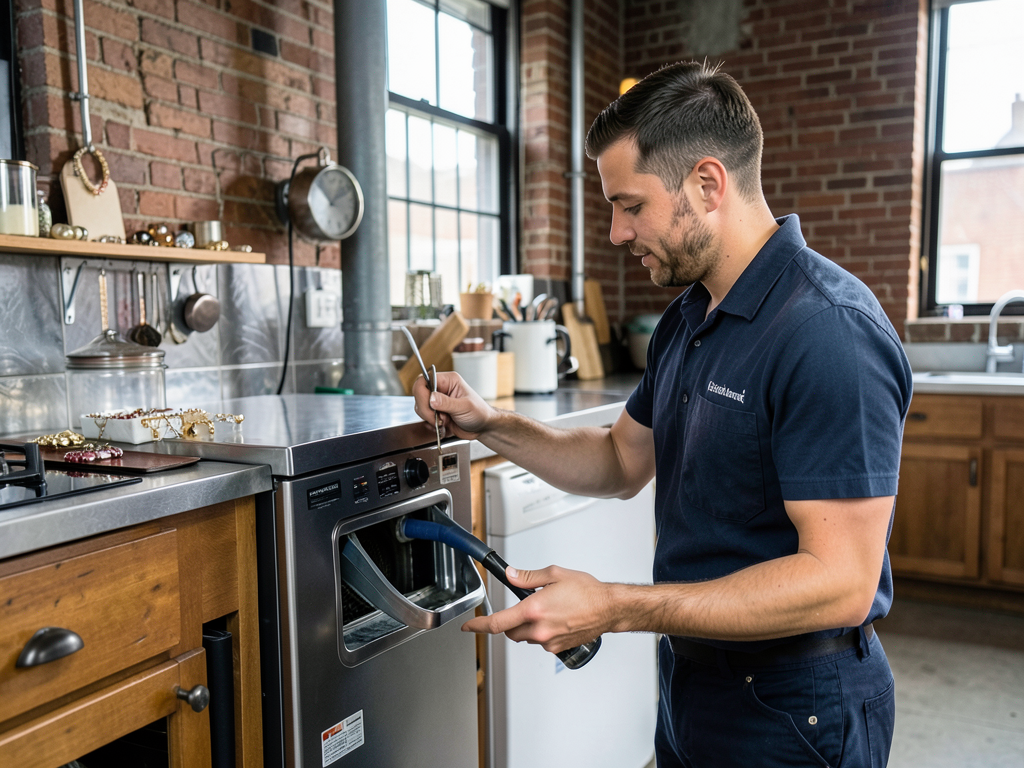
The Jewelry District’s historic buildings weren’t designed with modern disposals in mind. Many lofts feature original cast iron drain lines that have narrowed over decades from mineral buildup and corrosion. When you add problematic food waste to this equation, you’re essentially creating a perfect storm for clogs. The Providence Water Supply Board reports that Jewelry District buildings often have older pipes with internal diameters reduced by 30-50% compared to modern standards. What to Do if Your Federal Hill Water Heater Starts Leaking Everywhere.
1. Coffee Grounds: The Silent Pipe Clogger
Those morning coffee grounds seem harmless, but they’re actually one of the worst things for your disposal. When wet, coffee grounds become dense and paste-like, settling into pipe joints and creating stubborn blockages. In Jewelry District lofts with older plumbing, these grounds can accumulate in the p-trap beneath your sink, creating a cement-like mass that requires professional removal. Professional Drain Cleaning Services for Historic Homes on the East Side.
2. Eggshells: The Membrane Menace
Many people believe eggshells sharpen disposal blades, but this is a dangerous myth. The thin membrane lining the shell can wrap around the disposal’s impeller, while the shell fragments create granular waste that settles in pipes. In Providence’s hard water conditions, these shell particles combine with mineral deposits to form rock-hard blockages that even professional drain cleaning equipment struggles to clear. Water Heater Repair & Installation.
3. Fibrous Vegetables: The Impeller Wrapper
Celery, corn husks, asparagus, and onion skins are disposal killers. Their long, stringy fibers wrap around the impeller blades like fishing line around a motor shaft. Once wrapped, the disposal’s motor strains to turn, often burning out the unit completely. The Rhode Island plumbing code (Section 15-19-40) requires proper disposal maintenance to prevent exactly these kinds of motor failures.
4. Grease and Oil: The Solidifier
Hot grease might flow easily down the drain, but it solidifies as it cools in your pipes. In Jewelry District lofts where temperatures fluctuate with the seasons, grease can repeatedly melt and re-solidify, creating layers of blockage. Even small amounts of cooking oil can coat pipe walls, trapping other debris and creating the perfect environment for fruit fly infestations.
5. Starchy Foods: The Expansion Problem
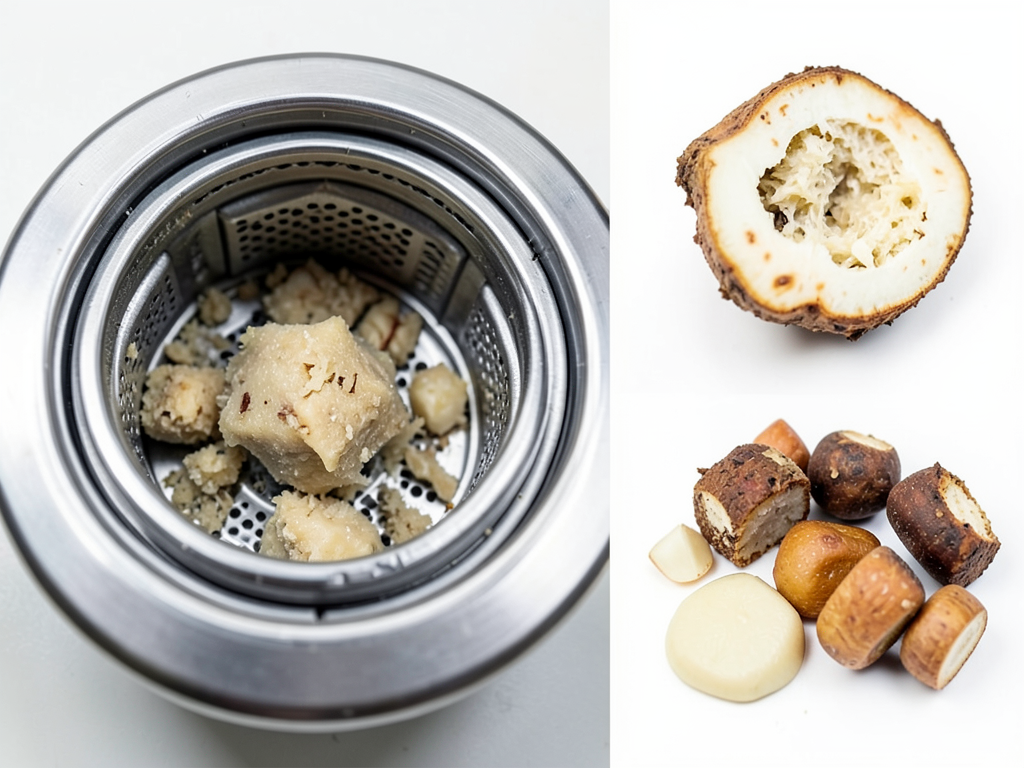
Pasta, rice, potato peels, and bread products expand when wet, creating a glue-like paste that fills disposal chambers and pipes. In the confined spaces of Jewelry District plumbing, these foods can double or triple in volume, completely blocking water flow. The paste also creates an ideal environment for bacterial growth, leading to those unpleasant disposal odors.
What You Can Safely Put Down Your Disposal
Soft, non-fibrous foods in small quantities are generally safe. Citrus peels can actually help clean and deodorize your disposal. Small amounts of cooked vegetables, fruit scraps, and leftover meat (without bones) typically pass through without issue. Always run cold water while operating the disposal and for 30 seconds afterward to flush debris through the pipes.
Jewelry District-Specific Disposal Maintenance Tips
Given the unique challenges of Jewelry District plumbing, consider these maintenance strategies:
- Run ice cubes through your disposal monthly to help clean the grinding chamber
- Never overload the disposal with more than one cup of food waste at a time
- Listen for unusual grinding sounds that might indicate foreign objects
- Check under your sink regularly for moisture that could indicate pipe corrosion
Common Disposal Problems in Historic Providence Buildings
Jewelry District lofts face specific disposal challenges. The combination of older plumbing, hard water, and dense urban living creates a perfect environment for disposal problems. Common issues include:
- Seized motors from fibrous material wrapping around impellers
- Leaking seals due to pipe vibration in older buildings
- Electrical problems from moisture exposure in humid Providence summers
- Clogged drain lines from incompatible waste combining with mineral buildup
When to Call a Professional
Some disposal problems require immediate professional attention. Call Cornerstone Plumbing at (401) 240-9711 if you experience:
- Complete loss of power to the disposal unit
- Water backing up into other drains when you run the disposal
- Persistent humming without grinding action
- Visible leaks under the sink that worsen over time
DIY Troubleshooting Steps
Before calling for service, try these safe troubleshooting steps:
- Check the Reset Button
Most disposals have a red reset button on the bottom. If the motor overheated, this button may have popped out. Press it firmly to reset the unit.
- Use the Hex Wrench
Insert the disposal’s hex wrench into the bottom slot and turn it back and forth to free any jammed impellers.
- Clear Visible Obstructions
With power disconnected, use tongs (never your hands) to remove any visible objects from the grinding chamber.
- Test the Circuit Breaker
Check your home’s electrical panel to ensure the disposal’s circuit hasn’t tripped.
Protecting Your Investment
Jewelry District lofts represent significant investments, and proper disposal maintenance helps protect that investment. The cost of a service call to clear a major clog or replace a burned-out disposal typically ranges from $150 to $400, while preventive maintenance costs nothing but a little attention to what goes down your drain.
Environmental Considerations
In Providence’s combined sewer system, food waste from disposals can contribute to treatment plant overload during heavy rains. The Narragansett Bay Commission recommends composting food scraps when possible, especially in the Jewelry District where older infrastructure is more vulnerable to system stress. Consider a countertop compost bin as an alternative to your disposal for fruit and vegetable scraps. Narragansett Bay Commission.
Local Building Code Compliance
The Providence building code requires all garbage disposals to be properly grounded and installed with adequate drainage. Section 15-19-40 specifically addresses food waste disposal units in residential buildings, requiring them to be connected to approved drainage systems with proper air gaps to prevent cross-contamination. Professional installation ensures your unit meets these requirements and won’t void your building’s occupancy permit. Reliable Sump Pump Installation for Elmhurst Homeowners Facing Wet Basements.
Emergency Prevention Checklist
Keep this checklist near your disposal to prevent emergency service calls:
- Never put the five forbidden items down the disposal
- Run cold water for 30 seconds before and after use
- Clean the disposal monthly with ice and citrus peels
- Listen for unusual sounds that indicate problems
- Check for leaks under the sink monthly
Professional Maintenance Services
Cornerstone Plumbing offers professional disposal maintenance services specifically designed for Jewelry District lofts. Our technicians understand the unique challenges of historic Providence plumbing and can identify potential problems before they become emergencies. We provide:
- Comprehensive disposal inspection and cleaning
- Leak detection and repair
- Motor testing and bearing inspection
- Recommendations for replacement when necessary
Cost Factors to Consider
When disposal problems occur in Jewelry District lofts, several factors affect repair costs: How to Get Fast Pipe Repair in Smith Hill Before the Next Big Freeze.
- Accessibility of the unit in tight loft spaces
- Age and condition of existing plumbing connections
- Whether emergency service is required after hours
- Complexity of removing and replacing units in historic buildings
Seasonal Considerations
Providence’s seasonal temperature changes affect disposal performance. Winter freezes can cause pipes to contract, creating gaps where food waste accumulates. Summer humidity increases bacterial growth in disposal chambers. Spring and fall are ideal times for professional maintenance to prepare your system for extreme weather conditions.
Technology Upgrades
Modern disposals offer features that benefit Jewelry District residents. Sound insulation reduces noise in open loft spaces. Anti-jam technology prevents common disposal failures. Energy-efficient motors use less electricity while providing more grinding power. Consider upgrading if your current unit is more than 10 years old.
Community Impact
Proper disposal use affects your entire Jewelry District community. Food waste in municipal systems can contribute to backups that affect multiple buildings. By following these guidelines, you help maintain the integrity of the neighborhood’s shared infrastructure, reducing the likelihood of widespread plumbing emergencies that could impact your neighbors.
Frequently Asked Questions
Can I put small bones down my garbage disposal?
Small, soft bones from fish or small poultry may pass through some disposals, but they’re not recommended for Jewelry District lofts with older plumbing. The risk of creating blockages in narrow historic pipes outweighs any convenience benefit.
How often should I clean my garbage disposal?
Clean your disposal monthly using ice cubes and citrus peels, or a mixture of baking soda and vinegar. This prevents odor buildup and keeps the grinding chamber free of debris that could cause jams.
What’s the average lifespan of a garbage disposal in a Jewelry District loft?
With proper maintenance, most disposals last 8-12 years. However, the demanding conditions in historic Providence buildings often reduce this to 5-7 years. Regular professional maintenance can extend unit life significantly.
Taking Action Today
Don’t wait for a disposal emergency to strike your Jewelry District loft. Start implementing these guidelines today to protect your kitchen plumbing and avoid costly service calls. Remember that what goes down your disposal affects not just your unit, but potentially your entire building’s plumbing system.
If you’re experiencing disposal problems or want professional maintenance for your Jewelry District kitchen, call Cornerstone Plumbing at (401) 240-9711. Our experienced technicians understand the unique challenges of historic Providence plumbing and can provide solutions that protect your investment. Don’t let a simple disposal issue turn into a major plumbing emergency.
Pick up the phone and call (401) 240-9711 today to schedule your inspection before the next big clog happens. Your Jewelry District loft deserves professional care from technicians who understand local plumbing challenges.
{
“@context”: “https://schema.org”,
“@type”: “BlogPosting”,
“headline”: “Five Things You Should Never Put Down the Disposal in Your Jewelry District Loft”,
“description”: “Protect your Jewelry District loft’s plumbing from costly disposal damage. Learn which foods to avoid and how Providence’s historic pipes create unique challenges.”,
“wordCount”: 1715,
“datePublished”: “2026-03-16T10:44:00.000Z”,
“dateModified”: “2026-03-16T10:44:00.000Z”,
“inLanguage”: “en-US”,
“mainEntityOfPage”: {
“@type”: “WebPage”,
“@id”: “https://cornerstoneplumbingprovidence.com”
},
“publisher”: {
“@type”: “LocalBusiness”,
“name”: “Cornerstone Plumbing Providence”,
“url”: “https://cornerstoneplumbingprovidence.com”
},
“author”: {
“@type”: “Organization”,
“name”: “Cornerstone Plumbing Providence”,
“url”: “https://cornerstoneplumbingprovidence.com”
},
“image”: {
“@type”: “ImageObject”,
“url”: “https://cornerstoneplumbingprovidence.com/wp-content/uploads/2026/03/five-things-you-should-never-put-down-the-disposal-1.png”
}
}
{
“@context”: “https://schema.org”,
“@type”: “Plumber”,
“name”: “Cornerstone Plumbing Providence”,
“url”: “https://cornerstoneplumbingprovidence.com”,
“address”: {
“@type”: “PostalAddress”,
“addressLocality”: “Providence”
},
“areaServed”: {
“@type”: “City”,
“name”: “Providence”
}
}
{
“@context”: “https://schema.org”,
“@type”: “FAQPage”,
“mainEntity”: [
{
“@type”: “Question”,
“name”: “Can I put small bones down my garbage disposal?”,
“acceptedAnswer”: {
“@type”: “Answer”,
“text”: “Small, soft bones from fish or small poultry may pass through some disposals, but they’re not recommended for Jewelry District lofts with older plumbing. The risk of creating blockages in narrow historic pipes outweighs any convenience benefit.”
}
},
{
“@type”: “Question”,
“name”: “How often should I clean my garbage disposal?”,
“acceptedAnswer”: {
“@type”: “Answer”,
“text”: “Clean your disposal monthly using ice cubes and citrus peels, or a mixture of baking soda and vinegar. This prevents odor buildup and keeps the grinding chamber free of debris that could cause jams.”
}
},
{
“@type”: “Question”,
“name”: “What’s the average lifespan of a garbage disposal in a Jewelry District loft?”,
“acceptedAnswer”: {
“@type”: “Answer”,
“text”: “With proper maintenance, most disposals last 8-12 years. However, the demanding conditions in historic Providence buildings often reduce this to 5-7 years. Regular professional maintenance can extend unit life significantly.”
}
}
]
}
{
“@context”: “https://schema.org”,
“@type”: “HowTo”,
“name”: “How to Troubleshoot a Garbage Disposal”,
“step”: [
{
“@type”: “HowToStep”,
“position”: 1,
“name”: “Check the Reset Button”,
“text”: “Most disposals have a red reset button on the bottom. If the motor overheated, this button may have popped out. Press it firmly to reset the unit.”
},
{
“@type”: “HowToStep”,
“position”: 2,
“name”: “Use the Hex Wrench”,
“text”: “Insert the disposal’s hex wrench into the bottom slot and turn it back and forth to free any jammed impellers.”
},
{
“@type”: “HowToStep”,
“position”: 3,
“name”: “Clear Visible Obstructions”,
“text”: “With power disconnected, use tongs (never your hands) to remove any visible objects from the grinding chamber.”
},
{
“@type”: “HowToStep”,
“position”: 4,
“name”: “Test the Circuit Breaker”,
“text”: “Check your home’s electrical panel to ensure the disposal’s circuit hasn’t tripped.”
}
],
“image”: “https://cornerstoneplumbingprovidence.com/wp-content/uploads/2026/03/five-things-you-should-never-put-down-the-disposal-1.png”
}
{
“@context”: “https://schema.org”,
“@type”: “BreadcrumbList”,
“itemListElement”: [
{
“@type”: “ListItem”,
“position”: 1,
“name”: “Home”,
“item”: “https://cornerstoneplumbingprovidence.com”
},
{
“@type”: “ListItem”,
“position”: 2,
“name”: “Blog”,
“item”: “https://cornerstoneplumbingprovidence.com/blog”
},
{
“@type”: “ListItem”,
“position”: 3,
“name”: “Five Things You Should Never Put Down the Disposal in Your Jewelry District Loft”
}
]
}
{
“@context”: “https://schema.org”,
“@type”: “Service”,
“serviceType”: “Plumbing”,
“provider”: {
“@type”: “LocalBusiness”,
“name”: “Cornerstone Plumbing Providence”,
“url”: “https://cornerstoneplumbingprovidence.com”
},
“areaServed”: {
“@type”: “City”,
“name”: “Providence”
},
“description”: “Protect your Jewelry District loft’s plumbing from costly disposal damage. Learn which foods to avoid and how Providence’s historic pipes create unique challenges.”
}