Planning Your Basement Bathroom Rough-In for a Lower South Providence Remodel
Adding a basement bathroom in Lower South Providence requires careful planning to meet Rhode Island plumbing codes and address local soil conditions. Most Lower South Providence homes sit on clay-rich soil with a high water table, which affects drainage and foundation work. A proper rough-in ensures your new bathroom will function safely and pass inspection without costly rework. Providence Building Board of Review.
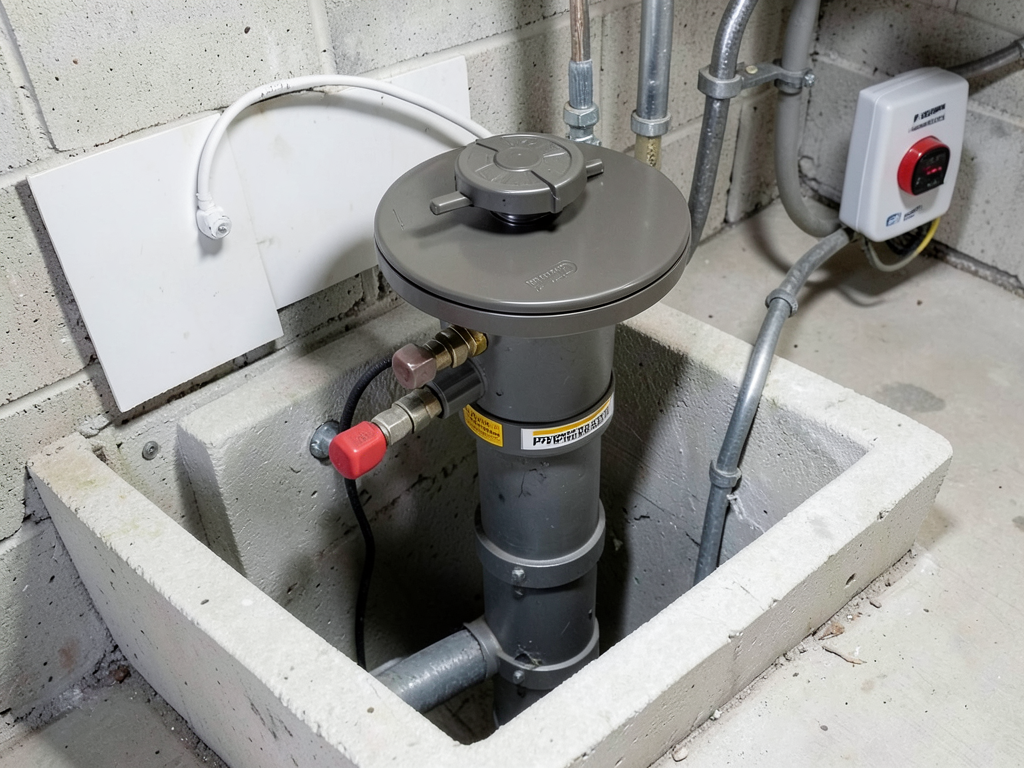
Before breaking ground, you need to decide between a gravity-fed system or a sewage ejector pump. Gravity systems only work if your main sewer line sits above the basement floor elevation. In Lower South Providence, most homes require an ejector pump because sewer lines run deeper to avoid seasonal flooding near the Providence River. The ejector pump lifts wastewater to the main line, but it needs a dedicated pit, check valve, and proper venting to prevent sewer gas backflow. What to Do if Your Federal Hill Water Heater Starts Leaking Everywhere.
Rhode Island State Building Code SBC-3 (Plumbing) governs all basement bathroom installations. You must obtain a plumbing permit from the Providence Building Board of Review before starting work. The code requires a minimum 1/4-inch-per-foot slope on drain pipes, a P-trap on every fixture, and proper venting to the roof. Ejector pumps must have a sealed lid and an alarm to warn of pump failure. Missing any of these steps can result in failed inspection and expensive corrections. Rhode Island State Building Code SBC-3 (Plumbing).
Lower South Providence’s older housing stock often has cast-iron or clay sewer laterals that are brittle and prone to root intrusion. When tying into these lines, plumbers use a clean-out adapter and test the connection under pressure before backfilling. If your home sits near the river or in a low-lying area, you may also need a backwater valve to prevent sewage backup during heavy rain. These valves automatically close if water flows backward, protecting your new bathroom from contamination. Water Heater Repair & Installation.
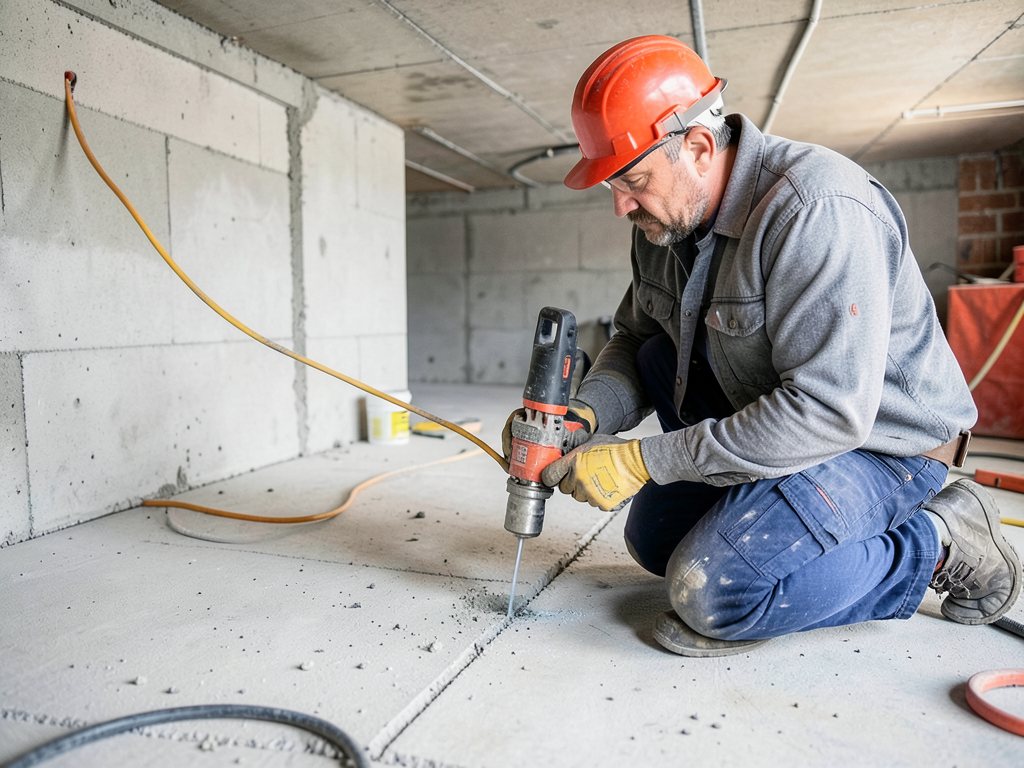
Concrete cutting is one of the messiest parts of a basement rough-in. Plumbers use a jackhammer to break the slab along the planned trench path, then remove soil to create space for the drain lines. Dust control is critical—contractors seal off the work area and use HEPA vacuums to keep your home clean. After laying the pipes and securing them with gravel, they pour new concrete to restore the floor. The entire process typically takes three to five days, depending on inspection timing and soil conditions. Professional Drain Cleaning Services for Historic Homes on the East Side.
Supply lines in basements often use PEX tubing because it resists freezing and is easier to route around obstacles than copper. PEX also expands slightly if water freezes, reducing the risk of burst pipes in Lower South Providence’s cold winters. If you prefer copper for its longevity, be prepared for higher material costs and more complex installation. Both materials must be protected from direct contact with concrete to prevent corrosion. Reliable Sump Pump Installation for Elmhurst Homeowners Facing Wet Basements.
Venting a basement bathroom can be tricky because the vent stack must rise above the roofline. In some cases, plumbers can tie the new vent into an existing stack if it’s sized correctly. If not, they install a new vent that exits through the roof. Poor venting causes slow drainage, gurgling sounds, and sewer gas odors. Always verify vent placement with your inspector before closing walls.
Once the rough-in is complete, you schedule a plumbing inspection with the City of Providence. The inspector checks pipe slopes, trap seals, vent connections, and the ejector pump installation. Only after passing inspection can you begin framing and finishing the bathroom. Skipping this step risks fines and having to tear out finished work. Who to Call for Safe Gas Line Installation in the West End.
Planning your basement bathroom rough-in in Lower South Providence means accounting for local soil, historic plumbing, and strict code requirements. By choosing the right system, following permit procedures, and working with an experienced plumber, you can add valuable living space without future headaches. Call (401) 240-9711 today to schedule your site survey and get a clear plan for your basement remodel.
Basement Bathroom Plumbing Systems Compared
| System Type | Best For | Installation Complexity | Cost Range |
|---|---|---|---|
| Gravity Drain | High main sewer line | Low | $1,500 – $3,000 |
| Sewage Ejector Pump | Low main sewer line | High | $4,000 – $8,000 |
| Macerating Pump | Upflush fixtures | Medium | $2,500 – $5,000 |
Steps to a Successful Basement Bathroom Rough-In
- Assess Existing Plumbing
Locate main sewer line depth and check for cast-iron or clay laterals. Test for leaks and root intrusion.
- Choose System Type
Decide between gravity drain or ejector pump based on sewer line elevation and local water table.
- Obtain Permits
Apply for a plumbing permit from the Providence Building Board of Review. Submit plans showing pipe routes and fixture locations.
- Excavate and Cut Concrete
Jackhammer trench path, remove soil, and install drain pipes with proper slope. Use dust control measures.
- Install Ejector Pit (if needed)
Dig pit, set pump, connect discharge line, and test for leaks. Install alarm and sealed lid.
- Run Supply Lines
Install PEX or copper lines, protect from concrete contact, and pressure test for leaks.
- Vent and Inspect
Connect vents to existing stack or install new roof vent. Schedule rough-in inspection before closing walls.
Common Basement Bathroom Challenges in Lower South Providence
Older homes in Lower South Providence often have undersized or corroded sewer laterals. These pipes may collapse under the weight of new concrete or fail to handle additional flow. A video camera inspection can reveal cracks, offsets, or root blockages before you begin. If the lateral is compromised, replacing it during the rough-in saves you from tearing up a finished bathroom later.
High groundwater is another concern. During heavy rains, the water table can rise above basement floor level, putting pressure on under-slab plumbing. Installing a French drain or sump pit near the bathroom helps relieve hydrostatic pressure. Some homeowners also add a battery backup to the ejector pump so the bathroom remains functional during power outages.
Historic preservation rules may apply if your home is in a designated district. Exterior vent changes or visible equipment might require approval from the Providence Historic District Commission. Check early to avoid delays.
Permit and Code Requirements
Rhode Island State Building Code SBC-3 (Plumbing) requires a permit for all new basement bathrooms. You submit plans showing fixture locations, pipe sizes, and venting details. The Providence Building Board of Review reviews them for code compliance. After rough-in, a plumbing inspector checks slopes, traps, and connections before you can close walls.
Ejector pumps must have a sealed, gasketed lid to prevent sewer gas escape. The discharge line needs a check valve to stop backflow. A high-water alarm is mandatory to alert you of pump failure. Vent pipes must extend at least six inches above the roof and be at least 1.5 inches in diameter.
Backwater valves are required in flood-prone areas. These devices close automatically if city sewage backs up, protecting your new fixtures. Installing one during the rough-in is far easier than retrofitting later.
Frequently Asked Questions
How long does a basement bathroom rough-in take?
Most rough-ins take three to five days, including concrete cutting, pipe installation, and inspection. Delays can occur if the inspector finds issues or if soil conditions complicate excavation.
Can I use my existing sewer line for a basement bathroom?
Only if the main line sits above your basement floor elevation. In Lower South Providence, most homes need an ejector pump because sewer lines run deep to avoid flooding.
What is the cost difference between PEX and copper supply lines?
PEX costs about 30% less than copper and is easier to install in tight spaces. Copper lasts longer but requires more skill to route and is more expensive.. Read more about Thinking About a Bidet? (What You Need to Know for Your Wayland Square Bathroom).
Do I need a permit for a basement bathroom?
Yes. Rhode Island State Building Code SBC-3 (Plumbing) requires a permit from the Providence Building Board of Review. Work without a permit can result in fines and failed inspection.
How do I prevent basement bathroom flooding?
Install a backwater valve to block sewage backup, add a French drain or sump pit to relieve groundwater pressure, and consider a battery backup for the ejector pump.
[IMAGE_PLACEHOLDER_3>
Ready to Start Your Basement Bathroom Project?
Planning a basement bathroom in Lower South Providence means navigating local codes, soil conditions, and historic plumbing. Don’t risk costly mistakes by guessing your way through. Call (401) 240-9711 today to schedule a professional site survey. We’ll assess your existing plumbing, recommend the right system, handle permits, and ensure your rough-in passes inspection the first time. Pick up the phone and call (401) 240-9711 before the next storm hits—your new bathroom depends on getting the foundation right from day one.
{
“@context”: “https://schema.org”,
“@type”: “BlogPosting”,
“headline”: “Planning Your Basement Bathroom Rough-In for a Lower South Providence Remodel”,
“description”: “Expert guide to basement bathroom rough-in in Lower South Providence. Learn RI codes, ejector pump systems, and permit steps for a code-compliant remodel.”,
“wordCount”: 1474,
“datePublished”: “2026-03-15T12:19:00.000Z”,
“dateModified”: “2026-03-15T12:19:00.000Z”,
“inLanguage”: “en-US”,
“mainEntityOfPage”: {
“@type”: “WebPage”,
“@id”: “https://cornerstoneplumbingprovidence.com”
},
“publisher”: {
“@type”: “LocalBusiness”,
“name”: “Cornerstone Plumbing Providence”,
“url”: “https://cornerstoneplumbingprovidence.com”
},
“author”: {
“@type”: “Organization”,
“name”: “Cornerstone Plumbing Providence”,
“url”: “https://cornerstoneplumbingprovidence.com”
},
“image”: {
“@type”: “ImageObject”,
“url”: “https://cornerstoneplumbingprovidence.com/wp-content/uploads/2026/03/planning-your-basement-bathroom-rough-in-for-a-low-1.png”
}
}
{
“@context”: “https://schema.org”,
“@type”: “Plumber”,
“name”: “Cornerstone Plumbing Providence”,
“url”: “https://cornerstoneplumbingprovidence.com”,
“address”: {
“@type”: “PostalAddress”,
“addressLocality”: “Providence”
},
“areaServed”: {
“@type”: “City”,
“name”: “Providence”
}
}
{
“@context”: “https://schema.org”,
“@type”: “FAQPage”,
“mainEntity”: [
{
“@type”: “Question”,
“name”: “How long does a basement bathroom rough-in take?”,
“acceptedAnswer”: {
“@type”: “Answer”,
“text”: “Most rough-ins take three to five days, including concrete cutting, pipe installation, and inspection. Delays can occur if the inspector finds issues or if soil conditions complicate excavation.”
}
},
{
“@type”: “Question”,
“name”: “Can I use my existing sewer line for a basement bathroom?”,
“acceptedAnswer”: {
“@type”: “Answer”,
“text”: “Only if the main line sits above your basement floor elevation. In Lower South Providence, most homes need an ejector pump because sewer lines run deep to avoid flooding.”
}
},
{
“@type”: “Question”,
“name”: “What is the cost difference between PEX and copper supply lines?”,
“acceptedAnswer”: {
“@type”: “Answer”,
“text”: “PEX costs about 30% less than copper and is easier to install in tight spaces. Copper lasts longer but requires more skill to route and is more expensive.”
}
},
{
“@type”: “Question”,
“name”: “Do I need a permit for a basement bathroom?”,
“acceptedAnswer”: {
“@type”: “Answer”,
“text”: “Yes. Rhode Island State Building Code SBC-3 (Plumbing) requires a permit from the Providence Building Board of Review. Work without a permit can result in fines and failed inspection.”
}
},
{
“@type”: “Question”,
“name”: “How do I prevent basement bathroom flooding?”,
“acceptedAnswer”: {
“@type”: “Answer”,
“text”: “Install a backwater valve to block sewage backup, add a French drain or sump pit to relieve groundwater pressure, and consider a battery backup for the ejector pump.”
}
},
{
“@type”: “Question”,
“name”: “Ready to Start Your Basement Bathroom Project?”,
“acceptedAnswer”: {
“@type”: “Answer”,
“text”: “Planning a basement bathroom in Lower South Providence means navigating local codes, soil conditions, and historic plumbing. Don’t risk costly mistakes by guessing your way through. Call (401) 240-9711 today to schedule a professional site survey. We’ll assess your existing plumbing, recommend the right system, handle permits, and ensure your rough-in passes inspection the first time. Pick up the phone and call (401) 240-9711 before the next storm hits—your new bathroom depends on getting the foundation right from day one.”
}
}
]
}
{
“@context”: “https://schema.org”,
“@type”: “HowTo”,
“name”: “How to Plan Your Basement Bathroom Rough-In”,
“step”: [
{
“@type”: “HowToStep”,
“position”: 1,
“name”: “Assess Existing Plumbing”,
“text”: “Locate main sewer line depth and check for cast-iron or clay laterals. Test for leaks and root intrusion.”
},
{
“@type”: “HowToStep”,
“position”: 2,
“name”: “Choose System Type”,
“text”: “Decide between gravity drain or ejector pump based on sewer line elevation and local water table.”
},
{
“@type”: “HowToStep”,
“position”: 3,
“name”: “Obtain Permits”,
“text”: “Apply for a plumbing permit from the Providence Building Board of Review. Submit plans showing pipe routes and fixture locations.”
},
{
“@type”: “HowToStep”,
“position”: 4,
“name”: “Excavate and Cut Concrete”,
“text”: “Jackhammer trench path, remove soil, and install drain pipes with proper slope. Use dust control measures.”
},
{
“@type”: “HowToStep”,
“position”: 5,
“name”: “Install Ejector Pit (if needed)”,
“text”: “Dig pit, set pump, connect discharge line, and test for leaks. Install alarm and sealed lid.”
},
{
“@type”: “HowToStep”,
“position”: 6,
“name”: “Run Supply Lines”,
“text”: “Install PEX or copper lines, protect from concrete contact, and pressure test for leaks.”
},
{
“@type”: “HowToStep”,
“position”: 7,
“name”: “Vent and Inspect”,
“text”: “Connect vents to existing stack or install new roof vent. Schedule rough-in inspection before closing walls.”
}
],
“image”: “https://cornerstoneplumbingprovidence.com/wp-content/uploads/2026/03/planning-your-basement-bathroom-rough-in-for-a-low-1.png”
}
{
“@context”: “https://schema.org”,
“@type”: “BreadcrumbList”,
“itemListElement”: [
{
“@type”: “ListItem”,
“position”: 1,
“name”: “Home”,
“item”: “https://cornerstoneplumbingprovidence.com”
},
{
“@type”: “ListItem”,
“position”: 2,
“name”: “Blog”,
“item”: “https://cornerstoneplumbingprovidence.com/blog”
},
{
“@type”: “ListItem”,
“position”: 3,
“name”: “Planning Your Basement Bathroom Rough-In for a Lower South Providence Remodel”
}
]
}
{
“@context”: “https://schema.org”,
“@type”: “Service”,
“serviceType”: “Plumbing”,
“provider”: {
“@type”: “LocalBusiness”,
“name”: “Cornerstone Plumbing Providence”,
“url”: “https://cornerstoneplumbingprovidence.com”
},
“areaServed”: {
“@type”: “City”,
“name”: “Providence”
},
“description”: “Expert guide to basement bathroom rough-in in Lower South Providence. Learn RI codes, ejector pump systems, and permit steps for a code-compliant remodel.”
}