How to Flush Your Water Heater to Extend Its Life (A Guide for West End Multi-Family Owners)
Water heaters in Providence’s West End face unique challenges from the city’s aging infrastructure and mineral-rich water supply. Flushing your water heater removes sediment buildup that reduces efficiency and shortens tank life. This guide walks you through the process step-by-step, with specific considerations for West End multi-family properties. Providence Water Supply Board.
Why West End Water Heaters Need Regular Flushing
The West End’s water comes from the Scituate Reservoir through Providence Water Supply Board pipes that date back decades in many areas. This water carries dissolved minerals and fine sediment that settle at the bottom of your tank. Over time, this sediment layer acts like insulation between the burner and the water, forcing your system to work harder and increasing energy costs by up to 30% according to the Department of Energy. EPA Water Heater Maintenance Guide.
Multi-family buildings in the West End face additional strain. Higher hot water demand means more frequent heating cycles, accelerating sediment accumulation. The area’s historic architecture, with many buildings constructed before 1950, often features original plumbing that contributes to sediment issues. You’ll notice symptoms like popping sounds from the tank, reduced hot water capacity, or rusty-colored water from your taps. What to Do if Your Federal Hill Water Heater Starts Leaking Everywhere.
Rhode Island Plumbing Code Section 12-2-3 requires that all water heater installations include a functional temperature and pressure relief valve. During flushing, you’ll test this critical safety component. The code also mandates proper drainage procedures to prevent water damage to surrounding areas. Reliable Sump Pump Installation for Elmhurst Homeowners Facing Wet Basements.
Tools and Supplies You’ll Need
Before starting, gather these items:
- Garden hose (50 feet minimum)
- Large bucket (5-gallon capacity)
- Adjustable wrench
- Flathead screwdriver
- Teflon tape
- Work gloves
- Safety goggles
- Flashlight
Most West End hardware stores like Cumberland Farms Hardware on Westminster Street stock these supplies. The sediment you’ll flush can be particularly heavy due to the area’s mineral content, so ensure your drainage area can handle the volume. Professional Drain Cleaning Services for Historic Homes on the East Side.
Step-by-Step Flushing Process
- Turn Off Power or Gas Supply
For electric heaters, switch off the circuit breaker at your electrical panel. For gas models, turn the gas control valve to “pilot” position. This prevents accidental heating of an empty tank which can damage heating elements or crack the tank. Water Heater Repair & Installation.
- Shut Off Cold Water Supply
Locate the cold water shut-off valve at the top of your water heater. Turn it clockwise until it stops. This valve controls water entering the tank and prevents new water from mixing with the sediment you’re about to remove.. Read more about Replacing a Stuck Main Water Shut-Off Valve in Your East Side Home.
- Connect the Drain Hose
Attach one end of your garden hose to the drain valve at the bottom of the tank. Route the other end to a suitable drainage location. West End basements often drain to floor drains or outside through basement windows. Never drain hot water onto lawns or gardens as it can kill vegetation.. Read more about Why High Water Pressure is Actually Ruining the Plumbing in Your College Hill Home.
- Open the Pressure Relief Valve
Flip the lever on the temperature and pressure relief valve at the top or side of the tank. This breaks the vacuum and allows water to flow freely. If you hear a hissing sound, this indicates proper function. If no water flows, the valve may be faulty and require replacement.. Read more about Does a Tankless Water Heater Really Save Money in a Washington Park Single Family Home?.
- Drain the Tank
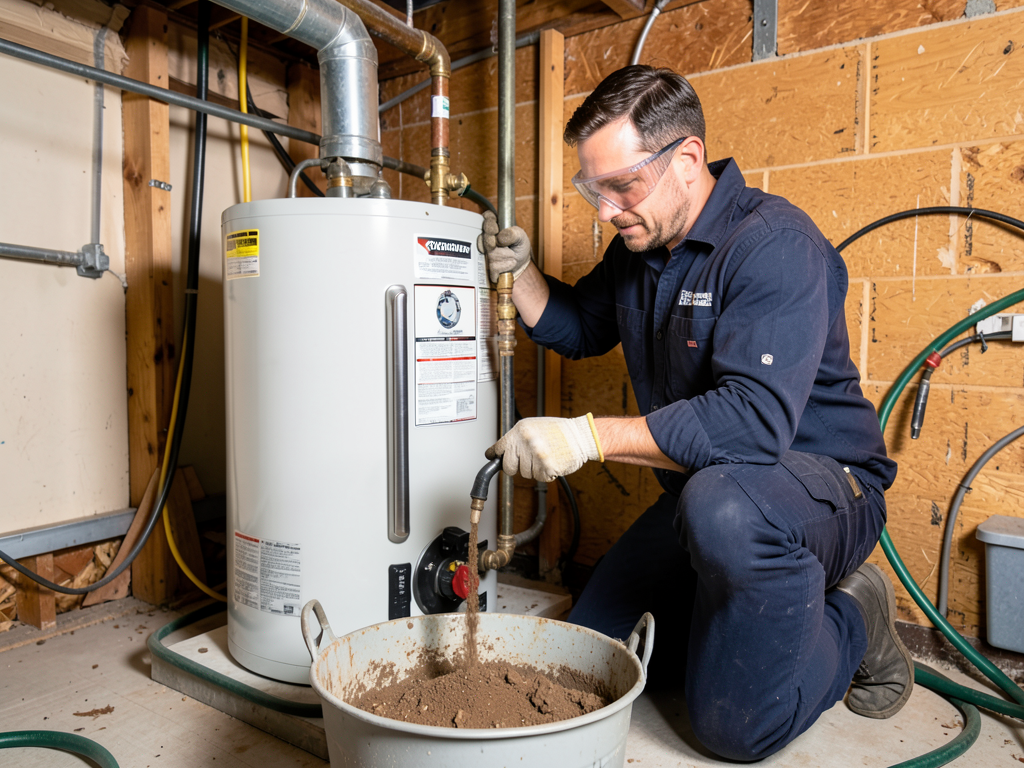
Open the drain valve slowly using your wrench. Initially, you’ll see cloudy water mixed with sediment. For West End properties, expect significant sediment due to the area’s water composition. Let the tank drain completely, which typically takes 20-30 minutes for a standard 40-gallon tank.
- Flush with Cold Water
Once drained, briefly open the cold water supply valve for 30 seconds. This stirs up remaining sediment. Drain again until water runs clear. Repeat this process 2-3 times for thorough cleaning. West End water heaters often require multiple flushes due to heavy sediment buildup.
- Inspect the Anode Rod
While the tank is empty, check the anode rod located on top of the heater. Use your wrench to remove it. If it’s less than ½ inch thick or heavily corroded, replace it. This rod protects your tank from internal corrosion and typically needs replacement every 3-5 years in Providence’s water conditions.
- Close Valves and Refill
Close the drain valve tightly. Close the pressure relief valve if you opened it. Turn on the cold water supply and allow the tank to refill completely. You’ll know it’s full when water flows steadily from the hot water faucet you left open.
- Restore Power or Gas
For electric heaters, turn the circuit breaker back on. For gas models, turn the gas control valve to “on” and relight the pilot light following your manufacturer’s instructions. You may need to press the reset button on the control panel.
- Check for Leaks
Inspect all connections for the next hour. Pay special attention to the drain valve and pressure relief valve. Use your flashlight to check for any moisture around fittings. Address any leaks immediately to prevent water damage.
Gas vs. Electric: Specific Considerations for West End Properties
West End multi-family buildings typically feature either natural gas or electric water heaters. Gas models heat water faster but require careful pilot light management. Electric units are simpler but may struggle during winter peak demand periods.
Gas water heaters need extra attention to the thermocouple, which senses whether the pilot light is lit. If your pilot won’t stay lit after flushing, the thermocouple may need cleaning or replacement. This is common in older West End buildings where gas lines have accumulated debris over decades.
Electric water heaters in the West End often have two heating elements. During flushing, sediment can sometimes damage the lower element. Listen for unusual sounds when restoring power – a crackling noise might indicate sediment trapped around the element.
Common Providence Plumbing Issues and Solutions
West End homeowners frequently encounter stuck drain valves, especially in units over 10 years old. Apply penetrating oil and let it sit for 30 minutes before attempting to open again. Never force a stuck valve as this can break the plastic fitting.
The area’s older homes often have galvanized steel pipes that contribute to sediment problems. If you notice rust-colored water that doesn’t clear after flushing, you may have pipe corrosion issues requiring professional attention.
Hard water in Providence means mineral deposits can clog the pressure relief valve. Test this valve annually by lifting the lever and allowing some water to discharge. If it doesn’t seal properly afterward, replace it immediately – this is a critical safety component.
When to Call a Providence Professional Plumber
DIY flushing works for most situations, but certain signs indicate you need professional help. Call (401) 240-9711 if you notice:
- Water leaking from the tank itself (not just connections)
- Gas odor near a gas water heater
- Electrical issues like tripped breakers that won’t reset
- Severe corrosion on any tank components
- Age over 10-12 years for standard tanks
Professional flushing in Providence typically costs $150-250, depending on your unit’s location and accessibility. This investment often pays for itself through improved efficiency and extended equipment life.
Best Times to Flush in New England Climate
Schedule your water heater maintenance during mild weather seasons. Late spring or early fall works best for West End properties. Avoid mid-winter when emergency plumbing services are busiest with frozen pipe calls.
Providence’s freeze-thaw cycles can stress your water heater’s connections. Flushing before winter ensures your system operates efficiently during peak heating season when you need reliable hot water most.
Water Quality and Its Impact on Your Heater
Providence’s water from the Scituate Reservoir has moderate hardness levels around 80-100 mg/L. While not extreme, this mineral content accumulates over time. The city’s aging distribution system adds additional sediment as pipes corrode internally.
West End buildings near major infrastructure projects may experience more sediment due to construction-related disturbances in water mains. If you notice increased sediment after nearby road work, schedule an additional flush.
Maintenance Schedule for Multi-Family Properties
For West End multi-family buildings, flush water heaters annually at minimum. Properties with 4+ units or those housing student populations may need biannual flushing due to higher usage patterns.
Keep maintenance records including flush dates, anode rod replacements, and any repairs. This documentation helps track your system’s health and proves due diligence for insurance purposes. How to Get Fast Pipe Repair in Smith Hill Before the Next Big Freeze.
Safety Precautions for West End Homes
Older West End basements often have limited ventilation. When working with gas water heaters, ensure adequate airflow to prevent carbon monoxide buildup. Never operate gas appliances in completely sealed spaces.
Many West End homes have combination heating systems where boilers and water heaters share venting. Be aware of these connections when performing maintenance to avoid disrupting your heating system.
Cost-Benefit Analysis of Regular Maintenance
A properly maintained water heater in Providence’s climate typically lasts 10-12 years. Skipping regular flushing can reduce this to 6-8 years, costing you $800-1,200 in premature replacement. The energy savings from efficient operation often offset the cost of annual maintenance within the first year.
Multi-family property owners should consider the cumulative impact. A 10-unit building with inefficient water heaters wastes thousands of dollars annually in energy costs that could be saved through proper maintenance.
Local Hardware Store Resources
West End residents can find water heater supplies at several local locations:
- Cumberland Farms Hardware on Westminster Street
- Home Depot on Branch Avenue
- Lowe’s in Cranston (near the West End)
These stores stock replacement parts compatible with common water heater brands found in Providence homes.
Environmental Considerations
Providence’s water treatment plant processes over 65 million gallons daily. By maintaining your water heater, you help reduce energy consumption and extend equipment life, contributing to the city’s sustainability goals.
Dispose of flushed water responsibly. The sediment contains minerals that can benefit soil in moderation, but avoid dumping large volumes in one area. Consider using the water for cleaning projects where the sediment won’t cause issues.
Frequently Asked Questions
How often should I flush my water heater in Providence?
Annual flushing is recommended for most Providence homes. West End properties with older plumbing or higher usage may benefit from twice-yearly maintenance. Check your anode rod annually and replace it every 3-5 years.
Can I flush a tankless water heater?
Yes, but the process differs. Tankless units require descaling with a vinegar solution to remove mineral buildup from the heat exchanger. This process is more complex and often requires professional service.
What if my water heater is in a tight space?
West End homes often have water heaters in small utility closets or basements with limited access. Use flexible hoses and consider professional help if you cannot safely reach all connections. Never force access that could damage surrounding structures.
How long does a typical flush take?
Plan for 2-3 hours including preparation and cleanup. The actual draining process takes 20-40 minutes depending on your tank size and sediment level. Allow additional time for any repairs or part replacements you discover during the process.
Should I replace my old water heater instead of flushing it?
If your unit is over 10 years old, leaking, or showing significant corrosion, replacement is often more cost-effective than continued maintenance. Modern high-efficiency models can reduce energy costs by 20-30% compared to units from the 1990s.
Conclusion
Regular water heater flushing is essential maintenance for West End property owners. The process removes sediment that reduces efficiency, prevents premature tank failure, and ensures reliable hot water when you need it most. While DIY flushing saves money, don’t hesitate to call professionals for complex issues or if you’re unsure about any step.
Remember that water heater maintenance involves high temperatures and pressure. Always prioritize safety over speed. If you encounter problems beyond your comfort level, professional plumbers in Providence are just a phone call away.
Ready to protect your investment? Call (401) 240-9711 today to schedule your professional water heater inspection or flushing service. Don’t wait until you’re taking cold showers to address sediment buildup.
Need emergency help right now? Our team responds 24/7 to water heater issues throughout Providence’s West End and surrounding neighborhoods. Pick up the phone and call (401) 240-9711 before the next cold snap hits.. Read more about Choosing the Right Horsepower Garbage Disposal for Your Smith Hill Rental Property.
You may also find this helpful. Farmhouse Sink vs. Undermount (Choosing the Right Plumbing Setup for Your West End Renovation).
{
“@context”: “https://schema.org”,
“@type”: “BlogPosting”,
“headline”: “How to Flush Your Water Heater to Extend Its Life (A Guide for West End Multi-Family Owners)”,
“description”: “Learn how to flush your water heater in Providence’s West End to prevent sediment buildup, extend tank life, and avoid costly replacements. Step-by-step guide for multi-family owners.”,
“wordCount”: 2050,
“datePublished”: “2026-03-25T14:30:00.000Z”,
“dateModified”: “2026-03-25T14:30:00.000Z”,
“inLanguage”: “en-US”,
“mainEntityOfPage”: {
“@type”: “WebPage”,
“@id”: “https://cornerstoneplumbingprovidence.com”
},
“publisher”: {
“@type”: “LocalBusiness”,
“name”: “Cornerstone Plumbing Providence”,
“url”: “https://cornerstoneplumbingprovidence.com”
},
“author”: {
“@type”: “Organization”,
“name”: “Cornerstone Plumbing Providence”,
“url”: “https://cornerstoneplumbingprovidence.com”
},
“image”: {
“@type”: “ImageObject”,
“url”: “https://cornerstoneplumbingprovidence.com/wp-content/uploads/2026/03/how-to-flush-your-water-heater-to-extend-its-life-1.png”
}
}
{
“@context”: “https://schema.org”,
“@type”: “Plumber”,
“name”: “Cornerstone Plumbing Providence”,
“url”: “https://cornerstoneplumbingprovidence.com”,
“address”: {
“@type”: “PostalAddress”,
“addressLocality”: “Providence”
},
“areaServed”: {
“@type”: “City”,
“name”: “Providence”
}
}
{
“@context”: “https://schema.org”,
“@type”: “FAQPage”,
“mainEntity”: [
{
“@type”: “Question”,
“name”: “How often should I flush my water heater in Providence?”,
“acceptedAnswer”: {
“@type”: “Answer”,
“text”: “Annual flushing is recommended for most Providence homes. West End properties with older plumbing or higher usage may benefit from twice-yearly maintenance. Check your anode rod annually and replace it every 3-5 years.”
}
},
{
“@type”: “Question”,
“name”: “Can I flush a tankless water heater?”,
“acceptedAnswer”: {
“@type”: “Answer”,
“text”: “Yes, but the process differs. Tankless units require descaling with a vinegar solution to remove mineral buildup from the heat exchanger. This process is more complex and often requires professional service.”
}
},
{
“@type”: “Question”,
“name”: “What if my water heater is in a tight space?”,
“acceptedAnswer”: {
“@type”: “Answer”,
“text”: “West End homes often have water heaters in small utility closets or basements with limited access. Use flexible hoses and consider professional help if you cannot safely reach all connections. Never force access that could damage surrounding structures.”
}
},
{
“@type”: “Question”,
“name”: “How long does a typical flush take?”,
“acceptedAnswer”: {
“@type”: “Answer”,
“text”: “Plan for 2-3 hours including preparation and cleanup. The actual draining process takes 20-40 minutes depending on your tank size and sediment level. Allow additional time for any repairs or part replacements you discover during the process.”
}
},
{
“@type”: “Question”,
“name”: “Should I replace my old water heater instead of flushing it?”,
“acceptedAnswer”: {
“@type”: “Answer”,
“text”: “If your unit is over 10 years old, leaking, or showing significant corrosion, replacement is often more cost-effective than continued maintenance. Modern high-efficiency models can reduce energy costs by 20-30% compared to units from the 1990s.”
}
}
]
}
{
“@context”: “https://schema.org”,
“@type”: “HowTo”,
“name”: “How to Flush a Water Heater”,
“step”: [
{
“@type”: “HowToStep”,
“position”: 1,
“name”: “Turn Off Power or Gas Supply”,
“text”: “For electric heaters, switch off the circuit breaker at your electrical panel. For gas models, turn the gas control valve to \”pilot\” position. This prevents accidental heating of an empty tank which can damage heating elements or crack the tank. Water Heater Repair & Installation.”
},
{
“@type”: “HowToStep”,
“position”: 2,
“name”: “Shut Off Cold Water Supply”,
“text”: “Locate the cold water shut-off valve at the top of your water heater. Turn it clockwise until it stops. This valve controls water entering the tank and prevents new water from mixing with the sediment you’re about to remove.”
},
{
“@type”: “HowToStep”,
“position”: 3,
“name”: “Connect the Drain Hose”,
“text”: “Attach one end of your garden hose to the drain valve at the bottom of the tank. Route the other end to a suitable drainage location. West End basements often drain to floor drains or outside through basement windows. Never drain hot water onto lawns or gardens as it can kill vegetation.”
},
{
“@type”: “HowToStep”,
“position”: 4,
“name”: “Open the Pressure Relief Valve”,
“text”: “Flip the lever on the temperature and pressure relief valve at the top or side of the tank. This breaks the vacuum and allows water to flow freely. If you hear a hissing sound, this indicates proper function. If no water flows, the valve may be faulty and require replacement.”
},
{
“@type”: “HowToStep”,
“position”: 5,
“name”: “Drain the Tank”,
“text”: “Open the drain valve slowly using your wrench. Initially, you’ll see cloudy water mixed with sediment. For West End properties, expect significant sediment due to the area’s water composition. Let the tank drain completely, which typically takes 20-30 minutes for a standard 40-gallon tank.”
},
{
“@type”: “HowToStep”,
“position”: 6,
“name”: “Flush with Cold Water”,
“text”: “Once drained, briefly open the cold water supply valve for 30 seconds. This stirs up remaining sediment. Drain again until water runs clear. Repeat this process 2-3 times for thorough cleaning. West End water heaters often require multiple flushes due to heavy sediment buildup.”
},
{
“@type”: “HowToStep”,
“position”: 7,
“name”: “Inspect the Anode Rod”,
“text”: “While the tank is empty, check the anode rod located on top of the heater. Use your wrench to remove it. If it’s less than ½ inch thick or heavily corroded, replace it. This rod protects your tank from internal corrosion and typically needs replacement every 3-5 years in Providence’s water conditions.”
},
{
“@type”: “HowToStep”,
“position”: 8,
“name”: “Close Valves and Refill”,
“text”: “Close the drain valve tightly. Close the pressure relief valve if you opened it. Turn on the cold water supply and allow the tank to refill completely. You’ll know it’s full when water flows steadily from the hot water faucet you left open.”
},
{
“@type”: “HowToStep”,
“position”: 9,
“name”: “Restore Power or Gas”,
“text”: “For electric heaters, turn the circuit breaker back on. For gas models, turn the gas control valve to \”on\” and relight the pilot light following your manufacturer’s instructions. You may need to press the reset button on the control panel.”
},
{
“@type”: “HowToStep”,
“position”: 10,
“name”: “Check for Leaks”,
“text”: “Inspect all connections for the next hour. Pay special attention to the drain valve and pressure relief valve. Use your flashlight to check for any moisture around fittings. Address any leaks immediately to prevent water damage.”
}
],
“image”: “https://cornerstoneplumbingprovidence.com/wp-content/uploads/2026/03/how-to-flush-your-water-heater-to-extend-its-life-1.png”
}
{
“@context”: “https://schema.org”,
“@type”: “BreadcrumbList”,
“itemListElement”: [
{
“@type”: “ListItem”,
“position”: 1,
“name”: “Home”,
“item”: “https://cornerstoneplumbingprovidence.com”
},
{
“@type”: “ListItem”,
“position”: 2,
“name”: “Blog”,
“item”: “https://cornerstoneplumbingprovidence.com/blog”
},
{
“@type”: “ListItem”,
“position”: 3,
“name”: “How to Flush Your Water Heater to Extend Its Life (A Guide for West End Multi-Family Owners)”
}
]
}
{
“@context”: “https://schema.org”,
“@type”: “Service”,
“serviceType”: “Plumbing”,
“provider”: {
“@type”: “LocalBusiness”,
“name”: “Cornerstone Plumbing Providence”,
“url”: “https://cornerstoneplumbingprovidence.com”
},
“areaServed”: {
“@type”: “City”,
“name”: “Providence”
},
“description”: “Learn how to flush your water heater in Providence’s West End to prevent sediment buildup, extend tank life, and avoid costly replacements. Step-by-step guide for multi-family owners.”
}