Stopping Mold Before It Starts with Better Bathroom Ventilation in the Armory District
Old Providence homes in the Armory District face unique moisture challenges. Steam from showers, combined with poor ventilation in historic buildings, creates perfect conditions for mold growth behind walls and under floors. The solution starts with proper bathroom ventilation that removes humid air before it causes damage.
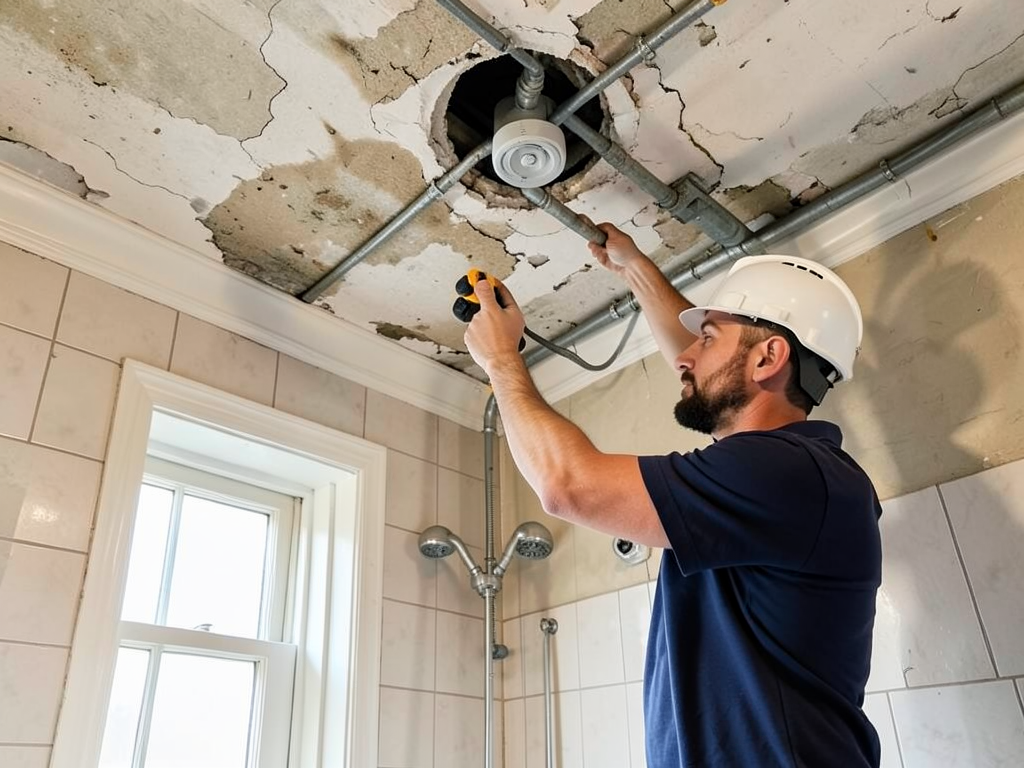
Moisture damage in Armory District bathrooms often begins silently. Water vapor from daily showers accumulates in wall cavities and ceiling spaces. Without adequate exhaust, this moisture condenses on cooler surfaces, feeding mold spores that already exist in most buildings. Over time, this leads to peeling paint, warped trim, and the musty odors that signal deeper problems. Water Heater Repair & Installation.
Rhode Island’s humid summers and cold winters compound the issue. Temperature swings cause condensation on ductwork and in attic spaces. The Armory District’s mix of historic Triple Deckers and converted buildings presents additional challenges with outdated venting systems that may not meet current building codes.
Professional bathroom fan installation addresses these issues through proper sizing, correct duct routing, and code-compliant electrical connections. A correctly installed system removes moisture at the source, protecting your home’s structure and improving indoor air quality. Professional Drain Cleaning Services for Historic Homes on the East Side.
Why Armory District Bathrooms Need Special Ventilation Attention
The Armory District’s housing stock tells a story of Providence’s development. Many buildings date to the early 1900s, featuring balloon framing and shared wall construction. These architectural details create ventilation challenges modern homes don’t face.
Historic building materials absorb and retain moisture differently than contemporary products. Plaster walls and wood lath hold water vapor longer than drywall, extending drying times. This means moisture from a 10-minute shower might linger for hours in older Armory District bathrooms. Water Heater Maintenance Tips.
Local building practices also matter. Many Armory District homes were built before mechanical ventilation became standard. Bathroom windows served as the primary moisture removal method. Today’s energy-efficient construction and year-round bathroom use make this approach insufficient. Energy Department Ventilation Information.
Moisture problems in these spaces manifest as black spots on ceilings, bubbling paint near shower areas, and that characteristic damp smell that intensifies with humidity. These signs indicate moisture has already penetrated building materials, making prevention through proper ventilation critical.. Read more about Making Your East Side Home More Accessible with an ADA-Compliant Walk-In Shower.
Understanding CFM Requirements for Your Armory District Bathroom
Fan sizing starts with calculating your bathroom’s cubic footage. The industry standard recommends 1 CFM (cubic feet per minute) per square foot of floor space for bathrooms under 100 square feet. For Armory District bathrooms, which often feature compact layouts, this typically means fans rated between 50-80 CFM.
Larger bathrooms or those with jetted tubs require higher capacity. A 120 square foot bathroom needs a minimum 120 CFM fan. For Armory District homes with combined bath and shower spaces, consider upsizing to ensure adequate moisture removal.
Rhode Island’s building code, following International Residential Code guidelines, requires exhaust fans to vent directly outdoors, not into attic spaces. This prevents moisture migration to other building areas where it can cause hidden damage.
Sound levels matter in historic homes where walls transmit noise easily. Fan sone ratings indicate noise output, with lower numbers meaning quieter operation. A 1.0 sone fan sounds about as loud as a refrigerator, while 3.0 sones approaches normal conversation volume.
Humidity-sensing fans offer automated operation, turning on when moisture levels rise and off when humidity returns to normal. This feature proves valuable in Armory District homes where residents might forget to run the fan during showers.
Our Armory District Bathroom Fan Installation Process
Professional installation begins with a thorough assessment of your bathroom’s layout and existing infrastructure. We examine ceiling joist locations, electrical availability, and exterior wall options for venting. This evaluation determines the optimal fan location for maximum moisture removal. Who to Call for Safe Gas Line Installation in the West End.
Next, we select the appropriate fan size based on your bathroom dimensions and usage patterns. For Armory District homes, we often recommend slightly higher capacity than minimum requirements to account for older building materials and construction methods.
Ductwork installation follows strict guidelines. We use rigid metal ducting rather than flexible plastic, which resists moisture buildup and maintains proper airflow. All ducts route directly outdoors through roof jacks or side wall caps, never into attic spaces.
Electrical connections include GFCI protection where required by code, typically for fans installed within six feet of shower areas. We also install timer switches or humidity sensors based on your preferences and bathroom usage patterns.
Final testing verifies proper airflow and operation. We use an airflow meter to confirm the fan moves the rated CFM and check for any backdraft or air leakage around the installation.
Types of Bathroom Exhaust Fans We Install in Armory District Homes
Standard exhaust fans provide basic moisture removal for most Armory District bathrooms. These units install in ceiling cavities and connect to exterior vents. We recommend Energy Star certified models for improved efficiency and lower operating costs.
Humidity-sensing fans automatically activate when moisture levels rise above set thresholds. These units prevent mold growth by ensuring ventilation occurs even when occupants forget to turn on the fan. They’re particularly useful in rental properties or homes with multiple residents.
Combination units integrate lighting and ventilation in single fixtures. These work well in Armory District bathrooms where ceiling space may be limited by low clearances or existing mechanical systems. LED versions provide energy savings and longer bulb life.
Ultra-quiet models operate at 0.3 sones or lower, making them virtually silent. These fans suit Armory District bedrooms adjacent to bathrooms or homes where noise transmission between units is a concern.
Heat lamp combinations add warmth for cold Rhode Island mornings. These units combine ventilation with heating elements, reducing condensation by warming bathroom surfaces during and after showers.
Rhode Island Code Compliance and Permit Requirements
Rhode Island’s State Building Code Chapter 13 (Mechanical Systems) governs bathroom ventilation requirements. The code mandates mechanical exhaust for all bathrooms without operable windows or with windows providing less than 4% of floor area.
Electrical work requires permits through the Rhode Island State Building Code Standards Committee. Our licensed electricians handle all permitting and inspections, ensuring your installation meets current safety standards.
GFCI protection requirements vary by fan location. Units within six feet of shower areas need GFCI protection to prevent electrical shock hazards in wet conditions. We install dedicated circuits where required to meet code specifications.
Vent termination must comply with local building department requirements. Roof penetrations need proper flashing to prevent water intrusion. Side wall vents require clearance from windows, doors, and property lines as specified in the International Mechanical Code. EPA Bathroom Exhaust Fan Guidelines.
Energy efficiency standards affect fan selection. Rhode Island follows Energy Star guidelines for new installations, requiring minimum efficacy ratings and automatic controls on many projects.
Common Armory District Bathroom Ventilation Problems We Solve
Attic venting represents the most frequent code violation we encounter in Armory District homes. Previous owners or handyman installations often terminated ducts in attic spaces, allowing moisture to accumulate in insulation and roof structures.
Undersized fans fail to remove adequate moisture, especially in larger Armory District bathrooms or those with multiple fixtures. We frequently replace 50 CFM units with properly sized fans that actually protect the space.
Improper duct routing causes condensation buildup within ceiling cavities. Short runs with minimal bends maintain optimal airflow and prevent moisture accumulation in ducting. We correct these issues by rerouting ducts and adding insulation where needed.
Blocked exterior vents prevent proper exhaust. Birds nest in unprotected vent caps, while snow and ice can block roof terminations during Providence winters. We install proper vent caps and relocate vents when necessary.
Shared wall ventilation between Armory District units creates cross-contamination risks. Moisture and odors travel between connected spaces through shared duct systems. We install backdraft dampers and separate duct runs to solve these issues.
Cost Factors for Bathroom Fan Installation in the Armory District
Installation costs vary based on several factors specific to Armory District homes. Basic fan replacement in accessible locations starts around $450-600, including labor and materials. Complex installations requiring new wiring or extensive duct routing range from $800-1,200.
Historic home considerations add complexity. Plaster ceiling repairs, matching existing trim, and preserving architectural details increase labor time. We factor these requirements into our quotes to avoid surprises.
Permit fees range from $50-150 depending on project scope and local requirements. Our team handles all permitting to ensure code compliance without homeowner hassle.
Fan selection affects overall cost. Basic models start around $80-150, while premium humidity-sensing or ultra-quiet units cost $250-400. We recommend options based on your needs and budget rather than pushing highest-margin products.
Emergency service or after-hours installations carry premium rates. We offer standard weekday installation at competitive rates for planned projects.
Preventing Mold Growth Through Proper Ventilation
Mold requires three elements to grow: moisture, organic material, and suitable temperatures. Armory District bathrooms provide all three through daily shower use, wood framing, and Rhode Island’s moderate climate.
Relative humidity above 60% creates conditions favorable for mold growth. A properly sized exhaust fan should maintain bathroom humidity below this threshold during and after showers. We test humidity levels during installation to verify system effectiveness.
Surface temperature affects condensation potential. Cold surfaces in poorly insulated Armory District homes create condensation points even when overall humidity seems acceptable. We recommend insulated ducting and proper vent termination to minimize these issues.
Hidden moisture pockets form behind tile, under flooring, and in wall cavities. These areas remain damp long after visible surfaces dry, providing ongoing mold growth opportunities. Proper ventilation removes moisture before it penetrates these spaces.
Regular maintenance extends system life and effectiveness. We recommend cleaning vent covers quarterly and checking for blockages annually. Our service plans include these preventive measures to protect your investment.
Frequently Asked Questions
How long should I run my bathroom fan after showering?
Run your fan for at least 20-30 minutes after showering to remove residual moisture. Humidity-sensing fans automate this process, turning off when humidity returns to normal levels.
Can I install a bathroom fan myself?
DIY installation risks electrical hazards, code violations, and improper venting that can cause moisture damage. Professional installation ensures safety, code compliance, and proper moisture removal.
What size fan do I need for my bathroom?
Calculate your bathroom’s square footage and select a fan with matching CFM rating. For example, a 60 square foot bathroom needs a 60 CFM fan minimum. Larger or frequently used bathrooms may need higher capacity.
Where should the bathroom fan vent to?
All bathroom fans must vent directly outdoors through roof jacks, soffits, or side wall caps. Never vent into attic spaces, as this causes moisture damage to roof structures and insulation.
How noisy are bathroom exhaust fans?
Fan noise is measured in sones, with lower numbers indicating quieter operation. A 1.0 sone fan sounds like a quiet refrigerator, while 3.0 sones approaches normal conversation volume. Ultra-quiet models operate below 0.5 sones.
Do I need a permit to install a bathroom fan?
Electrical work requires permits in Rhode Island. We handle all permitting and inspections as part of our professional installation service, ensuring code compliance and avoiding potential fines.
How much does bathroom fan installation cost?
Basic installations start around $450-600, while complex projects with new wiring or extensive duct routing range from $800-1,200. We provide detailed quotes based on your specific requirements.
What’s the difference between a timer switch and a humidity sensor?
Timer switches run the fan for set periods, while humidity sensors automatically activate when moisture levels rise and turn off when humidity returns to normal. Sensors provide more efficient operation and better moisture control.
Take Action Against Bathroom Moisture Today
Don’t wait for mold to appear or paint to peel before addressing bathroom ventilation issues. The Armory District’s historic homes deserve protection through proper moisture management. Our team understands the unique challenges these buildings present and provides solutions that preserve architectural integrity while meeting modern performance standards.
We offer free consultations to assess your bathroom’s ventilation needs and provide detailed recommendations. Our licensed professionals handle everything from fan selection through final testing and code compliance verification.
Call (401) 240-9711 today to schedule your bathroom ventilation assessment. Protect your Armory District home from moisture damage and enjoy healthier indoor air quality year-round.
Ready to stop mold before it starts? Pick up the phone and call (401) 240-9711. Our team is standing by to help Armory District homeowners solve their bathroom ventilation challenges once and for all.
Additional Resources
Learn more about our comprehensive plumbing services and how we can help protect your Providence home from water damage. Visit our pipe repair services page to understand how we handle emergency situations in historic Providence neighborhoods.
For homes dealing with persistent moisture issues, our sump pump installation services provide additional protection against water damage in Providence’s older housing stock.
Understanding your home’s plumbing system is crucial for prevention. Check out our water heater troubleshooting guide to learn about other potential sources of moisture in your home.
You may also find this helpful. Fixing a Leaky Toilet Base Before It Destroys Your Federal Hill Bathroom Floor.
{
“@context”: “https://schema.org”,
“@type”: “BlogPosting”,
“headline”: “Stopping Mold Before It Starts with Better Bathroom Ventilation in the Armory District”,
“description”: “Prevent mold and moisture damage in your Armory District bathroom. Learn about proper ventilation, fan installation, and Rhode Island code compliance from local experts.”,
“wordCount”: 2175,
“datePublished”: “2026-03-23T16:13:00.000Z”,
“dateModified”: “2026-03-23T16:13:00.000Z”,
“inLanguage”: “en-US”,
“mainEntityOfPage”: {
“@type”: “WebPage”,
“@id”: “https://cornerstoneplumbingprovidence.com”
},
“publisher”: {
“@type”: “LocalBusiness”,
“name”: “Cornerstone Plumbing Providence”,
“url”: “https://cornerstoneplumbingprovidence.com”
},
“author”: {
“@type”: “Organization”,
“name”: “Cornerstone Plumbing Providence”,
“url”: “https://cornerstoneplumbingprovidence.com”
},
“image”: {
“@type”: “ImageObject”,
“url”: “https://cornerstoneplumbingprovidence.com/wp-content/uploads/2026/03/stopping-mold-before-it-starts-with-better-bathroo-1.png”
}
}
{
“@context”: “https://schema.org”,
“@type”: “Plumber”,
“name”: “Cornerstone Plumbing Providence”,
“url”: “https://cornerstoneplumbingprovidence.com”,
“address”: {
“@type”: “PostalAddress”,
“addressLocality”: “Providence”
},
“areaServed”: {
“@type”: “City”,
“name”: “Providence”
}
}
{
“@context”: “https://schema.org”,
“@type”: “FAQPage”,
“mainEntity”: [
{
“@type”: “Question”,
“name”: “How long should I run my bathroom fan after showering?”,
“acceptedAnswer”: {
“@type”: “Answer”,
“text”: “Run your fan for at least 20-30 minutes after showering to remove residual moisture. Humidity-sensing fans automate this process, turning off when humidity returns to normal levels.”
}
},
{
“@type”: “Question”,
“name”: “Can I install a bathroom fan myself?”,
“acceptedAnswer”: {
“@type”: “Answer”,
“text”: “DIY installation risks electrical hazards, code violations, and improper venting that can cause moisture damage. Professional installation ensures safety, code compliance, and proper moisture removal.”
}
},
{
“@type”: “Question”,
“name”: “What size fan do I need for my bathroom?”,
“acceptedAnswer”: {
“@type”: “Answer”,
“text”: “Calculate your bathroom’s square footage and select a fan with matching CFM rating. For example, a 60 square foot bathroom needs a 60 CFM fan minimum. Larger or frequently used bathrooms may need higher capacity.”
}
},
{
“@type”: “Question”,
“name”: “Where should the bathroom fan vent to?”,
“acceptedAnswer”: {
“@type”: “Answer”,
“text”: “All bathroom fans must vent directly outdoors through roof jacks, soffits, or side wall caps. Never vent into attic spaces, as this causes moisture damage to roof structures and insulation.”
}
},
{
“@type”: “Question”,
“name”: “How noisy are bathroom exhaust fans?”,
“acceptedAnswer”: {
“@type”: “Answer”,
“text”: “Fan noise is measured in sones, with lower numbers indicating quieter operation. A 1.0 sone fan sounds like a quiet refrigerator, while 3.0 sones approaches normal conversation volume. Ultra-quiet models operate below 0.5 sones.”
}
},
{
“@type”: “Question”,
“name”: “Do I need a permit to install a bathroom fan?”,
“acceptedAnswer”: {
“@type”: “Answer”,
“text”: “Electrical work requires permits in Rhode Island. We handle all permitting and inspections as part of our professional installation service, ensuring code compliance and avoiding potential fines.”
}
},
{
“@type”: “Question”,
“name”: “How much does bathroom fan installation cost?”,
“acceptedAnswer”: {
“@type”: “Answer”,
“text”: “Basic installations start around $450-600, while complex projects with new wiring or extensive duct routing range from $800-1,200. We provide detailed quotes based on your specific requirements.”
}
},
{
“@type”: “Question”,
“name”: “What’s the difference between a timer switch and a humidity sensor?”,
“acceptedAnswer”: {
“@type”: “Answer”,
“text”: “Timer switches run the fan for set periods, while humidity sensors automatically activate when moisture levels rise and turn off when humidity returns to normal. Sensors provide more efficient operation and better moisture control.”
}
}
]
}
{
“@context”: “https://schema.org”,
“@type”: “BreadcrumbList”,
“itemListElement”: [
{
“@type”: “ListItem”,
“position”: 1,
“name”: “Home”,
“item”: “https://cornerstoneplumbingprovidence.com”
},
{
“@type”: “ListItem”,
“position”: 2,
“name”: “Blog”,
“item”: “https://cornerstoneplumbingprovidence.com/blog”
},
{
“@type”: “ListItem”,
“position”: 3,
“name”: “Stopping Mold Before It Starts with Better Bathroom Ventilation in the Armory District”
}
]
}
{
“@context”: “https://schema.org”,
“@type”: “Service”,
“serviceType”: “Plumbing”,
“provider”: {
“@type”: “LocalBusiness”,
“name”: “Cornerstone Plumbing Providence”,
“url”: “https://cornerstoneplumbingprovidence.com”
},
“areaServed”: {
“@type”: “City”,
“name”: “Providence”
},
“description”: “Prevent mold and moisture damage in your Armory District bathroom. Learn about proper ventilation, fan installation, and Rhode Island code compliance from local experts.”
}