Getting Rid of That Rotten Egg Smell From Your Providence Faucets
That unmistakable rotten egg smell coming from your tap water is more than just unpleasant—it’s a common issue for Providence homeowners. The sulfur-like odor typically signals the presence of hydrogen sulfide gas or sulfur bacteria in your plumbing system. In Providence, where water travels through aging infrastructure and diverse geological conditions, this problem affects thousands of households each year. Providence Water Supply Board.
The good news is that the smell itself isn’t usually dangerous to your health, but it can indicate underlying issues that need attention. Whether the odor appears in your hot water, cold water, or both, understanding the source is the first step to eliminating it permanently. What to Do if Your Federal Hill Water Heater Starts Leaking Everywhere.
Quick Diagnostic Test: Where’s the Smell Coming From?
Before reaching for expensive solutions, perform this simple test to pinpoint the source:
- Check All Faucets
Turn on multiple faucets throughout your home. Does the smell appear everywhere or just in one location?. Read more about Is a Smart Kitchen Faucet Worth the Upgrade for Your Jewelry District Loft?.
- Hot vs. Cold Water
Run only hot water from your shower or sink. Does the smell intensify? Then try cold water only. Water Heater Repair & Installation.
- Duration Test
Let the water run for 30 seconds. Does the smell fade or stay constant?. Read more about Does a Tankless Water Heater Really Save Money in a Washington Park Single Family Home?.
If the smell is only in hot water: Your water heater is likely the culprit. The magnesium anode rod inside reacts with sulfate in the water, creating hydrogen sulfide gas.
If the smell is in both hot and cold water: The issue is likely in your main water supply or plumbing system. This is common in areas with older infrastructure or private wells.
If the smell fades after running water: The problem may be in your drain system rather than the water itself.
Common Causes of Sulfur Odors in Providence Homes
Providence’s unique water system and aging infrastructure create specific conditions where sulfur smells develop. Here are the most frequent culprits:. Read more about Water Softeners vs. Whole House Filters (Which One Does Your South Providence Home Actually Need?).
Sulfur Bacteria in Your Plumbing
Sulfur bacteria thrive in oxygen-free environments like water heaters, pipes, and well systems. These microorganisms feed on sulfur compounds and produce hydrogen sulfide gas as a byproduct. In Providence, homes near the Scituate Reservoir or in areas with older cast iron pipes are particularly susceptible.
Water Heater Anode Rod Reactions
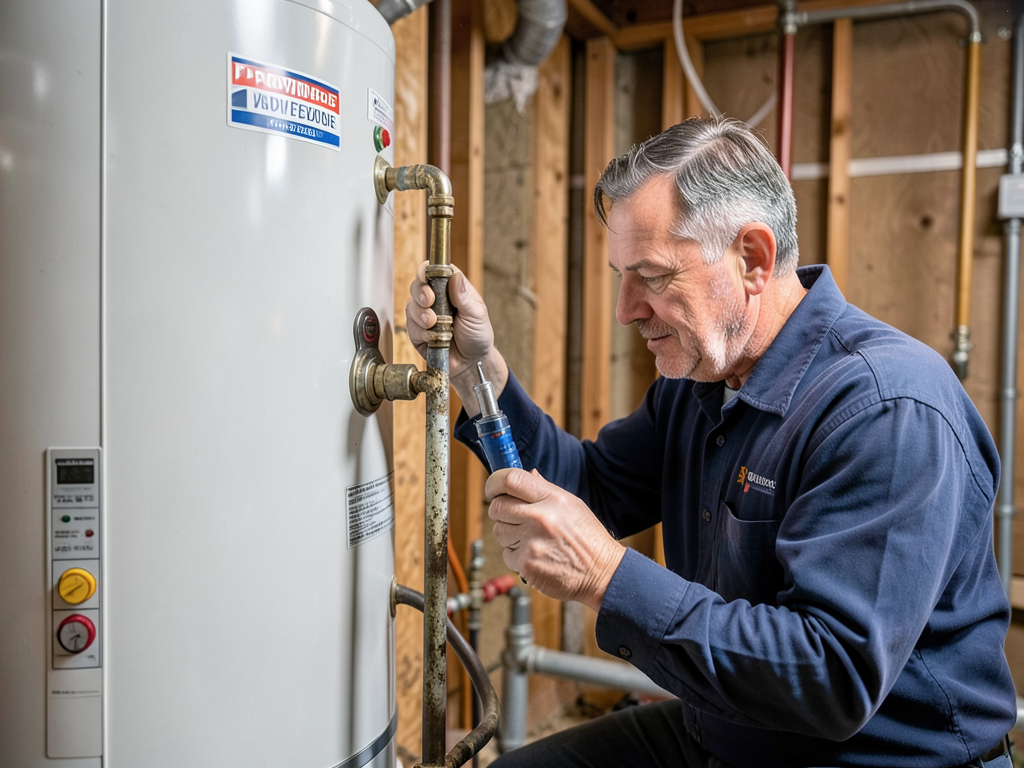
Most water heaters contain a magnesium anode rod designed to prevent tank corrosion. However, when this rod reacts with sulfate in the water, it produces hydrogen sulfide gas. This reaction is especially common in Providence’s water, which contains varying levels of naturally occurring sulfates from the Scituate Reservoir watershed.
Providence Water Supply Characteristics
The Providence Water Supply Board draws from the Scituate Reservoir, which experiences seasonal changes in mineral content. During certain times of year, particularly after heavy rains or during temperature shifts, the water can contain higher levels of dissolved sulfates that contribute to odor problems.
Well Water Issues in Surrounding Areas
Many homes in Cranston, East Providence, and surrounding Providence County rely on private wells. Well water often contains higher concentrations of hydrogen sulfide naturally, especially in areas with shale or sandstone geology common to Rhode Island. Rhode Island Department of Health.
Aging Infrastructure in Historic Neighborhoods
Providence’s historic districts like Federal Hill, College Hill, and Fox Point feature plumbing systems that can be over 100 years old. Corroded pipes and outdated materials create perfect environments for sulfur bacteria to flourish.
Proven Solutions for Eliminating Sulfur Odors
Once you’ve identified the source, these solutions can eliminate the rotten egg smell from your Providence home:
Replace Your Water Heater Anode Rod
If the smell is only in hot water, replacing the magnesium anode rod with an aluminum-zinc rod or a powered anode rod can solve the problem immediately. This is a relatively inexpensive fix that many Providence homeowners overlook.
Cost factors: Standard anode rod replacement costs between $200-$400, while powered anode systems run $400-$600 but offer longer-lasting protection.
Shock Chlorination Treatment
For sulfur bacteria throughout your plumbing system, shock chlorination can disinfect your pipes and water heater. This process involves introducing a high concentration of chlorine to kill bacteria and neutralize odors.
Important: This treatment must be performed carefully to avoid damaging your plumbing or leaving residual chlorine in your water.
Install Water Filtration Systems
Activated carbon filters and oxidizing filters can remove hydrogen sulfide and other odor-causing compounds. For Providence homes with persistent issues, whole-house filtration systems provide the most comprehensive solution.
Types of filters: Activated carbon filters work well for low-level odors, while manganese greensand filters handle higher concentrations of hydrogen sulfide.
Regular Water Heater Maintenance
Annual flushing of your water heater removes sediment buildup where bacteria can thrive. This simple maintenance task can prevent many odor problems before they start.
Address Drain Issues
If the smell comes from specific drains and fades when water runs, you may have dry P-traps or biofilm buildup. Cleaning drains with enzyme-based cleaners or pouring water down infrequently used drains can resolve these issues. Professional Drain Cleaning Services for Historic Homes on the East Side.
Providence-Specific Considerations
Providence’s water system has unique characteristics that affect how you should approach sulfur odor problems:
Scituate Reservoir Seasonal Variations
The Scituate Reservoir, which supplies 60% of Providence’s drinking water, experiences seasonal changes in water chemistry. During spring thaw and fall turnover periods, dissolved mineral levels fluctuate, sometimes increasing the likelihood of sulfur odors in homes.
Historic Plumbing Materials
Many Providence homes built before 1950 contain galvanized steel or cast iron pipes that corrode from the inside out. These materials create rough surfaces where bacteria can establish colonies, making odor problems more persistent.
Combined Sewer System Impact
In older Providence neighborhoods, the combined sewer system can contribute to groundwater contamination in certain areas. While not directly causing sulfur odors, this infrastructure affects overall water quality and odor potential.
Local Building Code Requirements
Rhode Island’s plumbing code (Section 15 of the Rhode Island State Building Code) requires specific materials and installation methods that can impact how you address odor problems. For example, certain pipe materials are prohibited in specific applications due to corrosion concerns. Reliable Sump Pump Installation for Elmhurst Homeowners Facing Wet Basements.
When to Call a Professional Plumber
While many sulfur odor issues can be resolved with DIY solutions, certain situations require professional intervention:
Persistent Odors After DIY Attempts
If you’ve tried basic solutions like anode rod replacement or drain cleaning without success, the problem may be more complex. Professional plumbers have diagnostic tools to identify hidden issues in your plumbing system.
Well Water Contamination
Private well owners in Cranston, East Providence, and surrounding areas should have their water tested annually. High levels of hydrogen sulfide, iron bacteria, or other contaminants require specialized treatment systems.
System-Wide Issues
When multiple fixtures throughout your home have odor problems, the issue likely extends beyond simple fixes. Professional plumbers can assess your entire system and recommend comprehensive solutions.
Health and Safety Concerns
While sulfur odors are rarely dangerous, they can sometimes indicate more serious water quality issues. If you experience other symptoms like unusual taste, discoloration, or health concerns, professional testing is essential.
Prevention Strategies for Providence Homeowners
Preventing sulfur odors is often easier than eliminating them once established. Here are proven prevention strategies for Providence homes:
Annual Water Heater Maintenance
Schedule annual maintenance that includes flushing your water heater and inspecting the anode rod. This prevents sediment buildup and catches potential issues before they cause odors.
Water Quality Testing
Regular water testing, especially for well owners, helps identify changes in water chemistry before they cause problems. The Providence Water Supply Board provides annual water quality reports, but testing your specific home’s water gives you the most accurate picture.
Proper Pipe Material Selection
When replacing plumbing, choose materials appropriate for your specific water conditions. In Providence’s water chemistry, certain materials resist corrosion better than others.
Ventilation Improvements
Ensuring proper ventilation in areas like basements and crawl spaces prevents moisture buildup that can contribute to bacterial growth and odors.
Cost Comparison: DIY vs. Professional Solutions
| Solution Type | DIY Cost Range | Professional Cost Range | Effectiveness |
|---|---|---|---|
| Anode Rod Replacement | $50-$150 | $200-$400 | High (hot water only) |
| Shock Chlorination | $30-$80 | $150-$300 | Medium-High |
| Activated Carbon Filter | $100-$300 | $300-$800 | Medium |
| Whole-House Filtration | N/A | $1,500-$3,500 | Very High |
| Professional Diagnosis | N/A | $100-$250 | Varies |
Frequently Asked Questions
Is sulfur-smelling water dangerous to drink?
In most cases, water with sulfur odors is not harmful to drink. The hydrogen sulfide gas that causes the smell is typically present in very low concentrations. However, the presence of sulfur bacteria can sometimes indicate other water quality issues that may require attention.
Can I shower in water that smells like rotten eggs?
Yes, you can safely shower in water with sulfur odors. The smell may be unpleasant, but it doesn’t pose health risks for bathing or showering. The gas dissipates quickly when water is exposed to air.
How long does it take to fix sulfur odor problems?
The timeline varies by solution. Simple fixes like anode rod replacement can be completed in 1-2 hours. Shock chlorination may require 24-48 hours for the treatment to work and residual chlorine to dissipate. Whole-house filtration systems typically take 1-2 days for installation. Who to Call for Safe Gas Line Installation in the West End.
Will the smell come back after treatment?
Without addressing the underlying cause, sulfur odors can return. Proper maintenance, regular water testing, and choosing the right treatment system for your specific situation are key to long-term success.
Does the Providence Water Supply Board treat for sulfur odors?
The Providence Water Supply Board treats water to meet all safety standards but does not specifically treat for aesthetic issues like sulfur odors. These are typically considered household plumbing issues rather than water supply problems.
Take Action Against Sulfur Odors Today
Living with that rotten egg smell is unnecessary and frustrating. Whether you’re dealing with occasional odors or a persistent problem, solutions exist that can restore your water to its clean, fresh state.
Cornerstone Plumbing Providence has been helping local homeowners eliminate sulfur odors for over 15 years. We understand the unique challenges of Providence’s water system and have the expertise to diagnose and solve your specific problem quickly and effectively.
Don’t let sulfur odors continue to affect your home’s comfort and your family’s peace of mind. Call (401) 240-9711 today to schedule your professional water quality assessment. Our licensed plumbers will identify the exact cause of your odor problem and recommend the most cost-effective solution for your home.
Pick up the phone and call (401) 240-9711 before the next shower leaves you holding your nose. Your fresh, odor-free water is just one call away.
You may also find this helpful. Why Your Kitchen Island Sink Keeps Gurgling and Smelling Bad.
{
“@context”: “https://schema.org”,
“@type”: “BlogPosting”,
“headline”: “Getting Rid of That Rotten Egg Smell From Your Providence Faucets”,
“description”: “Is your tap water smelling like rotten eggs? Learn the exact causes of sulfur odors in Providence homes and how to fix them with proven local solutions.”,
“wordCount”: 1768,
“datePublished”: “2026-04-01T06:15:00.000Z”,
“dateModified”: “2026-04-01T06:15:00.000Z”,
“inLanguage”: “en-US”,
“mainEntityOfPage”: {
“@type”: “WebPage”,
“@id”: “https://cornerstoneplumbingprovidence.com”
},
“publisher”: {
“@type”: “LocalBusiness”,
“name”: “Cornerstone Plumbing Providence”,
“url”: “https://cornerstoneplumbingprovidence.com”
},
“author”: {
“@type”: “Organization”,
“name”: “Cornerstone Plumbing Providence”,
“url”: “https://cornerstoneplumbingprovidence.com”
},
“image”: {
“@type”: “ImageObject”,
“url”: “https://cornerstoneplumbingprovidence.com/wp-content/uploads/2026/03/getting-rid-of-that-rotten-egg-smell-from-your-pro-1.png”
}
}
{
“@context”: “https://schema.org”,
“@type”: “Plumber”,
“name”: “Cornerstone Plumbing Providence”,
“url”: “https://cornerstoneplumbingprovidence.com”,
“address”: {
“@type”: “PostalAddress”,
“addressLocality”: “Providence”
},
“areaServed”: {
“@type”: “City”,
“name”: “Providence”
}
}
{
“@context”: “https://schema.org”,
“@type”: “FAQPage”,
“mainEntity”: [
{
“@type”: “Question”,
“name”: “Quick Diagnostic Test: Where’s the Smell Coming From?”,
“acceptedAnswer”: {
“@type”: “Answer”,
“text”: “Before reaching for expensive solutions, perform this simple test to pinpoint the source:”
}
},
{
“@type”: “Question”,
“name”: “Is sulfur-smelling water dangerous to drink?”,
“acceptedAnswer”: {
“@type”: “Answer”,
“text”: “In most cases, water with sulfur odors is not harmful to drink. The hydrogen sulfide gas that causes the smell is typically present in very low concentrations. However, the presence of sulfur bacteria can sometimes indicate other water quality issues that may require attention.”
}
},
{
“@type”: “Question”,
“name”: “Can I shower in water that smells like rotten eggs?”,
“acceptedAnswer”: {
“@type”: “Answer”,
“text”: “Yes, you can safely shower in water with sulfur odors. The smell may be unpleasant, but it doesn’t pose health risks for bathing or showering. The gas dissipates quickly when water is exposed to air.”
}
},
{
“@type”: “Question”,
“name”: “How long does it take to fix sulfur odor problems?”,
“acceptedAnswer”: {
“@type”: “Answer”,
“text”: “The timeline varies by solution. Simple fixes like anode rod replacement can be completed in 1-2 hours. Shock chlorination may require 24-48 hours for the treatment to work and residual chlorine to dissipate. Whole-house filtration systems typically take 1-2 days for installation. Who to Call for Safe Gas Line Installation in the West End.”
}
},
{
“@type”: “Question”,
“name”: “Will the smell come back after treatment?”,
“acceptedAnswer”: {
“@type”: “Answer”,
“text”: “Without addressing the underlying cause, sulfur odors can return. Proper maintenance, regular water testing, and choosing the right treatment system for your specific situation are key to long-term success.”
}
},
{
“@type”: “Question”,
“name”: “Does the Providence Water Supply Board treat for sulfur odors?”,
“acceptedAnswer”: {
“@type”: “Answer”,
“text”: “The Providence Water Supply Board treats water to meet all safety standards but does not specifically treat for aesthetic issues like sulfur odors. These are typically considered household plumbing issues rather than water supply problems.”
}
}
]
}
{
“@context”: “https://schema.org”,
“@type”: “HowTo”,
“name”: “Sulfur Smell Diagnostic Test”,
“step”: [
{
“@type”: “HowToStep”,
“position”: 1,
“name”: “Check All Faucets”,
“text”: “Turn on multiple faucets throughout your home. Does the smell appear everywhere or just in one location?”
},
{
“@type”: “HowToStep”,
“position”: 2,
“name”: “Hot vs. Cold Water”,
“text”: “Run only hot water from your shower or sink. Does the smell intensify? Then try cold water only. Water Heater Repair & Installation.”
},
{
“@type”: “HowToStep”,
“position”: 3,
“name”: “Duration Test”,
“text”: “Let the water run for 30 seconds. Does the smell fade or stay constant?”
}
],
“image”: “https://cornerstoneplumbingprovidence.com/wp-content/uploads/2026/03/getting-rid-of-that-rotten-egg-smell-from-your-pro-1.png”
}
{
“@context”: “https://schema.org”,
“@type”: “BreadcrumbList”,
“itemListElement”: [
{
“@type”: “ListItem”,
“position”: 1,
“name”: “Home”,
“item”: “https://cornerstoneplumbingprovidence.com”
},
{
“@type”: “ListItem”,
“position”: 2,
“name”: “Blog”,
“item”: “https://cornerstoneplumbingprovidence.com/blog”
},
{
“@type”: “ListItem”,
“position”: 3,
“name”: “Getting Rid of That Rotten Egg Smell From Your Providence Faucets”
}
]
}
{
“@context”: “https://schema.org”,
“@type”: “Service”,
“serviceType”: “Plumbing”,
“provider”: {
“@type”: “LocalBusiness”,
“name”: “Cornerstone Plumbing Providence”,
“url”: “https://cornerstoneplumbingprovidence.com”
},
“areaServed”: {
“@type”: “City”,
“name”: “Providence”
},
“description”: “Is your tap water smelling like rotten eggs? Learn the exact causes of sulfur odors in Providence homes and how to fix them with proven local solutions.”
}