Simple Ways to Clean Mineral Buildup From Your Blackstone Showerhead
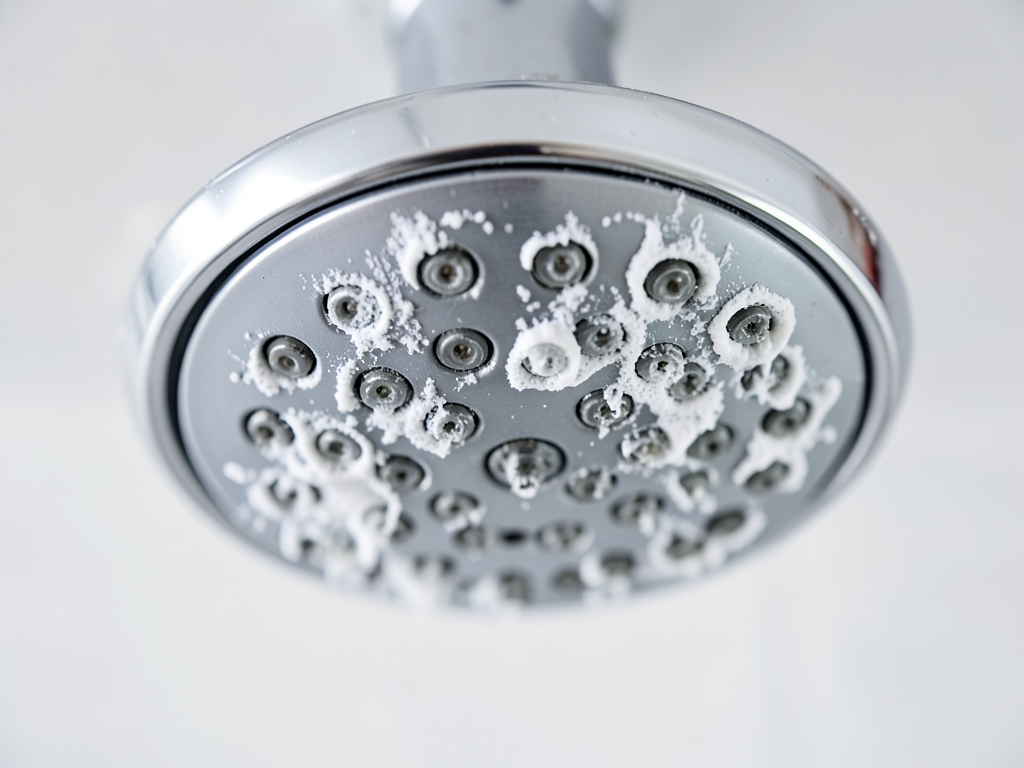
Living in the Blackstone neighborhood means dealing with Providence’s hard water which leaves stubborn mineral deposits on your showerhead. Low water pressure and uneven spray patterns are telltale signs that calcium and magnesium have built up inside your showerhead’s nozzles and flow restrictor. These white crusty deposits not only reduce your shower’s performance but can also harbor bacteria if left untreated. The good news is that cleaning mineral buildup is a straightforward process that most Blackstone homeowners can handle with common household items. Providence Water Supply Board.
Why Mineral Buildup Happens in Providence Homes
Providence’s water supply comes primarily from the Scituate Reservoir which has a water hardness level of approximately 6-8 grains per gallon. This moderate hardness means the water contains dissolved calcium and magnesium minerals that precipitate out when water evaporates or is heated. In Blackstone’s historic homes many of which were built between 1900 and 1950 older plumbing systems with galvanized steel pipes can exacerbate mineral accumulation. The combination of hard water and aging infrastructure creates the perfect conditions for limescale formation on showerheads and other fixtures. What to Do if Your Federal Hill Water Heater Starts Leaking Everywhere.
According to the Rhode Island Department of Health water hardness in our region falls within the range where mineral buildup becomes noticeable within 6-12 months of installation. Homes with water softeners installed report significantly less buildup but many Blackstone residents haven’t upgraded their water treatment systems yet. Rhode Island Department of Health.
Tools and Materials You’ll Need
Before starting the cleaning process gather these items from around your home or purchase them from a local hardware store like Adler’s Hardware on Wickenden Street: Adler’s Hardware.
- White distilled vinegar (5% acetic acid solution)
- Large plastic bag or container
- Rubber bands or twist ties
- Old toothbrush or soft-bristled cleaning brush
- Adjustable wrench or pliers
- Clean cloths or paper towels
- Optional: Baking soda for stubborn deposits
For showerheads with special finishes like oil-rubbed bronze or brushed nickel avoid abrasive materials that could scratch the surface. The vinegar solution works effectively on all common showerhead materials including chrome stainless steel and plastic.
Method 1: The ‘No-Removal’ Vinegar Bag Soak
This method works well for showerheads that are difficult to remove or for a quick cleaning solution. It’s particularly useful for rainfall showerheads mounted on high ceilings which are common in Blackstone’s renovated historic homes.. Read more about Adding a Sink to Your Blackstone Backyard Kitchen (Planning for Water and Waste Lines).
- Prepare the Vinegar Solution
Mix equal parts white vinegar and warm water in a large plastic bag. For severe buildup use 100% vinegar without dilution. Water Heater Repair & Installation.
- Submerge the Showerhead
Place the bag over the showerhead ensuring all spray holes are completely covered by the vinegar solution. Secure the bag with a rubber band or twist tie around the shower arm.
- Let It Soak
Allow the showerhead to soak for 30-60 minutes. For heavy mineral deposits leave it overnight. The acetic acid in vinegar dissolves calcium carbonate deposits through a mild chemical reaction.
- Rinse and Scrub
Remove the bag and run hot water through the showerhead for 2-3 minutes to flush out loosened deposits. Use an old toothbrush to gently scrub any remaining visible buildup from the nozzles.. Read more about Water Softeners vs. Whole House Filters (Which One Does Your South Providence Home Actually Need?).
Pro Tip: If you notice black or green discoloration after cleaning this could indicate mold growth or copper corrosion from your pipes. These require different treatment than simple mineral deposits.
Method 2: Deep Cleaning by Disassembling the Showerhead
For a more thorough cleaning that addresses internal mineral buildup removing the showerhead allows you to clean all components individually. This method is recommended annually for Blackstone homes with very hard water.
- Turn Off Water Supply
Locate the shower’s water shut-off valve typically found in the basement or behind an access panel. Turn the valve clockwise to stop water flow.
- Remove the Showerhead
Wrap the shower arm with a cloth to protect the finish. Use an adjustable wrench to turn the showerhead counterclockwise. Most showerheads require 1/4 to 1/2 turn to remove.
- Disassemble Components
Carefully separate the faceplate spray plate and any removable internal parts. Take photos during disassembly to ensure proper reassembly.
- Soak All Parts
Place all metal components in a container of vinegar solution. Soak for 2-4 hours or overnight for severe buildup. For plastic parts limit soaking to 30 minutes to prevent damage.
- Clean Internal Passages
Use a straightened paperclip or small brush to clear mineral deposits from the tiny spray holes. Be gentle to avoid damaging the nozzles.
- Flush and Reassemble
Rinse all parts thoroughly with clean water. Reassemble the showerhead applying new plumber’s tape (Teflon tape) to the shower arm threads before reinstalling.
Dealing with Stubborn Limescale: Professional Tips
Some mineral deposits particularly those caused by iron-rich water or very high hardness levels require extra effort to remove. Here are professional techniques that go beyond basic vinegar cleaning: Professional Drain Cleaning Services for Historic Homes on the East Side.
Commercial Descaling Products: Products containing citric acid or hydrochloric acid can dissolve stubborn deposits faster than vinegar. However these require careful handling and proper ventilation. Always wear gloves and eye protection when using chemical descalers.
Boiling Method: For severely clogged showerheads boiling the disassembled parts in a vinegar solution for 10-15 minutes can break down crystallized deposits. This method works best for chrome and stainless steel components.
Ultrasonic Cleaning: Some Blackstone residents with high-end shower systems use ultrasonic cleaners with vinegar solution. This professional-grade method uses high-frequency sound waves to dislodge mineral particles from hard-to-reach areas.
Flow Restrictor Cleaning: Many modern showerheads have removable flow restrictors that trap mineral deposits. Cleaning or replacing this small component can dramatically improve water pressure without replacing the entire showerhead.
Rhode Island Plumbing Code Reference: According to Rhode Island State Building Code SBC-3 (Plumbing) showerheads must maintain a minimum flow rate of 2.5 gallons per minute for standard installations. Severe mineral buildup can reduce flow to below this threshold potentially violating code requirements.
When to Stop Cleaning and Call a Providence Plumber
While DIY cleaning works for most mineral buildup certain situations indicate it’s time to call a professional plumber. Cornerstone Plumbing Providence handles these complex cases regularly in the Blackstone area. Plumbing Seekonk.
Call a plumber if you notice:
- Leaks around the shower arm connection after reinstallation
- Corrosion that has eaten through metal components
- White chalky deposits appearing on multiple fixtures throughout your home
- Sudden changes in water pressure affecting your entire plumbing system
- Discolored water (brown yellow or green) when you first turn on the shower
These symptoms often indicate problems beyond simple mineral buildup such as deteriorating pipes water heater issues or problems with your home’s main water supply line. A professional plumber can diagnose whether you need pipe replacement water treatment installation or other solutions. Reliable Sump Pump Installation for Elmhurst Homeowners Facing Wet Basements.
Cornerstone Plumbing Providence offers free water quality assessments for Blackstone residents. During an assessment we test your water’s hardness level check for pH imbalances and inspect your plumbing system for early signs of corrosion or mineral-related damage.
How to Prevent Future Mineral Buildup
Prevention is more effective than repeated cleaning. Here are strategies to minimize mineral buildup in your Blackstone home:
Install a Water Softener: Whole-house water softeners exchange calcium and magnesium ions for sodium or potassium ions preventing scale formation. Systems range from $1200 to $2500 installed with annual salt costs of $100-200.
Use Showerhead Filters: Point-of-use filters attach directly to your shower arm and remove minerals before they reach the showerhead. These cost $30-80 and require filter changes every 6-12 months.
Regular Maintenance: Wipe down your showerhead weekly with a dry cloth to remove water spots before they harden into deposits. Once monthly spray the showerhead with a vinegar solution and let it sit for 15 minutes before rinsing.
Choose the Right Showerhead: Some showerheads are designed to resist mineral buildup. Look for models with rubber nozzles that can be easily wiped clean or those with anti-clog spray channels.
Monitor Water Temperature: Very hot water accelerates mineral precipitation. Setting your water heater to 120°F instead of 140°F can reduce scale formation while still providing comfortable shower temperatures.
Check Your Water Heater: Sediment buildup in your water heater can contribute to mineral problems throughout your plumbing system. Annual flushing of your water heater removes accumulated minerals and improves efficiency.
Rhode Island Water Quality Fact: The Providence Water Supply Board reports that water hardness in the Blackstone area averages 7 GPG which is considered moderately hard. This level of hardness typically requires cleaning every 3-6 months to maintain optimal shower performance.
Frequently Asked Questions
Can I use bleach to clean my showerhead?
No bleach is not recommended for cleaning mineral deposits. While it kills bacteria and mold bleach doesn’t dissolve calcium or magnesium deposits. Additionally mixing bleach with vinegar creates toxic chlorine gas so never combine these cleaners.
How often should I clean my showerhead?
For Blackstone homes with typical Providence water hardness clean your showerhead every 3-4 months. If you notice reduced water pressure or spray pattern changes clean it immediately regardless of the last cleaning date.. Read more about Thermostatic vs. Pressure Balanced Shower Valves (The Best Choice for Your Federal Hill Triple Decker).
Will cleaning my showerhead improve water pressure?
Yes removing mineral deposits from the spray nozzles and internal passages can significantly improve water flow and pressure. However if pressure problems persist after cleaning the issue may be with your home’s main supply lines or pressure regulator.
Is vinegar safe for all showerhead finishes?
Vinegar is safe for most common finishes including chrome stainless steel and plastic. However it can damage specialty finishes like oil-rubbed bronze brushed nickel or gold plating if left in contact for extended periods. For these finishes limit vinegar exposure to 15-30 minutes and rinse thoroughly.
Can mineral buildup cause health problems?
While mineral deposits themselves aren’t harmful to health they can harbor bacteria and mold in the moist environment of a showerhead. Some studies have found that showerheads can contain mycobacteria and other microorganisms. Regular cleaning helps maintain sanitary conditions.
Don’t let mineral buildup ruin your shower experience. With these simple cleaning methods you can restore your showerhead’s performance and extend its lifespan. If you’re dealing with persistent plumbing issues or need professional water quality assessment Cornerstone Plumbing Providence is here to help. Call (401) 240-9711 today to schedule your service and enjoy powerful clean showers again.
Remember that mineral buildup is often just one symptom of larger water quality issues in older Providence homes. Professional plumbers can identify whether you need a simple cleaning or more comprehensive solutions like water treatment systems or pipe replacement to protect your home’s plumbing infrastructure.
You may also find this helpful. Making Your East Side Home More Accessible with an ADA-Compliant Walk-In Shower.
{
“@context”: “https://schema.org”,
“@type”: “BlogPosting”,
“headline”: “Simple Ways to Clean Mineral Buildup From Your Blackstone Showerhead”,
“description”: “Learn how to remove stubborn mineral deposits from your Blackstone showerhead using common household items. Restore water pressure and prevent future buildup.”,
“wordCount”: 1761,
“datePublished”: “2026-04-02T15:15:00.000Z”,
“dateModified”: “2026-04-02T15:15:00.000Z”,
“inLanguage”: “en-US”,
“mainEntityOfPage”: {
“@type”: “WebPage”,
“@id”: “https://cornerstoneplumbingprovidence.com”
},
“publisher”: {
“@type”: “LocalBusiness”,
“name”: “Cornerstone Plumbing Providence”,
“url”: “https://cornerstoneplumbingprovidence.com”
},
“author”: {
“@type”: “Organization”,
“name”: “Cornerstone Plumbing Providence”,
“url”: “https://cornerstoneplumbingprovidence.com”
},
“image”: {
“@type”: “ImageObject”,
“url”: “https://cornerstoneplumbingprovidence.com/wp-content/uploads/2026/03/simple-ways-to-clean-mineral-buildup-from-your-bla-1.png”
}
}
{
“@context”: “https://schema.org”,
“@type”: “Plumber”,
“name”: “Cornerstone Plumbing Providence”,
“url”: “https://cornerstoneplumbingprovidence.com”,
“address”: {
“@type”: “PostalAddress”,
“addressLocality”: “Providence”
},
“areaServed”: {
“@type”: “City”,
“name”: “Providence”
}
}
{
“@context”: “https://schema.org”,
“@type”: “FAQPage”,
“mainEntity”: [
{
“@type”: “Question”,
“name”: “Can I use bleach to clean my showerhead?”,
“acceptedAnswer”: {
“@type”: “Answer”,
“text”: “No bleach is not recommended for cleaning mineral deposits. While it kills bacteria and mold bleach doesn’t dissolve calcium or magnesium deposits. Additionally mixing bleach with vinegar creates toxic chlorine gas so never combine these cleaners.”
}
},
{
“@type”: “Question”,
“name”: “How often should I clean my showerhead?”,
“acceptedAnswer”: {
“@type”: “Answer”,
“text”: “For Blackstone homes with typical Providence water hardness clean your showerhead every 3-4 months. If you notice reduced water pressure or spray pattern changes clean it immediately regardless of the last cleaning date.”
}
},
{
“@type”: “Question”,
“name”: “Will cleaning my showerhead improve water pressure?”,
“acceptedAnswer”: {
“@type”: “Answer”,
“text”: “Yes removing mineral deposits from the spray nozzles and internal passages can significantly improve water flow and pressure. However if pressure problems persist after cleaning the issue may be with your home’s main supply lines or pressure regulator.”
}
},
{
“@type”: “Question”,
“name”: “Is vinegar safe for all showerhead finishes?”,
“acceptedAnswer”: {
“@type”: “Answer”,
“text”: “Vinegar is safe for most common finishes including chrome stainless steel and plastic. However it can damage specialty finishes like oil-rubbed bronze brushed nickel or gold plating if left in contact for extended periods. For these finishes limit vinegar exposure to 15-30 minutes and rinse thoroughly.”
}
},
{
“@type”: “Question”,
“name”: “Can mineral buildup cause health problems?”,
“acceptedAnswer”: {
“@type”: “Answer”,
“text”: “While mineral deposits themselves aren’t harmful to health they can harbor bacteria and mold in the moist environment of a showerhead. Some studies have found that showerheads can contain mycobacteria and other microorganisms. Regular cleaning helps maintain sanitary conditions.”
}
}
]
}
{
“@context”: “https://schema.org”,
“@type”: “HowTo”,
“name”: “No-Removal Vinegar Soak Method”,
“step”: [
{
“@type”: “HowToStep”,
“position”: 1,
“name”: “Prepare the Vinegar Solution”,
“text”: “Mix equal parts white vinegar and warm water in a large plastic bag. For severe buildup use 100% vinegar without dilution. Water Heater Repair & Installation.”
},
{
“@type”: “HowToStep”,
“position”: 2,
“name”: “Submerge the Showerhead”,
“text”: “Place the bag over the showerhead ensuring all spray holes are completely covered by the vinegar solution. Secure the bag with a rubber band or twist tie around the shower arm.”
},
{
“@type”: “HowToStep”,
“position”: 3,
“name”: “Let It Soak”,
“text”: “Allow the showerhead to soak for 30-60 minutes. For heavy mineral deposits leave it overnight. The acetic acid in vinegar dissolves calcium carbonate deposits through a mild chemical reaction.”
},
{
“@type”: “HowToStep”,
“position”: 4,
“name”: “Rinse and Scrub”,
“text”: “Remove the bag and run hot water through the showerhead for 2-3 minutes to flush out loosened deposits. Use an old toothbrush to gently scrub any remaining visible buildup from the nozzles.”
}
],
“image”: “https://cornerstoneplumbingprovidence.com/wp-content/uploads/2026/03/simple-ways-to-clean-mineral-buildup-from-your-bla-1.png”
}
{
“@context”: “https://schema.org”,
“@type”: “BreadcrumbList”,
“itemListElement”: [
{
“@type”: “ListItem”,
“position”: 1,
“name”: “Home”,
“item”: “https://cornerstoneplumbingprovidence.com”
},
{
“@type”: “ListItem”,
“position”: 2,
“name”: “Blog”,
“item”: “https://cornerstoneplumbingprovidence.com/blog”
},
{
“@type”: “ListItem”,
“position”: 3,
“name”: “Simple Ways to Clean Mineral Buildup From Your Blackstone Showerhead”
}
]
}
{
“@context”: “https://schema.org”,
“@type”: “Service”,
“serviceType”: “Plumbing”,
“provider”: {
“@type”: “LocalBusiness”,
“name”: “Cornerstone Plumbing Providence”,
“url”: “https://cornerstoneplumbingprovidence.com”
},
“areaServed”: {
“@type”: “City”,
“name”: “Providence”
},
“description”: “Learn how to remove stubborn mineral deposits from your Blackstone showerhead using common household items. Restore water pressure and prevent future buildup.”
}