Dealing with Sweating Pipes and Basement Condensation During a Humid Providence Summer
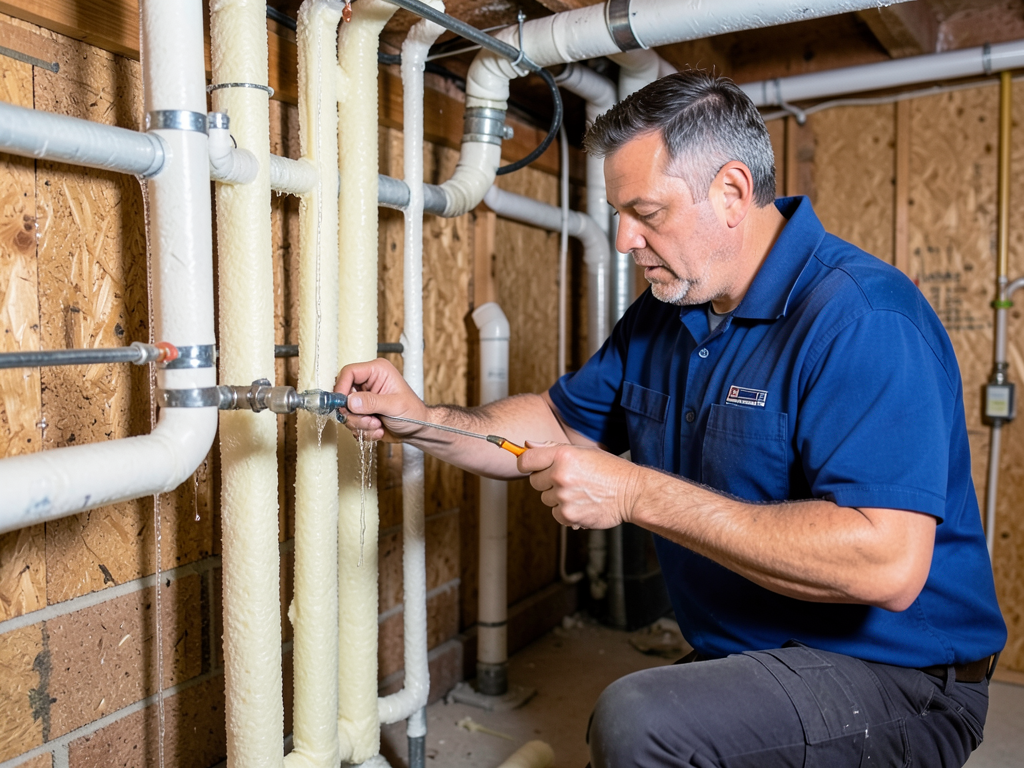
Summer humidity in Providence often causes pipes to appear as if they are leaking when they are actually just sweating. This condensation happens when warm, moist air meets cold water lines and creates water droplets that can damage basements and encourage mold growth. Understanding why this occurs and how to prevent it can save homeowners from costly repairs and health risks. EPA mold prevention guidelines.
Providence summers bring high humidity levels often above 70% with temperatures that cause cold water lines to reach their dew point quickly. When this happens, moisture collects on pipe surfaces and drips onto floors and walls creating the illusion of a leak. This problem is especially common in older Providence homes with uninsulated plumbing in damp basements. What to Do if Your Federal Hill Water Heater Starts Leaking Everywhere.
Why Pipes Sweat in Providence’s Humid Climate
Rhode Island’s coastal location means summer air holds more moisture than inland areas. Cold water traveling through copper or PEX pipes from the Scituate Reservoir often stays below 50 degrees Fahrenheit even in summer. When this cold pipe surface meets humid basement air the moisture condenses exactly like a cold drink sweats on a hot day.
Older Providence homes in neighborhoods like the East Side and Federal Hill often have unfinished basements with poor ventilation. These spaces trap humid air against cold pipes creating perfect conditions for condensation. The problem worsens when basements lack vapor barriers or when water heaters add extra moisture to the air.
The Hidden Dangers of Ignoring Pipe Condensation
Condensation might seem harmless but it creates serious risks over time. Water dripping from pipes can cause wood rot in floor joists and sill plates especially in historic Providence homes with aging timber structures. This moisture also feeds mold and mildew growth which can spread to walls and stored belongings.
High indoor humidity from sweating pipes forces air conditioners to work harder increasing energy bills. In extreme cases condensation can cause water spots on finished basement ceilings or short out electrical outlets near pipe runs. The constant moisture also attracts pests like silverfish and carpenter ants that thrive in damp environments.
5 Proven Ways to Stop Pipe Sweating
Stopping pipe condensation requires addressing both the cold pipes and the humid air around them. These five methods work together to eliminate the problem completely.
- Install Foam Pipe Insulation
Wrap cold water lines with polyethylene foam insulation sleeves. This creates a thermal barrier that keeps humid air from touching the cold pipe surface. Choose insulation with an R-value of at least 3 for basement applications.
- Apply Self-Sealing Insulation Jackets
Use rubber or foam insulation with adhesive seams that seal completely around the pipe. These prevent air gaps where moisture can still condense. Self-sealing options work better than standard foam in very humid conditions.
- Install Anti-Sweat Valves
Add mixing valves that add a small amount of hot water to cold lines keeping them above the dew point. This prevents condensation while still delivering cold water to fixtures. These valves work well for pipes in extremely humid basements.
- Control Basement Humidity
Use a dehumidifier sized for your basement square footage. For a typical Providence basement aim for 30-50% relative humidity. Empty the collection tank regularly or install a drain line to prevent overflow. Professional Drain Cleaning Services for Historic Homes on the East Side.
- Improve Ventilation
Install exhaust fans or open basement windows when outdoor humidity drops. Good air circulation prevents moisture from settling on cold surfaces. Consider a basement ventilation system if natural airflow is limited.
DIY vs Professional Pipe Insulation Solutions
| Solution Type | Cost Range | Difficulty | Best For |
|---|---|---|---|
| Foam Pipe Sleeves | $1-3 per linear foot | Easy DIY | Simple condensation issues |
| Self-Sealing Jackets | $2-5 per linear foot | Moderate DIY | High humidity areas |
| Anti-Sweat Valves | $150-300 installed | Professional | Severe condensation |
| Whole Basement Dehumidifier | $800-1500 installed | Professional | Chronic moisture problems |
Providence Neighborhood Specific Considerations
Providence’s diverse housing stock creates different condensation challenges across neighborhoods. Homes in the East Side often have stone foundations that naturally stay damp making pipe insulation even more critical. These basements benefit from both foam insulation and dehumidification to combat the constant moisture.
Federal Hill’s older multifamily homes with shared plumbing stacks face unique issues. Condensation on vertical pipes can travel between floors causing damage in multiple units. Installing anti-sweat valves on main cold water lines helps prevent this cross-floor moisture migration.
Newer homes in Cranston and East Providence with concrete slab foundations rarely have exposed cold water pipes in living spaces. However, unfinished utility areas still need protection from condensation that can damage water heaters and electrical panels.
How to Diagnose Pipe Condensation vs Actual Leaks
Many homeowners mistake condensation for leaks and panic unnecessarily. Here is how to tell the difference before calling a plumber.
- Check the Pattern
Condensation appears as uniform moisture along the entire pipe length. Leaks create isolated wet spots or drips from specific locations.
- Feel the Pipe Temperature
Condensation pipes feel cold to touch while leaking pipes match room temperature. Use a thermometer to confirm if the pipe is below the dew point.
- Monitor Over Time
Condensation worsens during humid weather and improves when humidity drops. Leaks continue regardless of weather conditions.
- Look for Secondary Signs
Condensation causes water spots on nearby surfaces. Leaks often create puddles or water damage on ceilings below.
Local Building Code Requirements for Pipe Insulation
The Rhode Island State Building Code SBC-3 requires insulation on cold water pipes in certain applications to prevent condensation and energy loss. While residential basements are not always covered, professional installations must meet specific R-value requirements based on pipe location and local climate zone. Reliable Sump Pump Installation for Elmhurst Homeowners Facing Wet Basements.
For Providence’s climate zone 5A, the code recommends a minimum R-3 insulation on cold water pipes in unconditioned spaces. This helps prevent both condensation and the minor energy loss that occurs when cold water sits in uninsulated pipes during summer months.
Preventing Mold Growth from Pipe Condensation
Once condensation is controlled, preventing mold growth becomes the next priority. Mold can begin growing within 24-48 hours of moisture exposure making quick action essential.
Clean any visible mold with a solution of one cup bleach per gallon of water. Wear protective gear including gloves and an N95 respirator. After cleaning, ensure the area stays dry by maintaining proper humidity levels and fixing any remaining condensation sources.
Consider using mold-resistant paint on basement walls and installing a HEPA air filter to capture airborne spores. These steps help prevent mold from returning even if minor moisture issues persist.
When to Call a Professional Plumber
While many condensation issues can be handled with DIY insulation, some situations require professional expertise. Call a plumber if you notice these warning signs.
- Water damage to finished basement areas
- Persistent condensation despite DIY efforts
- Suspected leaks alongside condensation
- Need for anti-sweat valve installation
- Whole-house humidity control issues
Professional plumbers can also identify if your condensation problem is actually a symptom of a larger issue like a failing water heater or inadequate ventilation system.
Cost-Effective Long-Term Solutions
Investing in proper pipe insulation and humidity control pays off through lower energy bills and prevented water damage. The average Providence homeowner spends $500-1500 on comprehensive pipe insulation and dehumidification systems.
This investment typically pays for itself within 2-3 years through energy savings and avoided repair costs. Plus it eliminates the stress and inconvenience of dealing with basement moisture problems during humid summers. How to Get Fast Pipe Repair in Smith Hill Before the Next Big Freeze.
Frequently Asked Questions
How can I tell if my pipes are sweating or leaking?
Condensation appears as uniform moisture along the entire pipe while leaks create isolated wet spots. Condensation worsens during humid weather but improves when humidity drops. Use a thermometer to check if the pipe is cold to the touch.
What R-value insulation should I use for basement pipes?
For Providence’s climate zone 5A use insulation with an R-value of at least 3 on cold water pipes in basements. This prevents condensation while also reducing minor energy loss from cold water sitting in pipes.
Can pipe condensation cause mold growth?
Yes condensation creates perfect conditions for mold growth within 24-48 hours. The constant moisture feeds mold spores already present in most homes. Controlling both the condensation source and indoor humidity prevents mold problems.
How much does professional pipe insulation cost?
Professional pipe insulation installation in Providence typically costs $500-1500 depending on basement size and pipe accessibility. This includes both materials and labor for proper installation meeting local building code requirements. Who to Call for Safe Gas Line Installation in the West End.
Should I insulate hot water pipes too?
While hot water pipes don’t sweat they benefit from insulation to prevent heat loss and save energy. Insulating both hot and cold pipes during the same project is often more cost-effective than doing them separately.
Condensation on pipes during Providence’s humid summers is a common but manageable problem. With proper insulation, humidity control, and occasional professional help homeowners can eliminate this issue and protect their basements from water damage and mold growth.
Don’t let sweating pipes damage your home this summer. Call (401) 240-9711 today to schedule your inspection and get professional recommendations for your specific situation. Our experienced team understands Providence’s unique climate challenges and can provide lasting solutions that keep your basement dry all year long.
Pick up the phone and call (401) 240-9711 before the next humid spell hits. We will identify the source of your moisture problems and install the right insulation and humidity control systems to protect your home from water damage and mold growth. For more information, visit Department of Energy insulation recommendations.
You may also find this helpful. Why You Should Never Ignore a Small Damp Spot on Your Elmwood Foundation Wall.
{
“@context”: “https://schema.org”,
“@type”: “BlogPosting”,
“headline”: “Dealing with Sweating Pipes and Basement Condensation During a Humid Providence Summer”,
“description”: “Learn why Providence pipes ‘sweat’ in summer humidity and how to stop basement condensation before mold and water damage strike. Expert RI plumbing guide.”,
“wordCount”: 1626,
“datePublished”: “2026-04-28T09:23:00.000Z”,
“dateModified”: “2026-04-28T09:23:00.000Z”,
“inLanguage”: “en-US”,
“mainEntityOfPage”: {
“@type”: “WebPage”,
“@id”: “https://cornerstoneplumbingprovidence.com”
},
“publisher”: {
“@type”: “LocalBusiness”,
“name”: “Cornerstone Plumbing Providence”,
“url”: “https://cornerstoneplumbingprovidence.com”
},
“author”: {
“@type”: “Organization”,
“name”: “Cornerstone Plumbing Providence”,
“url”: “https://cornerstoneplumbingprovidence.com”
},
“image”: {
“@type”: “ImageObject”,
“url”: “https://cornerstoneplumbingprovidence.com/wp-content/uploads/2026/03/dealing-with-sweating-pipes-and-basement-condensat-1.png”
}
}
{
“@context”: “https://schema.org”,
“@type”: “Plumber”,
“name”: “Cornerstone Plumbing Providence”,
“url”: “https://cornerstoneplumbingprovidence.com”,
“address”: {
“@type”: “PostalAddress”,
“addressLocality”: “Providence”
},
“areaServed”: {
“@type”: “City”,
“name”: “Providence”
}
}
{
“@context”: “https://schema.org”,
“@type”: “FAQPage”,
“mainEntity”: [
{
“@type”: “Question”,
“name”: “How can I tell if my pipes are sweating or leaking?”,
“acceptedAnswer”: {
“@type”: “Answer”,
“text”: “Condensation appears as uniform moisture along the entire pipe while leaks create isolated wet spots. Condensation worsens during humid weather but improves when humidity drops. Use a thermometer to check if the pipe is cold to the touch.”
}
},
{
“@type”: “Question”,
“name”: “What R-value insulation should I use for basement pipes?”,
“acceptedAnswer”: {
“@type”: “Answer”,
“text”: “For Providence’s climate zone 5A use insulation with an R-value of at least 3 on cold water pipes in basements. This prevents condensation while also reducing minor energy loss from cold water sitting in pipes.”
}
},
{
“@type”: “Question”,
“name”: “Can pipe condensation cause mold growth?”,
“acceptedAnswer”: {
“@type”: “Answer”,
“text”: “Yes condensation creates perfect conditions for mold growth within 24-48 hours. The constant moisture feeds mold spores already present in most homes. Controlling both the condensation source and indoor humidity prevents mold problems.”
}
},
{
“@type”: “Question”,
“name”: “How much does professional pipe insulation cost?”,
“acceptedAnswer”: {
“@type”: “Answer”,
“text”: “Professional pipe insulation installation in Providence typically costs $500-1500 depending on basement size and pipe accessibility. This includes both materials and labor for proper installation meeting local building code requirements. Who to Call for Safe Gas Line Installation in the West End.”
}
},
{
“@type”: “Question”,
“name”: “Should I insulate hot water pipes too?”,
“acceptedAnswer”: {
“@type”: “Answer”,
“text”: “While hot water pipes don’t sweat they benefit from insulation to prevent heat loss and save energy. Insulating both hot and cold pipes during the same project is often more cost-effective than doing them separately.”
}
}
]
}
{
“@context”: “https://schema.org”,
“@type”: “HowTo”,
“name”: “How to Stop Pipe Sweating”,
“step”: [
{
“@type”: “HowToStep”,
“position”: 1,
“name”: “Install Foam Pipe Insulation”,
“text”: “Wrap cold water lines with polyethylene foam insulation sleeves. This creates a thermal barrier that keeps humid air from touching the cold pipe surface. Choose insulation with an R-value of at least 3 for basement applications.”
},
{
“@type”: “HowToStep”,
“position”: 2,
“name”: “Apply Self-Sealing Insulation Jackets”,
“text”: “Use rubber or foam insulation with adhesive seams that seal completely around the pipe. These prevent air gaps where moisture can still condense. Self-sealing options work better than standard foam in very humid conditions.”
},
{
“@type”: “HowToStep”,
“position”: 3,
“name”: “Install Anti-Sweat Valves”,
“text”: “Add mixing valves that add a small amount of hot water to cold lines keeping them above the dew point. This prevents condensation while still delivering cold water to fixtures. These valves work well for pipes in extremely humid basements.”
},
{
“@type”: “HowToStep”,
“position”: 4,
“name”: “Control Basement Humidity”,
“text”: “Use a dehumidifier sized for your basement square footage. For a typical Providence basement aim for 30-50% relative humidity. Empty the collection tank regularly or install a drain line to prevent overflow. Professional Drain Cleaning Services for Historic Homes on the East Side.”
},
{
“@type”: “HowToStep”,
“position”: 5,
“name”: “Improve Ventilation”,
“text”: “Install exhaust fans or open basement windows when outdoor humidity drops. Good air circulation prevents moisture from settling on cold surfaces. Consider a basement ventilation system if natural airflow is limited.”
}
],
“image”: “https://cornerstoneplumbingprovidence.com/wp-content/uploads/2026/03/dealing-with-sweating-pipes-and-basement-condensat-1.png”
}
{
“@context”: “https://schema.org”,
“@type”: “BreadcrumbList”,
“itemListElement”: [
{
“@type”: “ListItem”,
“position”: 1,
“name”: “Home”,
“item”: “https://cornerstoneplumbingprovidence.com”
},
{
“@type”: “ListItem”,
“position”: 2,
“name”: “Blog”,
“item”: “https://cornerstoneplumbingprovidence.com/blog”
},
{
“@type”: “ListItem”,
“position”: 3,
“name”: “Dealing with Sweating Pipes and Basement Condensation During a Humid Providence Summer”
}
]
}
{
“@context”: “https://schema.org”,
“@type”: “Service”,
“serviceType”: “Plumbing”,
“provider”: {
“@type”: “LocalBusiness”,
“name”: “Cornerstone Plumbing Providence”,
“url”: “https://cornerstoneplumbingprovidence.com”
},
“areaServed”: {
“@type”: “City”,
“name”: “Providence”
},
“description”: “Learn why Providence pipes ‘sweat’ in summer humidity and how to stop basement condensation before mold and water damage strike. Expert RI plumbing guide.”
}