Why Your Guest Bathroom Sink Smells Like Sewage After Not Being Used for Weeks
That foul rotten egg smell coming from your guest bathroom isn’t just unpleasant—it’s a warning sign that sewer gases are entering your home. When a bathroom sink sits unused for weeks, the water in the P-trap evaporates, breaking the seal that keeps dangerous gases like hydrogen sulfide and methane out of your living space. This is especially common in Providence’s older East Side homes where guest bathrooms often sit dormant for months. What to Do if Your Federal Hill Water Heater Starts Leaking Everywhere.
The good news? Most dry P-trap odors are a simple fix you can handle yourself. But before you reach for that air freshener, you need to understand what’s happening, why it matters for your family’s health, and when that smell signals a bigger plumbing emergency requiring professional attention. Professional Drain Cleaning Services for Historic Homes on the East Side.
What is a P-Trap and Why Does it Smell?
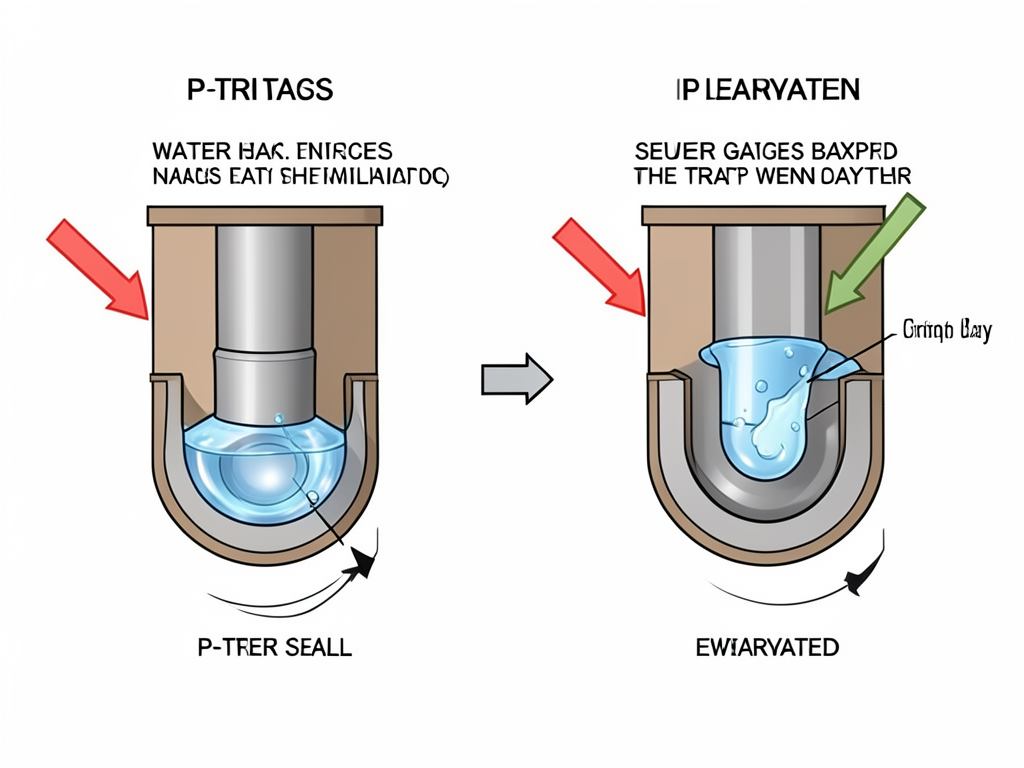
A P-trap is the U-shaped pipe under your sink that holds water, creating a seal that blocks sewer gases from rising into your bathroom. The water barrier works 24/7—until it doesn’t. In Providence’s dry winter months, when indoor heating runs constantly, that water can evaporate in as little as two weeks. Water Heater Repair & Installation.
When the seal breaks, sewer gases containing hydrogen sulfide (the rotten egg smell) and methane (a flammable, odorless gas) flow freely into your bathroom. These aren’t just unpleasant—they’re potentially dangerous. Hydrogen sulfide can cause headaches, nausea, and eye irritation at low concentrations, while methane poses explosion risks in enclosed spaces.

A cutaway diagram showing a P-trap with water seal intact versus evaporated, demonstrating how sewer gases bypass the trap when dry.
Common Causes for P-Trap Evaporation in Rhode Island Homes
Guest bathrooms in Providence homes face unique challenges. Many East Side and Elmhurst properties were built before 1950 with multiple bathrooms that see seasonal use. When college students leave for summer or families travel for winter holidays, those rarely-used sinks become prime candidates for dry traps.
Rhode Island’s climate accelerates the problem. Our heated homes in winter create extremely dry indoor air—often dropping humidity below 30%. This accelerates evaporation from P-traps, which can lose their seal in just 10-14 days. Add to that our historic housing stock, where some P-traps are shallow or poorly designed, and you have a perfect storm for sewer gas infiltration. Rhode Island State Building Code SBC-3.
Floor drains in Providence basements compound the issue. Many triple-deckers and Colonial homes have basement laundry rooms or utility areas with floor drains that homeowners forget about entirely. These drains can dry out in under a week, releasing gases throughout the basement and first floor.
A Providence basement floor drain showing mineral deposits around the grate, indicating long-term evaporation issues common in older Rhode Island homes.. Read more about Why Your Older Pedestal Sink Is Wobbling and How to Secure It Safely.
Step-by-Step: How to Restore Your P-Trap Seal
- Run Water for 30 Seconds
Turn on the faucet and let water run until you see it filling the curved portion of the trap. This refills the water barrier that blocks sewer gases.
- Add Mineral Oil (Pro Tip)
Pour one tablespoon of mineral oil down the drain. The oil floats on top of the water, creating a thin barrier that slows evaporation by up to 75%. This simple trick can keep your trap sealed for 2-3 months instead of 2 weeks.
- Check for Leaks
Place a dry paper towel under the P-trap. If it’s wet after an hour, you have a leak that’s preventing the trap from holding water. Leaks are common in Providence’s older brass and lead traps that have corroded over decades.
When the Smell Isn’t Just a Dry Trap
Sometimes that sewage smell indicates a more serious problem requiring immediate professional attention. If you’ve refilled the trap but the odor persists within 24 hours, you could have a cracked vent stack or blocked plumbing vent.
Providence’s historic neighborhoods face specific challenges. Many East Side homes have cast iron vent stacks that crack during Rhode Island’s freeze-thaw cycles. When ice forms in winter and expands, it can split these stacks, allowing sewer gases to escape inside your walls.
Blocked vents are another common issue in snowy New England. When heavy snow accumulates on roofs, it can completely block vent stacks, creating negative pressure that pulls water from traps throughout your home. You’ll notice multiple drains smelling, not just one bathroom.
Warning signs that require immediate professional inspection:
- Smell returns within hours of refilling trap
- Multiple drains emitting odors simultaneously
- Gurgling sounds when flushing toilets
- Slow drains accompanied by sewage smell
Safety First: The Dangers of Sewer Gas (Methane/H2S)
Sewer gas isn’t just a nuisance—it’s a legitimate health hazard that Rhode Island homeowners need to take seriously. Hydrogen sulfide (H2S) at concentrations above 10 parts per million can cause eye irritation, coughing, and nausea. At higher levels, it can lead to unconsciousness or even death.
Methane, while odorless, is highly flammable. In enclosed bathroom spaces, methane can accumulate to dangerous levels. If you notice a strong sewage odor accompanied by a hissing sound or see bubbles in standing water, evacuate immediately and call for professional help.
The Rhode Island Department of Health recommends immediate evacuation if you experience:
- Severe headache or dizziness in the affected area
- Eye or throat irritation that improves when leaving the room
- Visible moisture or condensation around drain openings
Preventative Care for Providence Guest Bathrooms and Basements
Prevention is far easier than dealing with sewer gas emergencies. For Providence homeowners with seasonal properties or rarely-used bathrooms, establish a simple maintenance routine.. Read more about Dealing with Stubborn Hair Clogs in Your Fox Point Bathroom Sink or Shower.
Run water in all guest bathroom sinks, tubs, and floor drains for 30 seconds monthly. Set a calendar reminder for the first of each month. For truly seasonal properties, consider installing trap primers—devices that automatically add water to traps when they detect low levels.
Providence’s building code (RI State Building Code SBC-3 Section 3201.1) requires P-traps to maintain a minimum 2-inch water seal depth. However, many older homes don’t meet current standards. If your home was built before 1970, consider having a licensed plumber inspect your traps and vents for code compliance.
During winter preparation, pour a cup of mineral oil down each unused drain before leaving for extended periods. This simple step can prevent the most common cause of winter sewage odors in Providence homes. EPA information on sewer gas hazards.
Long-Term Solutions for Persistent P-Trap Problems
If you’re constantly battling dry trap odors, especially in guest bathrooms or basements, it’s time to consider permanent solutions. Trap seal protectors are liquid additives that create a non-evaporating barrier, lasting up to 5 years without maintenance.
For Providence’s historic homes, upgrading to modern PVC P-traps can solve chronic evaporation problems. Modern traps hold more water and are less prone to evaporation than the shallow brass traps common in homes built before 1960.
Floor drains in basements often benefit from one-way valve installations. These valves allow water to drain out but prevent sewer gases from flowing back in, even if the trap dries out completely. Reliable Sump Pump Installation for Elmhurst Homeowners Facing Wet Basements.
Providence-Specific Plumbing Considerations
Providence’s unique housing stock creates specific challenges for P-trap maintenance. The city’s mix of triple-deckers, Colonials, and mid-century ranches means plumbing configurations vary dramatically block by block.
East Side homes near Brown University often have complex plumbing layouts with multiple bathrooms stacked vertically. This configuration means a problem in one unit can affect several apartments. If you’re in a multi-unit building and smell sewage, notify your landlord immediately—it could be affecting neighbors you don’t see.
Providence Water Supply Board reports that homes in the Smith Hill and Elmhurst areas experience higher rates of sewer gas complaints, likely due to the age of the housing stock and the prevalence of older cast iron plumbing that’s reached the end of its service life. How to Get Fast Pipe Repair in Smith Hill Before the Next Big Freeze.
When to Call a Providence Emergency Plumber
DIY fixes work for simple dry traps, but certain situations demand professional intervention. Call (401) 240-9711 immediately if:
- You smell sewage throughout multiple rooms or floors
- The odor is accompanied by visible water damage or mold
- You hear gurgling sounds from drains when using plumbing fixtures
- The smell persists after trying the water and mineral oil method
Emergency plumbing services in Providence typically respond within 60 minutes for sewer gas emergencies. The cost of professional diagnosis ranges from $150-300, but this is far less than the potential damage from ignoring a serious plumbing failure.
Frequently Asked Questions
How long does it take for a P-trap to dry out?
In Providence’s heated homes during winter, a P-trap can dry out in as little as 10-14 days. Factors like low humidity, shallow trap design, and small drain openings accelerate evaporation. In summer with air conditioning running, traps may last 3-4 weeks before drying completely.
Can sewer gas make you sick?
Yes. Hydrogen sulfide exposure causes headaches, dizziness, nausea, and eye irritation at low concentrations. At higher levels, it can cause unconsciousness or death. Methane, while odorless, poses explosion risks in enclosed spaces. Children and elderly individuals are particularly vulnerable to these effects.
Is it safe to use bleach to eliminate sewer odors?
No. Bleach can damage plumbing seals and create dangerous chemical reactions with other substances in your pipes. Instead, use the water and mineral oil method described above. If odors persist after proper trap maintenance, call a professional plumber to inspect for underlying issues.
How can I prevent P-trap odors when I’m on vacation?
Before leaving for more than a week, run water in all sinks, tubs, and floor drains for 30 seconds each. Add one tablespoon of mineral oil to each drain. For extended absences, consider having a neighbor run water monthly, or install trap seal protectors that last up to 5 years.
Take Action Before the Next Guest Arrives
That sewage smell in your guest bathroom isn’t just embarrassing—it’s a health hazard that demands immediate attention. While most dry P-trap issues are simple DIY fixes, the risks of ignoring sewer gas exposure are too serious to leave to chance.
If you’ve tried the water and mineral oil method without success, or if you’re experiencing symptoms like headaches or eye irritation, it’s time to call in the professionals. Providence’s older homes have unique plumbing challenges that require experienced local knowledge to diagnose and repair correctly.
Don’t wait until your next houseguests arrive to discover a serious plumbing problem. Pick up the phone and call (401) 240-9711 today to schedule your inspection. Our licensed Providence plumbers will identify the source of the odor, ensure your family’s safety, and provide lasting solutions that prevent future sewer gas issues. Your home should smell like home, not like a sewer line.
Call (401) 240-9711 today to schedule your inspection.
{
“@context”: “https://schema.org”,
“@type”: “BlogPosting”,
“headline”: “Why Your Guest Bathroom Sink Smells Like Sewage After Not Being Used for Weeks”,
“description”: “If your guest bathroom sink smells like sewage after weeks of non-use, you likely have a dry P-trap. Learn the causes, dangers, and DIY fixes specific to Providence homes.”,
“wordCount”: 1812,
“datePublished”: “2026-04-30T13:46:00.000Z”,
“dateModified”: “2026-04-30T13:46:00.000Z”,
“inLanguage”: “en-US”,
“mainEntityOfPage”: {
“@type”: “WebPage”,
“@id”: “https://cornerstoneplumbingprovidence.com”
},
“publisher”: {
“@type”: “LocalBusiness”,
“name”: “Cornerstone Plumbing Providence”,
“url”: “https://cornerstoneplumbingprovidence.com”
},
“author”: {
“@type”: “Organization”,
“name”: “Cornerstone Plumbing Providence”,
“url”: “https://cornerstoneplumbingprovidence.com”
},
“image”: {
“@type”: “ImageObject”,
“url”: “https://cornerstoneplumbingprovidence.com/wp-content/uploads/2026/03/why-your-guest-bathroom-sink-smells-like-sewage-af-1.png”
}
}
{
“@context”: “https://schema.org”,
“@type”: “Plumber”,
“name”: “Cornerstone Plumbing Providence”,
“url”: “https://cornerstoneplumbingprovidence.com”,
“address”: {
“@type”: “PostalAddress”,
“addressLocality”: “Providence”
},
“areaServed”: {
“@type”: “City”,
“name”: “Providence”
}
}
{
“@context”: “https://schema.org”,
“@type”: “FAQPage”,
“mainEntity”: [
{
“@type”: “Question”,
“name”: “What is a P-Trap and Why Does it Smell?”,
“acceptedAnswer”: {
“@type”: “Answer”,
“text”: “A P-trap is the U-shaped pipe under your sink that holds water, creating a seal that blocks sewer gases from rising into your bathroom. The water barrier works 24/7—until it doesn’t. In Providence’s dry winter months, when indoor heating runs constantly, that water can evaporate in as little as two weeks. Water Heater Repair & Installation.”
}
},
{
“@type”: “Question”,
“name”: “How long does it take for a P-trap to dry out?”,
“acceptedAnswer”: {
“@type”: “Answer”,
“text”: “In Providence’s heated homes during winter, a P-trap can dry out in as little as 10-14 days. Factors like low humidity, shallow trap design, and small drain openings accelerate evaporation. In summer with air conditioning running, traps may last 3-4 weeks before drying completely.”
}
},
{
“@type”: “Question”,
“name”: “Can sewer gas make you sick?”,
“acceptedAnswer”: {
“@type”: “Answer”,
“text”: “Yes. Hydrogen sulfide exposure causes headaches, dizziness, nausea, and eye irritation at low concentrations. At higher levels, it can cause unconsciousness or death. Methane, while odorless, poses explosion risks in enclosed spaces. Children and elderly individuals are particularly vulnerable to these effects.”
}
},
{
“@type”: “Question”,
“name”: “Is it safe to use bleach to eliminate sewer odors?”,
“acceptedAnswer”: {
“@type”: “Answer”,
“text”: “No. Bleach can damage plumbing seals and create dangerous chemical reactions with other substances in your pipes. Instead, use the water and mineral oil method described above. If odors persist after proper trap maintenance, call a professional plumber to inspect for underlying issues.”
}
},
{
“@type”: “Question”,
“name”: “How can I prevent P-trap odors when I’m on vacation?”,
“acceptedAnswer”: {
“@type”: “Answer”,
“text”: “Before leaving for more than a week, run water in all sinks, tubs, and floor drains for 30 seconds each. Add one tablespoon of mineral oil to each drain. For extended absences, consider having a neighbor run water monthly, or install trap seal protectors that last up to 5 years.”
}
}
]
}
{
“@context”: “https://schema.org”,
“@type”: “HowTo”,
“name”: “How to Restore P-Trap Water Seal”,
“step”: [
{
“@type”: “HowToStep”,
“position”: 1,
“name”: “Run Water for 30 Seconds”,
“text”: “Turn on the faucet and let water run until you see it filling the curved portion of the trap. This refills the water barrier that blocks sewer gases.”
},
{
“@type”: “HowToStep”,
“position”: 2,
“name”: “Add Mineral Oil (Pro Tip)”,
“text”: “Pour one tablespoon of mineral oil down the drain. The oil floats on top of the water, creating a thin barrier that slows evaporation by up to 75%. This simple trick can keep your trap sealed for 2-3 months instead of 2 weeks.”
},
{
“@type”: “HowToStep”,
“position”: 3,
“name”: “Check for Leaks”,
“text”: “Place a dry paper towel under the P-trap. If it’s wet after an hour, you have a leak that’s preventing the trap from holding water. Leaks are common in Providence’s older brass and lead traps that have corroded over decades.”
}
],
“image”: “https://cornerstoneplumbingprovidence.com/wp-content/uploads/2026/03/why-your-guest-bathroom-sink-smells-like-sewage-af-1.png”
}
{
“@context”: “https://schema.org”,
“@type”: “BreadcrumbList”,
“itemListElement”: [
{
“@type”: “ListItem”,
“position”: 1,
“name”: “Home”,
“item”: “https://cornerstoneplumbingprovidence.com”
},
{
“@type”: “ListItem”,
“position”: 2,
“name”: “Blog”,
“item”: “https://cornerstoneplumbingprovidence.com/blog”
},
{
“@type”: “ListItem”,
“position”: 3,
“name”: “Why Your Guest Bathroom Sink Smells Like Sewage After Not Being Used for Weeks”
}
]
}
{
“@context”: “https://schema.org”,
“@type”: “Service”,
“serviceType”: “Plumbing”,
“provider”: {
“@type”: “LocalBusiness”,
“name”: “Cornerstone Plumbing Providence”,
“url”: “https://cornerstoneplumbingprovidence.com”
},
“areaServed”: {
“@type”: “City”,
“name”: “Providence”
},
“description”: “If your guest bathroom sink smells like sewage after weeks of non-use, you likely have a dry P-trap. Learn the causes, dangers, and DIY fixes specific to Providence homes.”
}