Simple Ways to Lower Your Monthly Water Bill Without Replacing Every Fixture
High water bills in Providence often come from hidden leaks and outdated fixtures, not just excessive use. The Providence Water Supply Board (PWSB) charges based on Hundred Cubic Feet (HCF) of water, and a single silent toilet leak can waste 200 gallons daily. You can cut costs by checking for common leaks, installing WaterSense labeled fixtures, and taking advantage of local rebates without replacing every faucet in your home. Providence Water Supply Board.
Start by reading your PWSB meter to detect hidden leaks. Turn off all water sources and watch the low-flow indicator; if it moves, you have a leak somewhere in your system. Common culprits include worn toilet flappers, dripping faucets, and cracked supply lines. Fixing these issues can save you 10-20% on your monthly bill. What to Do if Your Federal Hill Water Heater Starts Leaking Everywhere.
The Narragansett Bay Commission sewer charges are based on your water usage, so every gallon saved on your water bill also reduces your sewer charge. Simple fixes like installing low-flow aerators on bathroom faucets or replacing old showerheads with WaterSense models can reduce water flow by 30% without sacrificing pressure. These EPA-certified fixtures are designed to maintain performance while using less water. EPA WaterSense.
Providence homeowners can access specific rebates through the PWSB and Rhode Island Energy programs. Check their websites for current offers on high-efficiency toilets, smart irrigation controllers, and leak detection devices. Some programs offer up to $100 rebates for replacing pre-1994 toilets with WaterSense models. Water Heater Repair & Installation.
Seasonal maintenance matters in Rhode Island’s climate. Before winter, disconnect outdoor hoses and insulate exposed pipes to prevent freezing and bursting. During summer, adjust irrigation timers to water during early morning hours when evaporation is minimal. Consider installing a rain sensor to automatically pause watering when nature provides moisture.. Read more about Getting Your Outdoor Spigots and Irrigation Ready for a Providence Spring.
For homes with lead service lines, the PWSB Lead Service Line Replacement program offers assistance to qualified homeowners. Replacing these lines not only improves water quality but can also eliminate the small but constant leaks that occur in aging lead pipes.
Smart leak detection technology has become more affordable and can pay for itself within a year by preventing major water damage. Devices like the Moen Flo or Phyn Plus monitor your home’s water pressure and can automatically shut off the main valve if they detect unusual flow patterns, protecting you from both waste and costly repairs. How to Get Fast Pipe Repair in Smith Hill Before the Next Big Freeze.
Simple behavioral changes add up quickly. Run full loads in your dishwasher and washing machine, fix that dripping outdoor spigot, and teach family members to turn off faucets completely. These habits combined with fixture upgrades can reduce your water bill by 25-30% without any major renovations.. Read more about How to Safely Clean Your Faucet Aerators to Fix Weird Spray Patterns.
Ready to stop throwing money down the drain? Call (401) 240-9711 today to schedule a professional leak detection service and learn which WaterSense fixtures will give you the fastest return on investment for your specific home. Professional Drain Cleaning Services for Historic Homes on the East Side.
Understanding Your Providence Water Bill
The PWSB uses a tiered rate structure where the more water you use, the higher the per-unit cost becomes. The first 15 HCF (11,220 gallons) costs less per unit than water usage beyond that threshold. Sewer charges from the Narragansett Bay Commission are calculated at 95% of your water usage, regardless of whether that water actually enters the sewer system.
Your water meter is typically located in a concrete box near the street. The PWSB uses Neptune meters with a digital display showing total gallons used. The low-flow indicator appears as a small triangle or star that spins when any water moves through the system. If this indicator moves when all fixtures are off, you have a leak.
Average Providence households use 6-8 HCF monthly for basic needs. Families of four typically use 10-12 HCF, while homes with irrigation systems can easily double that amount. The Scituate Reservoir, which supplies Providence’s water, maintains strict quality standards that require minimal treatment, keeping costs lower than many neighboring communities.
Winter months often show higher usage due to heating system steam losses and the need to let faucets drip during freezes. Summer bills spike with outdoor watering, car washing, and pool maintenance. Understanding these seasonal patterns helps you budget and identify unusual spikes that might indicate leaks.. Read more about Touchless vs Manual Faucets — Pros and Cons for Jewelry District Loft Living.
The PWSB offers budget billing that averages your annual usage into equal monthly payments, helping you avoid seasonal spikes. However, this doesn’t reduce your actual consumption—it just spreads the cost more evenly throughout the year.
How to Check for Common ‘Invisible’ Leaks
Silent toilet leaks waste thousands of gallons annually and often go unnoticed because they make no sound. To test for toilet leaks, add a few drops of food coloring to the tank and wait 15 minutes without flushing. If color appears in the bowl, your flapper valve needs replacement. This simple test can save you $50-100 per year.
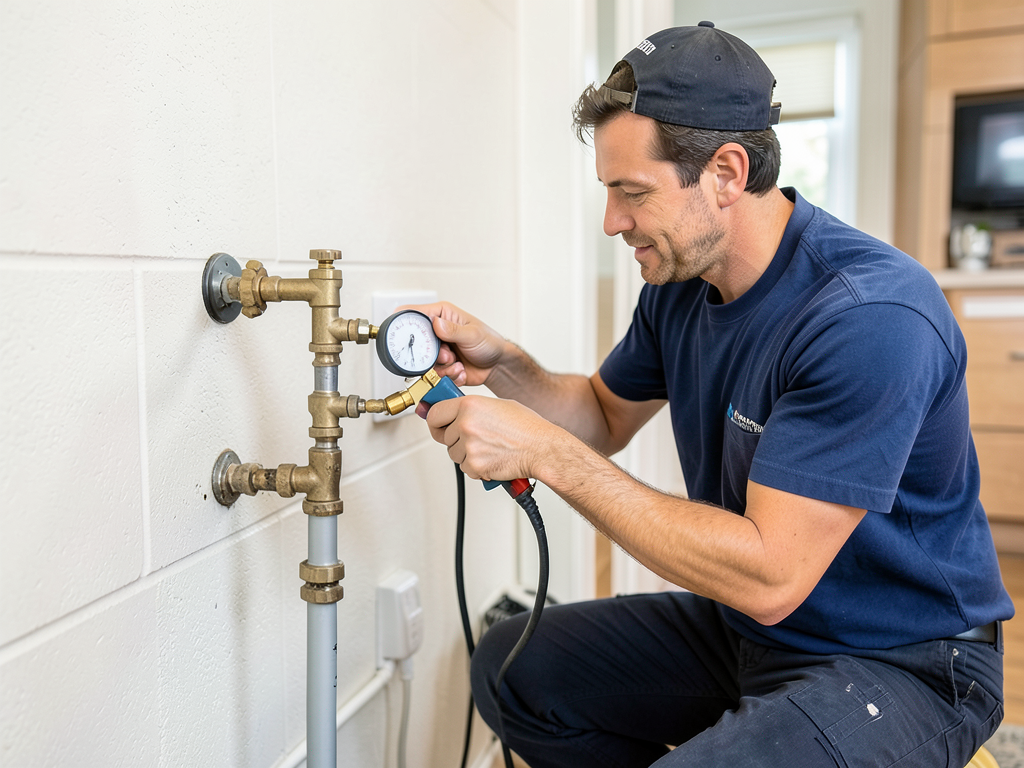
Outdoor spigots and hose bibs are frequent leak sources, especially in older Providence homes with freeze-damaged fixtures. Check these by attaching a pressure gauge and observing if pressure drops over 15 minutes with all indoor fixtures off. A drop indicates a leak in your supply line or outdoor fixtures.
Main line leaks between your meter and home can cause foundation damage before you notice higher bills. Signs include unexplained wet spots in your yard, sounds of running water when all fixtures are off, or a warm spot on concrete floors where hot water lines run. These require professional detection equipment.
Showerheads and faucet aerators develop mineral buildup that reduces flow but increases pressure, causing leaks at connection points. Remove these fixtures annually and soak them in vinegar to dissolve deposits. Replace worn washers and O-rings while you have them apart.
Water heaters can develop internal leaks that manifest as rusty water or pooling around the base. Check the temperature and pressure relief valve for drips, and inspect the drain valve for signs of moisture. A leaking water heater wastes energy as well as water.
Underground irrigation systems in Providence often leak due to winter freeze damage. Check your system by running each zone for 10 minutes and looking for geysers, soggy spots, or unusually green grass areas. Even small leaks in these systems can waste hundreds of gallons daily.
Local Rebates and Incentives
The Providence Water Supply Board partners with the EPA WaterSense program to offer rebates on qualifying fixtures. Current rebates include $50 for WaterSense toilets, $20 for showerheads, and $10 for faucet aerators. These rebates are available to PWSB customers and can be combined with manufacturer coupons for maximum savings.
Rhode Island Energy offers additional incentives for water heating efficiency improvements. Customers who install heat pump water heaters or upgrade to tankless systems may qualify for rebates up to $500. These programs change annually, so check current offerings before making purchases.
The Narragansett Bay Commission provides educational grants to community organizations that promote water conservation. While individual homeowners cannot apply directly, these programs often fund community workshops where you can learn DIY repair skills and receive free low-flow fixtures.
Federal tax credits for water-efficient home improvements expired in 2023, but some Energy Star certified products still qualify for state-level incentives through the Rhode Island Office of Energy Resources. These credits typically apply to whole-home efficiency packages rather than individual fixtures.
Local hardware stores in Providence often run seasonal promotions aligned with PWSB rebate programs. During Fix a Leak Week in March, many stores offer additional discounts on repair supplies and WaterSense fixtures. Sign up for store newsletters to stay informed about these limited-time offers.
Non-profit organizations like Groundwork Rhode Island occasionally offer free water conservation kits to low-income residents. These kits include low-flow showerheads, faucet aerators, and toilet tank banks that can reduce water usage by 15-20% without any fixture replacement.
High-Impact Plumbing Upgrades for PVD Homes
Replacing pre-1994 toilets with WaterSense models offers the fastest return on investment. Older toilets use 3.5-7 gallons per flush, while WaterSense toilets use 1.28 gallons or less. For a family of four, this single upgrade can save 12,000-20,000 gallons annually, paying for itself in 1-2 years through water savings alone.
Showerheads account for 17% of residential indoor water use. Standard showerheads flow at 2.5 gallons per minute, while WaterSense models flow at 2.0 gpm or less. The difference feels negligible due to improved aeration technology, but over a year, a family switching to WaterSense showerheads saves approximately 2,900 gallons.
Smart irrigation controllers adjust watering schedules based on local weather data and soil moisture levels. These devices can reduce outdoor water usage by 30-50% compared to timer-based systems. In Providence’s climate, they prevent overwatering during rainy periods and adjust for seasonal changes automatically.
Leak detection systems have evolved from simple moisture sensors to whole-home monitoring devices. Modern systems like the Phyn Plus use ultrasonic technology to detect leaks as small as one drop per minute and can shut off your main water supply automatically when major leaks occur.
Tankless water heaters eliminate the standby heat loss of traditional tanks but require proper sizing for your home’s demand. A correctly sized tankless unit can save 24-34% on water heating costs for homes using less than 41 gallons daily. However, homes with high simultaneous hot water demand may need multiple units.
Greywater recycling systems capture water from showers, bathroom sinks, and laundry for outdoor irrigation. While the initial investment is significant, these systems can reduce household water consumption by 30% in homes with extensive landscaping. Rhode Island regulations require permits for greywater systems, so check local codes before installation. Reliable Sump Pump Installation for Elmhurst Homeowners Facing Wet Basements.
Water softening systems protect plumbing fixtures from mineral buildup but require careful selection. Salt-based softeners waste approximately 25 gallons per regeneration cycle, while salt-free conditioners use no water but are less effective in extremely hard water areas. Test your water hardness before choosing a system.
Seasonal Water Saving Tips for Rhode Island
Rhode Island winters create unique plumbing challenges that affect water usage and bills. When temperatures drop below freezing, let cold water drip from faucets served by exposed pipes. Moving water freezes slower than still water, preventing costly bursts. A dripping faucet uses about 5 gallons daily—far less than the thousands wasted by a burst pipe.
Summer water conservation in Providence focuses on outdoor usage, which can account for 50% of household consumption during peak months. Water lawns deeply but infrequently to encourage deep root growth. One inch of water per week, including rainfall, maintains healthy grass without promoting shallow roots that require more frequent watering.
Providence’s humid summers create ideal conditions for lawn diseases when watering occurs at night. Water between 4-8 AM when winds are calm and temperatures are cool to minimize evaporation and disease pressure. This timing also aligns with lower water demand on municipal systems.
Fall is the ideal time to inspect and repair outdoor plumbing before winter. Check hose bibs for drips, replace worn washers, and consider installing frost-free sill cocks that prevent freezing. Drain and store garden hoses to prevent freeze damage to both the hose and the spigot.
Spring brings the highest water usage as homeowners activate irrigation systems and wash winter grime from homes and vehicles. Test your irrigation system zone by zone for leaks before the growing season begins. A single broken sprinkler head can waste 25,000 gallons monthly.
Rhode Island’s water restrictions during drought conditions typically limit outdoor watering to specific days based on address numbers. Even when restrictions aren’t in effect, voluntary conservation helps maintain reservoir levels and prevents the need for more severe measures later in the season.
Seasonal changes affect indoor water usage patterns as well. Winter months see increased hot water usage for longer showers and more frequent laundry from heavier clothing. Installing low-flow fixtures becomes even more cost-effective when accounting for the energy saved heating less water.
Frequently Asked Questions
How much can I really save by fixing leaks?
A single silent toilet leak can waste 200 gallons daily, costing $30-50 monthly on your PWSB bill. Fixing common household leaks typically saves 10-20% on water bills, or $100-200 annually for average Providence households.
Are WaterSense fixtures really worth the investment?
WaterSense fixtures are independently certified to use at least 20% less water than standard models while maintaining performance. Most pay for themselves within 1-2 years through water and sewer savings, with toilets offering the fastest return on investment.
How do I read my PWSB water meter?
Your Neptune meter displays total gallons used. The low-flow indicator (small triangle or star) spins when any water moves through the system. If it moves when all fixtures are off, you have a leak. The meter is typically in a concrete box near the street.
What’s the most common cause of high water bills?
Toilet leaks are the most frequent culprit, followed by outdoor spigot leaks and irrigation system failures. A worn toilet flapper can waste 200+ gallons daily without any visible signs or sounds.
Do I need a permit to replace my own plumbing fixtures?
Simple fixture replacements like toilets and faucets don’t require permits in Providence. However, moving plumbing lines, replacing water heaters, or making changes to the main supply line require permits and inspections to ensure code compliance.
{
“@context”: “https://schema.org”,
“@type”: “BlogPosting”,
“headline”: “Simple Ways to Lower Your Monthly Water Bill Without Replacing Every Fixture”,
“description”: “Discover easy DIY steps to reduce your Providence water bill. Learn to find leaks, use WaterSense fixtures, and take advantage of local rebates from the PWSB.”,
“wordCount”: 2231,
“datePublished”: “2026-05-07T07:16:00.000Z”,
“dateModified”: “2026-05-07T07:16:00.000Z”,
“inLanguage”: “en-US”,
“mainEntityOfPage”: {
“@type”: “WebPage”,
“@id”: “https://cornerstoneplumbingprovidence.com”
},
“publisher”: {
“@type”: “LocalBusiness”,
“name”: “Cornerstone Plumbing Providence”,
“url”: “https://cornerstoneplumbingprovidence.com”
},
“author”: {
“@type”: “Organization”,
“name”: “Cornerstone Plumbing Providence”,
“url”: “https://cornerstoneplumbingprovidence.com”
},
“image”: {
“@type”: “ImageObject”,
“url”: “https://cornerstoneplumbingprovidence.com/wp-content/uploads/2026/03/simple-ways-to-lower-your-monthly-water-bill-witho-1.png”
}
}
{
“@context”: “https://schema.org”,
“@type”: “Plumber”,
“name”: “Cornerstone Plumbing Providence”,
“url”: “https://cornerstoneplumbingprovidence.com”,
“address”: {
“@type”: “PostalAddress”,
“addressLocality”: “Providence”
},
“areaServed”: {
“@type”: “City”,
“name”: “Providence”
}
}
{
“@context”: “https://schema.org”,
“@type”: “FAQPage”,
“mainEntity”: [
{
“@type”: “Question”,
“name”: “How much can I really save by fixing leaks?”,
“acceptedAnswer”: {
“@type”: “Answer”,
“text”: “A single silent toilet leak can waste 200 gallons daily, costing $30-50 monthly on your PWSB bill. Fixing common household leaks typically saves 10-20% on water bills, or $100-200 annually for average Providence households.”
}
},
{
“@type”: “Question”,
“name”: “Are WaterSense fixtures really worth the investment?”,
“acceptedAnswer”: {
“@type”: “Answer”,
“text”: “WaterSense fixtures are independently certified to use at least 20% less water than standard models while maintaining performance. Most pay for themselves within 1-2 years through water and sewer savings, with toilets offering the fastest return on investment.”
}
},
{
“@type”: “Question”,
“name”: “How do I read my PWSB water meter?”,
“acceptedAnswer”: {
“@type”: “Answer”,
“text”: “Your Neptune meter displays total gallons used. The low-flow indicator (small triangle or star) spins when any water moves through the system. If it moves when all fixtures are off, you have a leak. The meter is typically in a concrete box near the street.”
}
},
{
“@type”: “Question”,
“name”: “What’s the most common cause of high water bills?”,
“acceptedAnswer”: {
“@type”: “Answer”,
“text”: “Toilet leaks are the most frequent culprit, followed by outdoor spigot leaks and irrigation system failures. A worn toilet flapper can waste 200+ gallons daily without any visible signs or sounds.”
}
},
{
“@type”: “Question”,
“name”: “Do I need a permit to replace my own plumbing fixtures?”,
“acceptedAnswer”: {
“@type”: “Answer”,
“text”: “Simple fixture replacements like toilets and faucets don’t require permits in Providence. However, moving plumbing lines, replacing water heaters, or making changes to the main supply line require permits and inspections to ensure code compliance.”
}
}
]
}
{
“@context”: “https://schema.org”,
“@type”: “BreadcrumbList”,
“itemListElement”: [
{
“@type”: “ListItem”,
“position”: 1,
“name”: “Home”,
“item”: “https://cornerstoneplumbingprovidence.com”
},
{
“@type”: “ListItem”,
“position”: 2,
“name”: “Blog”,
“item”: “https://cornerstoneplumbingprovidence.com/blog”
},
{
“@type”: “ListItem”,
“position”: 3,
“name”: “Simple Ways to Lower Your Monthly Water Bill Without Replacing Every Fixture”
}
]
}
{
“@context”: “https://schema.org”,
“@type”: “Service”,
“serviceType”: “Plumbing”,
“provider”: {
“@type”: “LocalBusiness”,
“name”: “Cornerstone Plumbing Providence”,
“url”: “https://cornerstoneplumbingprovidence.com”
},
“areaServed”: {
“@type”: “City”,
“name”: “Providence”
},
“description”: “Discover easy DIY steps to reduce your Providence water bill. Learn to find leaks, use WaterSense fixtures, and take advantage of local rebates from the PWSB.”
}