Choosing Between a Traditional Hose Bib and a Frost-Proof Yard Hydrant for Your Blackstone Garden
Blackstone homeowners face unique challenges when adding outdoor water access to their gardens. The harsh New England freeze-thaw cycle can destroy standard hose bibs, while proper drainage and code compliance remain critical for long-term reliability. This guide breaks down the technical differences between traditional hose bibs and frost-proof yard hydrants specifically for Providence’s climate and soil conditions. frost line depth requirements.
Why Providence Winters Make Frost-Proof Hydrants Essential
Providence sits in USDA Zone 6b where winter temperatures regularly drop below 0°F. The frost line in Rhode Island typically extends 36 to 42 inches below grade, creating a critical vulnerability for standard outdoor faucets. When water freezes inside a traditional hose bib, it expands and can rupture the copper supply line inside your foundation wall. What to Do if Your Federal Hill Water Heater Starts Leaking Everywhere.
Traditional hose bibs rely on a rubber washer seal inside your home. When you shut off the valve, water remains trapped in the exposed copper pipe above the shut-off point. During a deep freeze, this water expands and cracks the pipe. The damage often goes unnoticed until spring when you first turn on the faucet and water floods your basement.
Frost-proof yard hydrants eliminate this risk through a different design. The actual shut-off valve sits 4 feet underground below the frost line. When you close the hydrant, a drain hole opens at the base allowing water to flow out of the exposed pipe above ground. This leaves no water in the above-ground section to freeze and expand. Professional Drain Cleaning Services for Historic Homes on the East Side.
The key advantage for Blackstone gardeners comes during winter maintenance. You can disconnect hoses and walk away without worrying about frozen pipes. The hydrant automatically drains itself when shut off, protecting your home’s foundation from water damage.
Installation Depth and Drainage Requirements in Providence Soil
Rhode Island State Plumbing Code Section 11-4-1410 requires outdoor water lines to be buried below the frost line. In Providence, this means a minimum 42-inch depth for frost-proof hydrants. The code also mandates proper drainage to prevent water from pooling around the foundation.
Providence soil presents unique challenges. The region features a mix of clay loam and glacial till with scattered rocks. This composition affects both excavation and drainage. Clay soil retains water longer than sandy soil, increasing the importance of proper gravel drainage beds.
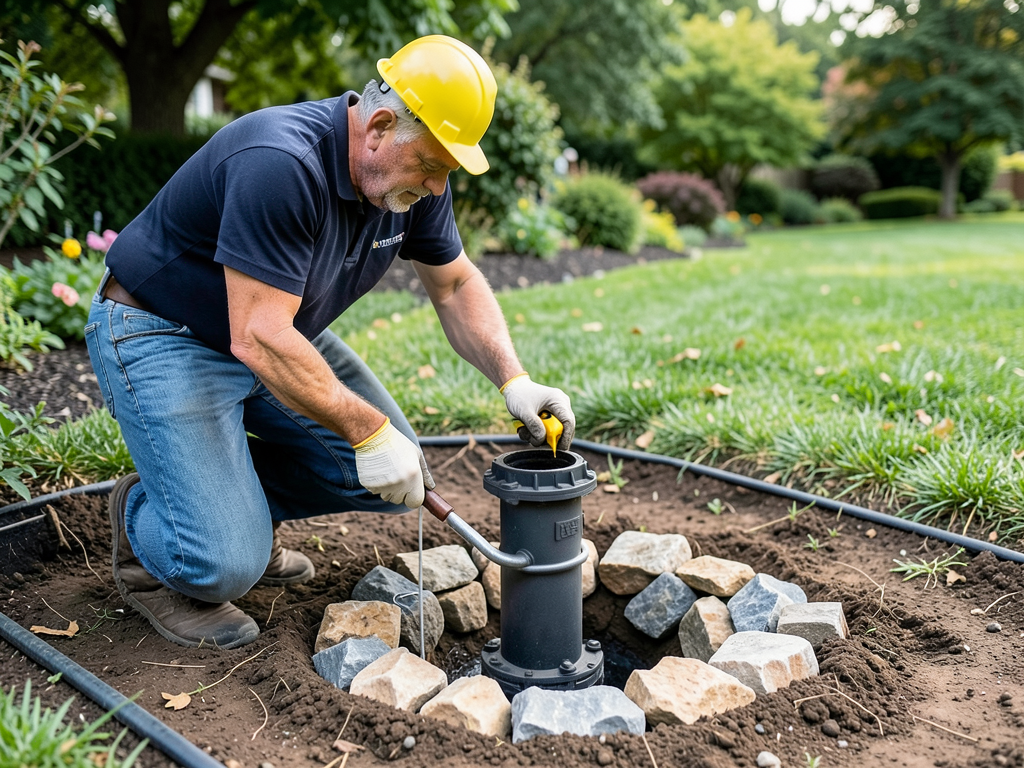
Professional installation requires excavating a trench at least 48 inches deep to provide working room. The bottom 12 inches should be filled with 3/4-inch crushed stone to create a stable base. The hydrant standpipe connects to your main water line through a 1-inch copper or PEX pipe. Reliable Sump Pump Installation for Elmhurst Homeowners Facing Wet Basements.
The drainage bed is critical for preventing freeze damage. After installing the hydrant, fill the surrounding area with 3 to 4 cubic feet of clean 3/4-inch crushed stone. This stone bed allows water to drain away from the hydrant base, preventing ice buildup that could damage the plunger mechanism.
Many Blackstone properties have mature trees with extensive root systems. During excavation, you may encounter roots that require careful removal or rerouting. Cutting large roots can destabilize trees, so professional assessment is important before proceeding.
Code Compliance and Backflow Prevention Requirements
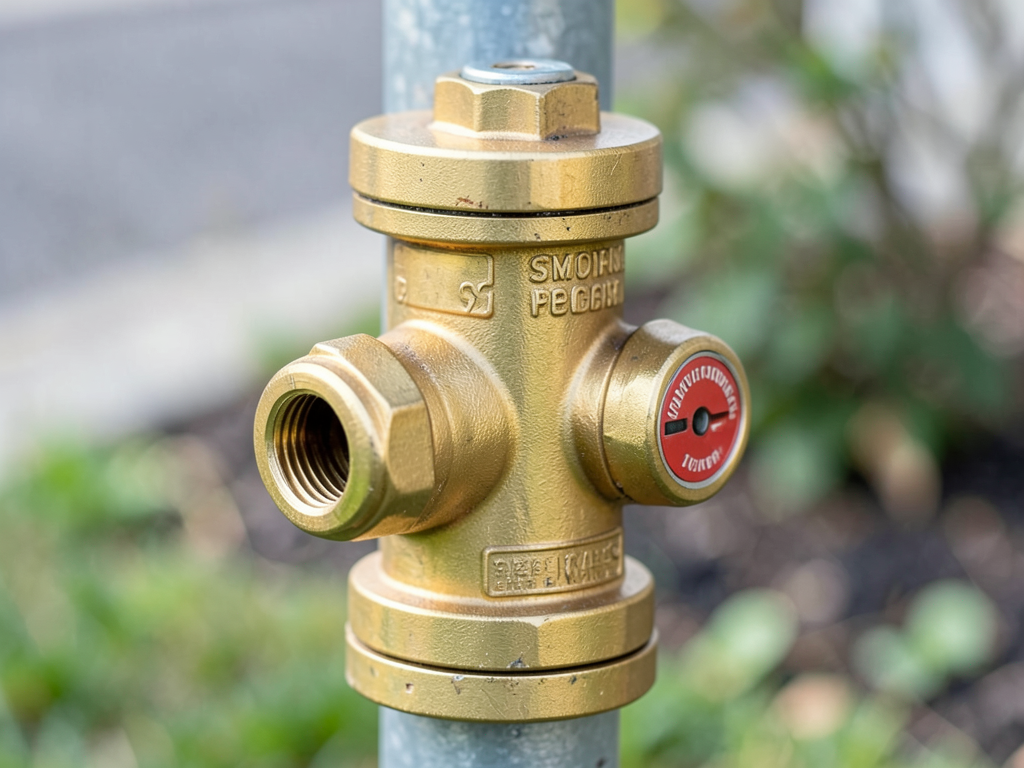
Rhode Island follows the International Plumbing Code with state amendments. For outdoor hydrants, the code requires a vacuum breaker or atmospheric vacuum breaker to prevent backflow contamination. This device allows air to enter the system when pressure drops, preventing contaminated water from siphoning back into your drinking water supply.
The vacuum breaker must be installed 6 inches above the highest point of water discharge. For yard hydrants, this typically means installing it on the vertical standpipe above the handle. The device must be accessible for inspection and testing as required by the Rhode Island Department of Health. EPA guidelines on cross-connection control.
Section 312.10 of the IPC addresses cross-connection control. For residential properties, this means any outdoor water connection must have approved backflow prevention. The vacuum breaker on your yard hydrant satisfies this requirement, but you cannot install a traditional hose bib without additional backflow preventer devices.
Permitting requirements vary by municipality. In Providence, outdoor water line installations require a plumbing permit from the Department of Inspections and Standards. The permit process includes plan review to ensure compliance with local amendments to the IPC. Who to Call for Safe Gas Line Installation in the West End.
Property owners should also consider Dig Safe Rhode Island requirements. Before any excavation, you must contact Dig Safe at least 72 hours before work begins. This free service marks underground utilities including gas lines, electrical conduits, and communication cables to prevent accidental damage.
Material Selection: PEX vs. Copper for Underground Lines
Choosing between PEX and copper for your underground water line involves several trade-offs. Both materials meet code requirements when properly installed, but they perform differently in Providence’s climate.
Copper offers superior durability and resistance to UV damage. A properly installed copper line can last 50+ years underground. However, copper is rigid and requires more fittings, creating potential leak points. The material also conducts heat, which can be problematic if the line runs near heat sources.
PEX (cross-linked polyethylene) provides flexibility and freeze resistance. The material can expand slightly when water freezes, reducing burst risk. PEX also resists scale buildup and corrosion. Installation requires fewer fittings since the pipe can bend around obstacles.
For Providence conditions, PEX offers advantages in freeze-prone areas. The material’s flexibility allows it to handle soil movement from freeze-thaw cycles better than rigid copper. However, PEX must be protected from direct sunlight during storage and installation, as UV exposure degrades the material.
Both materials require proper burial depth and protection. Copper should be sleeved where it passes through foundation walls. PEX requires similar protection and should be installed with sweep fittings rather than sharp bends that could kink the pipe.
Cost Comparison: Professional Installation vs. DIY
Professional yard hydrant installation in Providence typically costs between $800 and $1,500, depending on site conditions. This includes excavation, materials, code-compliant installation, and final inspection. The price reflects the expertise required to ensure proper drainage, code compliance, and long-term reliability.
DIY installation can reduce material costs to $300-$500 for the hydrant, pipe, and fittings. However, you assume all risks including improper drainage, code violations, and potential foundation damage. Many DIY installations fail within the first winter due to inadequate drainage or improper burial depth.
Hidden costs often make DIY more expensive long-term. If your installation fails and causes basement flooding, water damage repairs can exceed $5,000. Insurance may deny claims for unpermitted work, leaving you responsible for all repairs. How to Get Fast Pipe Repair in Smith Hill Before the Next Big Freeze.
Professional plumbers also provide warranties on both labor and materials. If the hydrant fails within the warranty period, repairs are covered at no additional cost. This protection is unavailable with DIY installations.
Maintenance and Winterization for Long-Term Reliability
Frost-proof yard hydrants require minimal maintenance but benefit from annual inspection. Check the plunger mechanism annually by operating the hydrant several times. The handle should move smoothly without sticking. If operation becomes difficult, the plunger may need adjustment or replacement.
Inspect the drainage bed every spring after the ground thaws. Remove any debris that may have accumulated around the hydrant base. Ensure the drain hole remains clear so water can escape when the hydrant shuts off.
Winter preparation is simple for properly installed hydrants. Disconnect hoses and drain them before the first hard freeze. The hydrant will automatically drain itself when shut off. No additional winterization steps are needed.
Traditional hose bibs require more extensive winterization. You must shut off the indoor supply valve and open the outdoor faucet to drain remaining water. Even with these steps, extreme cold can still cause damage if the pipe isn’t properly insulated.
Leaks in yard hydrants typically occur at the plunger or packing nut. The plunger wears over time, allowing water to leak when the hydrant is shut off. Packing nut leaks appear as water seeping around the handle stem. Both issues are repairable without replacing the entire unit.
Choosing the Right Brand and Model for Providence
Several manufacturers produce quality frost-proof yard hydrants suitable for Providence’s climate. Woodford and Simmons lead the market with models specifically designed for cold climates.
Woodford Model YH3 and YH4 series feature heavy-duty construction with brass components that resist corrosion. The plunger design provides reliable shut-off even in dirty water conditions. These models include a built-in drain hole and meet all Rhode Island code requirements.
Simmons Model 3420 and 3440 offer similar performance with slightly different internal mechanisms. The 3420 features a stainless steel operating rod for increased durability. Both models include anti-siphon protection and meet all local code requirements.
For Blackstone gardens, choose a 3/4-inch model rather than 1-inch. The smaller diameter provides adequate flow for garden hoses while reducing water hammer and pressure loss. Most residential garden applications never need the full capacity of a 1-inch hydrant.
Consider the bury depth when selecting your model. Most manufacturers offer different bury depths ranging from 3 to 6 feet. For Providence’s 42-inch frost line, a 4-foot bury depth provides adequate working room while keeping the valve below the frost line.
Common Installation Mistakes to Avoid
Insufficient burial depth is the most common DIY mistake. Burying the hydrant at 36 inches instead of the required 42 inches leaves the valve vulnerable to freezing. Always verify local frost line depth with your building department before installation.
Poor drainage causes more frost-proof hydrant failures than freezing itself. Without proper gravel drainage, water accumulates around the base and freezes, damaging the plunger mechanism. Use at least 3 cubic feet of clean crushed stone and ensure the drain hole remains clear.
Improper pipe support leads to stress failures over time. Underground pipes must be properly supported every 4 feet to prevent sagging. Use pipe straps or hangers designed for underground use. Unsupported pipes can develop stress cracks that leak when the ground freezes and thaws.
Incorrect slope causes drainage problems. The water line from your home to the hydrant must slope slightly downward toward the hydrant. This allows water to drain back when the hydrant shuts off. A backward slope traps water in the pipe, creating freeze risks.
Ignoring code requirements results in failed inspections and potential fines. Always obtain required permits and follow local amendments to the International Plumbing Code. Unpermitted work can also void your homeowner’s insurance coverage.
Frequently Asked Questions
How deep should a frost-proof yard hydrant be buried in Providence?
The bury depth should be at least 42 inches to ensure the valve sits below the frost line. Most manufacturers recommend 48 inches for easier installation and maintenance access.
Can I install a frost-proof hydrant myself or do I need a plumber?
While DIY installation is possible, professional installation ensures code compliance, proper drainage, and warranty protection. Professional installation typically costs $800-$1,500 but prevents costly mistakes.
How long do frost-proof yard hydrants last in New England weather?
Quality frost-proof hydrants typically last 15-20 years with minimal maintenance. The brass and stainless steel components resist corrosion, while the drainage design prevents freeze damage.
What’s the difference between a vacuum breaker and an anti-siphon device?
Both prevent backflow contamination, but vacuum breakers allow air into the system when pressure drops. Anti-siphon devices create a physical air gap. For yard hydrants, vacuum breakers are the standard code-compliant solution.
Do I need a permit to install a yard hydrant in Providence?
Yes, Providence requires a plumbing permit for outdoor water line installations. The permit ensures code compliance and includes required inspections before final approval.
Ready to Upgrade Your Blackstone Garden Water Access?
Don’t let another winter threaten your home’s foundation with frozen pipes. Professional frost-proof yard hydrant installation provides reliable outdoor water access while protecting your property from costly water damage. Our team understands Providence’s unique soil conditions, frost line requirements, and code compliance needs.
Call (401) 240-9711 today to schedule your free consultation. We’ll assess your property, explain your options, and provide a detailed quote with no hidden costs. Protect your Blackstone garden and your home’s foundation with professional installation that lasts for decades.
Pick up the phone and call (401) 240-9711 before the next cold snap hits. Your garden deserves reliable water access, and your home deserves protection from frozen pipe damage.
You may also find this helpful. Adding a Utility Sink to Your Mount Pleasant Garage or Workspace.
You may also find this helpful. Is a Steam Shower Upgrade Right for Your Blackstone Boulevard Master Suite?.
{
“@context”: “https://schema.org”,
“@type”: “BlogPosting”,
“headline”: “Choosing Between a Traditional Hose Bib and a Frost-Proof Yard Hydrant for Your Blackstone Garden”,
“description”: “Compare traditional hose bibs vs frost-proof yard hydrants for Blackstone gardens. Learn RI frost line depth, drainage requirements, and code compliance for outdoor water access.”,
“wordCount”: 2082,
“datePublished”: “2026-05-18T08:44:00.000Z”,
“dateModified”: “2026-05-18T08:44:00.000Z”,
“inLanguage”: “en-US”,
“mainEntityOfPage”: {
“@type”: “WebPage”,
“@id”: “https://cornerstoneplumbingprovidence.com”
},
“publisher”: {
“@type”: “LocalBusiness”,
“name”: “Cornerstone Plumbing Providence”,
“url”: “https://cornerstoneplumbingprovidence.com”
},
“author”: {
“@type”: “Organization”,
“name”: “Cornerstone Plumbing Providence”,
“url”: “https://cornerstoneplumbingprovidence.com”
},
“image”: {
“@type”: “ImageObject”,
“url”: “https://cornerstoneplumbingprovidence.com/wp-content/uploads/2026/03/choosing-between-a-traditional-hose-bib-and-a-fros-1.png”
}
}
{
“@context”: “https://schema.org”,
“@type”: “Plumber”,
“name”: “Cornerstone Plumbing Providence”,
“url”: “https://cornerstoneplumbingprovidence.com”,
“address”: {
“@type”: “PostalAddress”,
“addressLocality”: “Providence”
},
“areaServed”: {
“@type”: “City”,
“name”: “Providence”
}
}
{
“@context”: “https://schema.org”,
“@type”: “FAQPage”,
“mainEntity”: [
{
“@type”: “Question”,
“name”: “How deep should a frost-proof yard hydrant be buried in Providence?”,
“acceptedAnswer”: {
“@type”: “Answer”,
“text”: “The bury depth should be at least 42 inches to ensure the valve sits below the frost line. Most manufacturers recommend 48 inches for easier installation and maintenance access.”
}
},
{
“@type”: “Question”,
“name”: “Can I install a frost-proof hydrant myself or do I need a plumber?”,
“acceptedAnswer”: {
“@type”: “Answer”,
“text”: “While DIY installation is possible, professional installation ensures code compliance, proper drainage, and warranty protection. Professional installation typically costs $800-$1,500 but prevents costly mistakes.”
}
},
{
“@type”: “Question”,
“name”: “How long do frost-proof yard hydrants last in New England weather?”,
“acceptedAnswer”: {
“@type”: “Answer”,
“text”: “Quality frost-proof hydrants typically last 15-20 years with minimal maintenance. The brass and stainless steel components resist corrosion, while the drainage design prevents freeze damage.”
}
},
{
“@type”: “Question”,
“name”: “What’s the difference between a vacuum breaker and an anti-siphon device?”,
“acceptedAnswer”: {
“@type”: “Answer”,
“text”: “Both prevent backflow contamination, but vacuum breakers allow air into the system when pressure drops. Anti-siphon devices create a physical air gap. For yard hydrants, vacuum breakers are the standard code-compliant solution.”
}
},
{
“@type”: “Question”,
“name”: “Do I need a permit to install a yard hydrant in Providence?”,
“acceptedAnswer”: {
“@type”: “Answer”,
“text”: “Yes, Providence requires a plumbing permit for outdoor water line installations. The permit ensures code compliance and includes required inspections before final approval.”
}
},
{
“@type”: “Question”,
“name”: “Ready to Upgrade Your Blackstone Garden Water Access?”,
“acceptedAnswer”: {
“@type”: “Answer”,
“text”: “Don’t let another winter threaten your home’s foundation with frozen pipes. Professional frost-proof yard hydrant installation provides reliable outdoor water access while protecting your property from costly water damage. Our team understands Providence’s unique soil conditions, frost line requirements, and code compliance needs.”
}
}
]
}
{
“@context”: “https://schema.org”,
“@type”: “BreadcrumbList”,
“itemListElement”: [
{
“@type”: “ListItem”,
“position”: 1,
“name”: “Home”,
“item”: “https://cornerstoneplumbingprovidence.com”
},
{
“@type”: “ListItem”,
“position”: 2,
“name”: “Blog”,
“item”: “https://cornerstoneplumbingprovidence.com/blog”
},
{
“@type”: “ListItem”,
“position”: 3,
“name”: “Choosing Between a Traditional Hose Bib and a Frost-Proof Yard Hydrant for Your Blackstone Garden”
}
]
}
{
“@context”: “https://schema.org”,
“@type”: “Service”,
“serviceType”: “Plumbing”,
“provider”: {
“@type”: “LocalBusiness”,
“name”: “Cornerstone Plumbing Providence”,
“url”: “https://cornerstoneplumbingprovidence.com”
},
“areaServed”: {
“@type”: “City”,
“name”: “Providence”
},
“description”: “Compare traditional hose bibs vs frost-proof yard hydrants for Blackstone gardens. Learn RI frost line depth, drainage requirements, and code compliance for outdoor water access.”
}