Adding a Utility Sink to Your Mount Pleasant Garage or Workspace
Mount Pleasant homeowners often want to add a utility sink to their garage or workshop for cleaning tools, washing muddy boots, or handling messy projects. The challenge is connecting water and drainage to a space not originally designed for plumbing. This guide covers the exact requirements for Providence garages including code compliance, winterization, and what to expect during professional installation. Reliable Sump Pump Installation for Elmhurst Homeowners Facing Wet Basements.
Rhode Island’s climate and building codes create specific challenges. Most Mount Pleasant garages are unheated spaces where freezing temperatures can burst pipes within hours. The Rhode Island State Plumbing Code requires proper venting and trap installation even for utility sinks. Understanding these requirements before starting prevents costly mistakes and ensures your new sink works reliably year-round. Rhode Island State Plumbing Board.
Types of Garage Utility Sinks We Install
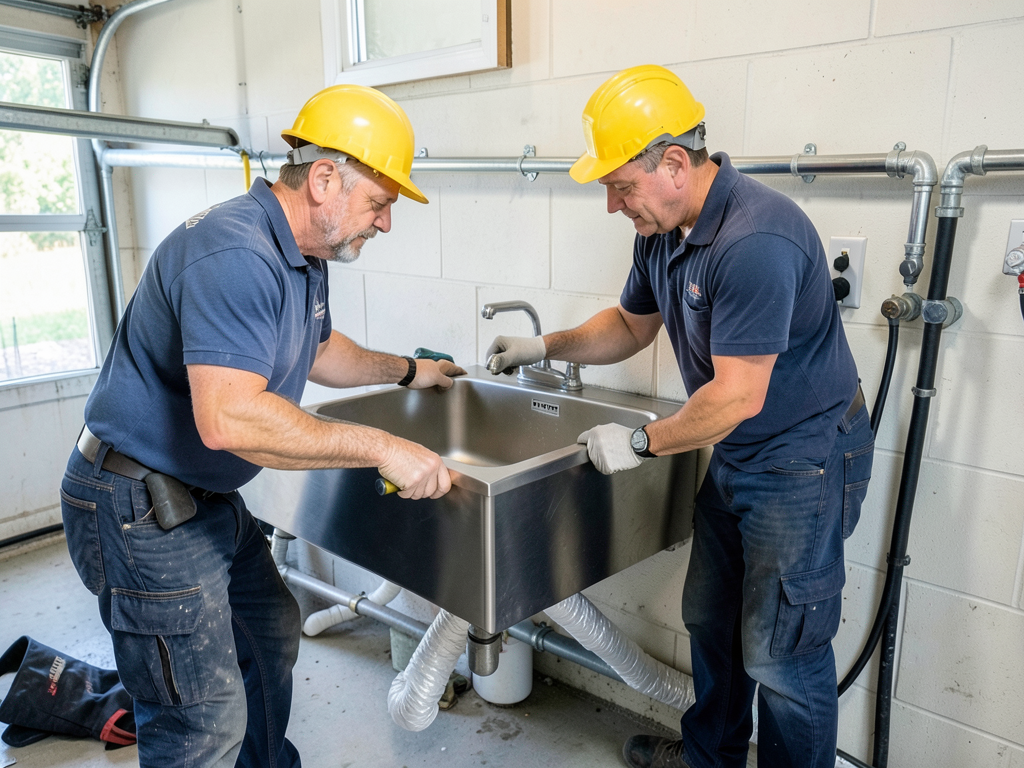
Utility sinks for garages fall into two main categories based on mounting style and material durability. Wall-mounted stainless steel sinks work well for smaller garages where floor space matters. These units attach directly to wall studs and free up floor area for storage or vehicle parking.
Floor-mounted slop sinks offer greater stability and capacity for heavy-duty use. These typically feature 10 to 14-inch deep basins made from heavy-duty plastic or stainless steel. The extra depth handles soaking large tools or cleaning buckets without splashing. City of Providence Department of Inspection and Standards.
Material selection affects longevity in garage environments. Stainless steel resists rust and handles chemical cleaners better than plastic. Heavy-duty plastic costs less and works fine for light use but may crack if heavy objects fall on it. For Mount Pleasant’s freeze-thaw cycles, stainless steel provides better long-term value.
Consider faucet height and spray functionality. A high-arc faucet with pull-down sprayer makes filling buckets easier. Look for models with ceramic disc valves that resist hard water buildup common in Providence’s municipal supply system. What to Do if Your Federal Hill Water Heater Starts Leaking Everywhere.
Plumbing Requirements for Providence Garages
Adding plumbing to a garage requires understanding Providence’s specific code requirements. The Rhode Island State Plumbing Code mandates P-traps on all drain lines to prevent sewer gases from entering living spaces. Even in detached garages, proper trapping remains essential for health and safety. Professional Drain Cleaning Services for Historic Homes on the East Side.
Drainage connections typically tie into existing home plumbing systems. The most straightforward approach connects to a nearby bathroom or laundry room drain stack. This requires cutting into existing pipes and installing proper cleanouts for future maintenance.. Read more about Plumbing Essentials for Adding an Accessory Dwelling Unit in the West End.
Air Admittance Valves provide an alternative when traditional venting through the roof proves difficult. AAVs allow air to enter drain lines while preventing sewer gas escape. Rhode Island code permits AAV installation in most garage applications provided they meet manufacturer specifications and local inspector approval. Who to Call for Safe Gas Line Installation in the West End.
Pipe material selection matters in garage environments. PEX piping handles temperature fluctuations better than copper and costs less to install. PEX expands slightly when water freezes, reducing burst risk. Copper provides superior durability but requires more careful installation to prevent freezing damage.
Water supply lines need proper insulation even in heated garages. Providence’s winter temperatures regularly drop below 20°F, creating freeze risk for any plumbing in exterior walls or unheated spaces. Heat tape installation provides additional protection for supply lines running along cold garage walls.. Read more about Plumbing and Drainage Solutions for Olneyville Artist Lofts and Studios.
The Installation Process: What to Expect
Professional garage sink installation follows a predictable sequence that minimizes disruption to your home. The process begins with locating existing plumbing lines and determining the most efficient connection point. This assessment identifies whether the project requires cutting through concrete slabs or accessing pipes through walls.. Read more about How to Connect a Rain Barrel System to Your Hope Village Gutter Setup.
Slab cutting represents the most invasive part of garage installations. For Mount Pleasant homes with concrete garage floors, cutting a trench for drain lines requires specialized equipment and dust control measures. The trench typically extends 12 to 18 inches deep to accommodate proper slope for waste water flow.
After trench preparation, drain lines install with proper slope toward the main stack or ejector pump. The standard slope requirement is 1/4 inch per foot to ensure waste water flows without pooling. P-traps install at the sink location with cleanouts positioned for easy access during maintenance.. Read more about Grinder Pump vs Ejector Pump (Which One Does Your South Providence Business Need?).
Supply line installation follows drain work. PEX lines typically run through wall cavities or along ceiling joists to reach the sink location. All supply lines receive insulation rated for freezing temperatures. Shut-off valves install within easy reach for emergency water control.
The final phase includes mounting the sink, connecting fixtures, and pressure testing all connections. Professional installers verify no leaks exist before completing the project. Most garage sink installations require 1 to 2 days depending on complexity and whether concrete cutting proves necessary.
Winter-Proofing Your Garage Plumbing
Providence’s harsh winters create unique challenges for garage plumbing. Temperatures below 20°F can freeze exposed pipes within 6 to 8 hours. Without proper protection, a single freeze event can split copper pipes or rupture PEX connections, causing extensive water damage.
Heat tape installation provides the first line of defense against freezing. Self-regulating heat tape automatically adjusts power output based on pipe temperature. Install heat tape along all supply lines in unheated garages, securing it with specialized tape that won’t melt at high temperatures.
Pipe insulation requires more than basic foam tubes. Use insulation rated for outdoor use with R-values of at least 3.0 for garage applications. Seal all insulation joints with waterproof tape to prevent moisture infiltration that reduces insulating effectiveness.
Consider installing a small electric heater near the sink area if you use the space frequently during winter. A thermostatically controlled unit maintains temperatures above freezing without excessive energy consumption. Position heaters away from flammable materials and ensure proper ventilation.
Drain traps need special attention since standing water in P-traps freezes quickly. Pour environmentally safe antifreeze into rarely used drains during extreme cold spells. This prevents trap freezing and maintains the water seal that blocks sewer gases.
For seasonal properties or rarely used garages, consider installing quarter-turn ball valves that allow complete water shut-off to the garage. Open all faucets to drain remaining water from supply lines before extended absences during winter months.
Cost Factors and Local Estimates
Garage utility sink installation costs vary based on several factors specific to Providence homes. Distance from existing plumbing represents the largest cost variable. Running new lines 20 feet costs significantly less than extending 50 feet or more to reach the nearest drain connection.
Concrete cutting adds substantial cost to garage installations. Breaking through a 4-inch concrete slab requires specialized equipment and generates significant dust. Expect concrete cutting to add $500 to $1,500 depending on trench length and depth requirements.
Permit requirements affect both cost and timeline. The City of Providence Department of Inspection and Standards requires permits for new plumbing installations. Permit fees typically range from $75 to $200 depending on project scope. Professional plumbers handle permit acquisition and ensure all work passes inspection.
Material selection influences overall cost. Basic plastic slop sinks with standard faucets cost less upfront but may require replacement sooner. Premium stainless steel units with commercial-grade fixtures cost more initially but provide better durability in garage environments.
Additional features increase installation complexity and cost. Hot water supply lines require proper sizing and insulation. Garbage disposal units add electrical work requirements. Custom cabinetry or shelving around the sink area increases both material and labor costs.
Most Providence homeowners spend between $1,200 and $3,500 for complete garage sink installations including permits, materials, and professional labor. Complex projects involving extensive concrete work or long pipe runs may exceed $4,000.
Is Your Garage Ready for a Utility Sink?
Before starting a garage sink project, evaluate whether your space can accommodate the installation. Check existing plumbing locations to determine connection feasibility. A bathroom or laundry room on the same side of the house as your garage provides the easiest access point.
Assess your garage’s structural characteristics. Concrete slab thickness affects cutting difficulty. Walls with existing plumbing chases simplify supply line routing. Finished garage walls may require removal and replacement to access framing for proper pipe support.
Consider your intended use for the sink. Light-duty cleaning requires smaller basins and simpler drainage. Heavy-duty workshop use demands larger basins, hot water supply, and potentially commercial-grade fixtures. Your usage pattern influences both fixture selection and installation complexity.
Evaluate electrical requirements if adding features like hot water or garbage disposal. Most garages lack dedicated circuits for new plumbing fixtures. Electrical upgrades may prove necessary to meet code requirements for GFCI protection and proper circuit loading.
Check local zoning restrictions. Some Providence neighborhoods have regulations about exterior modifications or utility installations. Historic districts may require additional approvals for any changes to garage structures.
Finally, consider whether DIY installation makes sense. While basic sink installation seems straightforward, connecting to existing plumbing systems requires professional expertise. Improper connections can cause leaks, code violations, or frozen pipe damage that costs far more than professional installation.
Professional Installation vs. DIY: Making the Right Choice
Garage sink installation involves more than connecting a few pipes. Professional plumbers understand Providence’s specific code requirements, including proper venting methods, trap sizing, and freeze protection standards. DIY mistakes often create problems that cost more to fix than professional installation would have cost initially.
Professional installation provides warranty protection and code compliance documentation. If problems arise after installation, licensed plumbers return to fix issues at no additional cost. DIY installations lack this protection, leaving homeowners responsible for all repairs and corrections. How to Get Fast Pipe Repair in Smith Hill Before the Next Big Freeze.
Time savings represent another advantage of professional installation. What might take a homeowner several weekends, a professional crew completes in one to two days. This includes permit acquisition, inspection scheduling, and proper testing of all connections.
Professional plumbers also provide valuable advice about fixture selection and placement. They understand which materials perform best in Providence’s climate and can recommend features that prevent common garage plumbing problems like freezing or clogging.
Insurance considerations matter too. Professional installations typically meet insurance company requirements for plumbing modifications. DIY work may void coverage if problems cause water damage or create code violations that result in fines.
For most Providence homeowners, professional installation provides better value despite higher upfront costs. The combination of code compliance, warranty protection, and peace of mind justifies the investment for a fixture that should provide reliable service for many years.
Maintaining Your Garage Utility Sink
Proper maintenance extends the life of your garage utility sink and prevents costly repairs. Regular cleaning prevents buildup of chemicals, oils, and debris that can clog drains or damage fixtures. Use non-abrasive cleaners on stainless steel surfaces to maintain appearance and prevent corrosion.
Check supply line connections quarterly for signs of moisture or corrosion. Even small leaks can cause significant damage over time, especially in enclosed wall cavities. Tighten compression fittings if you notice moisture but contact a professional if corrosion appears on any connections.
Clean drain traps annually to remove accumulated debris. Remove the trap P-section and flush it thoroughly with hot water. This prevents slow draining and reduces the risk of complete blockages that could cause sink backups.
Test shut-off valves twice yearly by closing and reopening them. Valves that remain unused for extended periods can seize in the open position, preventing emergency water shut-off if needed. Replace any valve that feels stiff or fails to completely stop water flow.
Inspect heat tape operation before each winter season. Test the electrical connection and verify the tape warms when activated. Replace any sections showing physical damage or loss of heating capability.
Monitor water pressure regularly using a simple gauge that attaches to the sink faucet. Pressure exceeding 80 PSI can stress plumbing connections and fixtures. Consider installing a pressure-reducing valve if readings consistently exceed recommended levels.
Address slow drains immediately rather than waiting for complete blockages. Use enzyme-based drain cleaners monthly to prevent buildup of organic materials that commonly cause garage sink clogs.
Common Garage Sink Problems and Solutions
Understanding common garage sink issues helps you identify problems early. Slow draining often indicates partial blockages in the P-trap or drain line. This typically results from debris accumulation and requires trap cleaning or drain snaking to resolve.
Frozen pipes represent the most serious winter problem. Signs include no water flow when other fixtures work normally or visible frost on exposed pipes. If you suspect frozen pipes, shut off the water supply immediately and contact a professional plumber. Never attempt to thaw pipes with open flame or high heat.
Water hammer occurs when fast-closing valves create pressure waves in supply lines. This manifests as banging sounds when faucets shut off quickly. Installing water hammer arrestors at problem fixtures typically resolves this issue.
Low water pressure in garage sinks often results from undersized supply lines or mineral buildup in older pipes. Professional plumbers can assess whether pipe replacement or fixture upgrades would improve performance.
Sewer odors indicate problems with drain traps or venting. If a sink remains unused for extended periods, the trap water seal can evaporate, allowing sewer gases to enter. Running water through the drain for 30 seconds typically refills the trap and resolves the odor.
Leaks at supply connections commonly develop over time as fittings loosen or washers degrade. Check all visible connections monthly and tighten any that show moisture. Replace supply lines showing signs of corrosion or cracking.
For Mount Pleasant homeowners, most garage sink problems relate to our specific climate challenges. Proper installation with freeze protection prevents most issues, but understanding warning signs helps you address problems before they cause major damage.
Local Resources and Support
Providence offers several resources for homeowners undertaking garage plumbing projects. The City of Providence Department of Inspection and Standards provides permit information and inspection scheduling. Their office at 444 Westminster Street handles all plumbing permit applications and inspections.
Local plumbing supply stores offer expert advice and quality materials. Ocean State Plumbing Supply on Branch Avenue stocks professional-grade fixtures and provides technical guidance for DIY projects. Their staff understands Providence’s specific code requirements and can recommend appropriate materials.
The Rhode Island State Plumbing Board maintains licensing information and can verify whether plumbers hold current credentials. Always verify licensing before hiring any contractor for plumbing work in your home.
Local hardware stores like Aubin Ace Hardware on Branch Avenue carry basic plumbing supplies and can special order fixtures not in stock. Their staff often includes experienced tradespeople who provide valuable installation advice.
Online resources from the EPA WaterSense program offer water conservation tips and fixture recommendations. While not Providence-specific, these guidelines help homeowners select efficient fixtures that reduce water bills and environmental impact.
Community colleges in the area sometimes offer adult education classes in basic plumbing skills. These courses provide hands-on experience with common tasks like fixture installation and basic repairs, though they don’t replace professional expertise for complex projects.
Frequently Asked Questions
How long does garage utility sink installation take?
Most professional installations complete in 1 to 2 days. Simple projects connecting to nearby plumbing may finish in one day, while complex installations requiring concrete cutting or extensive pipe runs may need two days plus additional time for inspections.
Do I need a permit to add a sink to my garage?
Yes. The City of Providence requires permits for new plumbing installations including garage sinks. Permit fees typically range from $75 to $200. Professional plumbers handle permit acquisition and ensure all work passes required inspections.
Can I install a utility sink in my detached garage?
Yes, but detached garage installations cost more due to longer pipe runs and potential need for separate water service. You’ll need to trench from your home to the garage for both supply and drain lines, increasing both material and labor costs.
What’s the best material for a garage utility sink?
Stainless steel offers the best combination of durability, chemical resistance, and freeze protection for garage environments. Heavy-duty plastic costs less but may crack if heavy objects fall on it. For Providence’s climate, stainless steel provides better long-term value despite higher initial cost.
How do I prevent my garage sink pipes from freezing?
Install heat tape on all supply lines, use insulation rated for outdoor use with R-values of at least 3.0, and consider a small thermostatically controlled heater near the sink area. For seasonal properties, install quarter-turn ball valves that allow complete water shut-off to the garage.
What’s the average cost for garage sink installation in Providence?
Most homeowners spend between $1,200 and $3,500 for complete installations including permits, materials, and professional labor. Complex projects involving extensive concrete work or long pipe runs may exceed $4,000. Factors affecting cost include distance from existing plumbing, concrete cutting requirements, and fixture selection.
Can I use PEX piping for my garage sink installation?
Yes. PEX piping handles temperature fluctuations better than copper and costs less to install. PEX expands slightly when water freezes, reducing burst risk. However, all PEX installations still require proper insulation and freeze protection in Providence’s climate.
Ready to Add a Utility Sink to Your Garage?
Adding a utility sink to your Mount Pleasant garage or workspace transforms how you use the space. Whether you need a place to clean tools, wash muddy boots, or handle messy projects, professional installation ensures reliable performance year-round.
Don’t risk DIY mistakes that could lead to frozen pipes, code violations, or costly water damage. Professional plumbers understand Providence’s specific requirements and can complete your installation correctly the first time.
Call (401) 240-9711 today to schedule your garage sink consultation. Our experienced team will assess your space, explain your options, and provide a detailed quote with no hidden fees. We handle everything from permit acquisition to final inspection, ensuring your new sink meets all Rhode Island code requirements.
Pick up the phone and call (401) 240-9711 before the next cold snap hits. Your garage deserves reliable plumbing that works when you need it most.
{
“@context”: “https://schema.org”,
“@type”: “BlogPosting”,
“headline”: “Adding a Utility Sink to Your Mount Pleasant Garage or Workspace”,
“description”: “Learn the exact plumbing requirements for adding a utility sink to your Providence garage. Discover code compliance, winterization, and professional installation options.”,
“wordCount”: 2996,
“datePublished”: “2026-05-25T14:32:00.000Z”,
“dateModified”: “2026-05-25T14:32:00.000Z”,
“inLanguage”: “en-US”,
“mainEntityOfPage”: {
“@type”: “WebPage”,
“@id”: “https://cornerstoneplumbingprovidence.com”
},
“publisher”: {
“@type”: “LocalBusiness”,
“name”: “Cornerstone Plumbing Providence”,
“url”: “https://cornerstoneplumbingprovidence.com”
},
“author”: {
“@type”: “Organization”,
“name”: “Cornerstone Plumbing Providence”,
“url”: “https://cornerstoneplumbingprovidence.com”
},
“image”: {
“@type”: “ImageObject”,
“url”: “https://cornerstoneplumbingprovidence.com/wp-content/uploads/2026/03/adding-a-utility-sink-to-your-mount-pleasant-garag-1.png”
}
}
{
“@context”: “https://schema.org”,
“@type”: “Plumber”,
“name”: “Cornerstone Plumbing Providence”,
“url”: “https://cornerstoneplumbingprovidence.com”,
“address”: {
“@type”: “PostalAddress”,
“addressLocality”: “Providence”
},
“areaServed”: {
“@type”: “City”,
“name”: “Providence”
}
}
{
“@context”: “https://schema.org”,
“@type”: “FAQPage”,
“mainEntity”: [
{
“@type”: “Question”,
“name”: “Is Your Garage Ready for a Utility Sink?”,
“acceptedAnswer”: {
“@type”: “Answer”,
“text”: “Before starting a garage sink project, evaluate whether your space can accommodate the installation. Check existing plumbing locations to determine connection feasibility. A bathroom or laundry room on the same side of the house as your garage provides the easiest access point.”
}
},
{
“@type”: “Question”,
“name”: “How long does garage utility sink installation take?”,
“acceptedAnswer”: {
“@type”: “Answer”,
“text”: “Most professional installations complete in 1 to 2 days. Simple projects connecting to nearby plumbing may finish in one day, while complex installations requiring concrete cutting or extensive pipe runs may need two days plus additional time for inspections.”
}
},
{
“@type”: “Question”,
“name”: “Do I need a permit to add a sink to my garage?”,
“acceptedAnswer”: {
“@type”: “Answer”,
“text”: “Yes. The City of Providence requires permits for new plumbing installations including garage sinks. Permit fees typically range from $75 to $200. Professional plumbers handle permit acquisition and ensure all work passes required inspections.”
}
},
{
“@type”: “Question”,
“name”: “Can I install a utility sink in my detached garage?”,
“acceptedAnswer”: {
“@type”: “Answer”,
“text”: “Yes, but detached garage installations cost more due to longer pipe runs and potential need for separate water service. You’ll need to trench from your home to the garage for both supply and drain lines, increasing both material and labor costs.”
}
},
{
“@type”: “Question”,
“name”: “What’s the best material for a garage utility sink?”,
“acceptedAnswer”: {
“@type”: “Answer”,
“text”: “Stainless steel offers the best combination of durability, chemical resistance, and freeze protection for garage environments. Heavy-duty plastic costs less but may crack if heavy objects fall on it. For Providence’s climate, stainless steel provides better long-term value despite higher initial cost.”
}
},
{
“@type”: “Question”,
“name”: “How do I prevent my garage sink pipes from freezing?”,
“acceptedAnswer”: {
“@type”: “Answer”,
“text”: “Install heat tape on all supply lines, use insulation rated for outdoor use with R-values of at least 3.0, and consider a small thermostatically controlled heater near the sink area. For seasonal properties, install quarter-turn ball valves that allow complete water shut-off to the garage.”
}
},
{
“@type”: “Question”,
“name”: “What’s the average cost for garage sink installation in Providence?”,
“acceptedAnswer”: {
“@type”: “Answer”,
“text”: “Most homeowners spend between $1,200 and $3,500 for complete installations including permits, materials, and professional labor. Complex projects involving extensive concrete work or long pipe runs may exceed $4,000. Factors affecting cost include distance from existing plumbing, concrete cutting requirements, and fixture selection.”
}
},
{
“@type”: “Question”,
“name”: “Can I use PEX piping for my garage sink installation?”,
“acceptedAnswer”: {
“@type”: “Answer”,
“text”: “Yes. PEX piping handles temperature fluctuations better than copper and costs less to install. PEX expands slightly when water freezes, reducing burst risk. However, all PEX installations still require proper insulation and freeze protection in Providence’s climate.”
}
},
{
“@type”: “Question”,
“name”: “Ready to Add a Utility Sink to Your Garage?”,
“acceptedAnswer”: {
“@type”: “Answer”,
“text”: “Adding a utility sink to your Mount Pleasant garage or workspace transforms how you use the space. Whether you need a place to clean tools, wash muddy boots, or handle messy projects, professional installation ensures reliable performance year-round.”
}
}
]
}
{
“@context”: “https://schema.org”,
“@type”: “BreadcrumbList”,
“itemListElement”: [
{
“@type”: “ListItem”,
“position”: 1,
“name”: “Home”,
“item”: “https://cornerstoneplumbingprovidence.com”
},
{
“@type”: “ListItem”,
“position”: 2,
“name”: “Blog”,
“item”: “https://cornerstoneplumbingprovidence.com/blog”
},
{
“@type”: “ListItem”,
“position”: 3,
“name”: “Adding a Utility Sink to Your Mount Pleasant Garage or Workspace”
}
]
}
{
“@context”: “https://schema.org”,
“@type”: “Service”,
“serviceType”: “Plumbing”,
“provider”: {
“@type”: “LocalBusiness”,
“name”: “Cornerstone Plumbing Providence”,
“url”: “https://cornerstoneplumbingprovidence.com”
},
“areaServed”: {
“@type”: “City”,
“name”: “Providence”
},
“description”: “Learn the exact plumbing requirements for adding a utility sink to your Providence garage. Discover code compliance, winterization, and professional installation options.”
}