Dealing with Stubborn Hair Clogs in Your Fox Point Bathroom Sink or Shower
Hair clogs in bathroom drains create slow water flow, standing water, and unpleasant odors. These clogs form when loose hair combines with soap scum and body oils, creating a dense mat that blocks pipes. Fox Point homes often experience this issue due to older plumbing systems and high tenant turnover in rental properties. What to Do if Your Federal Hill Water Heater Starts Leaking Everywhere.
Most hair clogs develop gradually. You might notice water pooling around your feet during showers or your sink draining slower than usual. The good news is that many clogs respond to simple DIY methods before requiring professional help. Professional Drain Cleaning Services for Historic Homes on the East Side.
Understanding what causes these clogs helps prevent future problems. Human hair does not dissolve in water. When it catches on pipe joints or rough surfaces, it acts like a net, trapping more hair and debris. Soap scum adds to the problem by creating a sticky surface that holds everything together. Water Heater Repair & Installation.
Fox Point’s historic homes built before 1950 often have cast iron pipes with rough interior surfaces. These pipes catch hair more easily than smooth PVC pipes found in newer construction. The older pipes also have more joints and connections where hair can snag.
Before attempting any fix, gather basic tools: rubber gloves, a bucket, a flashlight, and either a zip-it tool or a wire hanger. Having everything ready prevents making a mess while searching for supplies.
Common Causes of Hair Clogs in Rhode Island Homes
Hair clogs result from more than just loose strands going down the drain. Understanding the science helps you prevent future blockages.
Human hair contains keratin proteins that do not break down in water. When wet hair goes down the drain, it can wrap around pipe fittings. Soap scum forms when soap reacts with minerals in water, creating a sticky film. This film coats pipe walls and catches hair like flypaper.
In Providence’s older neighborhoods like Fox Point, many homes still have original cast iron plumbing. Cast iron pipes develop rough interior surfaces over decades of use. These rough spots catch hair immediately, while smooth PVC pipes allow hair to pass through more easily. Providence Water.
Water chemistry affects clog formation. Providence’s water contains moderate mineral content. When soap mixes with these minerals, it creates more soap scum than in areas with soft water. More soap scum means more material for hair to stick to.
Shower habits also matter. People who brush their hair before showering lose fewer strands during washing. Those who shave in the shower send hair directly down the drain, where it immediately starts forming clogs.. Read more about Is a Steam Shower Upgrade Right for Your Blackstone Boulevard Master Suite?.
Fox Point’s historic architecture includes many multi-family homes built between 1900 and 1940. These buildings often share main drain lines. A clog in one unit can affect others, making individual DIY solutions ineffective.
Essential Tools for the Job
Having the right tools makes hair clog removal faster and cleaner. Here are the must-have items for any bathroom drain project.
A zip-it tool costs under $5 and works better than most chemical cleaners. This flexible plastic strip has barbs that grab hair when you pull it up. The tool reaches 20-25 inches into pipes, grabbing clogs that plungers cannot touch.
Rubber gloves protect your hands from dirty water and sharp pipe edges. Choose gloves that extend past your wrists to prevent water from running down your arms.
A bucket catches water when you remove the P-trap under sinks. Choose one that fits under the drain opening without tipping.
A flashlight or headlamp illuminates dark pipe interiors. LED headlamps keep both hands free for work.
For tougher clogs, a drain snake or auger provides more power than a zip-it tool. Manual snakes cost $15-30, while powered versions run $50-150. The flexible cable reaches 25 feet or more into pipes.
A plunger creates pressure to dislodge clogs near the drain opening. Use a cup plunger for sinks and showers, not a flange plunger designed for toilets.
Keep old towels nearby to clean up spills and wipe tools. Paper towels work but tear easily when wet.
Step-by-Step DIY Methods
Start with the simplest method and progress to more involved techniques only if needed. This approach saves time and prevents unnecessary pipe disassembly.
Method 1: The Manual Pull
Remove visible hair from the drain cover using your fingers or needle-nose pliers. Pull straight up rather than pushing down, which forces hair deeper into pipes.
Insert a zip-it tool into the drain opening. Push it down until you feel resistance, then pull up firmly. The barbs catch hair and pull it out in one motion.
Repeat the process several times, turning the tool slightly each time to catch hair from different angles. One pass rarely removes all hair.
Flush the drain with hot water for 30 seconds to wash away loosened debris.
Method 2: The Baking Soda and Vinegar Flush
Pour one cup of baking soda down the drain. Follow with one cup of white vinegar. The mixture creates a fizzing reaction that can break up minor clogs.
Cover the drain opening with a wet cloth or stopper. This forces the reaction down into the pipes rather than up into your bathroom.
Wait 15 minutes for the chemical reaction to work. During this time, boil a kettle of water.
Remove the cover and pour the boiling water down the drain. The hot water flushes away dissolved material and remaining debris.
Method 3: Removing the P-Trap
Place a bucket under the P-trap, the curved pipe under sinks. Loosen the slip nuts on both ends of the trap using channel-lock pliers or a wrench.
Remove the trap and empty its contents into the bucket. Hair clogs often collect in this U-shaped section.
Clean the trap with a bottle brush or old toothbrush. Check the pipe ends for hair buildup and remove it.
Reassemble the trap, tightening slip nuts by hand first, then giving them a quarter turn with pliers. Overtightening can crack plastic fittings.
Run water to check for leaks at the connections.
What to Avoid: Why Chemical Cleaners Do More Harm Than Good
Chemical drain cleaners seem convenient but create serious problems, especially in older Providence homes.
Products like Drano and Liquid-Plumr contain sodium hydroxide or sulfuric acid. These chemicals generate heat when they react with water and organic material. In cast iron pipes, this heat can warp or crack the pipe walls.
Chemicals work slowly, giving them time to damage pipes. A clog blocks the chemical from reaching all areas, creating hot spots that weaken pipe joints.
Older homes in Fox Point often have mixed pipe materials. Chemical reactions between different metals can cause galvanic corrosion, eating through pipe walls from the inside.
Environmental concerns matter too. Chemical cleaners enter the wastewater system, potentially harming aquatic life in Narragansett Bay. Rhode Island has strict regulations about what can enter municipal sewer systems. Rhode Island Department of Environmental Management.
Chemicals pose health risks. Fumes can irritate lungs and eyes. Splashes cause chemical burns. If you need to call a plumber later, they face exposure to these hazardous materials.
Enzymatic cleaners offer a safer alternative. These products use bacteria to digest organic material. They work slowly but do not damage pipes or harm the environment.
For prevention, enzyme treatments once a month keep drains clear without the risks of harsh chemicals.
When to Call a Professional Providence Plumber
Some clogs signal bigger problems that DIY methods cannot fix. Recognizing these signs prevents water damage and costly repairs. How to Get Fast Pipe Repair in Smith Hill Before the Next Big Freeze.
Multiple drains backing up simultaneously indicates a main line clog. This affects toilets, sinks, and showers throughout your home. The blockage lies in the sewer line, requiring professional equipment.
Gurgling sounds from drains suggest air trapped by a partial blockage. This often occurs when vents become clogged with debris or animal nests.
Water backing up into other fixtures when you use one drain points to a serious obstruction. For example, water rising in your shower when you flush the toilet indicates a blocked main line.
Foul odors from drains that persist after cleaning suggest sewer gas entering your home. This poses health risks and indicates broken or disconnected pipes.
Recurring clogs that return within days of clearing indicate a deeper problem. Tree roots, pipe collapse, or severe buildup require professional diagnosis.
Older Providence homes may have lead or galvanized pipes that deteriorate internally. These pipes cannot be effectively cleaned and require replacement.
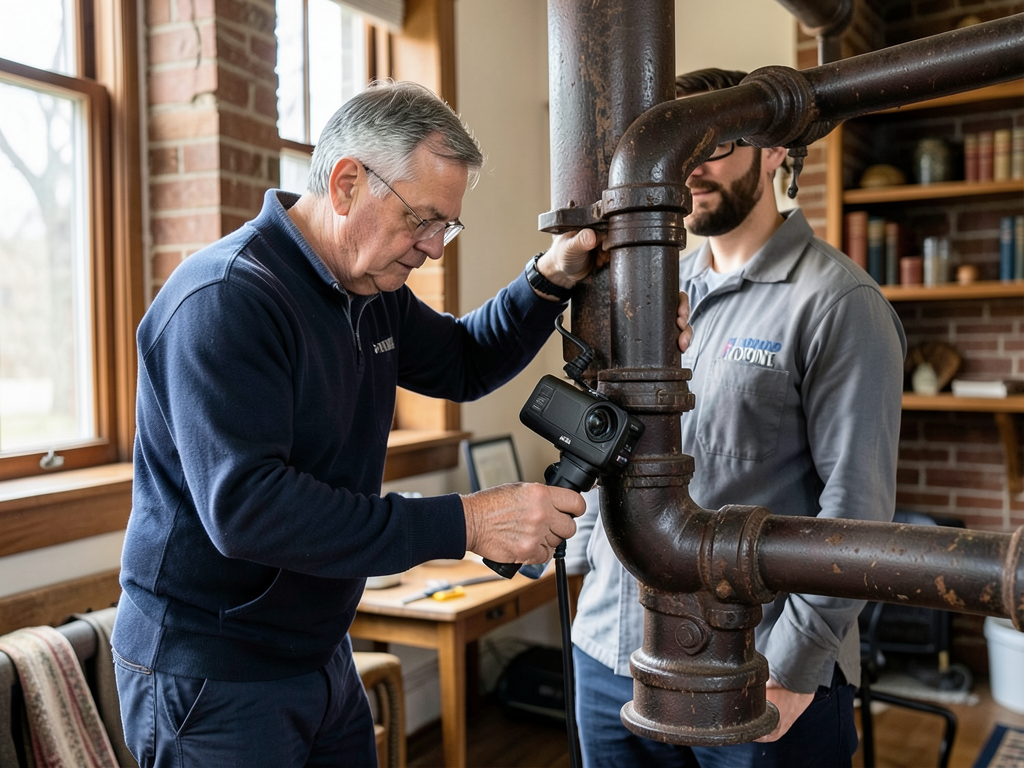
Professional plumbers use video inspection cameras to identify clog locations and pipe conditions. This technology prevents unnecessary wall demolition to find problems.
Hydro-jetting equipment clears severe blockages without damaging pipes. The high-pressure water stream cuts through roots, grease, and scale buildup.
Call (401) 240-9711 if you notice any warning signs. Quick action prevents water damage and ensures your plumbing system functions properly.
Prevention Strategies for Long-Term Drain Health
Preventing hair clogs saves time and money compared to clearing them repeatedly. Simple habits make a big difference in drain maintenance.
Install drain strainers in all bathroom sinks and showers. These inexpensive devices catch hair before it enters pipes. Clean strainers weekly to maintain water flow.
Brush hair before showering to remove loose strands. This simple step prevents hundreds of hairs from going down the drain.
Avoid washing large amounts of hair down any drain. When cleaning hairbrushes, dispose of collected hair in the trash rather than rinsing it away.
Monthly enzyme treatments maintain clear pipes. These products digest organic buildup before it becomes problematic. They work best as prevention rather than cure.
Run hot water for 30 seconds after each shower or bath. This flushes away soap residue and loose hair before they can form clogs.
Consider pipe replacement in very old homes. Modern PVC pipes resist clogging better than century-old cast iron. The investment pays off through fewer plumbing emergencies.
Educate household members about what should not go down drains. Dental floss, cotton swabs, and paper products create problems similar to hair clogs.
Regular professional drain cleaning every 1-2 years prevents severe buildup in older homes. This maintenance costs less than emergency service calls.
Understanding Providence’s Plumbing Infrastructure
Providence’s plumbing systems reflect the city’s age and development patterns. Knowing what lies beneath your floors helps explain recurring drain issues.
Fox Point developed rapidly between 1870 and 1920. Most homes from this era used lead service lines connected to cast iron drain pipes. Lead corrodes slowly, creating rough surfaces that catch hair easily.
Rhode Island’s building codes evolved significantly over the past century. Homes built before 1950 may not meet current plumbing standards. This includes inadequate venting and pipe sizing that contributes to clogs.
Providence’s high water table affects plumbing in low-lying areas. Water pressure can force gases back through drains, creating odors and pressure issues that mimic clogs.
Soil composition in coastal areas like Fox Point includes clay and silt. These soils shift with moisture changes, potentially breaking pipe joints underground. Hair clogs at these breaks become nearly impossible to clear without excavation.
Winter freezes common in Providence can crack pipes, creating internal snags for hair. Thawing reveals problems that developed during cold weather.
Understanding these factors helps you make informed decisions about drain maintenance and when to call professionals.
Cost Comparison: DIY vs. Professional Service
Comparing costs helps you decide when to attempt DIY fixes versus calling professionals. The right choice depends on your time, tools, and the severity of the clog.
| Service Type | Average Cost | Time Required | Success Rate |
|---|---|---|---|
| Zip-it Tool | $5-8 | 10-15 minutes | 60-70% |
| Plunger | $10-15 | 15-20 minutes | 50-60% |
| Baking Soda & Vinegar | $2-3 | 20-30 minutes | 40-50% |
| Drain Snake Rental | $25-40/day | 30-60 minutes | 70-80% |
| Professional Service Call | $150-300 | 30-90 minutes | 95-100% |
| Hydro-jetting | $300-500 | 1-3 hours | 100% |
DIY methods work best for simple clogs near drain openings. Professional service becomes cost-effective when multiple attempts fail or when you suspect deeper problems.
Consider your time value. A $150 service call might save you three hours of frustration and multiple trips to the hardware store.
Emergency service costs more but prevents water damage from overflowing fixtures. This premium often pays for itself by avoiding repair bills.
Safety Considerations for DIY Drain Work
Drain cleaning involves dirty water, sharp tools, and potentially hazardous materials. Following safety practices prevents injuries and messes.
Always wear rubber gloves when handling drain components. Water in pipes contains bacteria from waste and can cause infections through cuts or scrapes.
Protect your eyes with safety glasses when using plungers or drain snakes. Water can splash forcefully when pressure releases.
Keep children and pets away from work areas. Curious animals might investigate dirty water or tools.
Never mix chemical cleaners. Combining different products can create toxic gases or explosive reactions.
If you smell sewer gas, ventilate the area immediately and avoid creating sparks. Sewer gas contains methane, which can explode in enclosed spaces.
When removing P-traps, place buckets under connections to catch water. Old pipes may have hairline cracks that leak when disturbed.
Check for mold growth around drains before cleaning. Disturbing mold releases spores into the air. Wear a mask if mold is present.
Turn off water supply to affected fixtures before disassembly. This prevents accidental flooding if supply lines break during work.
Keep a first aid kit nearby for minor cuts or splashes. Include antiseptic and bandages specifically for plumbing work.
Environmental Impact of Drain Maintenance
Your drain cleaning choices affect local water quality and the environment. Providence residents can make eco-friendly decisions that protect Narragansett Bay.
Chemical drain cleaners enter the wastewater system and eventually reach treatment plants. Many treatment facilities cannot remove all chemical residues, which then flow into waterways.
Enzyme-based cleaners break down completely into harmless substances. They work with natural bacteria rather than killing them, maintaining healthy sewer ecosystems.
Physical removal methods like zip-it tools create no chemical waste. The hair and debris go in the trash rather than the water system.
Providence Water provides clean drinking water to most city residents. Protecting this resource means preventing contaminants from entering the system through drains.
Rhode Island Department of Environmental Management monitors water quality in local waterways. Individual actions contribute to the overall health of these ecosystems.
Older homes with lead pipes pose special concerns. Cleaning products can leach lead from pipe walls, increasing contamination risks.
Consider the full lifecycle of your drain cleaning choices. Reusable tools create less waste than disposable chemical bottles.
Frequently Asked Questions
How often should I clean my bathroom drains?
Clean drain strainers weekly and use enzyme treatments monthly. Professional cleaning every 1-2 years prevents severe buildup in older homes.
Can I use a coat hanger instead of a zip-it tool?
Wire hangers can damage pipes with their sharp ends. Zip-it tools have smooth edges and specialized barbs designed for safe hair removal.
Why does my drain smell bad even after cleaning?
Persistent odors indicate sewer gas entering through broken traps or vents. This requires professional inspection to locate and repair the source.
Will boiling water damage my pipes?
Boiling water rarely damages modern pipes but can crack porcelain fixtures. Use hot tap water instead for routine flushing to avoid this risk.
How can I tell if the clog is in the main line?
Multiple fixtures backing up simultaneously or water rising in one drain when you use another indicates a main line clog requiring professional service.
Are enzymatic cleaners safe for septic systems?
Yes, enzymatic cleaners support septic system bacteria rather than killing them. They help maintain healthy bacterial populations that digest waste.
What should I do if DIY methods don’t work?
Call (401) 240-9711 for professional diagnosis. Continuing to force DIY methods can damage pipes and create more expensive problems.
Conclusion
Dealing with hair clogs in Fox Point bathrooms requires understanding local plumbing conditions and using the right methods for your specific situation. Most clogs respond to simple tools and techniques, saving you time and money.
Prevention through strainers, good habits, and regular maintenance prevents most hair clogs from forming. When problems persist, recognizing the signs of serious issues helps you know when to call professionals.
Providence’s older homes need special consideration due to their aging infrastructure. What works in newer construction may not solve problems in century-old plumbing systems.
Remember that chemical cleaners often create more problems than they solve, especially in historic homes with cast iron pipes. Physical removal and enzyme treatments provide safer, more effective solutions.
For stubborn clogs or recurring problems, professional help ensures proper diagnosis and repair. Call (401) 240-9711 today to schedule your inspection and keep your Fox Point home’s plumbing flowing smoothly.
Don’t let hair clogs disrupt your daily routine. Whether you need immediate service or want to prevent future problems, our experienced team understands the unique plumbing challenges of Fox Point and Providence’s historic neighborhoods.
Pick up the phone and call (401) 240-9711 before the next storm hits or before a small clog becomes a major plumbing emergency. Your home deserves reliable, professional care from technicians who understand local conditions and building codes. Reliable Sump Pump Installation for Elmhurst Homeowners Facing Wet Basements.
{
“@context”: “https://schema.org”,
“@type”: “BlogPosting”,
“headline”: “Dealing with Stubborn Hair Clogs in Your Fox Point Bathroom Sink or Shower”,
“description”: “Expert solutions for stubborn hair clogs in Fox Point bathroom drains. Learn DIY methods, prevention tips, and when to call (401) 240-9711 for professional help.”,
“wordCount”: 2862,
“datePublished”: “2026-05-05T15:34:00.000Z”,
“dateModified”: “2026-05-05T15:34:00.000Z”,
“inLanguage”: “en-US”,
“mainEntityOfPage”: {
“@type”: “WebPage”,
“@id”: “https://cornerstoneplumbingprovidence.com”
},
“publisher”: {
“@type”: “LocalBusiness”,
“name”: “Cornerstone Plumbing Providence”,
“url”: “https://cornerstoneplumbingprovidence.com”
},
“author”: {
“@type”: “Organization”,
“name”: “Cornerstone Plumbing Providence”,
“url”: “https://cornerstoneplumbingprovidence.com”
},
“image”: {
“@type”: “ImageObject”,
“url”: “https://cornerstoneplumbingprovidence.com/wp-content/uploads/2026/03/dealing-with-stubborn-hair-clogs-in-your-fox-point-1.png”
}
}
{
“@context”: “https://schema.org”,
“@type”: “Plumber”,
“name”: “Cornerstone Plumbing Providence”,
“url”: “https://cornerstoneplumbingprovidence.com”,
“address”: {
“@type”: “PostalAddress”,
“addressLocality”: “Providence”
},
“areaServed”: {
“@type”: “City”,
“name”: “Providence”
}
}
{
“@context”: “https://schema.org”,
“@type”: “FAQPage”,
“mainEntity”: [
{
“@type”: “Question”,
“name”: “How often should I clean my bathroom drains?”,
“acceptedAnswer”: {
“@type”: “Answer”,
“text”: “Clean drain strainers weekly and use enzyme treatments monthly. Professional cleaning every 1-2 years prevents severe buildup in older homes.”
}
},
{
“@type”: “Question”,
“name”: “Can I use a coat hanger instead of a zip-it tool?”,
“acceptedAnswer”: {
“@type”: “Answer”,
“text”: “Wire hangers can damage pipes with their sharp ends. Zip-it tools have smooth edges and specialized barbs designed for safe hair removal.”
}
},
{
“@type”: “Question”,
“name”: “Why does my drain smell bad even after cleaning?”,
“acceptedAnswer”: {
“@type”: “Answer”,
“text”: “Persistent odors indicate sewer gas entering through broken traps or vents. This requires professional inspection to locate and repair the source.”
}
},
{
“@type”: “Question”,
“name”: “Will boiling water damage my pipes?”,
“acceptedAnswer”: {
“@type”: “Answer”,
“text”: “Boiling water rarely damages modern pipes but can crack porcelain fixtures. Use hot tap water instead for routine flushing to avoid this risk.”
}
},
{
“@type”: “Question”,
“name”: “How can I tell if the clog is in the main line?”,
“acceptedAnswer”: {
“@type”: “Answer”,
“text”: “Multiple fixtures backing up simultaneously or water rising in one drain when you use another indicates a main line clog requiring professional service.”
}
},
{
“@type”: “Question”,
“name”: “Are enzymatic cleaners safe for septic systems?”,
“acceptedAnswer”: {
“@type”: “Answer”,
“text”: “Yes, enzymatic cleaners support septic system bacteria rather than killing them. They help maintain healthy bacterial populations that digest waste.”
}
},
{
“@type”: “Question”,
“name”: “What should I do if DIY methods don’t work?”,
“acceptedAnswer”: {
“@type”: “Answer”,
“text”: “Call (401) 240-9711 for professional diagnosis. Continuing to force DIY methods can damage pipes and create more expensive problems.”
}
}
]
}
{
“@context”: “https://schema.org”,
“@type”: “BreadcrumbList”,
“itemListElement”: [
{
“@type”: “ListItem”,
“position”: 1,
“name”: “Home”,
“item”: “https://cornerstoneplumbingprovidence.com”
},
{
“@type”: “ListItem”,
“position”: 2,
“name”: “Blog”,
“item”: “https://cornerstoneplumbingprovidence.com/blog”
},
{
“@type”: “ListItem”,
“position”: 3,
“name”: “Dealing with Stubborn Hair Clogs in Your Fox Point Bathroom Sink or Shower”
}
]
}
{
“@context”: “https://schema.org”,
“@type”: “Service”,
“serviceType”: “Plumbing”,
“provider”: {
“@type”: “LocalBusiness”,
“name”: “Cornerstone Plumbing Providence”,
“url”: “https://cornerstoneplumbingprovidence.com”
},
“areaServed”: {
“@type”: “City”,
“name”: “Providence”
},
“description”: “Expert solutions for stubborn hair clogs in Fox Point bathroom drains. Learn DIY methods, prevention tips, and when to call (401) 240-9711 for professional help.”
}