Grinder Pump vs Ejector Pump (Which One Does Your South Providence Business Need?)
South Providence businesses face unique wastewater challenges due to the area’s low elevation and proximity to the Providence River. When your commercial property sits below the main sewer line, you need a specialized pumping system to move waste uphill and out of your building. The two main options are grinder pumps and ejector pumps, but choosing the wrong one can lead to costly failures and backups. What to Do if Your Federal Hill Water Heater Starts Leaking Everywhere.
Grinder pumps use rotating blades to chop solid waste into a fine slurry before pumping it through small-diameter pipes. Ejector pumps simply lift raw sewage using powerful impellers without breaking down solids. The key difference affects everything from installation costs to long-term maintenance requirements for your South Providence business. Reliable Sump Pump Installation for Elmhurst Homeowners Facing Wet Basements.
Understanding these differences matters because Providence’s combined sewer system and frequent flooding events create specific pressure conditions that can overwhelm the wrong pump type. A grinder pump might seem like the obvious choice for handling all waste, but it’s not always the most cost-effective or reliable solution for every commercial application in South Providence.
Comparing Grinder Pumps and Ejector Pumps Side-by-Side
Before diving into technical details, here’s a quick comparison of how these systems stack up for commercial use in South Providence:
| Feature | Grinder Pump | Ejector Pump |
|---|---|---|
| Solids Handling | Grinds to < 1/4 inch | Passes up to 2-inch solids |
| Typical Horsepower | 1-3 HP | 0.5-2 HP |
| Discharge Pipe Size | 1-1.25 inches | 2-3 inches |
| Maximum Head Pressure | Up to 130 feet | Up to 25 feet |
| Initial Cost | $2,500-$5,000 | $1,500-$3,000 |
| Maintenance Frequency | Every 6-12 months | Every 12-24 months |
| Best For | Pressurized mains, uphill pumping | Gravity-fed systems, lower lifts |
How Sewage Ejector Pumps Work in Commercial Buildings
Ejector pumps handle raw sewage by using powerful centrifugal force to lift waste from your lowest plumbing fixtures. These systems work best when your discharge line connects to a gravity sewer main or when you need to pump waste relatively short distances uphill.
The pump sits inside a sealed basin that collects wastewater from toilets, sinks, and floor drains. When waste reaches a certain level, a float switch activates the motor. The impeller spins at high speed, creating enough force to push solids through a two-inch discharge pipe. Professional Drain Cleaning Services for Historic Homes on the East Side.
Commercial ejector pumps in South Providence typically handle waste from basement bathrooms, utility sinks, and floor drains in restaurants and retail spaces. The larger discharge pipe means fewer clogs from items that shouldn’t be flushed but often are in commercial settings.
Key advantages for South Providence businesses include lower energy consumption and simpler maintenance. Since ejector pumps don’t grind solids, they experience less wear on internal components. This translates to fewer emergency service calls during Providence’s busy tourist seasons.
Most commercial ejector systems include check valves to prevent backflow and alarm systems that alert you when water levels get too high. These safety features prove crucial during heavy rain events when South Providence’s aging sewer infrastructure can become overwhelmed.
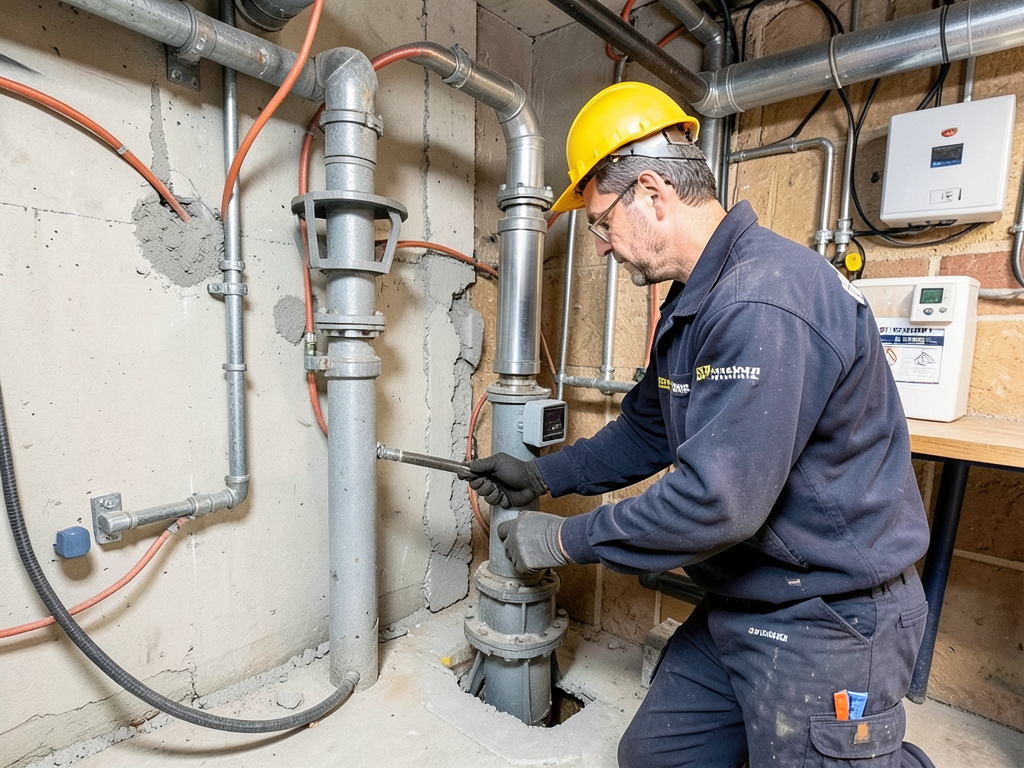
Diagram showing internal components of a commercial sewage ejector pump system, including basin, float switch, check valve, and discharge piping configuration.
Understanding Grinder Pump Technology for Commercial Applications
Grinder pumps operate like a garbage disposal combined with a sewage pump. Sharp, rotating blades macerate solid waste into a fine slurry before the pump sends it through small-diameter pipes. This grinding action allows the system to pump waste much higher and farther than ejector pumps can manage.
Commercial grinder pumps excel when you need to pump waste to pressurized sewer mains or when your discharge line travels long horizontal distances before connecting to the main sewer. The ability to use one-inch pipes reduces installation costs since smaller trenches and less concrete cutting are required. Who to Call for Safe Gas Line Installation in the West End.
South Providence businesses benefit from grinder pumps when located in areas where the city has converted to pressurized sewer systems. The Narragansett Bay Commission has been upgrading sections of the sewer network to handle increased capacity and reduce combined sewer overflows into the Providence River. Narragansett Bay Commission.
However, grinder pumps require more frequent maintenance because the cutting mechanism wears down over time. Commercial kitchens with high grease content or businesses that experience heavy paper product usage may find their grinder pumps need service every six months instead of annually.
The grinding action also creates more noise than ejector pumps, which can be problematic in customer-facing businesses. Additionally, the fine slurry produced by grinder pumps can be more difficult for municipal treatment plants to process, potentially leading to higher sewer use fees in some Providence districts.
South Providence Infrastructure Considerations
South Providence’s unique geography creates specific challenges for commercial wastewater pumping. The area sits in a low-lying basin near the Providence River, making many properties vulnerable to groundwater infiltration and combined sewer overflows during heavy rainfall.
The Narragansett Bay Commission’s Combined Sewer Overflow (CSO) control project has been ongoing since the 1990s, with multiple phases affecting different South Providence neighborhoods. Properties near completed CSO facilities may have access to newer, more reliable sewer infrastructure that influences pump selection.
Commercial buildings in South Providence often face older clay sewer laterals that connect to the main system. These pipes can crack and allow tree root intrusion, creating additional strain on pumping systems. Ejector pumps with larger discharge openings handle minor root intrusion better than grinder pumps, which can jam on fibrous material.
Soil conditions in South Providence include high clay content that retains moisture and can cause foundation settling. This affects pump basin installation, as shifting soil may cause misalignment over time. Proper bedding and anchoring become critical for long-term reliability.
Power reliability during coastal storms presents another consideration. South Providence businesses should evaluate whether battery backup systems or generators are necessary, especially for grinder pumps that may be needed during critical flooding events when municipal sewer capacity is compromised.
Cost Analysis for South Providence Businesses
Initial installation costs vary significantly between pump types. Ejector pumps typically cost $1,500-$3,000 for commercial-grade units, while grinder pumps range from $2,500-$5,000. However, installation complexity can equalize these differences.
Commercial ejector pump installation in South Providence often requires breaking through concrete floors, excavating soil, and running two-inch discharge lines. Labor costs in the Providence metro area average $85-$125 per hour, with most commercial installations taking 2-3 days.
Grinder pump installation may cost more upfront but can save money on discharge line installation. The smaller pipe size means less concrete cutting and easier routing through existing walls or ceilings. This proves especially valuable in renovated historic buildings common in South Providence.
Operating costs differ significantly. Ejector pumps use less electricity due to lower horsepower requirements and less frequent cycling. A typical commercial ejector pump might cost $15-$25 per month in electricity, while a grinder pump could cost $25-$40 monthly.
Maintenance represents the biggest cost difference over time. Ejector pumps need service every 12-24 months at $200-$400 per visit. Grinder pumps require attention every 6-12 months, with service calls ranging from $300-$600 due to the more complex cutting mechanism.
Emergency repair costs can devastate small businesses. A failed ejector pump might cost $800-$1,500 to replace, while grinder pump repairs often exceed $2,000 due to specialized parts and the need to handle the grinding mechanism carefully. EPA Water Infrastructure.
Making the Right Choice for Your Business
Choose an ejector pump if your commercial property meets these conditions: You’re pumping to a gravity sewer main within 20-30 feet of vertical lift, your discharge line is relatively short, you handle typical commercial waste volumes, and you want minimal maintenance requirements.
Grinder pumps make sense when you need to pump waste 30+ feet vertically, your discharge line travels long horizontal distances, you’re connecting to a pressurized sewer main, or you have limited space for large-diameter piping. Restaurants with garbage disposals and high paper product usage often benefit from grinder pumps.
Consider your building’s age and renovation plans. Historic South Providence buildings with thick masonry walls may make ejector pump installation prohibitively expensive due to concrete cutting requirements. Newer buildings with accessible utility spaces can accommodate either system more easily.
Think about your business type and operating hours. Retail stores and offices can schedule maintenance during off-hours. Restaurants and 24-hour operations need systems with maximum reliability and quick emergency response capabilities.
Environmental regulations affect your choice too. Some Providence businesses must comply with grease trap requirements that influence pump selection. Restaurants with high grease content might need specialized grinder pumps with hardened cutting mechanisms, increasing costs by 30-50%.
Future expansion plans matter as well. If you anticipate adding basement space or expanding restroom facilities, choose a system with adequate capacity for projected growth. Undersizing now leads to expensive upgrades later.
Installation Best Practices for Commercial Properties
Professional installation follows specific protocols that ensure long-term reliability. The pump basin must be properly sized based on your building’s fixture unit count and expected peak flow rates. Undersized basins cause frequent cycling that shortens pump life.
Proper venting prevents pressure buildup and allows sewer gases to escape safely. Rhode Island State Plumbing Code requires specific vent configurations that vary based on pump type and building use. Commercial kitchens need additional ventilation to handle grease-laden vapors.
Check valve selection impacts system performance. Swing check valves work well for ejector pumps but can jam with the fine slurry produced by grinder pumps. Spring-loaded check valves provide more reliable operation for grinder systems but cost more.
Alarm systems should include both high-water alarms and pump-failure indicators. Commercial properties need these systems tied to building management systems or security monitoring when possible. Early warning prevents catastrophic failures that could close your business for days.
Access requirements affect installation design. Ejector pump basins need removable lids for maintenance, while grinder pumps often include access ports for the cutting mechanism. Plan your installation around these access needs to avoid costly demolition later.
Electrical requirements differ between pump types. Ejector pumps typically run on standard 115V circuits, while larger commercial grinder pumps may need 230V or three-phase power. Verify your electrical service capacity before selecting equipment.
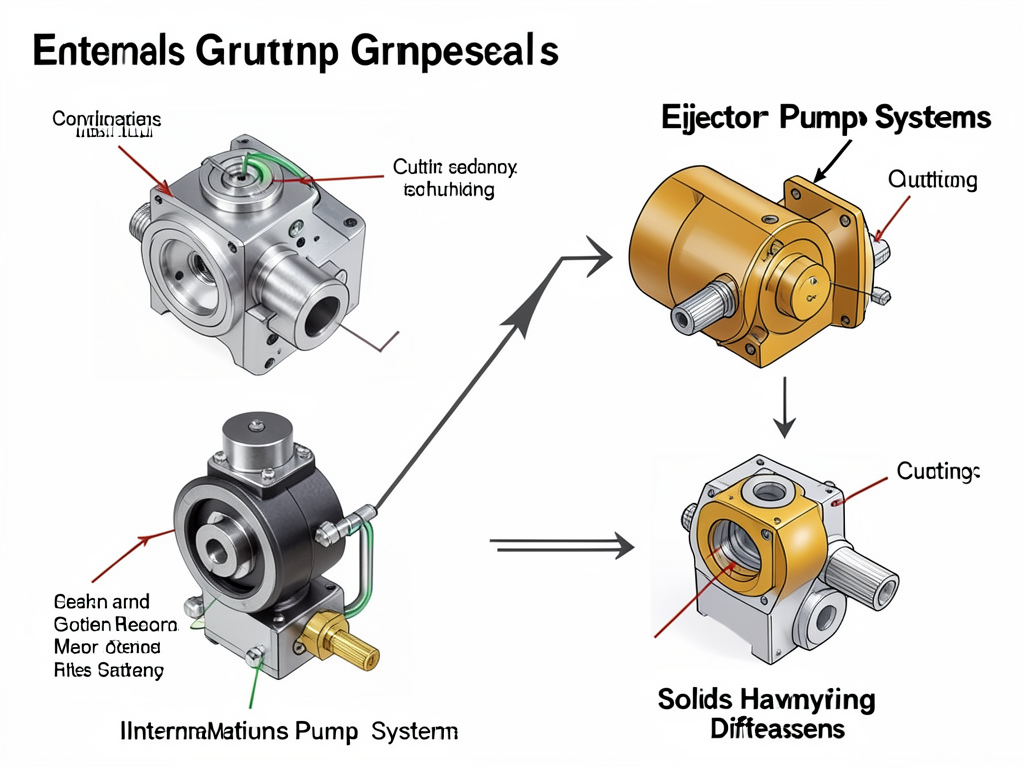
Photo showing commercial pump installation in a South Providence restaurant basement, with concrete cutting, discharge piping, and alarm system components visible.
Maintenance Requirements and Emergency Preparedness
Preventative maintenance extends pump life and prevents emergencies. Ejector pumps need annual cleaning of the basin, inspection of float switches, and testing of alarm systems. Grinder pumps require additional attention to the cutting mechanism and more frequent cleaning to prevent debris buildup.
South Providence businesses should establish relationships with plumbing contractors who understand local conditions. The area’s high water table and occasional flooding create unique challenges that general plumbers might not anticipate. Look for contractors with experience in commercial basement plumbing and wastewater pumping.
Emergency response planning proves critical for businesses that cannot afford downtime. Keep contact information for multiple qualified plumbers, including those who offer 24/7 emergency service. South Providence’s older infrastructure means backup systems occasionally fail during peak usage times.
Backup power solutions protect your business during outages. Battery backup systems keep pumps running for 4-8 hours, while generators provide longer-term protection. Consider your business’s critical hours when sizing backup power systems.
Staff training prevents many emergencies. Teach employees what can and cannot be flushed or drained. Post clear signage in commercial kitchens and restrooms. Many pump failures result from improper use rather than equipment malfunction.
Documentation helps with troubleshooting and warranty claims. Keep records of all maintenance, repairs, and modifications. Note any recurring issues that might indicate larger problems with your building’s plumbing system or the municipal sewer connection. How to Get Fast Pipe Repair in Smith Hill Before the Next Big Freeze.
Frequently Asked Questions
Can I use a residential pump for my South Providence business?
No. Residential pumps lack the durability and capacity for commercial use. Business applications generate higher volumes, more frequent cycling, and different waste characteristics that require commercial-grade equipment. Using undersized equipment voids warranties and risks code violations.
How long do commercial pumps typically last in South Providence?
Ejector pumps last 7-10 years with proper maintenance, while grinder pumps typically need replacement after 5-7 years due to cutting mechanism wear. Harsh conditions like high groundwater or frequent flooding can reduce these lifespans by 30-50%.
What happens if my pump fails during business hours?
Without functioning pumps, wastewater backs up into your lowest fixtures first. Toilets and floor drains become unusable, potentially forcing temporary closure. Emergency repair costs during business hours typically run 50-100% higher than scheduled service calls.
Are there any tax incentives for upgrading old pumping systems?
Rhode Island offers various energy efficiency incentives through National Grid that may apply to pump upgrades. Additionally, improvements to prevent sewage backups might qualify for small business administration disaster preparedness grants in flood-prone areas.
How do I know if my current pump is the right size?
Signs of improper sizing include frequent cycling, inability to keep up with demand during peak hours, unusual noises, and premature wear. A professional assessment can determine if your pump meets current Rhode Island plumbing code requirements for your building type.
Protect Your South Providence Business Investment
Choosing between a grinder pump and ejector pump affects your business’s operational reliability, maintenance costs, and emergency preparedness. The right choice depends on your specific property conditions, building use, and long-term business plans.
South Providence’s unique geography and infrastructure create specific challenges that generic pump selection guides don’t address. Properties near the Providence River face different conditions than those in the Smith Hill area, and businesses with basement operations have different needs than ground-level retail.
Don’t wait until your current system fails to evaluate your options. A professional assessment can identify potential problems before they cause business interruptions. Understanding your pump requirements now prevents costly emergency decisions later.
Call (401) 240-9711 today to schedule a commercial pump evaluation. Our experienced technicians understand South Providence’s unique plumbing challenges and can recommend the right system for your specific business needs. We’ll assess your current setup, explain your options clearly, and provide upfront pricing with no hidden fees.
Protect your business from wastewater disasters. One call to (401) 240-9711 can prevent thousands in emergency repair costs and lost revenue from unexpected closures. Our team serves South Providence businesses with fast, reliable service that keeps your operations running smoothly.
Technician performing commercial pump maintenance in a South Providence basement, demonstrating proper safety equipment and diagnostic procedures for wastewater systems.
Remember, the cheapest pump option often costs more over time through higher energy bills, frequent repairs, and potential business interruptions. Invest in the right system now to protect your South Providence business for years to come.
Ready to make an informed decision about your commercial pumping needs? Call (401) 240-9711 and speak with our pump specialists. We’ll help you understand exactly what your South Providence business requires to operate reliably and efficiently.
{
“@context”: “https://schema.org”,
“@type”: “BlogPosting”,
“headline”: “Grinder Pump vs Ejector Pump (Which One Does Your South Providence Business Need?)”,
“description”: “Confused about grinder pumps vs ejector pumps for your South Providence business? Learn the key differences, costs, and which system is right for your commercial property.”,
“wordCount”: 2497,
“datePublished”: “2026-06-06T12:01:00.000Z”,
“dateModified”: “2026-06-06T12:01:00.000Z”,
“inLanguage”: “en-US”,
“mainEntityOfPage”: {
“@type”: “WebPage”,
“@id”: “https://cornerstoneplumbingprovidence.com”
},
“publisher”: {
“@type”: “LocalBusiness”,
“name”: “Cornerstone Plumbing Providence”,
“url”: “https://cornerstoneplumbingprovidence.com”
},
“author”: {
“@type”: “Organization”,
“name”: “Cornerstone Plumbing Providence”,
“url”: “https://cornerstoneplumbingprovidence.com”
},
“image”: {
“@type”: “ImageObject”,
“url”: “https://cornerstoneplumbingprovidence.com/wp-content/uploads/2026/03/grinder-pump-vs-ejector-pump-which-one-does-your-s-1.png”
}
}
{
“@context”: “https://schema.org”,
“@type”: “Plumber”,
“name”: “Cornerstone Plumbing Providence”,
“url”: “https://cornerstoneplumbingprovidence.com”,
“address”: {
“@type”: “PostalAddress”,
“addressLocality”: “Providence”
},
“areaServed”: {
“@type”: “City”,
“name”: “Providence”
}
}
{
“@context”: “https://schema.org”,
“@type”: “FAQPage”,
“mainEntity”: [
{
“@type”: “Question”,
“name”: “Can I use a residential pump for my South Providence business?”,
“acceptedAnswer”: {
“@type”: “Answer”,
“text”: “No. Residential pumps lack the durability and capacity for commercial use. Business applications generate higher volumes, more frequent cycling, and different waste characteristics that require commercial-grade equipment. Using undersized equipment voids warranties and risks code violations.”
}
},
{
“@type”: “Question”,
“name”: “How long do commercial pumps typically last in South Providence?”,
“acceptedAnswer”: {
“@type”: “Answer”,
“text”: “Ejector pumps last 7-10 years with proper maintenance, while grinder pumps typically need replacement after 5-7 years due to cutting mechanism wear. Harsh conditions like high groundwater or frequent flooding can reduce these lifespans by 30-50%.”
}
},
{
“@type”: “Question”,
“name”: “What happens if my pump fails during business hours?”,
“acceptedAnswer”: {
“@type”: “Answer”,
“text”: “Without functioning pumps, wastewater backs up into your lowest fixtures first. Toilets and floor drains become unusable, potentially forcing temporary closure. Emergency repair costs during business hours typically run 50-100% higher than scheduled service calls.”
}
},
{
“@type”: “Question”,
“name”: “Are there any tax incentives for upgrading old pumping systems?”,
“acceptedAnswer”: {
“@type”: “Answer”,
“text”: “Rhode Island offers various energy efficiency incentives through National Grid that may apply to pump upgrades. Additionally, improvements to prevent sewage backups might qualify for small business administration disaster preparedness grants in flood-prone areas.”
}
}
]
}
{
“@context”: “https://schema.org”,
“@type”: “BreadcrumbList”,
“itemListElement”: [
{
“@type”: “ListItem”,
“position”: 1,
“name”: “Home”,
“item”: “https://cornerstoneplumbingprovidence.com”
},
{
“@type”: “ListItem”,
“position”: 2,
“name”: “Blog”,
“item”: “https://cornerstoneplumbingprovidence.com/blog”
},
{
“@type”: “ListItem”,
“position”: 3,
“name”: “Grinder Pump vs Ejector Pump (Which One Does Your South Providence Business Need?)”
}
]
}
{
“@context”: “https://schema.org”,
“@type”: “Service”,
“serviceType”: “Plumbing”,
“provider”: {
“@type”: “LocalBusiness”,
“name”: “Cornerstone Plumbing Providence”,
“url”: “https://cornerstoneplumbingprovidence.com”
},
“areaServed”: {
“@type”: “City”,
“name”: “Providence”
},
“description”: “Confused about grinder pumps vs ejector pumps for your South Providence business? Learn the key differences, costs, and which system is right for your commercial property.”
}