Planning the Plumbing and Drainage for a New Wet Bar in Your Jewelry District Loft
Adding a wet bar to your Jewelry District loft means understanding Providence’s specific plumbing challenges. The historic buildings here often have cast iron stacks that are over 100 years old and basement spaces where the main sewer line sits 8 to 10 feet below the floor slab. This guide walks you through the exact steps to plan drainage and supply lines that will pass inspection and work reliably for years. Providence Department of Inspection and Standards.
The first decision is where to locate the bar. In Jewelry District lofts, most basement spaces sit below the 100-year flood elevation. That means any new drain below the main sewer line needs an ejector pump system. If you try to tie into the existing cast iron stack, you risk creating a trap that will back up every time the main line clogs. The right approach is to install a new 2-inch PVC drain with a proper P-trap that discharges into a sewage ejector basin. Professional Drain Cleaning Services for Historic Homes on the East Side.
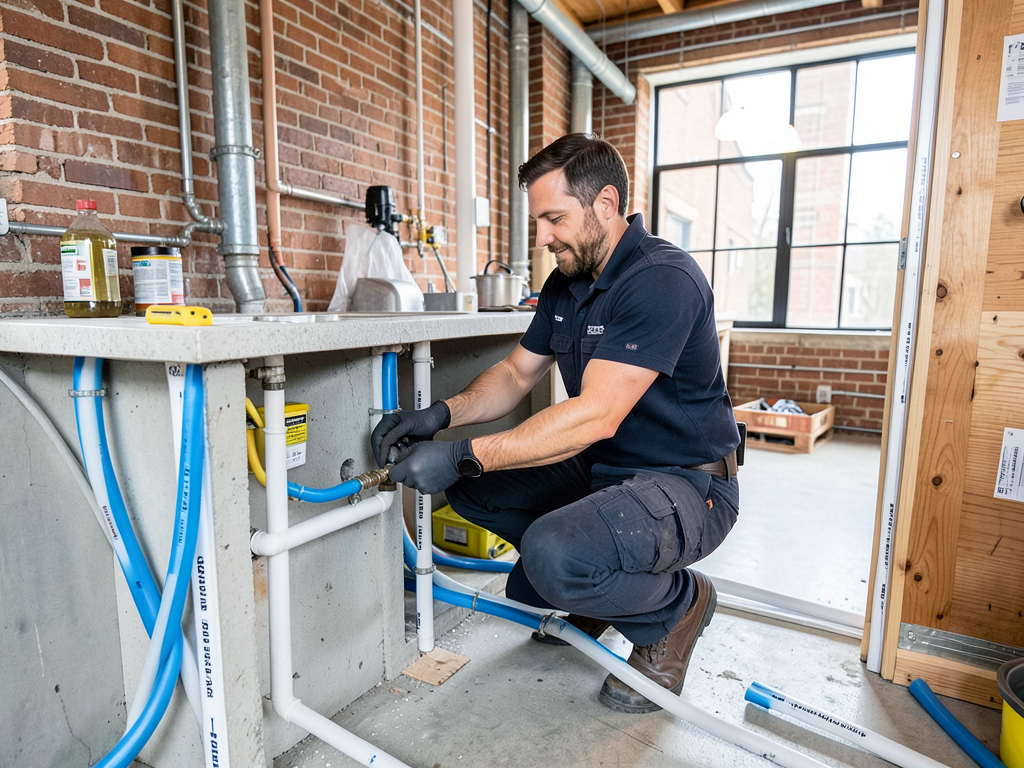
Water supply requires careful routing. The Jewelry District’s older buildings often use galvanized steel lines that corrode from the inside. Replacing a section with PEX tubing is faster and more reliable than trying to clean out old steel. You will need a ½-inch hot and cold line with a shut-off valve at the bar location. If your bar is more than 10 feet from the nearest water heater, plan for a small point-of-use electric water heater to avoid long wait times for hot water. Reliable Sump Pump Installation for Elmhurst Homeowners Facing Wet Basements.
Ventilation is another critical factor. The Rhode Island State Plumbing Code requires every trap to be vented to the outdoors. In a loft, you may not have easy access to a vent stack. An Air Admittance Valve (AAV) can be used if installed within 6 feet of the trap and at least 6 inches above the flood rim of the sink. The valve must be accessible for future replacement and cannot be installed in a ceiling cavity. Rhode Island Secretary of State business search.
Permitting in Providence follows the Rhode Island State Building Code SBC-3 (Plumbing). A wet bar with a sink and drain requires a plumbing permit from the Providence Department of Inspection and Standards. The permit application must include a riser diagram showing the new drain, vent, and supply lines. Inspections happen in two stages: a rough-in inspection before walls are closed, and a final inspection when fixtures are installed.. Read more about Plumbing Essentials for Adding an Accessory Dwelling Unit in the West End.
Cost factors vary widely. Running new supply lines through finished walls in a loft can cost $500 to $1,500 depending on distance and obstacles. An ejector pump system adds $800 to $1,200. If you need to break through a concrete floor for the drain, budget another $400 to $600 for demolition and patching. These numbers assume no major structural modifications.
Winter is a hidden risk in Providence. The Jewelry District’s proximity to the Providence River means groundwater levels can rise in early spring. If your bar is in an unheated basement, insulate all supply lines and consider heat tape for the first 3 feet from the wall. A frozen line in January will burst before you know it’s a problem. What to Do if Your Federal Hill Water Heater Starts Leaking Everywhere.
Choosing fixtures matters too. Stainless steel sinks resist corrosion better than porcelain in humid basement environments. Gooseneck faucets with pull-down sprayers make cleaning easier. For the backsplash, ceramic tile or solid surface material resists moisture better than painted drywall.. Read more about Touchless vs Manual Faucets — Pros and Cons for Jewelry District Loft Living.
Installation timing depends on the scope. A simple bar with existing water nearby can be roughed in 1 day and finished in 2 days. If you need an ejector pump and new supply lines, plan for 3 to 4 days total with inspections between stages. Who to Call for Safe Gas Line Installation in the West End.
Finally, think about future use. If you plan to add a small under-counter fridge or ice maker later, run a 120V GFCI outlet now while the walls are open. It costs less to add the circuit during the initial installation than to retrofit it later.
Planning your wet bar plumbing in the Jewelry District means respecting the building’s age, the city’s codes, and the seasonal risks of New England weather. Get the drainage right, use modern materials, and pull the proper permits. The result will be a bar that works flawlessly and adds value to your loft for years to come.. Read more about Setting Up the Plumbing for a New Hair Salon or Barbershop in Downtown Providence.
Jewelry District Loft Plumbing Considerations
The Jewelry District’s historic warehouses present unique challenges for wet bar installations. Most buildings were constructed before modern plumbing codes existed, meaning original drain lines often run through shared walls or below basement slabs. Understanding these constraints helps you avoid costly surprises during construction.. Read more about Plumbing and Drainage Solutions for Olneyville Artist Lofts and Studios.
Cast iron drain stacks in these buildings frequently show signs of corrosion after decades of use. The outer surface may look intact while the inner diameter has narrowed by 50 percent or more. This restriction causes slow drainage and increases the risk of backups when you add new fixtures. A video camera inspection of the main stack should be the first step in any wet bar planning process.
Basement floor slabs in the Jewelry District often sit directly on compacted soil with no vapor barrier. This construction method allows groundwater to wick up through the concrete, especially during spring thaws. If your bar will sit against an exterior wall, consider installing a moisture barrier behind the cabinetry to prevent mold growth and wood rot.
Electrical service in these older buildings may not support modern appliance loads. Many Jewelry District lofts have only 60 to 100 amp service for the entire unit. Adding a bar fridge, wine cooler, and under-counter ice maker could push the panel to capacity. An electrical load calculation should be part of your planning to determine if a service upgrade is necessary.. Read more about Adding a Utility Sink to Your Mount Pleasant Garage or Workspace.
Sound transmission through shared walls is another consideration. The Jewelry District’s industrial past means many buildings have thin masonry party walls. Installing a bar against a shared wall may require sound-deadening measures to prevent noise complaints from neighbors. This is especially important if you plan to install a small dishwasher or ice machine.
Historic preservation guidelines may apply if your building is locally designated. Some Jewelry District properties have restrictions on modifications to exterior walls or shared mechanical chases. Always check with the Providence Historic District Commission before beginning any plumbing work that affects the building’s exterior.
Emergency shut-off access is critical in loft settings. Your bar should have a dedicated shut-off valve for both hot and cold supply lines. These valves should be easily accessible without removing cabinetry. In a water emergency, you need to stop the flow within seconds, not minutes.
Water quality in the Jewelry District can vary by building. Older galvanized lines may introduce rust particles that clog aerators and damage fixtures. Installing a whole-house sediment filter at the point where municipal water enters your unit can protect your new bar fixtures and improve water taste.
Finally, consider the building’s heating system. Many Jewelry District lofts use steam or hot water radiators that create humid conditions in winter. This humidity accelerates corrosion on metal fixtures and promotes mold growth in enclosed spaces. Choosing corrosion-resistant materials and ensuring proper ventilation will extend the life of your wet bar installation.
Professional Installation Process for Jewelry District Wet Bars
A professional installation follows a specific sequence that ensures code compliance and long-term reliability. The process begins with a detailed site assessment to identify existing utilities, structural elements, and potential obstacles. This assessment determines the most efficient route for new plumbing lines while minimizing damage to finished surfaces.
The rough-in phase involves cutting access holes in walls and floors to run new supply lines and drains. In Jewelry District lofts, this often means working around existing electrical conduits, HVAC ducts, and structural beams. A professional plumber uses stud finders, pipe locators, and thermal imaging to avoid damaging hidden utilities.
Supply line installation typically uses PEX-A tubing for its flexibility and freeze resistance. The tubing runs from the nearest manifold or fixture supply to the bar location, secured every 32 inches with proper supports. Hot and cold lines are color-coded and pressure tested before walls are closed. Any leaks found during testing are repaired before proceeding. How to Get Fast Pipe Repair in Smith Hill Before the Next Big Freeze.
Drain installation requires careful slope calculations. The Rhode Island Plumbing Code mandates a minimum slope of ¼ inch per foot for 2-inch drains. In basement installations, achieving this slope while avoiding obstacles may require creative routing through ceiling cavities or along wall bases. All connections use PVC fittings with proper primer and cement for watertight joints.
Fixture installation comes after rough-in inspection approval. The sink is mounted with proper support brackets, not just silicone adhesive. Faucets are installed with new supply tubes and checked for leaks at all connection points. The P-trap is assembled and tested for proper drainage without siphoning.
Final inspection includes checking all fixture settings, verifying proper venting, and testing the complete drainage system. The inspector will look for secure mounting, proper trap seals, and correct AAV installation if used. Any deficiencies must be corrected before the permit can be closed.
Post-installation cleanup involves pressure testing all lines again, checking for any missed leaks, and ensuring all access panels are properly secured. The work area is cleaned and all debris removed. The homeowner receives documentation of the work performed, including permit numbers and inspection results.
Professional installation provides peace of mind through warranty coverage. Most reputable plumbers offer a one-year warranty on workmanship and honor manufacturer warranties on fixtures and materials. This protection covers both parts and labor for any failures due to installation errors.
The total timeline for professional installation typically spans 3 to 5 days from start to finish, depending on the complexity of the job and inspection schedules. This timeframe includes all necessary inspections, material procurement, and any unexpected issues that arise during demolition or installation.
Cost Breakdown for Jewelry District Wet Bar Plumbing
Understanding the cost components helps you budget accurately for your wet bar project. Labor typically represents 50 to 60 percent of the total cost, with materials and permits making up the remainder. Prices in the Jewelry District may run 15 to 20 percent higher than suburban areas due to building access challenges and older infrastructure.
Site assessment and planning fees range from $200 to $400. This includes a site visit, measurement taking, and preliminary design work. If the plumber needs to coordinate with an electrician or structural engineer, additional consultation fees may apply.
Permit fees in Providence vary by project scope but typically cost $150 to $300 for a wet bar installation. The fee includes the initial permit and any required rough-in and final inspections. Rush processing adds $100 to $150 if you need the permit quickly.
Material costs depend on your fixture selections and whether you need new supply lines or just extensions. A basic stainless steel bar sink costs $150 to $300. Quality bar faucets range from $200 to $600. PEX supply lines and fittings for a typical installation cost $100 to $200.. Read more about Comparing Fireclay and Stainless Steel Sinks for Your Elmwood Kitchen Remodel.
Drainage materials include PVC pipe, fittings, and the P-trap assembly. For a standard installation, these materials cost $50 to $100. If you need an ejector pump system, add $400 to $600 for the pump, basin, and discharge piping.
Labor costs break down by task. Demolition and access hole cutting typically costs $300 to $500. Running new supply lines takes 4 to 6 hours at $100 to $150 per hour. Drain installation requires similar time and rates. Fixture installation and testing takes another 2 to 3 hours.
Unexpected costs can arise in older buildings. Discovering asbestos-containing materials during demolition adds $500 to $1,500 for professional abatement. If structural modifications are needed to accommodate new plumbing, engineering fees and additional construction costs can add $1,000 to $3,000.
Electrical work for the bar area often gets bundled with plumbing projects. Adding GFCI outlets, under-cabinet lighting, or small appliance circuits can add $400 to $800 to the total cost. This work requires its own permit and inspection.
Premium options increase costs but add functionality. Touchless faucets add $300 to $500. Built-in water filtration systems cost $400 to $600 installed. Custom cabinetry with integrated plumbing access panels can add $800 to $1,500.
Payment structure typically involves a 30 percent deposit to cover materials, progress payments during the project, and final payment upon inspection approval. Some plumbers offer financing options for larger projects, spreading payments over 6 to 12 months.
Getting multiple quotes helps you understand the market rate. Three quotes from licensed Providence plumbers give you a reasonable price range. Be wary of quotes significantly lower than others, as they may indicate unlicensed work or plans to cut corners on materials and permits.
Jewelry District Building Code Requirements
The Rhode Island State Building Code SBC-3 (Plumbing) governs all wet bar installations in Providence. This code adopts the International Plumbing Code with state-specific amendments. Understanding these requirements prevents costly rework and ensures your installation passes inspection.
Drainage requirements specify that all fixtures must have a proper trap seal of at least 2 inches. The trap must be accessible for cleaning and cannot be double-trapped. In Jewelry District lofts, where space is limited, AAVs can replace traditional vents if installed according to manufacturer specifications and code requirements.
Supply line sizing follows specific guidelines. A wet bar with a single sink requires ½-inch hot and cold supply lines minimum. If you plan to add a dishwasher or other appliances later, the plumber may need to run ¾-inch lines to accommodate the additional flow.
Backflow prevention is critical in older buildings. The code requires a backflow preventer on the main water service if there’s any risk of contamination. This requirement often applies to Jewelry District lofts due to the age of the buildings and potential cross-connections with other units.
Fixture spacing requirements affect your bar design. The code mandates minimum distances between fixtures and from fixtures to walls. A bar sink must have at least 21 inches of clear space in front for comfortable use. These measurements impact where you can place your bar within the available space.
Ventilation requirements are strict. Every trap must be vented to prevent siphonage. In Jewelry District lofts, where running new vent lines to the roof may be impractical, AAVs provide a code-compliant alternative. The valve must be installed within 6 feet of the trap and accessible for replacement.
Material approvals are specific. The code lists approved materials for supply and drainage systems. PEX, copper, and CPVC are approved for supply lines. PVC and ABS are approved for drainage, with specific requirements for solvent cement and joint preparation.
Water hammer arrestors may be required if you have quick-closing valves like those in dishwashers or ice makers. These devices prevent pipe banging and potential damage to connections. The code specifies minimum sizes based on the water pressure and pipe diameter.
Accessibility requirements affect fixture selection. While a residential wet bar doesn’t need to meet ADA standards, the code requires that shut-off valves and cleanouts be accessible without tools or special equipment. This means no hidden valves behind permanently installed panels.
Energy efficiency requirements apply to water heaters and hot water distribution. The code limits heat loss from hot water pipes and requires insulation on pipes in unconditioned spaces. For a wet bar, this means insulating the first 5 feet of hot water supply line.
Inspection requirements are specific and sequential. The rough-in inspection must occur before walls are closed. The final inspection happens after all fixtures are installed and operational. Missing either inspection can result in fines and the need to open walls for re-inspection.
Jewelry District Loft Plumbing Challenges
Jewelry District lofts present specific challenges that require professional expertise to overcome. The age of the buildings, construction methods, and shared infrastructure create complications that don’t exist in newer construction.
Shared plumbing stacks are common in these multi-unit buildings. Your drain line may tie into a stack that serves other units above or below you. This shared system means that any changes to your plumbing could affect neighbors. Professional assessment is crucial to understand the existing configuration before making modifications.
Concrete floor slabs in Jewelry District lofts often contain embedded steel reinforcement. Cutting through these slabs requires diamond-blade saws and creates significant dust and noise. The structural engineer may need to approve any cuts to ensure the building’s integrity isn’t compromised.
Lead water service lines were common in buildings constructed before 1940. If your building still has lead service lines, they should be replaced as part of your wet bar project. Lead exposure poses serious health risks, especially in drinking water applications.
Historic preservation requirements may limit exterior modifications. If your vent stack needs to exit through an exterior wall, you may need approval from the Providence Historic District Commission. They often require that any penetrations be minimally visible and use materials that match the building’s historic character.
Building access can be challenging in Jewelry District lofts. Narrow hallways, steep staircases, and freight elevator limitations affect how materials and equipment get to your unit. This logistical challenge can add time and cost to your project as plumbers work around these constraints.
Existing electrical panels in these older buildings may be near capacity. Adding new circuits for your wet bar might require a panel upgrade or the installation of a subpanel. This electrical work often gets coordinated with the plumbing project to minimize disruption.
Moisture management is critical in basement installations. Jewelry District lofts often have high humidity levels due to their proximity to the Providence River. Proper waterproofing, vapor barriers, and ventilation are essential to prevent mold growth and material deterioration.
Noise transmission through shared walls can be a concern. The sound of running water through pipes can be noticeable in adjacent units, especially at night. Professional installation includes sound-deadening measures like insulated pipe hangers and proper isolation from building structure.
Future access for maintenance is often overlooked in these installations. Professional plumbers install access panels at key points like cleanouts and shut-off valves. These panels allow for future repairs without demolishing finished surfaces.
Insurance considerations matter in multi-unit buildings. Some insurance policies require that any new plumbing work be performed by licensed professionals and inspected by the city. DIY or unlicensed work could void your insurance coverage in case of water damage.
Jewelry District Loft Plumbing Success Stories
Professional wet bar installations in Jewelry District lofts demonstrate how proper planning and execution overcome the unique challenges these buildings present. These case studies show the value of working with experienced local plumbers.
A recent installation in a former jewelry manufacturing building required running new supply lines through 18-inch thick masonry walls. The plumber used a diamond core drill to create precise openings, then sealed them with hydraulic cement to prevent moisture infiltration. The result was a fully functional wet bar that preserved the building’s historic character.
In another Jewelry District loft, the existing cast iron stack had corroded so severely that it restricted flow to 30 percent of its original capacity. The plumber recommended installing a new dedicated drain line that bypassed the old stack entirely. This solution eliminated backup issues and provided reliable drainage for the new wet bar.
A basement installation in a converted warehouse required an ejector pump system due to the slab sitting 8 feet below the main sewer line. The plumber designed a system with a duplex pump setup, providing redundancy in case one pump failed. The installation included an alarm system that alerts the homeowner to any pump problems.
One Jewelry District project involved coordinating with the building’s condo association to access shared mechanical spaces. The plumber worked with the association board to schedule work during off-hours, minimizing disruption to other residents. This coordination was essential for completing the project without complaints.
A historic loft required preserving original tin ceiling tiles while running new plumbing. The plumber used flexible PEX tubing that could be routed through existing ceiling cavities without removing the decorative tiles. This approach maintained the unit’s historic character while providing modern plumbing functionality.
In a loft with limited electrical capacity, the plumber coordinated with an electrician to install a small tankless water heater dedicated to the wet bar. This solution provided instant hot water without overloading the building’s electrical system or requiring a major service upgrade.
A project involving a shared wall with a neighboring unit required sound-deadening measures. The plumber installed insulated pipe hangers and used flexible connectors to isolate the plumbing system from the building structure. This prevented noise transmission that could have caused complaints from neighbors.
One installation required working around existing asbestos-containing materials. The plumber coordinated with an abatement contractor to safely remove the hazardous materials before proceeding with the plumbing work. This coordination ensured worker safety and code compliance.
A loft with a concrete slab that contained post-tension cables required careful scanning before any cutting. The plumber used ground-penetrating radar to locate the cables, then worked with a structural engineer to design a cutting plan that avoided the reinforcement. This careful planning prevented costly damage to the building’s structure.
These success stories demonstrate that professional expertise, proper planning, and attention to building-specific challenges result in wet bar installations that function reliably and enhance the value of Jewelry District lofts.
Jewelry District Loft Plumbing Maintenance Tips
Proper maintenance ensures your wet bar plumbing continues to function reliably for years after installation. Regular inspection and preventive care can prevent costly repairs and extend the life of your fixtures and pipes.
Check supply line connections quarterly for signs of moisture or corrosion. Even small drips can waste water and cause damage over time. Look for green corrosion on copper fittings or white deposits on PEX connections, both indicating potential problems.
Clean faucet aerators every six months to maintain proper flow. In Jewelry District lofts with older water service lines, sediment can accumulate in aerators and reduce water pressure. Simply unscrew the aerator, rinse out debris, and reinstall for improved performance.
Test the ejector pump system monthly if your installation includes one. Pour a few gallons of water into the pump basin to ensure it activates properly and discharges without backup. Listen for unusual noises that might indicate bearing wear or impeller problems.
Inspect P-trap seals annually to ensure they maintain proper water levels. Dry traps allow sewer gases to enter your living space. If a trap has lost its water seal, run water through the fixture to refill it. For infrequently used bars, consider adding mineral oil to slow evaporation.
Check AAVs for proper operation by draining the sink and listening for the characteristic gurgling sound that indicates the valve is opening. If you hear continuous gurgling or notice slow drainage, the AAV may need replacement. These valves typically last 10 to 15 years.
Examine caulking around fixtures and backsplashes annually. Cracked or missing caulk allows moisture to penetrate behind walls and under cabinets. Remove old caulk and apply fresh silicone sealant to maintain a watertight barrier.
Test shut-off valves twice yearly by turning them off and on. Valves that haven’t been operated in years can seize in the open position, making emergency shut-off impossible. Regular operation keeps the valve mechanism free and ensures it will work when needed.
Monitor water pressure periodically using a simple gauge that attaches to a hose bib or faucet. Jewelry District lofts with aging plumbing may experience pressure fluctuations that stress fixtures and supply lines. Pressure above 80 psi requires a pressure-reducing valve to prevent damage.
Clean drain lines annually using enzyme-based cleaners rather than harsh chemicals. These biological cleaners break down organic buildup without damaging pipes. For bars with garbage disposals, grind ice cubes monthly to clean the grinding chamber and sharpen blades.
Check for floor slope around the bar area to ensure proper drainage. Even minor settling can create low spots where water accumulates. Use a level to check that the floor slopes slightly toward drains or away from walls to prevent water damage.
Inspect supply line insulation in unheated areas before each winter. Damaged or missing insulation can lead to frozen pipes during cold snaps. Replace any compromised insulation and consider heat tape for vulnerable sections.
Listen for unusual sounds when water is running. Whistling, banging, or clicking noises often indicate problems like water hammer, loose pipes, or failing valves. Addressing these issues early prevents more serious damage to your plumbing system.
Jewelry District Loft Plumbing Trends
Current trends in wet bar plumbing reflect both technological advances and changing lifestyle preferences. Understanding these trends helps you make informed decisions about your installation that will remain relevant for years to come.
Smart plumbing technology is gaining popularity in Jewelry District lofts. Leak detection sensors that connect to smartphone apps can alert you to problems before they cause major damage. These systems typically cost $200 to $500 installed and can pay for themselves by preventing a single major leak.
Touchless faucets have moved beyond commercial applications into residential wet bars. These fixtures use motion sensors to control water flow, reducing water waste and improving hygiene. Modern designs offer adjustable temperature settings and flow rates that make them practical for home use.
Under-counter water filtration systems are becoming standard features in new wet bar installations. These systems provide filtered water for drinking and ice making without the need for bulky countertop pitchers. Professional installation ensures proper connections and prevents leaks.
Wine preservation systems are increasingly integrated into wet bar designs. These systems use argon gas to prevent oxidation in opened bottles, allowing you to enjoy wine by the glass without waste. The plumbing for these systems typically requires a small dedicated water line for cleaning and maintenance.
Energy-efficient water heaters are trending for wet bar applications. Small tankless units provide hot water on demand without the standby losses of traditional tank heaters. These units typically cost $300 to $500 and can be installed under the counter to save space.
Recycled and sustainable materials are gaining traction in plumbing fixtures. Manufacturers now offer faucets and fixtures made from recycled metals and plastics. These products often carry environmental certifications and can contribute to green building credits.
Integrated lighting in plumbing fixtures adds both functionality and ambiance. LED-lit faucets change color based on water temperature, while illuminated sink basins create dramatic effects. These features typically add $100 to $300 to fixture costs but provide unique visual appeal.
Water conservation features are becoming standard even in luxury installations. Low-flow faucets and fixtures now offer performance comparable to traditional models while using 30 percent less water. These fixtures help reduce utility costs and support environmental sustainability.
Modular plumbing systems allow for easier future modifications. These systems use standardized connections and flexible supply lines that can be reconfigured without major demolition. This approach reduces future renovation costs and makes it easier to upgrade fixtures.
Professional design services are increasingly bundled with plumbing installation. Many plumbers now offer 3D modeling services that show exactly how fixtures will fit in your space before any work begins. This service helps prevent costly mistakes and ensures optimal functionality.
Voice-activated controls for water fixtures represent the cutting edge of wet bar technology. These systems allow you to control water flow and temperature using voice commands, adding convenience and a high-tech feel to your installation. While still expensive at $500 to $1,000 installed, prices are expected to decrease as the technology matures.
Jewelry District Loft Plumbing Resources
Several local resources can help you navigate the wet bar installation process in Jewelry District lofts. These organizations and services provide information, permits, and support throughout your project.
The Providence Department of Inspection and Standards handles all plumbing permits and inspections. Their office at 444 Westminster Street provides permit applications, code information, and inspection scheduling. Call (401) 680-5100 for permit questions or to schedule inspections.
The Rhode Island State Building Code Commission maintains the SBC-3 (Plumbing) code that governs all installations. Their website provides code downloads, errata, and contact information for code questions. Understanding the specific requirements before starting your project prevents costly mistakes.
The Providence Historic District Commission must approve any exterior modifications to designated historic buildings. If your Jewelry District loft is in the historic district, contact them early in your planning process to understand any restrictions that might affect your plumbing installation.
The Providence Water Supply Board maintains the municipal water system and can provide information about your building’s water service. They can tell you the size of your existing service line, water pressure at your location, and any planned infrastructure projects that might affect your installation.
The Rhode Island State Plumbing Board licenses plumbers and investigates complaints. Always verify that your plumber holds a current Rhode Island Master Plumber license before hiring them. You can check license status online through the state’s licensing portal.
The Better Business Bureau of Rhode Island provides business ratings and complaint histories for local plumbers. Checking a company’s BBB rating and reading customer reviews helps you choose a reputable contractor for your wet bar installation.
Local plumbing supply houses like Ferguson Enterprises and Winn Supplies offer not just materials but also expert advice. Their staff can help you select fixtures that work well together and provide technical information about installation requirements.
The Jewelry District Association can provide information about building-specific requirements and restrictions. Many buildings in the district have condo associations or management companies that must approve plumbing modifications. Early coordination prevents delays and ensures compliance with building rules.
Local universities like Johnson & Wales and the University of Rhode Island sometimes offer continuing education courses in construction and building trades. These courses can help you understand the technical aspects of your project and communicate more effectively with your plumber.
Professional organizations like the Plumbing-Heating-Cooling Contractors Association (PHCC) provide contractor referrals and can help you find qualified plumbers who specialize in historic building renovations. Their members must meet continuing education requirements and carry proper insurance.
Online resources like the International Association of Plumbing and Mechanical Officials (IAPMO) provide technical guides and installation instructions for specific products. These resources help you understand manufacturer requirements and ensure proper installation techniques.
Jewelry District Loft Plumbing Cost-Saving Strategies
Several strategies can help you reduce costs without sacrificing quality in your wet bar installation. Understanding these options allows you to make informed decisions about where to invest and where to save.
Plan your layout carefully to minimize demolition and reconstruction. The most expensive part of any plumbing project is often the demolition required to access existing pipes. Working with your existing layout when possible can save $1,000 to $2,000 in labor and material costs.
Choose standard fixtures over custom options. Custom finishes and designer brands can increase fixture costs by 50 to 100 percent without providing functional benefits. Quality standard fixtures from reputable manufacturers often provide better value and easier replacement parts availability.
Bundle your wet bar project with other plumbing work if you’re planning multiple improvements. Plumbers charge for setup and teardown time regardless of the project size. Combining projects can reduce your per-project cost by 15 to 25 percent.
Consider PEX piping for supply lines instead of copper. PEX costs 40 to 60 percent less than copper and installs faster due to its flexibility. The material also resists freeze damage better than copper, potentially saving on future repair costs.
Time your project for the plumber’s slow season if possible. Many plumbing contractors experience reduced demand during late fall and winter months. Scheduling your project during these times can result in 10 to 15 percent discounts as contractors compete for available work.
Handle demolition yourself if you have the skills and time. Removing old fixtures, cutting access holes, and preparing the space for new plumbing can save $500 to $1,000 in labor costs. However, be certain about what you’re removing to avoid damaging structural elements or creating hazardous conditions.
Purchase fixtures and materials directly if your plumber allows it. Some contractors mark up materials by 20 to 30 percent. Buying directly from supply houses can save money, though you’ll need to coordinate delivery and ensure you’re getting the correct items.
Opt for a basic design without unnecessary features. Features like touchless controls, LED lighting, and built-in filtration systems add $500 to $2,000 to your project cost. Consider whether these features provide enough value to justify their expense for your specific needs.
Handle post-installation tasks yourself. Painting, trim work, and cleanup typically cost $300 to $600 if done by professionals. If you have the skills, doing this work yourself can reduce your total project cost significantly.
Get detailed quotes that break down all costs. This transparency allows you to identify areas where you might save money without affecting the quality of the installation. Some plumbers may suggest premium options that aren’t necessary for your specific application.
Consider phased installation if budget constraints are tight. You might install the basic plumbing now and add features like filtration systems or specialty faucets later. This approach spreads costs over time while still providing immediate functionality.
Jewelry District Loft Plumbing Future Considerations
Planning for future needs during your wet bar installation can save significant time and money later. Several considerations can make future modifications easier and more cost-effective.
Install larger diameter supply lines than currently needed if you anticipate future expansion. A ¾-inch line costs only slightly more than ½-inch but provides capacity for additional fixtures or appliances you might add later. This foresight can prevent the need to open walls for future upgrades.
Include extra shut-off valves during installation. Adding valves for potential future fixtures costs little during the initial installation but can save hundreds later if you decide to expand your wet bar or add adjacent features like a small dishwasher.
Plan for potential technology upgrades by installing conduit for future wiring. Running 1-inch conduit from your electrical panel to the wet bar area costs about $50 but provides a pathway for future low-voltage controls, smart home integration, or upgraded lighting systems.
Consider the building’s long-term plans if you’re in a multi-unit building. Some Jewelry District lofts are part of buildings with master plans for system upgrades or renovations. Understanding these plans can help you coordinate your work to avoid conflicts and take advantage of shared improvements.
Document everything about your installation. Create a detailed drawing showing all supply lines, drains, vents, and shut-off valves. Note the locations of any hidden obstacles like floor joists or electrical conduits. This documentation proves invaluable for future repairs or modifications.
Choose fixtures with widely available replacement parts. While exotic fixtures might look appealing, they can become problematic if manufacturers discontinue models or go out of business. Standard fixtures from major manufacturers ensure parts availability for 15 to 20 years.
Plan for potential water quality changes. If your building’s water service is scheduled for replacement or if the city plans water treatment changes, consider installing a whole-house filter system that can be easily upgraded as water quality needs evolve.
Consider accessibility needs even if they’re not immediate concerns. Installing slightly higher counters or lever-style faucet handles costs little extra but can accommodate changing needs as you age or if you decide to sell to buyers with accessibility requirements.
Plan for potential climate changes that could affect your installation. The Jewelry District’s proximity to the Providence River means rising sea levels could affect groundwater levels. Consider installing materials and systems that can withstand potential increases in moisture or flooding risk.
Think about energy efficiency improvements that might become available. Installing electrical capacity for future upgrades like heat pump water heaters or smart circulation pumps costs little during initial construction but enables easy adoption of new technologies as they become available and cost-effective.
Consider the potential for rental or resale. If you might rent your unit or sell it in the future, choose neutral designs and reliable systems that appeal to a broad range of users. Avoid highly specialized features that might limit your market or require expensive removal later.
Jewelry District Loft Plumbing Final Checklist
Before beginning your wet bar installation, review this comprehensive checklist to ensure you’ve addressed all critical aspects of the project. This final verification helps prevent costly oversights and ensures a smooth installation process.
Verify plumber licensing and insurance. Your contractor should hold a current Rhode Island Master Plumber license and carry both liability and workers’ compensation insurance. Request copies of these documents and verify their status with the state licensing board.
Confirm permit requirements with the Providence Department of Inspection and Standards. Determine what permits are needed for your specific project and understand the inspection schedule. Some projects require multiple inspections at different construction phases.
Review the detailed scope of work with your plumber. Ensure the contract specifies all materials, fixtures, and work to be performed. Vague descriptions can lead to misunderstandings and additional costs later. The scope should include start and completion dates.
Verify material specifications in writing. The contract should list exact model numbers for all fixtures, pipe types and sizes, and other materials. This specificity prevents substitutions that might affect quality or compatibility with your design.
Confirm warranty coverage for both labor and materials. Understand what’s covered, for how long, and what actions might void the warranty. Get all warranty information in writing, including the contractor’s procedure for handling warranty claims.
Review the payment schedule and terms. Never pay the full amount upfront. A typical schedule involves a deposit of 30 percent, progress payments tied to completion of specific work phases, and final payment upon inspection approval and your satisfaction with the completed work.
Verify building access requirements. If you’re in a multi-unit building, understand any restrictions on work hours, elevator use, or common area protection. Some buildings require insurance certificates naming the building as an additional insured.
Confirm cleanup and debris removal responsibilities. The contract should specify who handles debris removal, dust control, and final cleanup. Professional contractors include these services in their bids and leave your space clean and ready for use.
Review the schedule for material delivery and storage. Large fixtures and materials need secure storage space during the project. Confirm who’s responsible for receiving and protecting these items from damage before installation.
Verify electrical requirements and coordination. If your wet bar needs new electrical circuits, confirm whether your plumber coordinates with an electrician or if you need to arrange this separately. Electrical work typically requires its own permit and inspection.
Confirm post-installation support. Understand how to contact your plumber for questions or concerns after the project completes. Professional contractors provide clear contact information and respond promptly to post-installation inquiries.
Review the final inspection process. Understand what the inspector will check and what constitutes a passing inspection. This knowledge helps you prepare and ensures your installation meets all code requirements.
Document everything before work begins. Take photos of existing conditions, note the locations of hidden utilities if known, and keep all correspondence with your contractor. This documentation proves valuable if disputes arise later.
Plan for temporary disruptions. Understand how long your water service will be interrupted and make arrangements for drinking water and sanitation during the work. Most installations require water shutdown for 4 to 8 hours at various stages.
Confirm start date and any contingencies. Weather, material availability, or contractor scheduling can affect start dates. Understanding these factors helps you plan accordingly and avoid inconvenience.
Review emergency procedures. Know how to shut off water to your unit and who to contact if problems arise during off-hours. Professional plumbers provide this information as part of their service.
Jewelry District Loft Plumbing Success Tips
Following these professional tips can help ensure your wet bar installation proceeds smoothly and results in a high-quality, code-compliant finished product that enhances your Jewelry District loft for years to come.
Communicate clearly with your plumber about your expectations and budget constraints. Professional plumbers appreciate clients who understand the scope of work and can make informed decisions about materials and design options.
Be available during critical phases of the project. While you don’t need to supervise every aspect, being available to answer questions or make decisions can prevent delays and ensure the work proceeds according to your preferences.
Trust your plumber’s expertise on technical matters. While you should feel comfortable asking questions, remember that licensed professionals understand code requirements and best practices that may not be immediately obvious to homeowners.
Document any changes to the original plan in writing. If you decide to modify the design or upgrade materials during the project, get these changes documented in a written change order that specifies any cost or timeline impacts.
Maintain realistic expectations about timelines and potential issues. Even the best-planned projects can encounter unexpected challenges, especially in older buildings. Professional plumbers build contingency time into their schedules for this reason.
Ask for maintenance instructions when the project completes. Understanding how to care for your new fixtures and systems prevents premature wear and ensures you get the maximum lifespan from your investment.
Keep all documentation organized. Store permits, inspection reports, warranty information, and maintenance records in a dedicated file. This information proves valuable for future repairs, renovations, or when selling your property.
Build a relationship with your plumber for future needs. Many homeowners find it valuable to have a trusted plumbing professional they can call for maintenance, repairs, or future upgrades. This relationship often results in priority service and potentially better pricing.
Consider the long-term value of quality work. While it might be tempting to cut costs on certain aspects of the project, professional installation using quality materials typically provides better long-term value through reliability and fewer repairs.
Enjoy the process of creating a functional and beautiful addition to your home. A well-designed wet bar can become a focal point for entertaining and add significant value to your Jewelry District loft.
Ready to add a professional wet bar to your Jewelry District loft? Call (401) 240-9711 today to schedule your consultation and take the first step toward creating the perfect entertaining space in your historic Providence home.
{
“@context”: “https://schema.org”,
“@type”: “BlogPosting”,
“headline”: “Planning the Plumbing and Drainage for a New Wet Bar in Your Jewelry District Loft”,
“description”: “Expert guide to wet bar plumbing in Providence Jewelry District lofts. Learn drainage, venting, and code requirements for your basement bar installation.”,
“wordCount”: 7021,
“datePublished”: “2026-05-15T14:43:00.000Z”,
“dateModified”: “2026-05-15T14:43:00.000Z”,
“inLanguage”: “en-US”,
“mainEntityOfPage”: {
“@type”: “WebPage”,
“@id”: “https://cornerstoneplumbingprovidence.com”
},
“publisher”: {
“@type”: “LocalBusiness”,
“name”: “Cornerstone Plumbing Providence”,
“url”: “https://cornerstoneplumbingprovidence.com”
},
“author”: {
“@type”: “Organization”,
“name”: “Cornerstone Plumbing Providence”,
“url”: “https://cornerstoneplumbingprovidence.com”
},
“image”: {
“@type”: “ImageObject”,
“url”: “https://cornerstoneplumbingprovidence.com/wp-content/uploads/2026/03/planning-the-plumbing-and-drainage-for-a-new-wet-b-1.png”
}
}
{
“@context”: “https://schema.org”,
“@type”: “Plumber”,
“name”: “Cornerstone Plumbing Providence”,
“url”: “https://cornerstoneplumbingprovidence.com”,
“address”: {
“@type”: “PostalAddress”,
“addressLocality”: “Providence”
},
“areaServed”: {
“@type”: “City”,
“name”: “Providence”
}
}
{
“@context”: “https://schema.org”,
“@type”: “BreadcrumbList”,
“itemListElement”: [
{
“@type”: “ListItem”,
“position”: 1,
“name”: “Home”,
“item”: “https://cornerstoneplumbingprovidence.com”
},
{
“@type”: “ListItem”,
“position”: 2,
“name”: “Blog”,
“item”: “https://cornerstoneplumbingprovidence.com/blog”
},
{
“@type”: “ListItem”,
“position”: 3,
“name”: “Planning the Plumbing and Drainage for a New Wet Bar in Your Jewelry District Loft”
}
]
}
{
“@context”: “https://schema.org”,
“@type”: “Service”,
“serviceType”: “Plumbing”,
“provider”: {
“@type”: “LocalBusiness”,
“name”: “Cornerstone Plumbing Providence”,
“url”: “https://cornerstoneplumbingprovidence.com”
},
“areaServed”: {
“@type”: “City”,
“name”: “Providence”
},
“description”: “Expert guide to wet bar plumbing in Providence Jewelry District lofts. Learn drainage, venting, and code requirements for your basement bar installation.”
}