Professional Dishwasher Hookups and Plumbing for College Hill Renovations
Installing a dishwasher in College Hill requires more than just plugging in an appliance. These historic homes built before World War II often have outdated plumbing systems that need careful assessment before any new appliance installation. The combination of aging copper pipes, limited under-sink space, and strict Rhode Island building codes makes professional installation essential for preventing leaks and ensuring proper drainage. Rhode Island State Building Code.
College Hill’s unique architectural character means every dishwasher installation presents specific challenges. From narrow galley kitchens in Federal-style homes to cramped utility spaces in triple-deckers, the physical constraints demand experienced technicians who understand both the technical requirements and the preservation concerns of this historic district. Reliable Sump Pump Installation for Elmhurst Homeowners Facing Wet Basements.
Why College Hill Dishwasher Installation Requires Professional Expertise
Historic College Hill homes built before 1940 often have plumbing systems that don’t meet modern appliance standards. The original galvanized steel pipes commonly found in these properties corrode from the inside out, creating restricted water flow that can prevent dishwashers from operating efficiently. Additionally, many College Hill kitchens were designed without considering the water supply and drainage needs of modern dishwashers. What to Do if Your Federal Hill Water Heater Starts Leaking Everywhere.
Rhode Island State Building Code SBC-3 Section 607 specifically addresses dishwasher installation requirements. The code mandates proper air gap installation to prevent cross-contamination between the dishwasher and the potable water supply. Many DIY installations skip this critical component, creating potential health hazards that only become apparent after a contamination event occurs. Who to Call for Safe Gas Line Installation in the West End.
The water pressure in College Hill varies significantly due to the area’s elevation changes and aging municipal infrastructure. Homes near Prospect Terrace experience different pressure levels than those closer to the waterfront. Professional installers test water pressure and may need to install pressure-reducing valves to protect both the dishwasher and the home’s plumbing system. Professional Drain Cleaning Services for Historic Homes on the East Side.
Common Plumbing Challenges in College Hill Kitchen Renovations
College Hill’s historic designation creates additional complexity for kitchen renovations. The Providence Historic District Commission reviews exterior modifications, and while interior kitchen changes typically don’t require commission approval, the plumbing modifications must still comply with modern codes while preserving the home’s character.
Many College Hill homes have cast iron drain lines that have reached the end of their service life. These pipes become brittle and prone to cracking when disturbed during dishwasher installation. Professional plumbers use endoscopic cameras to inspect drain lines before installation, identifying potential failure points that could cause problems months after the dishwasher is installed.
The electrical systems in historic College Hill homes present another challenge. Original wiring often cannot support the electrical demands of modern appliances. While this article focuses on plumbing, any dishwasher installation must consider the complete electrical and plumbing picture to avoid creating unsafe conditions.
Professional Installation Process for College Hill Homes
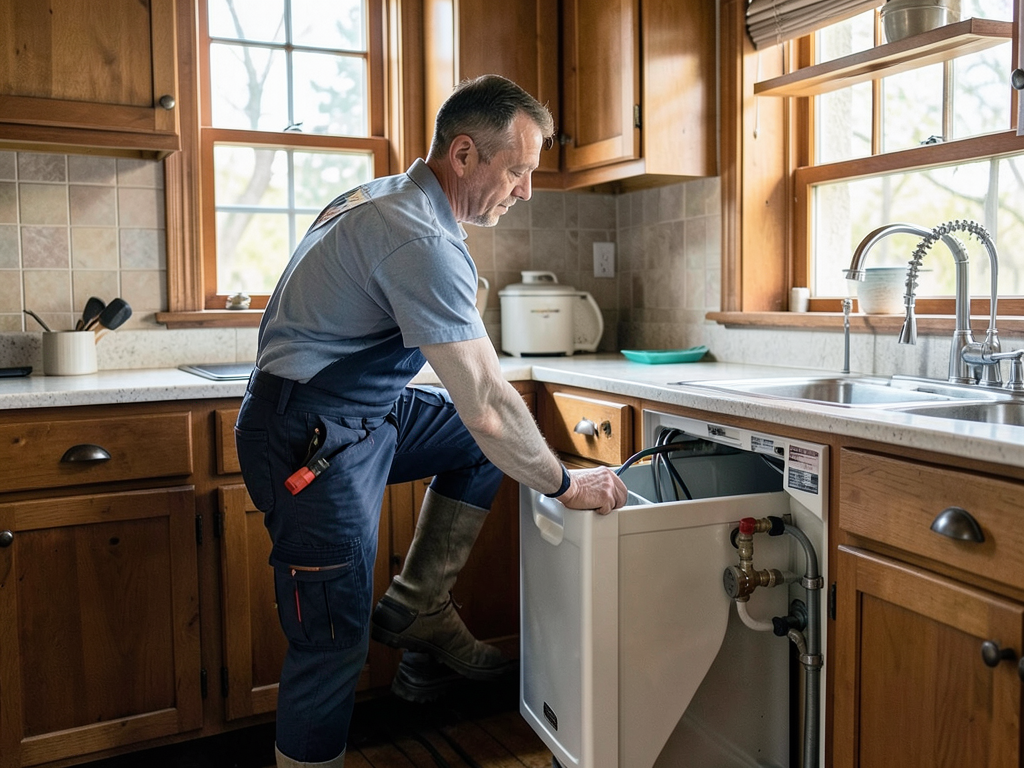
The installation process begins with a comprehensive plumbing assessment. Licensed plumbers examine the existing water supply lines, drain configuration, and electrical capacity. This diagnostic phase identifies potential issues before they become costly problems. The assessment includes checking for proper shut-off valve access and evaluating the structural integrity of the cabinet where the dishwasher will mount.
Water line installation requires specific materials and techniques. Modern dishwashers need 3/8-inch flexible supply lines with compression fittings. The Rhode Island Plumbing Code requires these connections to be accessible for future maintenance. Professional installers ensure the water supply line has a dedicated shut-off valve and proper support to prevent strain on the connection.
Drainage installation follows strict guidelines to prevent backflow and ensure proper operation. The drain hose must loop to the underside of the countertop before connecting to the drain system. This loop prevents contaminated water from siphoning back into the dishwasher. The connection point must be above the trap weir to maintain proper drainage while preventing sewer gases from entering the home.
Air gap installation represents a critical health and safety requirement. The air gap device creates a physical break in the drain line, preventing contaminated water from flowing back into the dishwasher. Rhode Island code requires air gaps for all dishwasher installations, though some homeowners attempt to bypass this requirement with high-loop methods that don’t provide the same level of protection.
Water Supply and Drainage Specifications
Professional dishwasher installations require specific water pressure ranges for optimal performance. Most dishwashers operate best between 20 and 120 pounds per square inch of water pressure. College Hill’s varying elevation means some homes may need pressure-boosting pumps while others require pressure-reducing valves to stay within this range.
The drainage system must handle the dishwasher’s discharge rate of approximately 1.5 gallons per minute during the drain cycle. This requires a drain line with at least 7/8-inch internal diameter to prevent backups and ensure complete drainage. Professional installers verify the existing drain line capacity before proceeding with installation.
Hot water temperature affects dishwasher performance significantly. The water entering the dishwasher should be between 120 and 150 degrees Fahrenheit for optimal cleaning. Many College Hill homes have older water heaters that may not maintain consistent temperatures. Professional installers test the hot water supply temperature and may recommend adjustments to the water heater or installation of a dedicated hot water line for the dishwasher.
Code Compliance and Permit Requirements
Rhode Island requires permits for most plumbing modifications, including dishwasher installations that involve new water lines or drainage modifications. The Providence Inspection Department enforces these requirements to ensure public safety and code compliance. Professional plumbers handle permit acquisition and coordinate inspections as part of their service. EPA water quality standards.
The Rhode Island State Building Code references the International Plumbing Code with state-specific amendments. Section 607.5 addresses dishwasher air gaps, while Section 609 covers water supply fixture units and drainage requirements. Professional installers maintain current knowledge of these code requirements to ensure every installation meets or exceeds standards.
Insurance considerations also factor into professional installation decisions. Many homeowner insurance policies require licensed professionals to perform plumbing modifications. DIY installations that cause water damage may not be covered by insurance, potentially leaving homeowners responsible for thousands of dollars in repairs. How to Get Fast Pipe Repair in Smith Hill Before the Next Big Freeze.
Brands and Models We Install
Professional installers work with all major dishwasher brands including Bosch, KitchenAid, Samsung, Whirlpool, and GE. Each brand has specific installation requirements that affect the plumbing approach. Bosch dishwashers, for example, often require specific mounting brackets and water supply configurations that differ from other brands.
High-end models with built-in water softeners or hard food disposals require additional plumbing considerations. These features increase water usage and may require dedicated drainage or water supply modifications. Professional installers understand these requirements and can recommend appropriate plumbing solutions during the planning phase.
Compact and drawer-style dishwashers present unique installation challenges in College Hill’s often space-constrained kitchens. These units may require custom mounting solutions or modified cabinet configurations to ensure proper operation and accessibility for maintenance.
Common Installation Mistakes to Avoid
Improper drain hose installation ranks as the most common DIY mistake. Many homeowners create loops that are too high or too low, preventing proper drainage or causing water to back up into the dishwasher. The correct loop height is typically 18 to 24 inches above the floor, but this varies based on the specific installation configuration.
Using incorrect supply line materials causes another frequent problem. Some homeowners use garden hose or other non-approved materials that can burst under pressure or contaminate the water supply. Professional installers use only code-approved materials with proper fittings and support.
Skipping the air gap installation creates serious health risks. While some homeowners believe the high-loop method provides adequate protection, it doesn’t meet Rhode Island code requirements and can allow contaminated water to enter the dishwasher during pressure fluctuations or drain backups.
Maintenance and Troubleshooting
Professional installation includes educating homeowners about proper maintenance. This includes checking supply line connections quarterly for signs of moisture, cleaning the air gap periodically to prevent clogs, and monitoring for unusual noises that might indicate plumbing issues.
Common problems that arise after installation often relate to the home’s existing plumbing rather than the dishwasher itself. Low water pressure, clogged drains, or faulty shut-off valves can cause performance issues that appear to be dishwasher problems. Professional installers can diagnose these issues and recommend appropriate repairs.
Water hammer, a banging noise in pipes when the dishwasher valves close, indicates pressure issues that may require additional plumbing modifications. This condition can damage both the dishwasher and the home’s plumbing system over time if not addressed.
Cost Factors for College Hill Installations
Installation costs vary based on the existing plumbing condition and the complexity of the installation. Homes with modern plumbing systems and adequate space typically require less labor and materials than those needing extensive modifications or repairs to accommodate the new appliance.
Historic home considerations may increase installation costs. Additional care is required to preserve original features while making necessary modifications. This might include custom trim work, specialized mounting solutions, or additional coordination with other contractors working on the renovation.
Permit fees and inspection costs add to the total installation price but ensure code compliance and protect the homeowner’s investment. Professional installers include these costs in their estimates and handle all permit-related paperwork.
Emergency Services and Support
Professional installers provide ongoing support after installation. This includes warranty service, troubleshooting assistance, and emergency repairs if installation-related issues arise. Having a single point of contact for both installation and support simplifies the homeowner’s experience.
Emergency situations can arise when existing plumbing fails during installation. Professional installers carry appropriate insurance and have the expertise to handle unexpected problems without causing additional damage to the home.
College Hill’s older housing stock means emergency situations are more common than in newer developments. Professional installers maintain emergency response capabilities to address urgent plumbing issues that may arise during or after installation.
Frequently Asked Questions
How long does a professional dishwasher installation take?
Most professional installations in College Hill homes take 2 to 4 hours, depending on the existing plumbing condition and any modifications required. Complex installations involving new water lines or drainage modifications may take longer.
Do I need a permit for dishwasher installation in Providence?
Permits are required when the installation involves new water supply lines, drainage modifications, or electrical changes. Simple replacements using existing connections may not require permits, but professional installers typically handle permitting to ensure compliance.
What if my College Hill home has old galvanized pipes?
Galvanized pipes often need replacement during dishwasher installation due to corrosion and restricted flow. Professional installers can assess the condition and recommend appropriate replacement materials that meet current code requirements.
Can I install a dishwasher in a kitchen that never had one?
Yes, but this requires more extensive work including running new water supply lines, creating drainage connections, and potentially modifying cabinetry. Professional installers can evaluate the feasibility and provide detailed cost estimates for such installations.
How do I know if my water pressure is adequate?
Professional installers test water pressure during the assessment phase. Most dishwashers require 20 to 120 PSI for proper operation. College Hill’s varying elevation can affect pressure, and installers can recommend solutions if pressure is outside the acceptable range.
Why Choose Professional Installation in College Hill
Professional dishwasher installation in College Hill protects your investment in both the appliance and your historic home. Licensed plumbers understand the unique challenges these properties present and have the expertise to navigate code requirements while preserving architectural integrity.
The peace of mind that comes with professional installation extends beyond the initial setup. Proper installation prevents water damage, ensures efficient operation, and maintains compliance with Rhode Island building codes. This protection proves invaluable in College Hill’s valuable historic properties.
Professional installers also provide documentation of the work performed, which can be valuable for future renovations or when selling the home. This documentation demonstrates that modifications were performed to code by licensed professionals.
Get Your College Hill Dishwasher Installed Right the First Time
Don’t risk water damage or code violations with DIY installation in your College Hill home. Professional plumbers bring the expertise, tools, and knowledge of local requirements needed to ensure your dishwasher operates safely and efficiently for years to come.
Every College Hill home presents unique challenges that require professional assessment and installation. From historic preservation concerns to modern code compliance, the factors affecting dishwasher installation demand experienced technicians who understand both the technical requirements and the local context.
Ready to upgrade your College Hill kitchen with a new dishwasher? Call (401) 240-9711 today to schedule your professional installation assessment. Our licensed plumbers will evaluate your specific situation and provide a detailed plan that ensures your new dishwasher integrates seamlessly with your home’s existing plumbing system.
Don’t wait until a DIY installation causes costly water damage or fails inspection. Pick up the phone and call (401) 240-9711 before the next storm hits or your renovation deadline approaches. Professional installation means peace of mind and protection for your College Hill home.
{
“@context”: “https://schema.org”,
“@type”: “BlogPosting”,
“headline”: “Professional Dishwasher Hookups and Plumbing for College Hill Renovations”,
“description”: “Expert dishwasher installation in College Hill, Providence. Licensed plumbers handle water lines, drainage, and code compliance for historic homes. Call (401) 240-9711.”,
“wordCount”: 2187,
“datePublished”: “2026-03-02T07:29:00.000Z”,
“dateModified”: “2026-03-02T07:29:00.000Z”,
“inLanguage”: “en-US”,
“mainEntityOfPage”: {
“@type”: “WebPage”,
“@id”: “https://cornerstoneplumbingprovidence.com”
},
“publisher”: {
“@type”: “LocalBusiness”,
“name”: “Cornerstone Plumbing Providence”,
“url”: “https://cornerstoneplumbingprovidence.com”
},
“author”: {
“@type”: “Organization”,
“name”: “Cornerstone Plumbing Providence”,
“url”: “https://cornerstoneplumbingprovidence.com”
},
“image”: {
“@type”: “ImageObject”,
“url”: “https://cornerstoneplumbingprovidence.com/wp-content/uploads/2026/03/professional-dishwasher-hookups-and-plumbing-for-c-1.png”
}
}
{
“@context”: “https://schema.org”,
“@type”: “Plumber”,
“name”: “Cornerstone Plumbing Providence”,
“url”: “https://cornerstoneplumbingprovidence.com”,
“address”: {
“@type”: “PostalAddress”,
“addressLocality”: “Providence”
},
“areaServed”: {
“@type”: “City”,
“name”: “Providence”
}
}
{
“@context”: “https://schema.org”,
“@type”: “FAQPage”,
“mainEntity”: [
{
“@type”: “Question”,
“name”: “How long does a professional dishwasher installation take?”,
“acceptedAnswer”: {
“@type”: “Answer”,
“text”: “Most professional installations in College Hill homes take 2 to 4 hours, depending on the existing plumbing condition and any modifications required. Complex installations involving new water lines or drainage modifications may take longer.”
}
},
{
“@type”: “Question”,
“name”: “Do I need a permit for dishwasher installation in Providence?”,
“acceptedAnswer”: {
“@type”: “Answer”,
“text”: “Permits are required when the installation involves new water supply lines, drainage modifications, or electrical changes. Simple replacements using existing connections may not require permits, but professional installers typically handle permitting to ensure compliance.”
}
},
{
“@type”: “Question”,
“name”: “What if my College Hill home has old galvanized pipes?”,
“acceptedAnswer”: {
“@type”: “Answer”,
“text”: “Galvanized pipes often need replacement during dishwasher installation due to corrosion and restricted flow. Professional installers can assess the condition and recommend appropriate replacement materials that meet current code requirements.”
}
},
{
“@type”: “Question”,
“name”: “Can I install a dishwasher in a kitchen that never had one?”,
“acceptedAnswer”: {
“@type”: “Answer”,
“text”: “Yes, but this requires more extensive work including running new water supply lines, creating drainage connections, and potentially modifying cabinetry. Professional installers can evaluate the feasibility and provide detailed cost estimates for such installations.”
}
},
{
“@type”: “Question”,
“name”: “How do I know if my water pressure is adequate?”,
“acceptedAnswer”: {
“@type”: “Answer”,
“text”: “Professional installers test water pressure during the assessment phase. Most dishwashers require 20 to 120 PSI for proper operation. College Hill’s varying elevation can affect pressure, and installers can recommend solutions if pressure is outside the acceptable range.”
}
}
]
}
{
“@context”: “https://schema.org”,
“@type”: “BreadcrumbList”,
“itemListElement”: [
{
“@type”: “ListItem”,
“position”: 1,
“name”: “Home”,
“item”: “https://cornerstoneplumbingprovidence.com”
},
{
“@type”: “ListItem”,
“position”: 2,
“name”: “Blog”,
“item”: “https://cornerstoneplumbingprovidence.com/blog”
},
{
“@type”: “ListItem”,
“position”: 3,
“name”: “Professional Dishwasher Hookups and Plumbing for College Hill Renovations”
}
]
}
{
“@context”: “https://schema.org”,
“@type”: “Service”,
“serviceType”: “Plumbing”,
“provider”: {
“@type”: “LocalBusiness”,
“name”: “Cornerstone Plumbing Providence”,
“url”: “https://cornerstoneplumbingprovidence.com”
},
“areaServed”: {
“@type”: “City”,
“name”: “Providence”
},
“description”: “Expert dishwasher installation in College Hill, Providence. Licensed plumbers handle water lines, drainage, and code compliance for historic homes. Call (401) 240-9711.”
}