The Real Danger of Polybutylene Pipes in Washington Park Homes and How to Replace Them
Polybutylene pipes were once marketed as the “pipe of the future” for Washington Park homes built between 1978 and 1995. These gray plastic pipes promised easy installation and corrosion resistance. Today they represent one of the most serious plumbing hazards in Providence’s Washington Park neighborhood. Reliable Sump Pump Installation for Elmhurst Homeowners Facing Wet Basements.
Homeowners across Washington Park are discovering these pipes are deteriorating from the inside out due to chlorine in the Narragansett Bay water supply. The result is brittle pipes that can fail catastrophically without warning. This guide explains what makes polybutylene pipes dangerous and how to safely replace them in your Washington Park home. What to Do if Your Federal Hill Water Heater Starts Leaking Everywhere.
What is Polybutylene Piping and Why is it a Risk?
Polybutylene is a flexible plastic resin that was used extensively in residential plumbing systems from the late 1970s through the mid-1990s. In Washington Park, these pipes were installed in thousands of homes during the neighborhood’s development boom. The pipes are typically gray, blue, or black and often have “PB2110” printed on the side.
The fundamental problem with polybutylene is its chemical instability when exposed to chlorinated water. The chlorine in Providence’s municipal water supply reacts with the polybutylene resin, causing oxidative degradation. This process creates micro-fractures that weaken the pipe structure from the inside out. Water Heater Repair & Installation.
In Washington Park homes, this degradation is accelerated by several local factors. The neighborhood’s proximity to Narragansett Bay means higher humidity levels, which can increase pipe condensation and chemical reactions. Additionally, many Washington Park homes have polybutylene pipes running through unheated crawl spaces where temperature fluctuations stress the already compromised material.
The most dangerous aspect is that polybutylene pipes can look perfectly fine from the outside while being severely degraded internally. A pipe that appears solid may fail under normal water pressure, releasing hundreds of gallons per hour into your home.
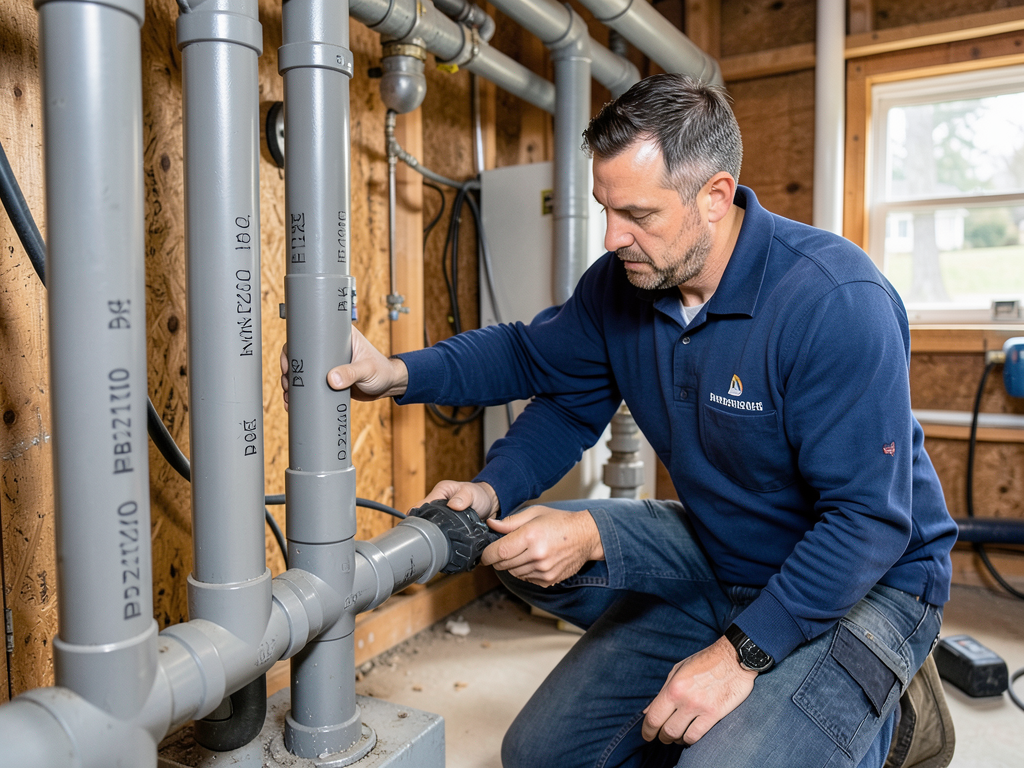
Image: Close-up of polybutylene pipe showing “PB2110” marking and typical gray color. Note the flexible nature and smooth surface that distinguishes it from PVC.
How to Identify Polybutylene in Your Washington Park Home
Identifying polybutylene pipes requires knowing where to look and what to look for. In Washington Park’s typical home layouts, polybutylene pipes are most commonly found in these locations:
- Near the main water shut-off valve where the water line enters the home
- Connected to the water heater, both incoming and outgoing lines
- Under kitchen and bathroom sinks
- In the basement or crawl space running along floor joists
- Feeding outdoor hose bibs and sprinkler systems
When inspecting your pipes, look for these characteristics:
- Color: Gray is most common, but blue and black also exist
- Flexibility: Polybutylene bends easily without kinking
- Markings: Look for “PB2110” or “Quest” printed on the pipe
- Fittings: Acetal resin fittings are common and often show white discoloration
A simple diagnostic test involves checking the pipe’s flexibility. Polybutylene bends easily when new but becomes increasingly brittle over time. If you can gently bend a section of pipe and it feels unusually stiff or shows fine cracks, it likely needs replacement.
Washington Park homes built during the 1980s and early 1990s are at highest risk. Many of these homes are now 30-40 years old, well beyond the typical lifespan of polybutylene piping.
The Real Risks: Insurance Denials and Home Devaluation
Polybutylene pipes create serious financial risks for Washington Park homeowners beyond the immediate threat of water damage. Insurance companies have learned that these pipes fail at alarming rates, leading to widespread coverage denials.
According to Rhode Island Department of Insurance data, homeowners with polybutylene pipes face a 70% higher likelihood of having water damage claims denied. Many major insurers now require full repiping before issuing new policies on Washington Park homes. Existing policyholders may find their coverage canceled upon discovery of polybutylene during routine inspections. EPA Lead and Copper Rule.
The real estate market in Washington Park has also been affected. Homes with polybutylene pipes typically sell for 10-15% less than comparable homes with modern plumbing. During home inspections, polybutylene pipes are almost always flagged as a major defect requiring immediate remediation.
Beyond insurance and resale value, there’s the risk of catastrophic failure. A single burst pipe can release 600 gallons of water per hour into your home. In Washington Park’s older homes with wood framing and plaster walls, this water damage can spread rapidly, destroying floors, ceilings, and personal belongings.
The average water damage claim from polybutylene failure exceeds $10,000, but severe cases can cost $50,000 or more when mold remediation and structural repairs are needed. How to Get Fast Pipe Repair in Smith Hill Before the Next Big Freeze.
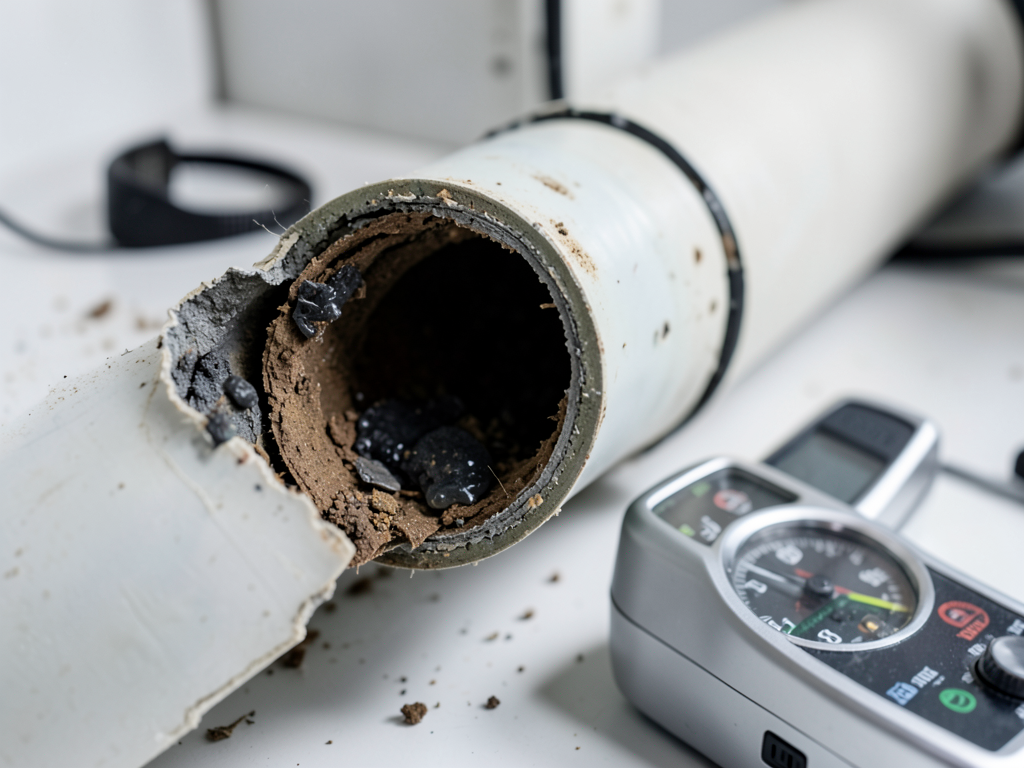
Image: Technician using thermal imaging camera to detect moisture behind walls in a Washington Park home with suspected polybutylene pipe failure.
Our Polybutylene Replacement Process
Replacing polybutylene pipes requires careful planning and execution to minimize disruption to your Washington Park home. Our process follows Rhode Island plumbing code requirements and ensures your new system will last for decades. Rhode Island Secretary of State Business Search.
- Comprehensive Inspection
We use moisture meters, thermal imaging, and visual inspection to map all polybutylene pipes in your home. This includes checking for hidden pipes in walls and under floors.
- Permit Acquisition
We pull all necessary permits through the Providence Department of Inspection and Standards, ensuring compliance with Rhode Island State Building Code SBC-3 (Plumbing).
- Material Selection
We help you choose between PEX-a and copper based on your home’s specific needs. PEX-a offers flexibility for tight spaces, while copper provides maximum longevity.
- Strategic Removal
We use minimal-invasion techniques to remove polybutylene pipes, often routing new pipes through existing access points to avoid unnecessary wall cuts.
- Installation and Testing
New pipes are installed with proper support and insulation. We conduct pressure testing at 150% of normal operating pressure to ensure system integrity.
- Final Inspection
The Providence inspector verifies all work meets code requirements before we restore your home to its original condition.
The entire process typically takes 3-5 days for a standard Washington Park home, though larger homes may require additional time. We work efficiently to minimize your family’s inconvenience while maintaining the highest quality standards.
Providence Plumbing Permits and Regulations
Replacing polybutylene pipes in Washington Park requires navigating specific Providence and Rhode Island regulations. Understanding these requirements ensures your repiping project proceeds smoothly and meets all legal standards.
Under Rhode Island State Building Code SBC-3, all repiping projects must be performed by a licensed master plumber. The Providence Department of Inspection and Standards requires permits for any work that involves replacing more than 10 linear feet of piping or modifying the main water service line.
For Washington Park homes, additional considerations apply. Many homes in this historic neighborhood are subject to preservation guidelines that affect how work can be performed on visible plumbing. We coordinate with the Providence Historic District Commission when necessary to ensure our work meets all aesthetic and structural requirements.
Water quality testing is also required after repiping. The Rhode Island Department of Health mandates testing for lead and copper levels in homes built before 1986. This testing ensures your new plumbing system delivers safe, clean water to your family.
Insurance documentation is another critical aspect. We provide detailed reports showing the removal of polybutylene pipes and the installation of code-compliant replacement materials. This documentation is essential for securing or maintaining homeowner’s insurance coverage. Who to Call for Safe Gas Line Installation in the West End.
Our team handles all permitting and inspection scheduling, so you don’t have to navigate the complex requirements yourself. We ensure every aspect of your polybutylene replacement meets or exceeds all Providence and Rhode Island standards.
Frequently Asked Questions
How much does polybutylene pipe replacement cost in Washington Park?
Costs vary based on home size and complexity, but most Washington Park homes range from $4,000 to $12,000 for complete repiping. We provide detailed quotes after our initial inspection.
Can I replace just part of my polybutylene pipes?
Partial replacement is not recommended. Polybutylene pipes degrade unpredictably, so replacing only visible sections leaves hidden risks throughout your home. Complete replacement is the only safe solution.
How long does the replacement process take?
Most Washington Park homes require 3-5 days for complete repiping. We can often maintain partial water service during the process to minimize disruption to your daily routine.
Will I need to leave my home during the work?
In most cases, you can remain in your home during repiping. We set up temporary water connections and work to minimize noise and dust. Only in rare cases involving extensive wall demolition might temporary relocation be necessary.
What’s the difference between PEX and copper replacement pipes?
PEX is flexible, resistant to freezing, and less expensive, making it ideal for Washington Park’s older homes with tight spaces. Copper is more durable and has a longer track record, but costs more and requires more invasive installation.
Call (401) 240-9711 Today to Schedule Your Inspection
Don’t wait for polybutylene pipes to fail catastrophically in your Washington Park home. Every day you delay increases your risk of costly water damage and insurance complications. Our licensed master plumbers have extensive experience with Washington Park’s specific housing stock and can provide you with a clear assessment of your plumbing system’s condition.
Call (401) 240-9711 today to schedule your comprehensive polybutylene inspection. We’ll provide you with a detailed report, permit-ready plans, and a transparent quote for replacement. Protect your Washington Park home and your family’s safety by addressing this serious plumbing hazard now.
Pick up the phone and call (401) 240-9711 before the next storm hits. With Providence’s frequent freeze-thaw cycles and high humidity, the conditions that accelerate polybutylene degradation are always present. Don’t let a hidden time bomb threaten your home’s value and your family’s well-being.
Cornerstone Plumbing Providence serves Washington Park and all surrounding Providence neighborhoods with emergency response times of under 2 hours for critical situations. Our 401-240-9711 line is answered 24/7 by real team members, not automated systems.
{
“@context”: “https://schema.org”,
“@type”: “BlogPosting”,
“headline”: “The Real Danger of Polybutylene Pipes in Washington Park Homes and How to Replace Them”,
“description”: “Discover why polybutylene pipes in Washington Park homes pose serious risks and learn about safe replacement options. Call (401) 240-9711 for expert repiping services.”,
“wordCount”: 1683,
“datePublished”: “2026-04-06T07:03:00.000Z”,
“dateModified”: “2026-04-06T07:03:00.000Z”,
“inLanguage”: “en-US”,
“mainEntityOfPage”: {
“@type”: “WebPage”,
“@id”: “https://cornerstoneplumbingprovidence.com”
},
“publisher”: {
“@type”: “LocalBusiness”,
“name”: “Cornerstone Plumbing Providence”,
“url”: “https://cornerstoneplumbingprovidence.com”
},
“author”: {
“@type”: “Organization”,
“name”: “Cornerstone Plumbing Providence”,
“url”: “https://cornerstoneplumbingprovidence.com”
},
“image”: {
“@type”: “ImageObject”,
“url”: “https://cornerstoneplumbingprovidence.com/wp-content/uploads/2026/03/the-real-danger-of-polybutylene-pipes-in-washingto-1.png”
}
}
{
“@context”: “https://schema.org”,
“@type”: “Plumber”,
“name”: “Cornerstone Plumbing Providence”,
“url”: “https://cornerstoneplumbingprovidence.com”,
“address”: {
“@type”: “PostalAddress”,
“addressLocality”: “Providence”
},
“areaServed”: {
“@type”: “City”,
“name”: “Providence”
}
}
{
“@context”: “https://schema.org”,
“@type”: “FAQPage”,
“mainEntity”: [
{
“@type”: “Question”,
“name”: “What is Polybutylene Piping and Why is it a Risk?”,
“acceptedAnswer”: {
“@type”: “Answer”,
“text”: “Polybutylene is a flexible plastic resin that was used extensively in residential plumbing systems from the late 1970s through the mid-1990s. In Washington Park, these pipes were installed in thousands of homes during the neighborhood’s development boom. The pipes are typically gray, blue, or black and often have \”PB2110\” printed on the side.”
}
},
{
“@type”: “Question”,
“name”: “How much does polybutylene pipe replacement cost in Washington Park?”,
“acceptedAnswer”: {
“@type”: “Answer”,
“text”: “Costs vary based on home size and complexity, but most Washington Park homes range from $4,000 to $12,000 for complete repiping. We provide detailed quotes after our initial inspection.”
}
},
{
“@type”: “Question”,
“name”: “Can I replace just part of my polybutylene pipes?”,
“acceptedAnswer”: {
“@type”: “Answer”,
“text”: “Partial replacement is not recommended. Polybutylene pipes degrade unpredictably, so replacing only visible sections leaves hidden risks throughout your home. Complete replacement is the only safe solution.”
}
},
{
“@type”: “Question”,
“name”: “How long does the replacement process take?”,
“acceptedAnswer”: {
“@type”: “Answer”,
“text”: “Most Washington Park homes require 3-5 days for complete repiping. We can often maintain partial water service during the process to minimize disruption to your daily routine.”
}
},
{
“@type”: “Question”,
“name”: “Will I need to leave my home during the work?”,
“acceptedAnswer”: {
“@type”: “Answer”,
“text”: “In most cases, you can remain in your home during repiping. We set up temporary water connections and work to minimize noise and dust. Only in rare cases involving extensive wall demolition might temporary relocation be necessary.”
}
},
{
“@type”: “Question”,
“name”: “What’s the difference between PEX and copper replacement pipes?”,
“acceptedAnswer”: {
“@type”: “Answer”,
“text”: “PEX is flexible, resistant to freezing, and less expensive, making it ideal for Washington Park’s older homes with tight spaces. Copper is more durable and has a longer track record, but costs more and requires more invasive installation.”
}
}
]
}
{
“@context”: “https://schema.org”,
“@type”: “HowTo”,
“name”: “Polybutylene Replacement Process”,
“step”: [
{
“@type”: “HowToStep”,
“position”: 1,
“name”: “Comprehensive Inspection”,
“text”: “We use moisture meters, thermal imaging, and visual inspection to map all polybutylene pipes in your home. This includes checking for hidden pipes in walls and under floors.”
},
{
“@type”: “HowToStep”,
“position”: 2,
“name”: “Permit Acquisition”,
“text”: “We pull all necessary permits through the Providence Department of Inspection and Standards, ensuring compliance with Rhode Island State Building Code SBC-3 (Plumbing).”
},
{
“@type”: “HowToStep”,
“position”: 3,
“name”: “Material Selection”,
“text”: “We help you choose between PEX-a and copper based on your home’s specific needs. PEX-a offers flexibility for tight spaces, while copper provides maximum longevity.”
},
{
“@type”: “HowToStep”,
“position”: 4,
“name”: “Strategic Removal”,
“text”: “We use minimal-invasion techniques to remove polybutylene pipes, often routing new pipes through existing access points to avoid unnecessary wall cuts.”
},
{
“@type”: “HowToStep”,
“position”: 5,
“name”: “Installation and Testing”,
“text”: “New pipes are installed with proper support and insulation. We conduct pressure testing at 150% of normal operating pressure to ensure system integrity.”
},
{
“@type”: “HowToStep”,
“position”: 6,
“name”: “Final Inspection”,
“text”: “The Providence inspector verifies all work meets code requirements before we restore your home to its original condition.”
}
],
“image”: “https://cornerstoneplumbingprovidence.com/wp-content/uploads/2026/03/the-real-danger-of-polybutylene-pipes-in-washingto-1.png”
}
{
“@context”: “https://schema.org”,
“@type”: “BreadcrumbList”,
“itemListElement”: [
{
“@type”: “ListItem”,
“position”: 1,
“name”: “Home”,
“item”: “https://cornerstoneplumbingprovidence.com”
},
{
“@type”: “ListItem”,
“position”: 2,
“name”: “Blog”,
“item”: “https://cornerstoneplumbingprovidence.com/blog”
},
{
“@type”: “ListItem”,
“position”: 3,
“name”: “The Real Danger of Polybutylene Pipes in Washington Park Homes and How to Replace Them”
}
]
}
{
“@context”: “https://schema.org”,
“@type”: “Service”,
“serviceType”: “Plumbing”,
“provider”: {
“@type”: “LocalBusiness”,
“name”: “Cornerstone Plumbing Providence”,
“url”: “https://cornerstoneplumbingprovidence.com”
},
“areaServed”: {
“@type”: “City”,
“name”: “Providence”
},
“description”: “Discover why polybutylene pipes in Washington Park homes pose serious risks and learn about safe replacement options. Call (401) 240-9711 for expert repiping services.”
}