Why Your Smith Hill Basement Ejector Pump is Making That Weird Noise (And How to Fix It)
Your Smith Hill basement ejector pump just started making a grinding sound that echoes through your concrete floor. That noise isn’t normal. When sewage ejector pumps in Providence’s older neighborhoods start making unusual sounds, it usually means something’s failing inside the system. The good news is that most strange noises have specific causes you can identify before calling a professional. How to Get Fast Pipe Repair in Smith Hill Before the Next Big Freeze.
Smith Hill homes built before 1980 often have aging ejector pump systems that weren’t designed for today’s water usage. These pumps handle waste from basement bathrooms, laundry rooms, and kitchenettes by grinding and pumping sewage up to your main sewer line. When they start making weird noises, it’s your pump’s way of telling you it needs attention before you have a real emergency. What to Do if Your Federal Hill Water Heater Starts Leaking Everywhere.
Before we dive into the specific sounds and what they mean, here’s what you need to know: a properly functioning ejector pump should run quietly with just a low hum when it cycles on. Any grinding, banging, or high-pitched squealing indicates a mechanical problem that needs immediate diagnosis.
Common Ejector Pump Noises and What They Mean
Different sounds point to different problems. Here’s how to diagnose what your pump is trying to tell you:
Grinding or Metal-on-Metal Sounds
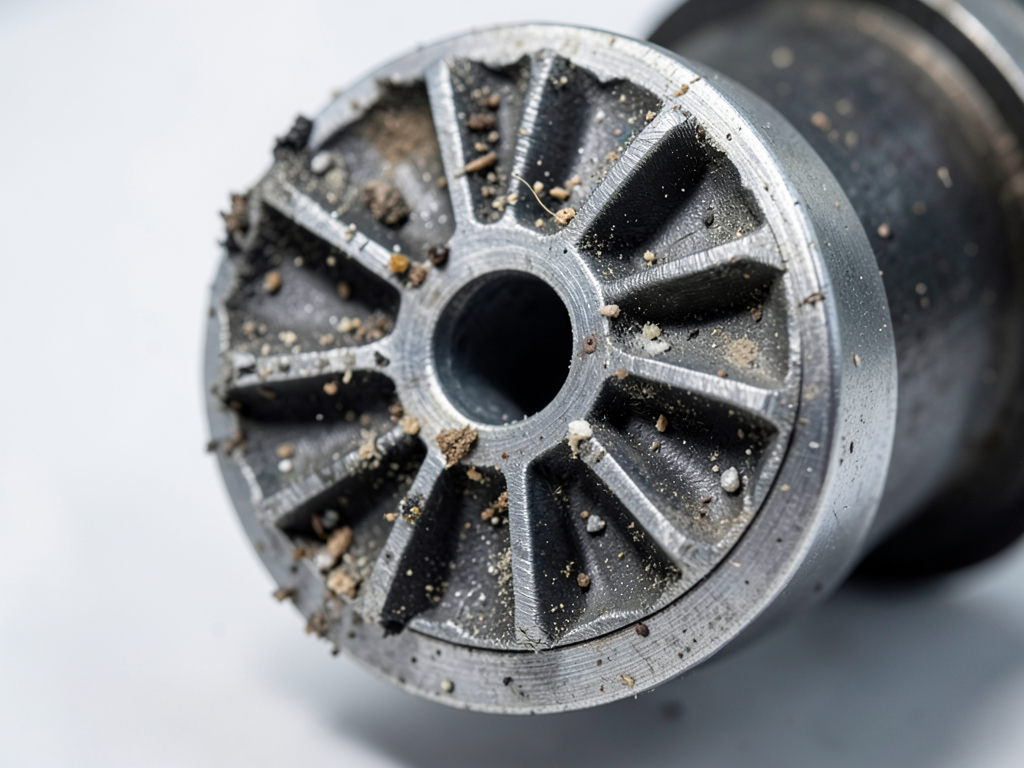
If your pump sounds like it’s grinding rocks, you’re probably hearing worn bearings or a failing impeller. This happens when the motor bearings wear out or when debris gets caught in the grinding mechanism. In Smith Hill’s older homes, this often occurs because small objects or debris make their way into the pump pit over time.
The sound will be constant while the pump runs, not just during startup. If you hear this, shut off the pump immediately and don’t use any basement plumbing until it’s inspected. Running a pump with bad bearings can destroy the motor completely.
Clicking or Rapid Cycling
A clicking sound that happens quickly and repeatedly usually means your float switch is malfunctioning. The float switch tells the pump when to turn on and off based on water levels. When it fails, the pump will cycle on and off rapidly, trying to keep up with phantom water levels. Water Heater Repair & Installation.
This rapid cycling can burn out your pump motor in hours. You might notice the clicking sound coming from the electrical box or the pump itself. In Providence’s humid climate, float switches often corrode faster than in drier areas.
High-Pitched Squealing
A high-pitched squeal usually indicates a failing capacitor or electrical component. The capacitor gives your pump motor the initial boost it needs to start spinning. When it starts to fail, you’ll hear a whine or squeal just before the pump tries to start.
This sound is often accompanied by the pump struggling to start or not starting at all. If you hear this noise, your pump is on its last legs and needs replacement soon.
Banging or Water Hammer
A loud bang when the pump shuts off is called water hammer. It happens when the check valve fails or when there’s no air chamber in your discharge line. The sudden stop of water flow creates a pressure wave that bangs through your pipes.
In Smith Hill’s older plumbing systems, this is common because many homes don’t have modern check valve systems. The banging can damage pipes over time and should be fixed before it causes leaks.
Gurgling or Bubbling Sounds
Gurgling sounds from your ejector pit usually mean your vent pipe is blocked or your system isn’t getting enough air. Sewage needs proper venting to flow correctly. When vents get clogged with debris or ice (common in Providence winters), you’ll hear gurgling as air tries to escape through the water.
This isn’t just annoying—it can cause your pump to work inefficiently and lead to backups.
Emergency Troubleshooting Steps
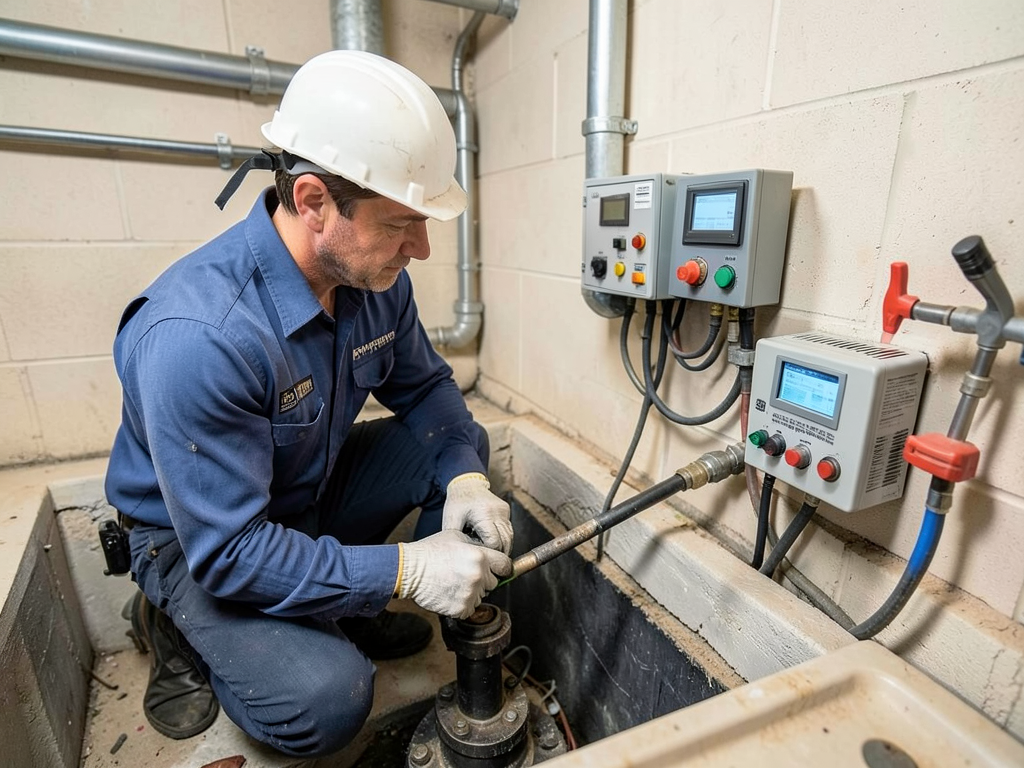
Before calling a professional, you can perform some basic checks to understand what’s happening with your pump. Here’s a step-by-step diagnostic process: Professional Drain Cleaning Services for Historic Homes on the East Side.
- Safety First
Never put your hands in the pump pit. The water may contain harmful bacteria. Wear gloves and eye protection if you must inspect anything.
- Listen Carefully
Go to your basement and listen to the exact sound. Is it constant or intermittent? Does it happen when the pump starts, runs, or stops?
- Check the Breaker
Locate your pump’s circuit breaker. If it’s tripped, reset it once. If it trips again immediately, you have an electrical problem that needs professional attention.
- Inspect the Float
Look for any visible obstructions around the float switch. In Smith Hill’s older homes, debris often accumulates in the pit and interferes with the float’s movement.
- Check for Odors
Unusual smells often accompany pump problems. A strong sewage odor might indicate a failed check valve or a cracked discharge line.
- Look for Water
Check around the pump for any signs of water leakage. Even small amounts of water indicate a problem that needs immediate attention.
If you complete these steps and still can’t identify the problem, it’s time to call a professional. Smith Hill’s older ejector pump systems often require specialized knowledge of Providence’s specific plumbing challenges.
When to Call a Professional Immediately
Some ejector pump problems require immediate professional attention. Here are the red flags that mean you should call (401) 240-9711 right now:
- The pump won’t start at all, and you have active plumbing use in the basement
- You hear grinding sounds and see water backing up in drains
- The breaker trips repeatedly when you reset it
- You smell strong sewage odors throughout your basement
- You notice water pooling around the pump base
In Providence’s older neighborhoods, basement sewage backups can cause thousands of dollars in damage within hours. Don’t wait until you have standing sewage in your basement to call for help.
Common Repairs for Noisy Ejector Pumps
Professional repairs for ejector pump problems typically fall into these categories: EPA Septic System Guidelines.
Float Switch Replacement
Float switches wear out from constant use and corrosion. Replacement involves removing the old switch, installing a new one, and testing the system. This usually takes 1-2 hours and costs significantly less than replacing the entire pump.
Impeller and Bearing Repair
When bearings wear out, the entire motor assembly often needs replacement. However, if the impeller is just clogged with debris, a thorough cleaning might solve the problem. Technicians will disassemble the pump to inspect internal components.
Check Valve Installation
Adding or replacing check valves prevents water hammer and improves pump efficiency. Modern check valves also prevent sewage from flowing back into your pit between cycles, reducing wear on the pump.
Electrical Component Repair
Capacitors, relays, and wiring connections can all fail. These repairs require electrical expertise and should only be performed by licensed professionals familiar with Providence’s building codes.
Prevention and Maintenance Tips
Regular maintenance can prevent most ejector pump failures. Here’s how to keep your system running quietly:
Monthly Visual Inspections
Once a month, look at your pump pit for any signs of trouble. Check for unusual water levels, debris accumulation, or strange odors. Early detection prevents major failures.
Annual Professional Cleaning
Have a professional clean your pump pit and inspect all components annually. This is especially important in Smith Hill where older systems accumulate more debris over time.
Proper Usage Guidelines
Never flush anything except human waste and toilet paper down basement toilets. Items like feminine products, paper towels, and wipes can jam impellers and cause expensive damage.
Backup Power Solutions
Consider installing a battery backup system. Providence’s occasional power outages can leave you vulnerable to basement flooding if your ejector pump loses power during a storm.
Understanding Providence’s Ejector Pump Challenges
Smith Hill and other Providence neighborhoods face unique challenges with ejector pump systems. The area’s high water table, combined with older home construction, creates specific failure patterns.
Providence’s clay-rich soil retains moisture, which means ejector pumps often run more frequently than in other areas. This increased usage leads to faster wear on components. Additionally, many Smith Hill homes were built with undersized pump systems that struggle with modern water usage patterns.
The city’s combined sewer system also creates additional pressure on ejector pumps during heavy rain events. When municipal systems back up, your ejector pump has to work harder to move waste uphill to the main sewer line.
Cost Factors for Ejector Pump Repairs
Repair costs vary based on the specific problem and your system’s age. Here are the main factors that affect pricing:
| Repair Type | Typical Time Required | Cost Range | Urgency Level |
|---|---|---|---|
| Float Switch Replacement | 1-2 hours | $150-$300 | Low |
| Impeller Cleaning | 2-3 hours | $200-$400 | Medium |
| Check Valve Installation | 2-3 hours | $250-$500 | Medium |
| Motor Replacement | 3-4 hours | $500-$1,200 | High |
| Complete System Replacement | 4-6 hours | $1,500-$3,000 | Emergency |
These are current 2026 pricing estimates. Emergency calls during nights or weekends typically add 25-50% to these costs.
Frequently Asked Questions
How long should an ejector pump last in a Smith Hill home?
With proper maintenance, ejector pumps typically last 7-10 years in Providence’s climate. Older systems from the 1970s-80s may need replacement sooner due to outdated technology and increased wear from the high water table.
Can I fix a noisy ejector pump myself?
Basic troubleshooting like checking the breaker or removing visible debris is safe. However, internal repairs require plumbing licenses and knowledge of Providence’s building codes. DIY repairs on sewage systems can create health hazards and code violations.
What’s the difference between an ejector pump and a sump pump?
Ejector pumps handle sewage and waste from basement plumbing fixtures. Sump pumps only remove groundwater and rainwater. Ejector pumps have grinding mechanisms and handle much dirtier water than sump pumps.
How do I know if my ejector pump is failing?
Watch for these warning signs: unusual noises, frequent cycling, slow drainage from basement fixtures, sewage odors, or water backing up in drains. Any of these indicate your pump needs immediate attention.
Should I replace my old ejector pump before it fails?
If your pump is over 8 years old and showing any signs of trouble, replacement might be more cost-effective than emergency repairs. New pumps are more efficient and come with better warranties.
Local Providence Building Code Requirements
Providence follows Rhode Island State Building Code SBC-3 (Plumbing), which requires specific standards for ejector pump installations. According to Section 312.9 of the code, all sewage ejector systems must include: Rhode Island Corporation Search.
- Proper venting to prevent trap siphonage
- Check valves to prevent backflow
- Access points for maintenance and cleaning
- Proper discharge pipe sizing based on pump capacity
Additionally, the Rhode Island Department of Health requires that all ejector pump installations be performed by licensed plumbers familiar with local soil conditions and water table issues. This is particularly important in Smith Hill where the high clay content affects system performance. Reliable Sump Pump Installation for Elmhurst Homeowners Facing Wet Basements.
Emergency Service Availability
When your ejector pump starts making weird noises, you need help fast. Our emergency service covers all of Smith Hill and surrounding Providence neighborhoods with 24/7 availability.
We maintain fully stocked service vehicles with common replacement parts, allowing us to complete most repairs on the first visit. Our technicians are familiar with all major pump brands including Liberty, Zoeller, and Myers, which are most common in Providence homes.
During heavy rain events or after power outages, we prioritize ejector pump emergencies because we know how quickly basement flooding can occur in Smith Hill’s older homes.
Why Choose Local Providence Experts
Ejector pump problems in Smith Hill require more than just basic plumbing knowledge. You need technicians who understand:
- Providence’s specific soil conditions and how they affect pump performance
- The age and construction patterns of Smith Hill homes
- Local building code requirements for sewage systems
- The area’s high water table and its impact on pump cycling
Our team has been serving Smith Hill and surrounding neighborhoods for over 15 years. We’ve seen every type of ejector pump failure and know exactly how to diagnose and fix problems quickly.
We also understand the unique challenges of working in historic districts and can ensure all repairs meet both code requirements and neighborhood aesthetic standards when necessary.
Preventing Future Problems
After we repair your noisy ejector pump, we’ll help you prevent future problems with these recommendations:
Install a Monitoring System
Modern ejector pumps can include alarm systems that alert you to problems before they become emergencies. These systems can detect high water levels, power failures, or pump malfunctions.
Regular Maintenance Schedule
We recommend professional cleaning and inspection every 12 months. This service includes checking all electrical connections, cleaning the impeller, testing the float switch, and inspecting discharge lines for blockages.
Education for Your Household
Make sure everyone in your home knows what can and cannot be flushed down basement toilets. Simple education prevents most ejector pump problems.
Take Action Now
Don’t wait until your ejector pump fails completely. If you’re hearing weird noises, call us today at (401) 240-9711. We’ll diagnose the problem and provide you with clear options for repair or replacement.
Remember, a small investment in fixing strange noises now can prevent a major sewage backup that could cost thousands in damage and cleanup. Smith Hill homes are particularly vulnerable to basement flooding, so don’t take chances with your ejector pump system.
Pick up the phone and call (401) 240-9711 before the next storm hits. Our emergency team is standing by to help you protect your home from sewage backups and water damage.
{
“@context”: “https://schema.org”,
“@type”: “BlogPosting”,
“headline”: “Why Your Smith Hill Basement Ejector Pump is Making That Weird Noise (And How to Fix It)”,
“description”: “Is your Smith Hill basement ejector pump making strange noises? Learn the common causes, emergency fixes, and when to call Providence’s trusted plumbing experts.”,
“wordCount”: 2278,
“datePublished”: “2026-03-13T15:42:00.000Z”,
“dateModified”: “2026-03-13T15:42:00.000Z”,
“inLanguage”: “en-US”,
“mainEntityOfPage”: {
“@type”: “WebPage”,
“@id”: “https://cornerstoneplumbingprovidence.com”
},
“publisher”: {
“@type”: “LocalBusiness”,
“name”: “Cornerstone Plumbing Providence”,
“url”: “https://cornerstoneplumbingprovidence.com”
},
“author”: {
“@type”: “Organization”,
“name”: “Cornerstone Plumbing Providence”,
“url”: “https://cornerstoneplumbingprovidence.com”
},
“image”: {
“@type”: “ImageObject”,
“url”: “https://cornerstoneplumbingprovidence.com/wp-content/uploads/2026/03/why-your-smith-hill-basement-ejector-pump-is-makin-1.png”
}
}
{
“@context”: “https://schema.org”,
“@type”: “Plumber”,
“name”: “Cornerstone Plumbing Providence”,
“url”: “https://cornerstoneplumbingprovidence.com”,
“address”: {
“@type”: “PostalAddress”,
“addressLocality”: “Providence”
},
“areaServed”: {
“@type”: “City”,
“name”: “Providence”
}
}
{
“@context”: “https://schema.org”,
“@type”: “FAQPage”,
“mainEntity”: [
{
“@type”: “Question”,
“name”: “How long should an ejector pump last in a Smith Hill home?”,
“acceptedAnswer”: {
“@type”: “Answer”,
“text”: “With proper maintenance, ejector pumps typically last 7-10 years in Providence’s climate. Older systems from the 1970s-80s may need replacement sooner due to outdated technology and increased wear from the high water table.”
}
},
{
“@type”: “Question”,
“name”: “Can I fix a noisy ejector pump myself?”,
“acceptedAnswer”: {
“@type”: “Answer”,
“text”: “Basic troubleshooting like checking the breaker or removing visible debris is safe. However, internal repairs require plumbing licenses and knowledge of Providence’s building codes. DIY repairs on sewage systems can create health hazards and code violations.”
}
},
{
“@type”: “Question”,
“name”: “What’s the difference between an ejector pump and a sump pump?”,
“acceptedAnswer”: {
“@type”: “Answer”,
“text”: “Ejector pumps handle sewage and waste from basement plumbing fixtures. Sump pumps only remove groundwater and rainwater. Ejector pumps have grinding mechanisms and handle much dirtier water than sump pumps.”
}
},
{
“@type”: “Question”,
“name”: “How do I know if my ejector pump is failing?”,
“acceptedAnswer”: {
“@type”: “Answer”,
“text”: “Watch for these warning signs: unusual noises, frequent cycling, slow drainage from basement fixtures, sewage odors, or water backing up in drains. Any of these indicate your pump needs immediate attention.”
}
}
]
}
{
“@context”: “https://schema.org”,
“@type”: “HowTo”,
“name”: “Emergency Ejector Pump Troubleshooting”,
“step”: [
{
“@type”: “HowToStep”,
“position”: 1,
“name”: “Safety First”,
“text”: “Never put your hands in the pump pit. The water may contain harmful bacteria. Wear gloves and eye protection if you must inspect anything.”
},
{
“@type”: “HowToStep”,
“position”: 2,
“name”: “Listen Carefully”,
“text”: “Go to your basement and listen to the exact sound. Is it constant or intermittent? Does it happen when the pump starts, runs, or stops?”
},
{
“@type”: “HowToStep”,
“position”: 3,
“name”: “Check the Breaker”,
“text”: “Locate your pump’s circuit breaker. If it’s tripped, reset it once. If it trips again immediately, you have an electrical problem that needs professional attention.”
},
{
“@type”: “HowToStep”,
“position”: 4,
“name”: “Inspect the Float”,
“text”: “Look for any visible obstructions around the float switch. In Smith Hill’s older homes, debris often accumulates in the pit and interferes with the float’s movement.”
},
{
“@type”: “HowToStep”,
“position”: 5,
“name”: “Check for Odors”,
“text”: “Unusual smells often accompany pump problems. A strong sewage odor might indicate a failed check valve or a cracked discharge line.”
},
{
“@type”: “HowToStep”,
“position”: 6,
“name”: “Look for Water”,
“text”: “Check around the pump for any signs of water leakage. Even small amounts of water indicate a problem that needs immediate attention.”
}
],
“image”: “https://cornerstoneplumbingprovidence.com/wp-content/uploads/2026/03/why-your-smith-hill-basement-ejector-pump-is-makin-1.png”
}
{
“@context”: “https://schema.org”,
“@type”: “BreadcrumbList”,
“itemListElement”: [
{
“@type”: “ListItem”,
“position”: 1,
“name”: “Home”,
“item”: “https://cornerstoneplumbingprovidence.com”
},
{
“@type”: “ListItem”,
“position”: 2,
“name”: “Blog”,
“item”: “https://cornerstoneplumbingprovidence.com/blog”
},
{
“@type”: “ListItem”,
“position”: 3,
“name”: “Why Your Smith Hill Basement Ejector Pump is Making That Weird Noise (And How to Fix It)”
}
]
}
{
“@context”: “https://schema.org”,
“@type”: “Service”,
“serviceType”: “Plumbing”,
“provider”: {
“@type”: “LocalBusiness”,
“name”: “Cornerstone Plumbing Providence”,
“url”: “https://cornerstoneplumbingprovidence.com”
},
“areaServed”: {
“@type”: “City”,
“name”: “Providence”
},
“description”: “Is your Smith Hill basement ejector pump making strange noises? Learn the common causes, emergency fixes, and when to call Providence’s trusted plumbing experts.”
}