Keeping Sewage Out of Your Lower South Providence Basement with a Backwater Valve
When heavy rain hits Providence, the city’s combined sewer system can back up into your basement through floor drains and toilets. A backwater valve stops sewage from flowing backward into your home, protecting your property from thousands of dollars in damage. Lower South Providence homes near Mashapaug Pond and the Washington Secondary Trail face higher flood risks due to the area’s low elevation and aging sewer infrastructure. Providence Water Supply Board.
How Backwater Valves Protect Providence Homes
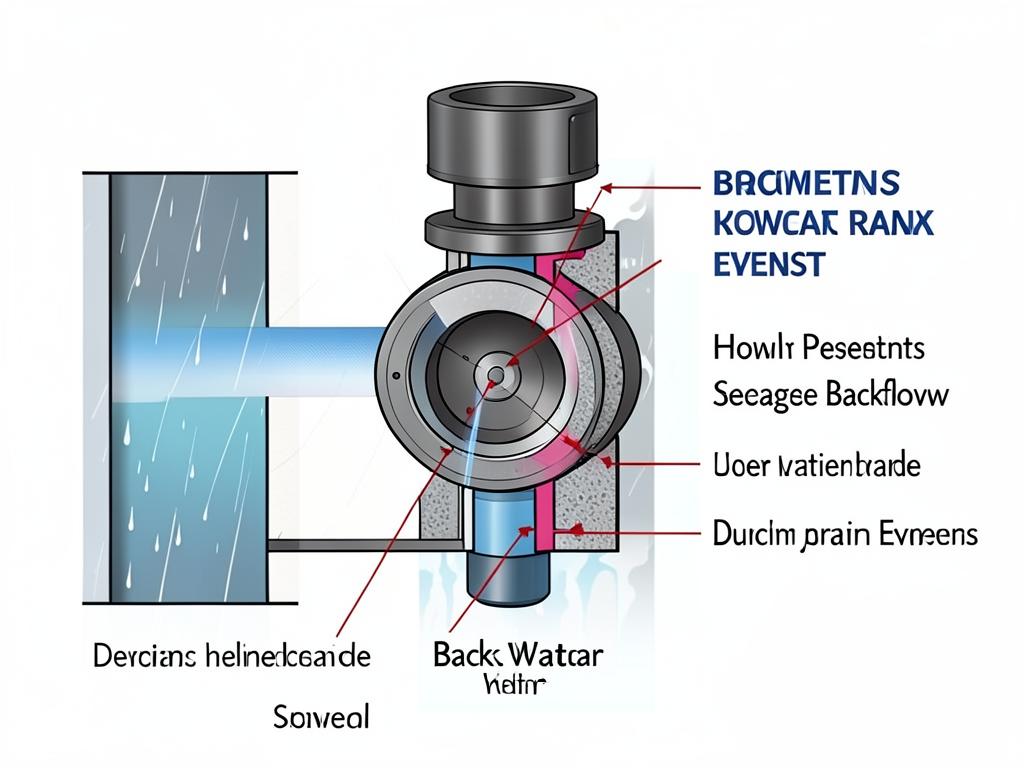
A backwater valve is a one-way check valve installed on your main sewer line. During normal drainage, it opens to let wastewater flow out. When city sewer pressure rises from heavy rain or blockages, the valve closes automatically, creating a barrier that prevents sewage from backing up into your basement. Unlike sump pumps that handle groundwater, backwater valves stop contaminated water from entering your living space. What to Do if Your Federal Hill Water Heater Starts Leaking Everywhere.
Providence’s combined sewer system carries both stormwater and sewage through the same pipes. During intense rainfall, this system can become overwhelmed, causing backups in the lowest points of the network – often your basement floor drain. The Narragansett Bay Commission has invested millions in CSO reduction projects, but many older neighborhoods like Lower South Providence still experience surcharge events. Professional Drain Cleaning Services for Historic Homes on the East Side.
Installation Process for Providence Properties
Professional installation requires excavation of your main sewer line where it exits the foundation. The process typically takes one to two days and must comply with Rhode Island State Plumbing Code requirements. A licensed plumber will cut into the main sewer line, install the valve in a manhole or valve box, and ensure proper drainage slope. Reliable Sump Pump Installation for Elmhurst Homeowners Facing Wet Basements.
Lower South Providence’s older housing stock presents unique challenges. Many homes built before 1950 have clay sewer pipes that may need repair before valve installation. The area’s high water table means excavation must be carefully managed to prevent collapse and ensure proper backfill. EPA Combined Sewer Overflow Information.
Permitting through the City of Providence Building Board is required. The process includes submitting detailed plans showing valve location and ensuring compliance with local ordinances. Some properties near Mashapaug Pond may need additional approvals due to proximity to wetlands.
Types of Backwater Valves for Providence Homes
Manual backwater valves require homeowners to close them before predicted heavy rain. They’re less expensive but rely on weather forecasts and homeowner action. Automatic valves use a floating mechanism that closes when backflow pressure increases, providing protection even during unexpected storms. Water Heater Repair & Installation.
For Lower South Providence’s frequent rain events, automatic valves offer better protection. The area experiences an average of 48 inches of rainfall annually, with intense storms becoming more common. An automatic valve ensures your basement stays protected even if you’re away from home when a storm hits.
Gate-style valves provide the most reliable seal but require more vertical space in your sewer line. Flap-style valves work in tighter spaces but may allow small amounts of backflow under extreme conditions. Your plumber will recommend the best type based on your specific plumbing configuration and basement layout.
Cost Considerations for Providence Homeowners
Installation costs vary based on accessibility and existing plumbing conditions. Lower South Providence homes often need additional work due to aging infrastructure. Expect to pay between $1,800 and $4,500 for professional installation, including permits and inspection fees. Who to Call for Safe Gas Line Installation in the West End.
While this represents a significant investment, consider the alternative. The average basement sewage cleanup costs $7,000 to $14,000, not including damaged belongings and potential mold remediation. Many Rhode Island homeowners insurance policies exclude sewer backup unless you have specific coverage, which typically costs $50 to $150 annually.
Some Providence homeowners report insurance premium reductions after installing backwater valves, though savings vary by insurer. The peace of mind during storm season is invaluable, especially in flood-prone areas like Lower South Providence where basement flooding affects dozens of homes each year.
Maintenance Requirements for Long-Term Protection
Backwater valves require minimal maintenance but should be inspected annually. Lower South Providence’s older sewer lines often contain tree roots and debris that can interfere with valve operation. Annual cleaning ensures the valve opens and closes properly when needed.. Read more about Why You Should Never Ignore a Small Damp Spot on Your Elmwood Foundation Wall.
During maintenance, technicians check for debris buildup, test the valve’s mechanical operation, and inspect surrounding pipes for damage. They’ll also verify that the valve box remains accessible and that warning labels are visible for future homeowners.. Read more about Dealing with Sweating Pipes and Basement Condensation During a Humid Providence Summer.
Heavy rains can deposit sediment in the valve, potentially causing it to stick. After major storms, check that the valve operates freely. If you notice slow drains or gurgling sounds, the valve may need cleaning before the next rainfall.
Providence Building Code Requirements
Rhode Island State Plumbing Code Section 13-14-8.2 requires backwater valves in specific situations, including when plumbing fixtures are installed below the nearest upstream manhole or when the building drain is below street level. Lower South Providence’s topography means many homes meet these criteria.
The City of Providence Building Board enforces these requirements during major renovations or when adding basement plumbing fixtures. New construction in flood-prone areas must include backwater protection as part of the building permit process.
Commercial properties in Lower South Providence face stricter requirements due to potential environmental impact. Restaurants, multi-family buildings, and businesses near Mashapaug Pond must install more robust protection systems to prevent sewage discharge into local waterways.
Common Problems and Solutions
Tree roots are the most frequent cause of backwater valve failure in Providence. The city’s mature tree canopy, particularly along streets like Potters Avenue and Prairie Avenue, sends roots searching for moisture in sewer lines. Regular root maintenance prevents blockages that could prevent the valve from closing properly.
Incorrect installation angle causes many failures. The valve must be installed with the correct slope to ensure proper drainage when open and reliable closure when needed. Poor installation can trap debris or prevent the valve from seating correctly.
Debris accumulation from household waste can jam the valve mechanism. Items like paper towels, feminine products, and grease should never enter your plumbing system. These materials can prevent the valve from closing during a backup event.
Emergency Response Planning
Even with a backwater valve installed, you need an emergency plan. Know where your main water shutoff valve is located and keep important documents in waterproof containers. If you notice sewage odors or slow drains during heavy rain, check your valve immediately.
Lower South Providence residents should monitor weather forecasts during storm season. The National Weather Service issues alerts for heavy rainfall that could overwhelm the sewer system. Having a plan helps you respond quickly if problems arise.
Keep emergency contact numbers handy, including your plumber and the City of Providence’s emergency services. Quick response can prevent minor issues from becoming major damage.
Benefits Beyond Flood Protection
A backwater valve provides multiple benefits beyond preventing sewage backup. It can improve your home’s resale value, as many buyers now ask about flood protection measures. The valve also prevents rodents and insects from entering through sewer lines.
Lower South Providence’s proximity to Mashapaug Pond means many homes sit in areas with high water tables. A backwater valve complements other moisture control measures, creating a comprehensive protection system for your basement.
The valve also protects your investment in finished basement space. Many Lower South Providence homes have converted basements into living areas, home offices, or rental units. Protecting this valuable space makes financial sense.
Choosing the Right Plumber in Providence
Backwater valve installation requires specific expertise and proper licensing. Look for plumbers with experience in Providence’s unique infrastructure challenges. They should understand local soil conditions, building codes, and the specific risks facing Lower South Providence homes.
Ask potential contractors about their experience with similar installations in Providence. Request references from local homeowners and verify their Rhode Island State Plumbing License. A reputable plumber will provide detailed proposals and explain the installation process thoroughly.
Professional installation includes proper permitting, inspection coordination, and warranty protection. Avoid contractors who suggest bypassing permits or cutting corners on installation quality.
Frequently Asked Questions
How long does backwater valve installation take?
Most installations require one to two days, depending on accessibility and existing plumbing conditions. Excavation, valve installation, and inspection typically complete within this timeframe.
Will a backwater valve affect my plumbing drainage?
When properly installed, a backwater valve should not affect normal drainage. You might notice slightly reduced flow during heavy use, but this is minimal and temporary.
Do I need a permit for backwater valve installation?
Yes. The City of Providence Building Board requires permits for backwater valve installation. Your plumber should handle the permitting process as part of the installation.
How often should I inspect my backwater valve?
Annual inspection is recommended, with additional checks after major storms. Regular maintenance ensures reliable operation when you need it most.
Can I install a backwater valve myself?
Professional installation is strongly recommended. Improper installation can create more problems than it solves and may violate local codes.
Does insurance cover backwater valve installation?
Insurance typically doesn’t cover installation costs, but some companies offer premium discounts for flood protection measures. Check with your insurer about potential savings.
What’s the difference between a backwater valve and a check valve?
Backwater valves are specifically designed for sewage backflow prevention and typically have more robust sealing mechanisms than general check valves.
How do I know if I need a backwater valve?
If your basement has floor drains, toilets, or plumbing fixtures below street level, you’re at risk for sewer backup. Homes in flood-prone areas like Lower South Providence should strongly consider installation.
What happens if the valve fails during a storm?
Most failures result from debris or lack of maintenance rather than mechanical breakdown. Regular inspection and cleaning prevent most operational issues.
Can a backwater valve prevent all basement flooding?
No. Backwater valves prevent sewage backup but won’t stop groundwater flooding or surface water intrusion. They’re one component of a comprehensive flood protection strategy.
Protect Your Lower South Providence Home Today
Don’t wait for the next heavy rain to discover your basement’s vulnerability. A backwater valve provides essential protection for Lower South Providence homes, where aging infrastructure and low elevation create perfect conditions for sewer backups.
Call (401) 240-9711 today to schedule your inspection. Our licensed plumbers understand Providence’s unique challenges and will recommend the right protection for your home. Don’t let sewage back up into your basement – take action before the next storm hits.
Pick up the phone and call (401) 240-9711 before the next storm hits. Your basement and your peace of mind are worth protecting.
{
“@context”: “https://schema.org”,
“@type”: “BlogPosting”,
“headline”: “Keeping Sewage Out of Your Lower South Providence Basement with a Backwater Valve”,
“description”: “Protect your Lower South Providence basement from sewer backups with professional backwater valve installation. Learn about Providence’s flood risks and local code requirements.”,
“wordCount”: 1794,
“datePublished”: “2026-04-25T11:20:00.000Z”,
“dateModified”: “2026-04-25T11:20:00.000Z”,
“inLanguage”: “en-US”,
“mainEntityOfPage”: {
“@type”: “WebPage”,
“@id”: “https://cornerstoneplumbingprovidence.com”
},
“publisher”: {
“@type”: “LocalBusiness”,
“name”: “Cornerstone Plumbing Providence”,
“url”: “https://cornerstoneplumbingprovidence.com”
},
“author”: {
“@type”: “Organization”,
“name”: “Cornerstone Plumbing Providence”,
“url”: “https://cornerstoneplumbingprovidence.com”
},
“image”: {
“@type”: “ImageObject”,
“url”: “https://cornerstoneplumbingprovidence.com/wp-content/uploads/2026/03/keeping-sewage-out-of-your-lower-south-providence-1.png”
}
}
{
“@context”: “https://schema.org”,
“@type”: “Plumber”,
“name”: “Cornerstone Plumbing Providence”,
“url”: “https://cornerstoneplumbingprovidence.com”,
“address”: {
“@type”: “PostalAddress”,
“addressLocality”: “Providence”
},
“areaServed”: {
“@type”: “City”,
“name”: “Providence”
}
}
{
“@context”: “https://schema.org”,
“@type”: “FAQPage”,
“mainEntity”: [
{
“@type”: “Question”,
“name”: “How long does backwater valve installation take?”,
“acceptedAnswer”: {
“@type”: “Answer”,
“text”: “Most installations require one to two days, depending on accessibility and existing plumbing conditions. Excavation, valve installation, and inspection typically complete within this timeframe.”
}
},
{
“@type”: “Question”,
“name”: “Will a backwater valve affect my plumbing drainage?”,
“acceptedAnswer”: {
“@type”: “Answer”,
“text”: “When properly installed, a backwater valve should not affect normal drainage. You might notice slightly reduced flow during heavy use, but this is minimal and temporary.”
}
},
{
“@type”: “Question”,
“name”: “Do I need a permit for backwater valve installation?”,
“acceptedAnswer”: {
“@type”: “Answer”,
“text”: “Yes. The City of Providence Building Board requires permits for backwater valve installation. Your plumber should handle the permitting process as part of the installation.”
}
},
{
“@type”: “Question”,
“name”: “How often should I inspect my backwater valve?”,
“acceptedAnswer”: {
“@type”: “Answer”,
“text”: “Annual inspection is recommended, with additional checks after major storms. Regular maintenance ensures reliable operation when you need it most.”
}
},
{
“@type”: “Question”,
“name”: “Can I install a backwater valve myself?”,
“acceptedAnswer”: {
“@type”: “Answer”,
“text”: “Professional installation is strongly recommended. Improper installation can create more problems than it solves and may violate local codes.”
}
},
{
“@type”: “Question”,
“name”: “Does insurance cover backwater valve installation?”,
“acceptedAnswer”: {
“@type”: “Answer”,
“text”: “Insurance typically doesn’t cover installation costs, but some companies offer premium discounts for flood protection measures. Check with your insurer about potential savings.”
}
},
{
“@type”: “Question”,
“name”: “What’s the difference between a backwater valve and a check valve?”,
“acceptedAnswer”: {
“@type”: “Answer”,
“text”: “Backwater valves are specifically designed for sewage backflow prevention and typically have more robust sealing mechanisms than general check valves.”
}
},
{
“@type”: “Question”,
“name”: “How do I know if I need a backwater valve?”,
“acceptedAnswer”: {
“@type”: “Answer”,
“text”: “If your basement has floor drains, toilets, or plumbing fixtures below street level, you’re at risk for sewer backup. Homes in flood-prone areas like Lower South Providence should strongly consider installation.”
}
},
{
“@type”: “Question”,
“name”: “What happens if the valve fails during a storm?”,
“acceptedAnswer”: {
“@type”: “Answer”,
“text”: “Most failures result from debris or lack of maintenance rather than mechanical breakdown. Regular inspection and cleaning prevent most operational issues.”
}
},
{
“@type”: “Question”,
“name”: “Can a backwater valve prevent all basement flooding?”,
“acceptedAnswer”: {
“@type”: “Answer”,
“text”: “No. Backwater valves prevent sewage backup but won’t stop groundwater flooding or surface water intrusion. They’re one component of a comprehensive flood protection strategy.”
}
}
]
}
{
“@context”: “https://schema.org”,
“@type”: “BreadcrumbList”,
“itemListElement”: [
{
“@type”: “ListItem”,
“position”: 1,
“name”: “Home”,
“item”: “https://cornerstoneplumbingprovidence.com”
},
{
“@type”: “ListItem”,
“position”: 2,
“name”: “Blog”,
“item”: “https://cornerstoneplumbingprovidence.com/blog”
},
{
“@type”: “ListItem”,
“position”: 3,
“name”: “Keeping Sewage Out of Your Lower South Providence Basement with a Backwater Valve”
}
]
}
{
“@context”: “https://schema.org”,
“@type”: “Service”,
“serviceType”: “Plumbing”,
“provider”: {
“@type”: “LocalBusiness”,
“name”: “Cornerstone Plumbing Providence”,
“url”: “https://cornerstoneplumbingprovidence.com”
},
“areaServed”: {
“@type”: “City”,
“name”: “Providence”
},
“description”: “Protect your Lower South Providence basement from sewer backups with professional backwater valve installation. Learn about Providence’s flood risks and local code requirements.”
}